

The Ultimate Guide to Choosing Shoes That Walk You Through Every Season
Your journey through the year is defined by the ground beneath your feet. The right pair of shoes to walk in is not merely an accessory; it is a fundamental tool for mobility, health, and comfort across shifting climates and terrains. This guide moves beyond fleeting trends to anchor your choices in biomechanics, material science, and seasonal demands. We will navigate the intersection of professional podiatric insight and accessible value, ensuring your steps are supported from the first spring thaw to the deepest winter frost. Let’s step into a year of unparalleled comfort and performance.
The Foundation: Understanding Your Foot and Gait
Before considering the weather, one must understand the engine: your foot. The human foot is a complex structure of 26 bones, 33 joints, and over 100 muscles, tendons, and ligaments. According to research from the American Podiatric Medical Association, an average person takes between 5,000 and 7,000 steps per day, culminating in a lifetime journey that could circle the Earth more than four times. This relentless activity makes choosing the correct shoes to walk in a critical decision for long-term musculoskeletal health. Your gait cycle—the sequence of motions from heel strike to toe-off—varies from person to person. A neutral gait, overpronation (inward rolling), and supination (outward rolling) each demand specific shoe features for stability and shock absorption. Ignoring this biomechanical reality, as noted by Harvard Medical School publications on orthopedic health, can lead to a cascade of issues, from plantar fasciitis and shin splints to knee and back pain. Therefore, the first step in any seasonal shoe journey is a professional gait analysis, often available at specialty running stores, or a self-assessment using the “wet foot test” to determine your arch type.
Spring: Traction, Water Resistance, and Renewed Flexibility
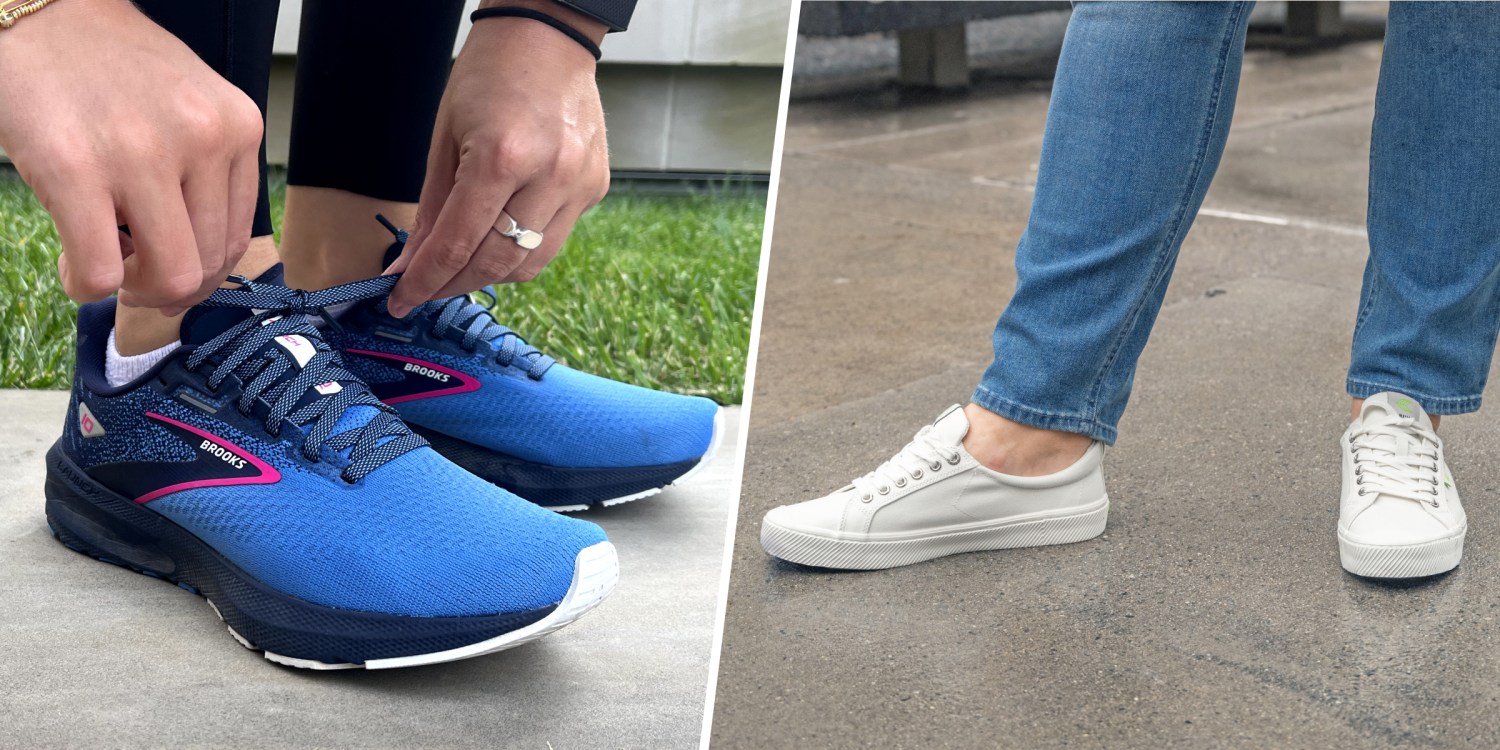
Spring is a season of transition, characterized by unpredictable showers, lingering mud, and fluctuating temperatures. The primary objective for your spring shoes to walk in is versatile protection. A shoe with a hydrophobic mesh upper or treated leather repels light rain and allows for breathability as temperatures rise. The outsole is paramount; look for multi-directional lugs or a patterned rubber compound that provides grip on slick, wet pavements and soft, muddy trails. As Dr. Jacqueline Sutera, a New York-based podiatrist, often states in her media appearances, “A slip in the spring can set you back for the entire summer.” Furthermore, after a winter of wearing stiff, insulated boots, your feet crave flexibility. Choose a shoe with a supportive yet pliable midsole that encourages the natural flexion of your foot with each step. Brands like Merrell and Keen often incorporate these features into their spring-ready trail walkers. From a value perspective, this is an excellent time to find discounts on previous year’s models of high-quality waterproof hiking shoes as retailers make room for new summer inventory.
:max_bytes(150000):strip_icc()/tal-walking-shoes-test-on-cloud-5-ashleigh-morley-01-f02f544a3dcf4b67b919b810eac77f09.jpeg)
Summer: Breathability, Lightweight Construction, and Sun Protection
Summer demands a paradigm shift towards maximum ventilation and minimal weight. The core scientific principle here is thermoregulation. Feet have a high concentration of sweat glands, and a hot, humid environment inside a shoe can lead to blisters, fungal infections, and general discomfort. The ideal summer walking shoe employs engineered mesh uppers, often with strategic overlays for structure, to promote constant airflow. Materials like knit fabrics, as popularized by brands such as Allbirds, offer a sock-like fit that wicks moisture. Weight is equally critical; every gram reduction lessens the metabolic cost of walking, a concept supported by studies in sports science journals. However, lightweight must not compromise underfoot protection. A thin, flexible sole may be cool but can transmit too much heat from scorching asphalt. Look for a balance: a lightweight EVA or foam midsole with adequate cushioning. Furthermore, consider coverage. While sandals are tempting, a lightweight, breathable sneaker often provides better protection from the sun’s UV rays and environmental debris. As the famous ultramarathon runner and author Scott Jurek once reflected in his book Eat and Run, “The right shoe disappears on your foot, becoming an extension of your intention to move.” That is the feeling you should seek in a summer shoes to walk in.
Autumn: Stability, Layering, and Transitional Materials
Autumn presents a unique challenge: crisp mornings give way to mild afternoons, and dry paths can quickly become covered in slippery leaves. Stability becomes the watchword. This is the season to revisit your gait type and ensure your shoes provide the necessary medial support or neutral cushioning for longer walks amidst falling temperatures. The shoe’s material should transition with the climate. Full-grain leather or suede offers more wind resistance than summer meshes but may require a break-in period. Many modern shoes use hybrid materials—reinforced synthetic uppers with breathable panels—that adapt well. The insole also plays a role; a slightly more insulated or moisture-wicking insole can add comfort as the mercury drops. Think of your autumn shoe as a foundational layer for your foot. Just as you might wear a light sweater, your foot needs a shoe that provides a bit more substance without the bulk of winter insulation. Retailers frequently offer end-of-season sales on summer styles, but investing in a dedicated pair of autumn walkers from brands like Ecco or Clarks, known for their focus on all-day comfort, can provide superior performance during this variable season.
:max_bytes(150000):strip_icc()/woman-feet-running-on-road-closeup-on-shoe--young-fitness-women-runner-legs-ready-for-run-on-the-road--sports-healthy-lifestyle-concept--1192508928-4ad65578a5b64bfe95d29e3182fbb398.jpg)
Winter: Insulation, Waterproofing, and Secure Traction
Winter is the ultimate test for footwear. The priorities are absolute waterproofing, thermal insulation, and aggressive traction. The technology here is impressive. Waterproof membranes like Gore-Tex or proprietary brand equivalents (e.g., Nike’s Storm-FIT, Adidas’s Primegreen) work by having pores smaller than a water droplet but larger than a water vapor molecule, keeping liquid out while allowing perspiration to escape—a principle explained in detail on Gore’s official website. Insulation is measured in grams (e.g., 200g Thinsulate); more grams mean more warmth but also potentially more bulk. For most winter urban walks, 200-400g is sufficient. The most critical element, however, may be the outsole. On ice and compacted snow, rubber compounds infused with silica and deep, multi-directional lugs are essential. Some brands, like Icebug, even integrate carbide spikes for ultimate ice grip. Remember, a winter shoes to walk in should also have a slightly roomier fit to accommodate thermal socks without constricting circulation. While premium winter boots can be an investment, the cost of a single slip-related injury far outweighs the price of proper footwear. Look for post-holiday sales in January, where high-end performance winter boots often see significant discounts.
The Unseen Factor: Knowing When to Retire Your Shoes
Even the perfect seasonal shoe has a finite lifespan. Relying on worn-out footwear negates all the careful selection criteria outlined above. The cushioning midsole, typically made from polyurethane or EVA foam, compresses and loses its elastic rebound over time. Most experts, including those cited in Runner’s World and on podiatry blogs, agree that walking shoes should be replaced every 300 to 500 miles. For a daily walker, this translates to roughly every six to nine months. Visual inspection for worn treads or creased midsoles is helpful, but the most reliable indicator is how your body feels. New, unexplained aches in your feet, legs, or back are often the first signal that your shoes have ceased to provide adequate support. As the renowned shoe designer Tinker Hatfield, creator of iconic Nike Air Max, famously said in an interview:
“A great design is one that performs its function until the very end of its intended life. Shoes are tools, and no tool lasts forever. Recognizing their expiration is part of using them wisely.”
Proactively replacing your shoes is a non-negotiable investment in your continued mobility and comfort throughout the seasons.
:max_bytes(150000):strip_icc()/when-should-i-replace-my-walking-shoes-3436325-0801-7a1840d83573471092e0380f9e230ecc.jpg)
Synthesizing the Cycle: Building Your Seasonal Rotation
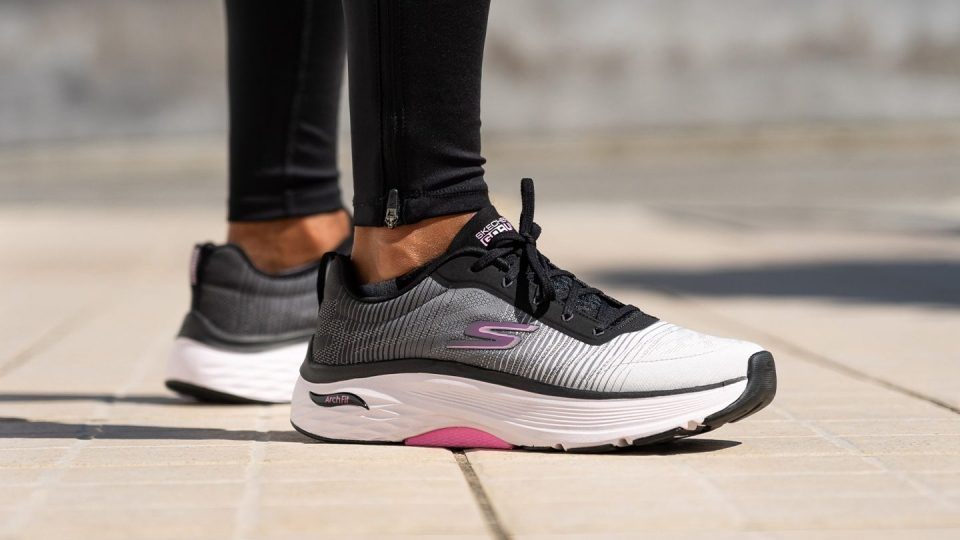
The ultimate strategy is not to find one perfect shoe, but to curate a small rotation of two to three specialized pairs. This approach, advocated by fitness experts on platforms like Quora and YouTube, ensures you always have the right tool for the conditions, extends the life of each pair by allowing materials to decompress between wears, and keeps your feet and legs adapting to slightly different stimuli, which can reduce overuse injuries. Your rotation might include a waterproof, traction-focused shoe for spring/autumn, a supremely breathable mesh shoe for summer, and a fully insulated, waterproof boot for winter. For the urban dweller, a versatile, well-cushioned all-weather sneaker from brands like Hoka or Brooks could serve as the primary shoes to walk in for three seasons, supplemented by a dedicated winter boot. Building this collection need not be prohibitively expensive. Shop off-season sales, consider factory outlet stores, and prioritize value over sheer quantity. A $150 pair of shoes that lasts 500 miles has a lower cost-per-mile than a $60 pair that fails at 200 miles and causes discomfort.
Your path through the year is a story written with every step. By applying a lens of informed intentionality—prioritizing biomechanics, respecting material science, and anticipating seasonal extremes—you transform shoe selection from a mundane chore into a strategic act of self-care. The right footwear empowers your adventures, protects your body, and provides the silent, reliable foundation upon which daily life and extraordinary journeys are built. Step forward with confidence, in every season.
