

The Ultimate Guide to Choosing Shoes That Walk With You
Forget about shoes that merely cover your feet. We are talking about finding a partner for every step you take—a pair of shoes to walk that moves in harmony with your body, understands your terrain, and supports your journey from the first mile to the last. This isn’t about fleeting fashion; it’s about a foundational tool for your mobility and well-being. The right pair can transform a chore into a joy, while the wrong one can lead down a path of discomfort and injury. Let’s move beyond marketing slogans and delve into the anatomy, science, and philosophy of selecting footwear that truly walks with you.
The Foundation: Understanding Your Foot’s Architecture
Before you can choose a shoe, you must understand the machine it houses. Your foot is a marvel of biological engineering, comprising 26 bones, 33 joints, and over 100 muscles, tendons, and ligaments. This complex structure is designed for both stability and propulsion. When you walk, your foot undergoes a precise sequence of events: heel strike, foot flat, mid-stance, heel-off, and toe-off. This is the gait cycle. A proper shoes to walk must facilitate this natural motion, not hinder it. Consider the arch of your foot—it acts as a natural shock absorber. Flat feet (pes planus) or high arches (pes cavus) significantly alter how force is distributed. As Dr. James Ioli, Chief of Podiatry at Brigham and Women’s Hospital, has noted, “Footwear is the interface between the body and the ground. Its design can either correct for, or exacerbate, underlying biomechanical issues.” Ignoring your foot’s architecture is like building a house on an unsteady foundation; problems are inevitable.
Decoding Shoe Anatomy: More Than Just a Sole
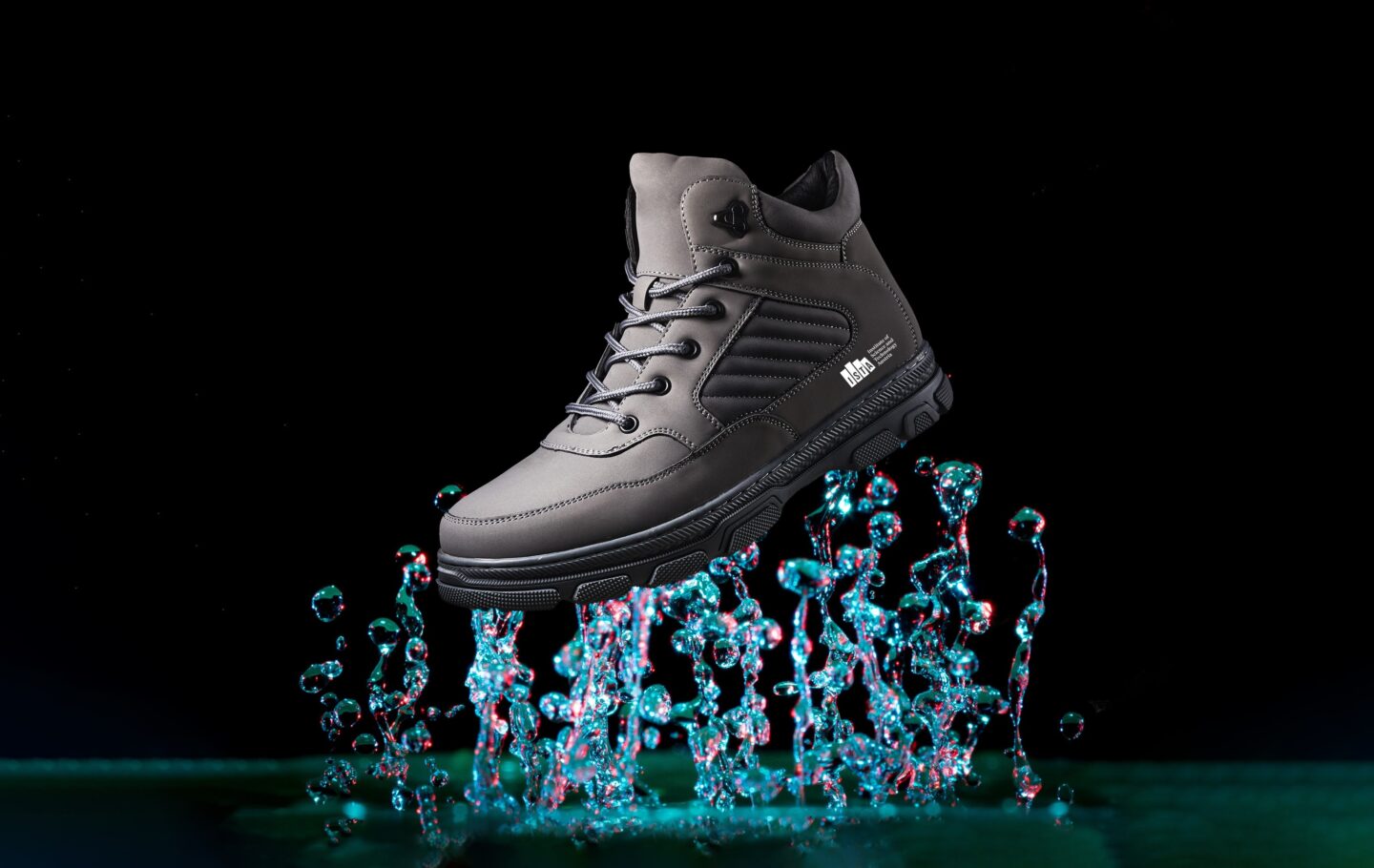
A shoe is a system of interconnected components, each with a critical role. The upper, often made from mesh, leather, or synthetic materials, should offer breathability and a secure, non-constricting fit. The toe box must be wide and tall enough to allow your toes to splay naturally with each step—a concept championed by the “barefoot shoe” movement and supported by research into natural foot function. The midsole is the heart of the shoe. This is where cushioning technologies like EVA (ethylene-vinyl acetate), polyurethane, or proprietary gels (like Asics’ GEL) reside. However, cushioning is not a simple “more is better” equation. A 2019 meta-analysis published in the Journal of Sport and Health Science suggested that excessive cushioning can actually decrease proprioception (your body’s awareness of its position) and may lead to altered striking patterns. The outsole provides traction; its pattern and rubber compound determine grip on various surfaces. Finally, the heel counter—the firm cup at the back—should be sturdy to control heel motion and provide stability. Each element must be chosen with your specific gait and foot type in mind to create a cohesive shoes to walk system.
The Terrain Dictates the Tool
You wouldn’t use a hiking boot for a marathon on pavement, nor would you wear racing flats for a rocky trail. The environment is a non-negotiable factor. For urban explorers and pavement pounders, prioritize shoes with ample cushioning to absorb the relentless impact of concrete, and durable outsoles for longevity. Look for flexibility that complements the predictable, hard surface. Trail walking introduces a variable landscape of roots, rocks, and mud. Here, stability and protection are paramount. A shoe with a aggressive lug pattern for grip, a rock plate to shield your forefoot from sharp stones, and a protective toe bumper becomes essential. As renowned adventurer and author Cheryl Strayed detailed in Wild, her choice of footwear (initially ill-fitting) became a central character in her journey on the Pacific Crest Trail, underscoring how the terrain directly dictates physical experience. For mixed surfaces or light gravel paths, a hybrid shoe with moderate cushioning and a versatile outsole offers the best compromise. The right shoes to walk acts as an appropriate tool for your chosen environment, enhancing safety and enjoyment.

The Fit: A Personal Covenant
Sizing is a crude approximation; fit is a personal covenant between your foot and the shoe. Always get fitted in the afternoon or evening, as feet naturally swell throughout the day. There should be about a thumb’s width (roughly 1/2 inch) of space between your longest toe (which isn’t always the big toe) and the end of the shoe. Width is equally critical—your foot should not spill over the midsole, nor should there be excessive empty space. Lacing techniques can micro-adjust fit: a runner’s loop can lock the heel, while skipping eyelets can relieve pressure on the instep. Remember, a shoe should feel secure and supportive from the first step, with no “break-in” period required for quality walking shoes. As the old adage from expert fitters goes, “You don’t break in shoes; they break you in.” A proper fit ensures the sophisticated technologies within the shoe are positioned correctly to work for you, making it a true partner in your stride.
Beyond the Hype: Evaluating Technology and Marketing
The footwear industry is rife with proprietary technologies: air capsules, energy-returning foams, carbon fiber plates, and “rocker” soles. While some are backed by biomechanical research, others are primarily marketing. Take, for instance, the carbon plate in long-distance running shoes. Studies, including those from the University of Colorado Boulder, have demonstrated its efficacy in improving running economy by reducing energy loss at the metatarsophalangeal joints. For walkers, the benefit is less pronounced but can translate to a more propulsive feel. Conversely, “rocker” or “rolling” soles, designed to promote a smooth heel-to-toe transition, can be beneficial for those with limited ankle mobility but may feel unstable for others. The key is to understand the principle behind the technology. Does it aim to improve efficiency, enhance stability, or manage impact? Your body will be the ultimate judge. As noted biomechanist Dr. Benno Nigg famously proposed with his “Preferred Movement Path” theory, the body will seek its own optimal movement pattern, and an ideal shoe allows it to do so with minimal interference. Let functionality, not flashy terms, guide your choice of shoes to walk.
Investment and Value: Cost Per Mile
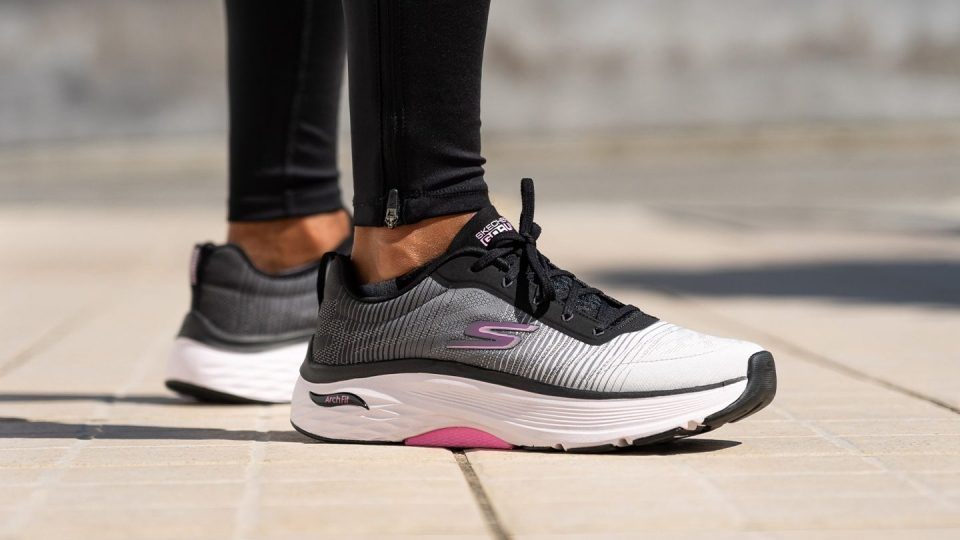
Viewing footwear as an investment in your health reframes the cost conversation. A high-quality pair of walking shoes typically has a lifespan of 300 to 500 miles. Beyond that, the midsole foam compresses and loses its resiliency, even if the outsole looks intact. Wearing worn-out shoes is a primary contributor to overuse injuries. Therefore, consider the “cost per mile.” A $150 shoe that lasts 450 miles costs about $0.33 per mile. A $60 shoe that breaks down at 200 miles costs $0.30 per mile and may offer less protection. The value proposition includes not just durability, but also the quality of materials, the sophistication of support systems, and the potential to prevent costly medical issues. To bring professional knowledge and discounted prices to users, it pays to shop during seasonal sales, consider previous-year models which often have the same core technology at a lower price, and subscribe to retailers’ newsletters for exclusive offers. Investing in the right tool is cheaper than paying for the consequences of the wrong one.
Your Stride, Your Story
Ultimately, the perfect pair of shoes to walk is a deeply personal discovery. It listens to the rhythm of your steps, whether they are slow and meditative or brisk and purposeful. It supports your narrative—the daily commute, the weekend exploration of a new neighborhood, the dedicated training for a charity walk. It is not defined by a brand logo or a celebrity endorsement, but by the silent agreement it makes with your body. It is the piece of gear that, when chosen wisely, disappears from your consciousness, allowing you to be fully present in the act of movement itself. Your journey is unique, and your footwear should be its faithful, informed companion from the very first step to the ten-thousandth.
:max_bytes(150000):strip_icc()/tal-walking-shoes-test-on-cloud-5-ashleigh-morley-01-f02f544a3dcf4b67b919b810eac77f09.jpeg)
