

The Ultimate Guide to Choosing Shoes for Every Walk of Life
Your journey begins with a single step, and the foundation of every great journey is the footwear that carries you. This isn’t about fleeting fashion or brand allegiance; it’s about the profound connection between your body, your movement, and the ground beneath you. The right pair of shoes to walk in is not merely an accessory but a tool for health, performance, and daily vitality. We navigate a world of concrete, carpet, and trail, each surface demanding a specific dialogue from our feet. This guide cuts through the marketing noise to deliver objective, science-backed insights, helping you select the perfect companion for your unique path, blending professional knowledge with smart value.
The Anatomy of a Step: Why Engineering Matters
Before considering style or price, we must understand the biomechanical event we are supporting: the gait cycle. From heel strike to toe-off, your foot undergoes complex motions of pronation (inward roll) and supination (outward roll). According to research from the Harvard Medical School’s publications on musculoskeletal health, improper footwear can exacerbate or create issues like plantar fasciitis, shin splints, and knee pain. The core components of a shoe—the outsole, midsole, and upper—each play a critical role. The midsole, often made from EVA (ethylene-vinyl acetate) or polyurethane, is the primary shock absorber. Its density and construction determine how much impact is dissipated before it travels up your skeletal structure. A study cited by the American Podiatric Medical Association emphasizes that adequate cushioning reduces peak pressure on the heel by up to 30% during walking. Furthermore, the heel counter—the firm cup at the back—must be robust to control rearfoot motion and provide stability. When you choose a pair of shoes to walk in, you are essentially selecting a piece of personalized biomechanical equipment. The goal is not to completely restrict natural foot motion but to guide it optimally, preventing excessive strain on joints and soft tissues. This scientific foundation is non-negotiable, whether you’re pacing office corridors or exploring city streets.
For the Urban Explorer: Mastering the Concrete Jungle
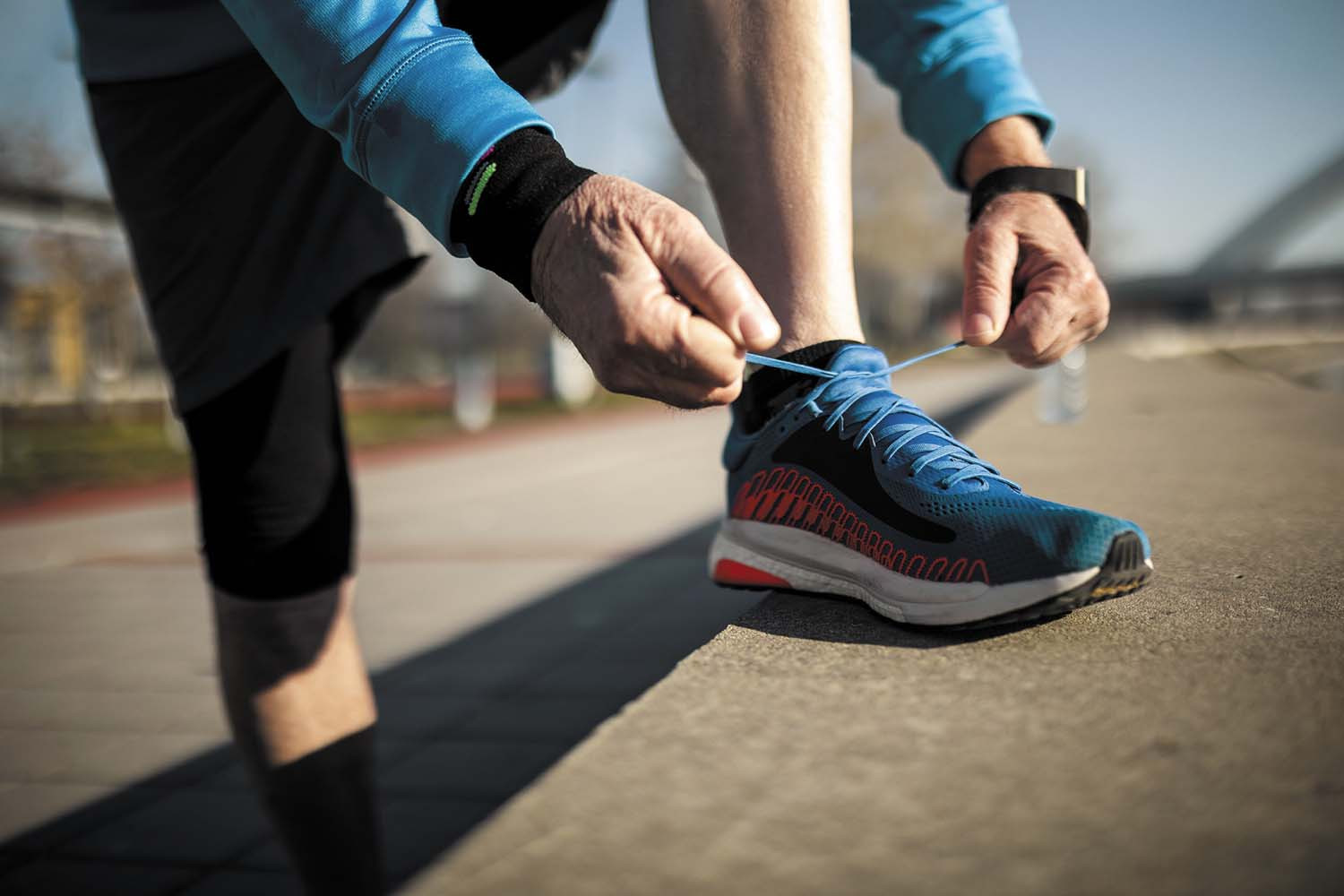
City walking presents a unique challenge: relentless, unyielding surfaces. Your daily commute, lunchtime errands, and weekend strolls demand a shoe that combines durability, comfort, and subtle style. The primary need here is consistent cushioning to combat ground reaction forces. Look for shoes with a full-length, resilient midsole. Brands like ECCO and Cole Haan often integrate proprietary cushioning technologies like FLUIDFORM™ or GRANDFØAM™, which are designed to provide all-day comfort. As noted by footwear experts on platforms like Runner’s World and Quora discussions focused on urban mobility, a slightly wider toe box is advantageous for city dwellers. It allows your feet to splay naturally upon impact, reducing the likelihood of blisters and neuromas during long periods of standing or walking. The outsole should feature a durable rubber compound with a flexible groove pattern for grip on wet pavement and polished floors. Water resistance is a valuable but often overlooked feature; a treated leather or synthetic mesh with a DWR (Durable Water Repellent) coating can make a rainy day significantly more manageable. Remember, the best shoes to walk the city in are those you forget you’re wearing—they become an extension of you, enabling miles of exploration without a whisper of discomfort. The value proposition lies in cost-per-wear: a slightly higher initial investment in a well-constructed, versatile pair often proves more economical than replacing cheap, disintegrating shoes every few months.
:max_bytes(150000):strip_icc()/tal-walking-shoes-test-on-cloud-5-ashleigh-morley-01-f02f544a3dcf4b67b919b810eac77f09.jpeg)
For the Fitness Walker: Where Purpose Drives Performance
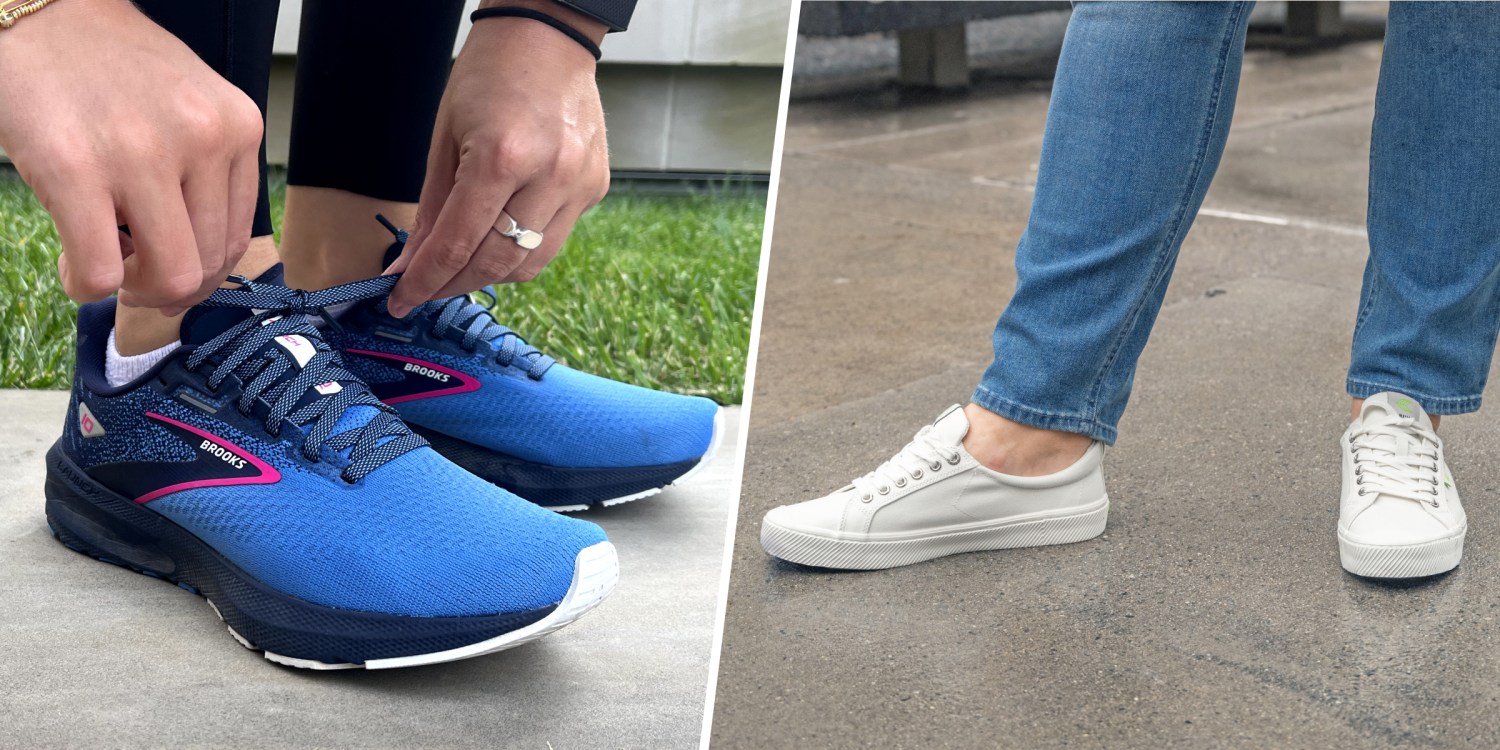
Fitness walking is a deliberate, often faster-paced activity with the goal of improving cardiovascular health and endurance. The shoes for this pursuit are closer kin to running shoes but with distinct differences. They require a balance of flexibility for a smooth roll-through and stability to maintain an efficient stride. A seminal resource, “The Complete Guide to Walking” by Mark Fenton, underscores the importance of heel-to-toe drop (or offset). Fitness walkers often benefit from a lower drop (4-8mm) compared to some traditional running shoes, as it promotes a more natural foot strike and can strengthen lower leg muscles. The rocker sole—a curved geometry that propels the foot forward—is a feature championed by brands like HOKA and is frequently highlighted in reviews on authoritative sites like Wirecutter. This design reduces strain on the Achilles tendon and calf muscles. Breathability is paramount; look for engineered mesh uppers that manage moisture and heat. As fitness influencer and certified trainer on YouTube, Caroline Girvan, often states:
“Your equipment should empower your effort, not hinder it. In walking for fitness, the right shoe isn’t a luxury—it’s the engine of your workout.”
This segment is where discounted prices on previous-year models from reputable brands offer incredible value. The core technology in performance walking shoes evolves incrementally, so last season’s top model can provide 95% of the benefit at a 40% lower cost, making high-quality performance accessible.
For the Trail Wanderer: Grip, Protection, and Resilience
Transitioning from pavement to path changes everything. Trail walking shoes are your interface with an unpredictable, often technical environment. The non-negotiable feature here is the outsole. It must feature deep, multi-directional lugs made of sticky, durable rubber compounds like Vibram® Megagrip to secure purchase on loose dirt, mud, and wet rock. Underfoot protection is equally critical; a rock plate—a thin, flexible shield embedded in the midsole—guards against sharp stones and roots. The upper must be fortified, often using abrasion-resistant materials like ballistic mesh or synthetic leather overlays to protect against brush and debris. As documented in backpacking literature from sources like the Appalachian Trail Conservancy, ankle support is a nuanced topic. While high-top boots are necessary for heavy loads or severe terrain, most day hikers find that a well-fitting, low-cut trail shoe offers greater agility and is less prone to causing blisters. Waterproof membranes like GORE-TEX® are a double-edged sword; they keep water out but also trap sweat in. For all-day comfort on varied trails, a highly breathable, quick-drying non-waterproof shoe paired with merino wool socks is often the superior strategy advocated by experienced thru-hikers on forums like Reddit’s r/CampingandHiking. Choosing the right shoes to walk on trails is about building confidence with every step, knowing your footwear is a trusted partner in stability and protection against the elements.
The Final Fitting: Beyond Size and Into Sensation
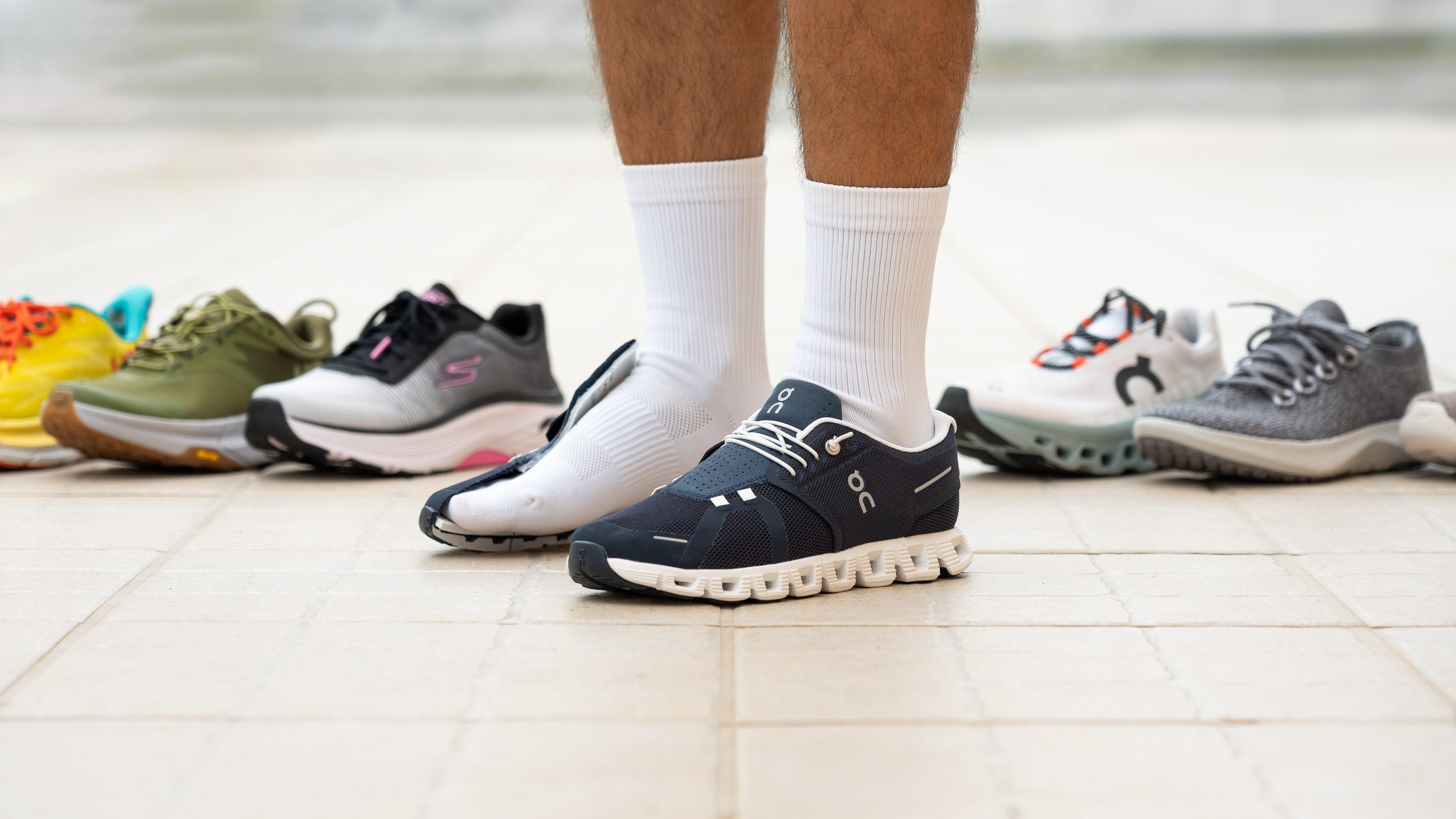
The most technologically advanced shoe is a failure if it doesn’t fit your unique foot. Sizing is merely a starting point. Key fitting principles, endorsed by podiatrists worldwide, include shopping at the end of the day when feet are naturally swollen, wearing the socks you intend to use, and ensuring a thumb’s width of space (about 1.3 cm) between your longest toe and the end of the shoe. Width is as crucial as length; pressure on the sides of the foot can lead to painful conditions like bunions. Don’t assume your size is universal—try on multiple brands and models. The sensation you seek is secure hold at the heel and midfoot, with ample room for your toes to wiggle freely. The shoe should feel good immediately; the myth that all shoes require a lengthy “break-in” period is largely debunked by modern footwear design. A proper fit is the ultimate form of preventative care, transforming a simple pair of shoes to walk in into a daily source of support. This knowledge, paired with savvy shopping—such as subscribing to brand newsletters for flash sales or using price comparison tools—ensures you secure both professional-grade footwear and a discounted price, investing not in a brand, but in your own sustained mobility and well-being.
Your path is singular, but the principles of smart footwear selection are universal. From the engineered response to biomechanics to the tailored demands of your environment, the perfect shoe exists at the intersection of science, purpose, and personal fit. It’s an investment that pays dividends with every comfortable, supported, and confident step you take, wherever your walk of life may lead you.
