Styling Secrets: How to Elevate Your Outfit with Black Heels and Red Bottoms
In the lexicon of fashion, few items command as much instant recognition and transformative power as a pair of black heels with red bottoms. They are not merely footwear; they are a statement, an attitude, and a masterclass in sartorial alchemy. This article delves into the objective principles behind their iconic status, offering a scientific and cultural dissection of how these shoes elevate an ensemble from ordinary to extraordinary. We will move beyond subjective taste to explore the psychology of color, the geometry of design, and the sociology of status symbols, arming you with professional knowledge to make these legendary pieces work for you.
The Anatomy of an Icon: Deconstructing the Power
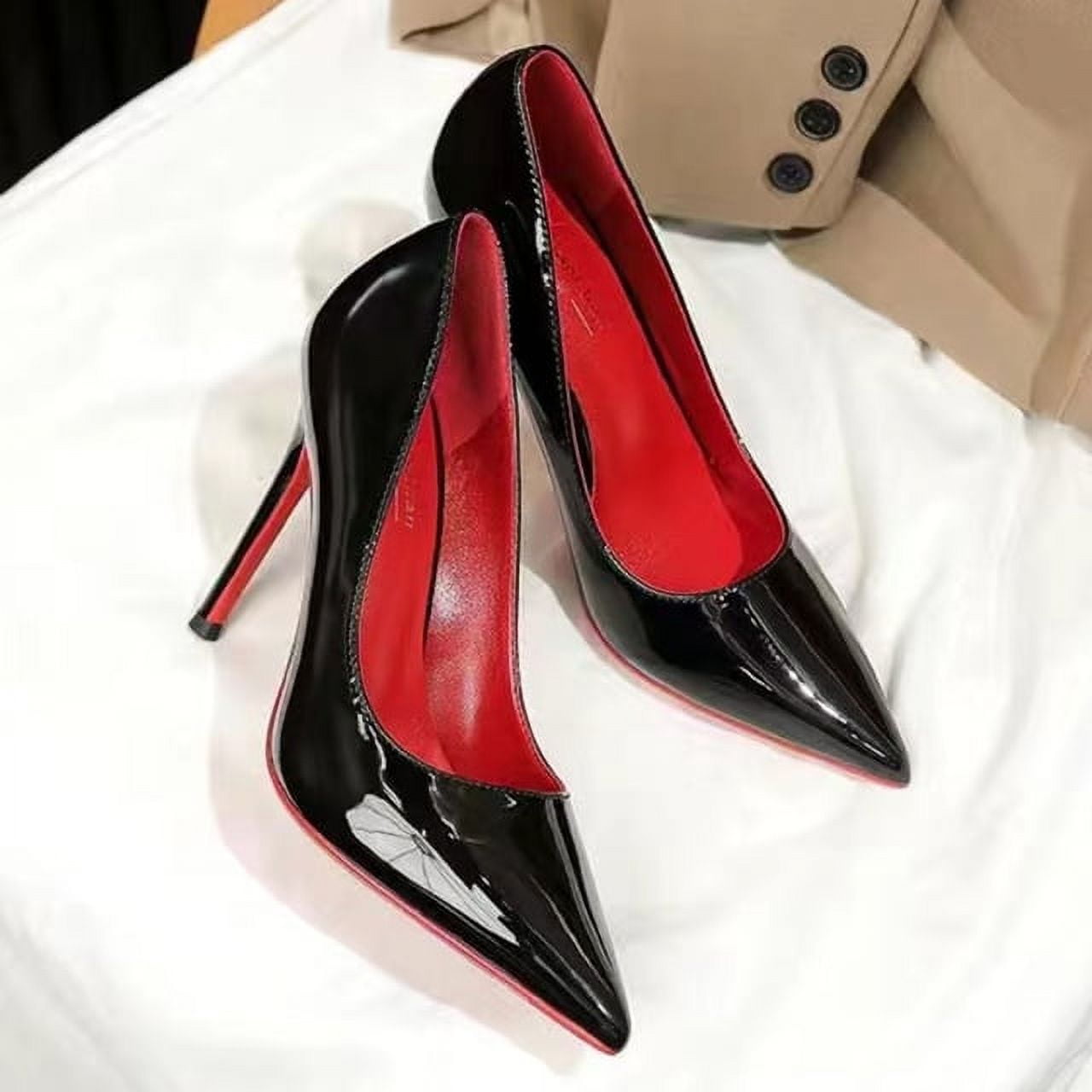
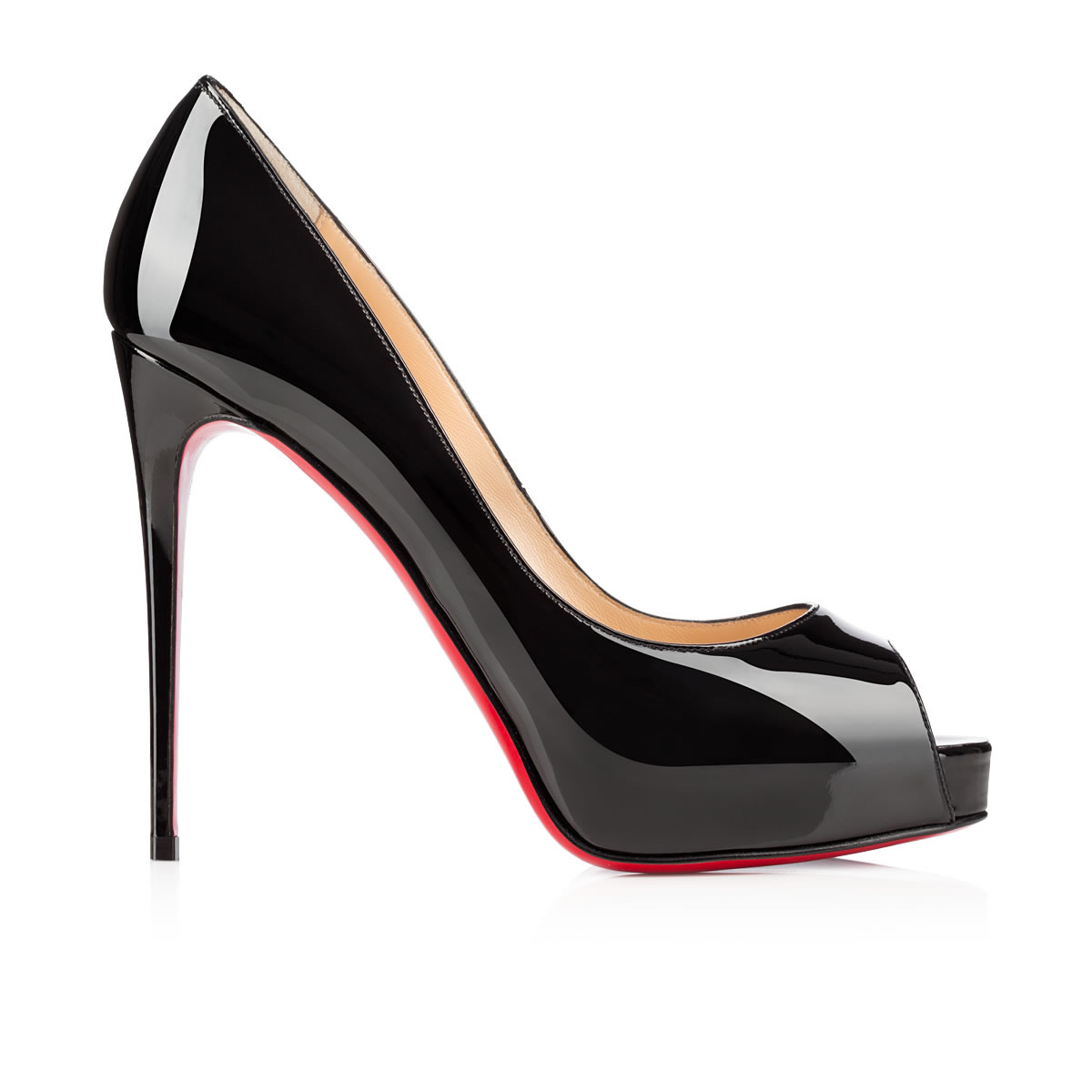
To understand the impact of black heels with red bottoms, one must first dissect their components. The combination is a study in contrast and cognitive psychology. Black, as noted in color theory resources from institutions like the Pantone Color Institute, is universally associated with sophistication, power, authority, and elegance. It is a non-color that absorbs light, creating a slimming, elongating silhouette for the foot and leg. The red sole, however, is a burst of high-visibility, high-arousal color. Research in visual perception, often cited in design literature from sources like Stanford’s d.school, indicates that red attracts immediate eye fixation. It creates a focal point at the base of the body, subtly guiding the observer’s gaze upward along the line of the leg—a principle known as “visual leading.” This is not an accidental design choice. As Christian Louboutin himself stated in an interview with The New Yorker, the red sole was conceived as a deliberate, provocative signature, akin to a lipstick stain, meant to hint at seduction and ownership of one’s style. The shoe’s architecture, often featuring a sharply pointed toe and a steep, arch-defining heel (the “Pigalle” or “So Kate” silhouettes are quintessential), employs geometric principles to alter posture and proportion. The elevated heel tilts the pelvis and straightens the spine, projecting an innate confidence, while the pointed toe visually extends the leg line, a trick rooted in classical art techniques for elongating form.
From Red Carpet to Power Suit: Versatility in Application
The true genius of the black heels with red bottoms lies in their chameleonic versatility. This is not a shoe confined to evening glamour. Consider its application across scenarios. In a corporate environment, pairing them with a tailored, monochromatic pantsuit breaks the potential severity of the ensemble. The flash of red underfoot becomes a discreet but undeniable signal of personal power and attention to detail—a non-verbal cue analyzed in sociological studies of professional attire as a marker of competence and ambition. For a daytime event, such as a gallery opening or a sophisticated lunch, they can ground a flowing, bohemian-style midi dress, providing the necessary structure and edge to prevent the look from becoming overly soft. The contrast creates a compelling tension between ease and precision. Of course, for evening wear, their prowess is unmatched. A simple little black dress is utterly reinvented; the shoes become the focal point, the exclamation mark to an otherwise understated sentence. This transformative ability is echoed in the philosophies of stylists like Rachel Zoe, who often speaks of the “elevating basic” – a single, powerful item that raises the quotient of an entire outfit. The black heels with red bottoms are the quintessential elevating basic. They perform a sartorial calculus, adding value through association (luxury), psychology (confidence), and pure aesthetics (striking contrast).

The Cultural Currency: More Than Just Shoes
To wear these shoes is to tap into a rich vein of cultural symbolism. They are what sociologist Thorstein Veblen would term a “conspicuous consumption” item, but their significance has evolved. As documented in media analyses from Forbes and The Business of Fashion, the red sole has transcended its luxury origins to become a globally recognized metonym for achieved success, aspiration, and feminine authority. It appears in countless song lyrics, from Jennifer Lopez to Cardi B, serving as a shorthand for luxury and self-made status. In film, from The Devil Wears Prada to Sex and the City, they are deployed as visual shorthand for a character’s arrival, power, or embrace of their own sexuality and ambition. This cultural imprint is powerful. When you slip on a pair, you are not just wearing a shoe; you are invoking a narrative. You are aligning yourself with a lineage of women in the public eye who have used fashion as armor and assertion. This psychological association, a form of “enclothed cognition” studied by researchers like Hajo Adam and Adam D. Galinsky, suggests that the clothes we wear can significantly influence our psychological processes. Wearing an item perceived as powerful can actually increase feelings of confidence and authority.
Mastering the Pairing: A Strategic Guide
Harnessing the power of black heels with red bottoms requires strategic pairing. The goal is to let the shoes shine without creating visual chaos. Here is a tactical breakdown. First, embrace monochrome. A head-to-toe black outfit—whether a sleek dress, a turtleneck and trousers, or a leather jacket and jeans—creates a flawless canvas. The red soles then act as a breathtaking, dramatic punctuation, the single burst of color in a controlled landscape. This approach is championed by style authorities like Victoria Beckham, whose personal uniform often relies on this precise formula. Second, play with texture. Matte black suede, glossy patent leather, or delicate lace in black all interact differently with light and the lacquered red finish, adding depth and sophistication to the look. Third, understand color blocking. While pairing with other bold colors is advanced, it can be done successfully by treating the red sole as part of a color scheme. A navy-blue sheath dress, for instance, creates a classic, preppy contrast with the red, while a deep emerald green offers a rich, jewel-toned complement. The key is to ensure the other colors are equally saturated and sophisticated to hold their own.
Investment and Accessibility: Navigating the Market
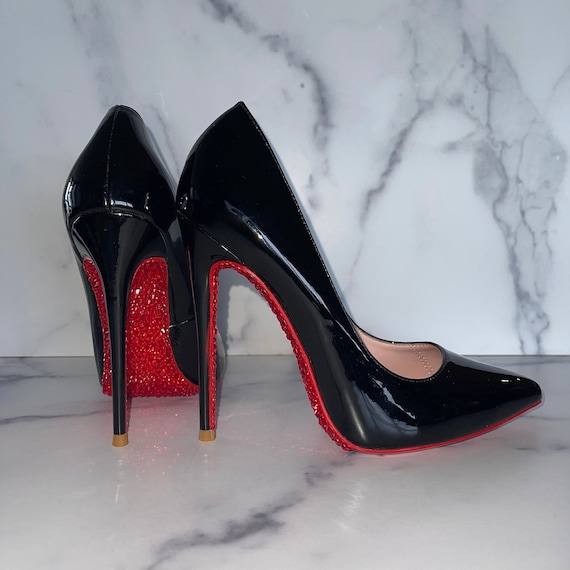
The original black heels with red bottoms by Christian Louboutin represent a significant investment, often cited as the pinnacle of luxury footwear craftsmanship. The price reflects hand-finishing in Italian workshops, premium materials, and the brand’s iconic status. However, the aesthetic and its power are not inaccessible. The market has responded with a plethora of high-quality alternatives that capture the essential silhouette and color contrast. Brands like Sam Edelman, Steve Madden, and even fast-fashion retailers offer well-constructed versions. When seeking an alternative, focus on the key elements: a clean, sharp black upper, a heel shape that flatters your arch, and a vibrant, true-red sole. The professional knowledge here is in the details: check the lining, the stability of the heel block, and the finish of the sole paint. A chipping red sole undermines the entire effect. For the discerning shopper, the secondary market on platforms like The RealReal or Vestiaire Collective can be a source for authenticated originals at a discounted price, making the iconic design more accessible. Remember, the goal is the visual and psychological impact of the design language, which can be achieved through both heritage and inspired pieces.
The Final Step: Embracing the Transformation
Ultimately, the secret to elevating your outfit with black heels with red bottoms is to understand that they are a tool for self-presentation. They demand a certain posture, both physical and metaphorical. They are not for fading into the background. From a third-person perspective, an observer doesn’t just see a shoe; they see a choice—a choice to embrace boldness, to pay attention to defining details, and to walk with intention. The click of the heel on hard ground is an auditory signature. The flash of red in motion is a fleeting, memorable visual cue. This transformation is available to anyone who understands the principles at play. Whether you choose the original masterpiece or a brilliant homage, you are employing a recognized language of style. You are using objective principles of design—contrast, line, focal point—to create a subjective impression of confidence, polish, and power. That is the true styling secret: knowledge, applied with intention, transforms clothing into communication. Let your every step speak volumes.