

Styling Black Low Heel Shoes for Every Season
In the ever-evolving landscape of fashion, few items possess the enduring versatility and quiet power of a pair of black low heel shoes. They are not merely footwear; they are a foundational statement, a sartorial anchor that provides both stability and style across the calendar’s turn. This article delves into the multifaceted role of these shoes, arguing that their strategic incorporation into your wardrobe is less about following trends and more about embracing a tool for confident, adaptable self-expression. We will navigate through seasonal styling, underpinned by objective insights into design principles and cultural significance, to demonstrate why this particular silhouette deserves its prime position in your closet.
The Anatomy of Versatility: Deconstructing the Black Low Heel
To appreciate their styling potential, one must first understand what defines this category. A black low heel shoe typically features a heel height ranging from a kitten heel (approximately 1.5 to 2 inches) to a broader, block heel of similar or slightly greater height. This design is rooted in ergonomics. As noted in podiatric literature from institutions like the University of Bristol, a low heel can offer a more favorable weight distribution compared to flat soles or high heels, reducing strain on the Achilles tendon and metatarsals. The color black, from a design perspective, is not a mere absence of light but a complex symbol. As the Victoria and Albert Museum in London highlights in its fashion archives, black has historically conveyed authority, sophistication, and neutrality—allowing the wearer’s personality and other garments to take center stage. This combination of physiological consideration and chromatic psychology creates a uniquely potent object. The shoe provides enough lift to elongate the silhouette aesthetically, without compromising the practical biomechanics of walking, all while serving as a neutral canvas. This scientific and cultural foundation is why figures from Audrey Hepburn, who famously favored low-heeled pumps for their elegance and comfort, to modern CEOs and creatives continue to rely on them. They are a confluence of form and function, a principle championed by designers like Salvatore Ferragamo, whose research into foot anatomy directly influenced shoe construction.

Spring Renewal: Transitional Elegance
As winter’s grip loosens, spring styling calls for layers, textures, and a sense of awakening. Here, the black low heel shoes act as a grounding force. Pair them with a flowing, pastel-colored midi dress; the contrast between the soft hue and the definitive black creates a visually balanced, modern look. Alternatively, consider cropped, wide-leg trousers in a light wool or linen blend, a crisp white blouse, and a pair of pointed-toe black low heels. This ensemble channels a timeless, intellectual chic reminiscent of Diane Keaton’s style or the curated minimalism found in Japanese fashion magazines like Fudge. The low heel ensures comfort for long walks under blooming cherry blossoms or navigating urban pavements. From a color theory standpoint, black serves as a “spacer” color, preventing light spring palettes from appearing washed out and adding a necessary depth. As fashion historian Valerie Steele has commented, “Black is the color that does everything. It can be serious or frivolous.” In spring, it leans towards serious elegance, providing structure to otherwise airy outfits. The key is to let the shoe’s clean line complement, not compete with, the season’s freshness.
Summer Simplicity: Effortless Cool
Summer often champions flat sandals, but low heels offer an elevated alternative that maintains ease. Imagine a sleek pair of black low-heeled mules or slingbacks. Their open design provides breathability, while the slight lift enhances a sundress or a pair of tailored shorts and a silk tank top. This is the aesthetic of French je ne sais quoi—effortless yet deliberate. Influencers and stylists from platforms like YouTube often highlight this very concept: a simple outfit transformed by considered footwear. The black shoe prevents a summer look from becoming too casual or beach-bound, injecting a dose of metropolitan polish. Think of the iconic style of Jane Birkin or the characters in Éric Rohmer’s summer-set films; their appeal lies in an unstudied sophistication where practicality and style merge. The material matters here—patent leather can add a glossy, reflective quality perfect for evening garden parties, while suede offers a softer, matte finish for daytime. The low heel is crucial; it avoids the instability of stilettos on grass or cobblestones, a practical concern often cited in travel and lifestyle blogs like Conde Nast Traveler.

Autumn Layers: Foundational Strength
Autumn is the season of texture, richness, and layered complexity. This is where black low heel shoes truly shine as a wardrobe workhorse. They are the perfect counterpoint to heavy fabrics like tweed, corduroy, and wool. A classic combination involves dark denim, a chunky knit sweater, and a pair of sturdy black ankle boots with a low, block heel. This look is both rugged and refined, echoing the utilitarian chic seen in brands like A.P.C. or the early collections of Margaret Howell. For a more formal autumnal approach, a midi skirt in a plaid pattern, opaque tights, and a pair of simple black low-heel pumps create a cohesive, scholarly vibe, akin to styles featured in campuses from Oxford to Harvard. The shoe provides a literal and figurative foundation, its dark color tying together the often deeper, earth-toned palette of fall. As the weather turns, the closed-toe design offers protection, while the low heel ensures secure footing on wet leaves or uneven paths. Fashion critics often note that autumn dressing is about “armoring” oneself against the elements with style, and these shoes are a key piece of that armor.
Winter Resilience: Polished Practicality
Winter demands warmth and resilience without sacrificing form. A sleek pair of black low-heel leather boots, perhaps with a subtle shearling lining, becomes indispensable. They pair seamlessly with everything from wool coats and tailored trousers to thick tights and wool dresses. The color black is practical in winter, hiding salt and slush marks more effectively than lighter shades, a tip frequently shared on platforms like Quora in threads about winter style maintenance. The low, often wider heel is critical for stability on icy or slick surfaces, a safety advantage over high stilettos or completely flat soles, which can lack traction. This season calls for the shoe to be a robust companion. Look to the winter styles of cities like Stockholm or Copenhagen, where fashion and function are non-negotiable equals. There, you’ll consistently see the presence of a practical, yet elegantly designed, black low-heel boot. It’s a piece that aligns with the Scandinavian philosophy of “functional beauty,” where every item must serve a purpose and please the eye. A pointed-toe variant can add a sharp, elongating line that cuts through the bulk of winter layers, maintaining a silhouette of intention.
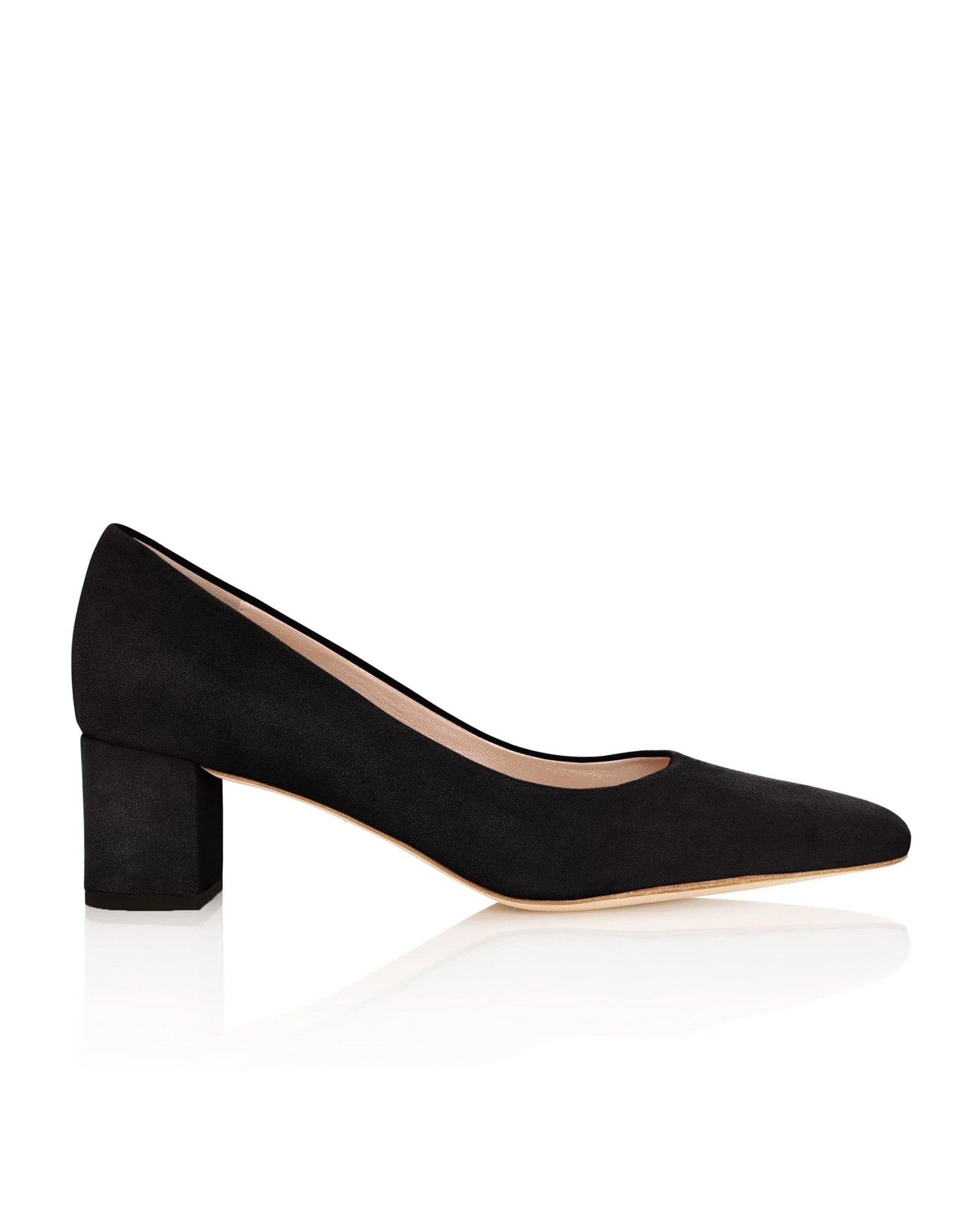
Beyond Seasons: The Professional and Social Chameleon
The utility of black low heel shoes extends beyond weather into the realms of professional and social life. In a corporate setting, they communicate competence and poise. A study on non-verbal communication in business, referenced in literature from Stanford Graduate School of Business, suggests that attire which balances professionalism with personal comfort can enhance perceived confidence. A classic black pump with a low heel fits this bill perfectly, being formal enough for presentations yet comfortable enough for a full day of meetings. For social events, from gallery openings to dinner dates, they offer a “sweet spot” of elegance and endurance. You can dance, stand, and converse without the distracting discomfort that can come with higher heels. Fashion icon Iris Apfel, known for her bold style, has often spoken about the importance of comfort, stating, “I think accessories are what make the outfit, but if you’re not comfortable, you’re not going to look good.” This wisdom underscores the value of a reliable, stylish low heel. They are a social lubricant, allowing you to engage fully in the moment rather than being preoccupied by your feet.
Investing in Your Foundation: A Note on Quality and Value
To fully harness the potential of these shoes, consider them an investment. Quality construction—goodyear welting, full-grain leather, and cushioned insoles—ensures longevity, comfort, and better support over time. While premium brands command higher prices, the cost-per-wear over years of service makes them a prudent choice. However, excellent options exist at various price points. Many contemporary brands focus on combining ethical production with ergonomic design, often offering direct-to-consumer models that provide high quality at a more accessible price, sometimes with discounts during seasonal sales or for first-time subscribers. The key is to seek out brands that prioritize both aesthetics and foot health, using materials and construction methods that are explained transparently. This approach to consumption aligns with a more sustainable and thoughtful wardrobe philosophy, moving away from fast fashion toward pieces that endure both in style and structure.
From the first blossoms of spring to the deepest chill of winter, from the boardroom to the weekend cafe, the black low heel shoes prove their unparalleled merit. They are a testament to the idea that the most powerful style choices are often the most considered and versatile. They do not shout for attention but instead provide a steady, sophisticated foundation upon which infinite personal styles can be built and lived in. Embracing them is not just about wearing a shoe; it’s about adopting a tool for confident, adaptable, and enduring self-presentation.
