

Styling 80s Sneakers for Modern Streetwear Looks
The resurgence of 80s sneakers is not merely a nostalgic blip on fashion’s radar; it’s a full-throttle reintegration of design principles that championed bold expression, technological innovation, and unapologetic individuality into the contemporary streetwear lexicon. Where modern minimalism often speaks in whispers, these vintage kicks shout in vibrant color blocks, wield chunky silhouettes, and tell stories of subcultural revolutions. To style them today is to engage in a deliberate act of sartorial archaeology, unearthing the essence of an era defined by its breakdance battles, nascent hip-hop culture, and aerobic fervor, and re-contextualizing it within the framework of 21st-century urban style. This isn’t about costume play; it’s about harnessing the foundational energy of the 1980s—a period the Victoria and Albert Museum notes as when “sportswear became a fashion statement in its own right”—to construct looks that are dynamically current, richly layered, and authentically personal. The journey from the rubberized court to the concrete jungle is complete, and the modern streetwear enthusiast is the beneficiary.
The Architectural Legacy: Deconstructing the 80s Silhouette
To understand the power of the 80s sneakers in a modern context, one must first dissect their physical and philosophical DNA. The 1980s represented a golden age of athletic shoe design, driven by a space-age optimism and a competitive surge among brands like Nike, Adidas, Reebok, and Puma. The hallmarks are unmistakable: elevated midsoles often incorporating nascent air or gel cushioning technology, reinforced high-top collars for ankle support that translated into imposing style, and uppers constructed from a riot of materials including leather, nylon, suede, and even plastic panels. This was form following a very aggressive function. As sneaker historian and author of “The Sneaker Book,” Tom Vanderbilt, observes, “The 80s sneaker was a piece of architecture for the foot. It wasn’t meant to disappear; it was meant to declare its presence.” This architectural quality is precisely what makes them so potent today. In an era where streetwear oscillates between oversized tailoring and sleek tech-wear, the substantial, grounded footprint of an 80s sneakers provides a crucial counterweight. It anchors fluid, wide-leg trousers or volumized shorts, preventing the silhouette from becoming top-heavy. The chunky sole, a direct predecessor to the modern “dad shoe” trend popularized by brands like Balenciaga, adds a literal and figurative foundation to any outfit, offering a sense of stability and retro-futuristic flair that thin-soled contemporaries cannot match.

Color Theory in Motion: Beyond Neutrals
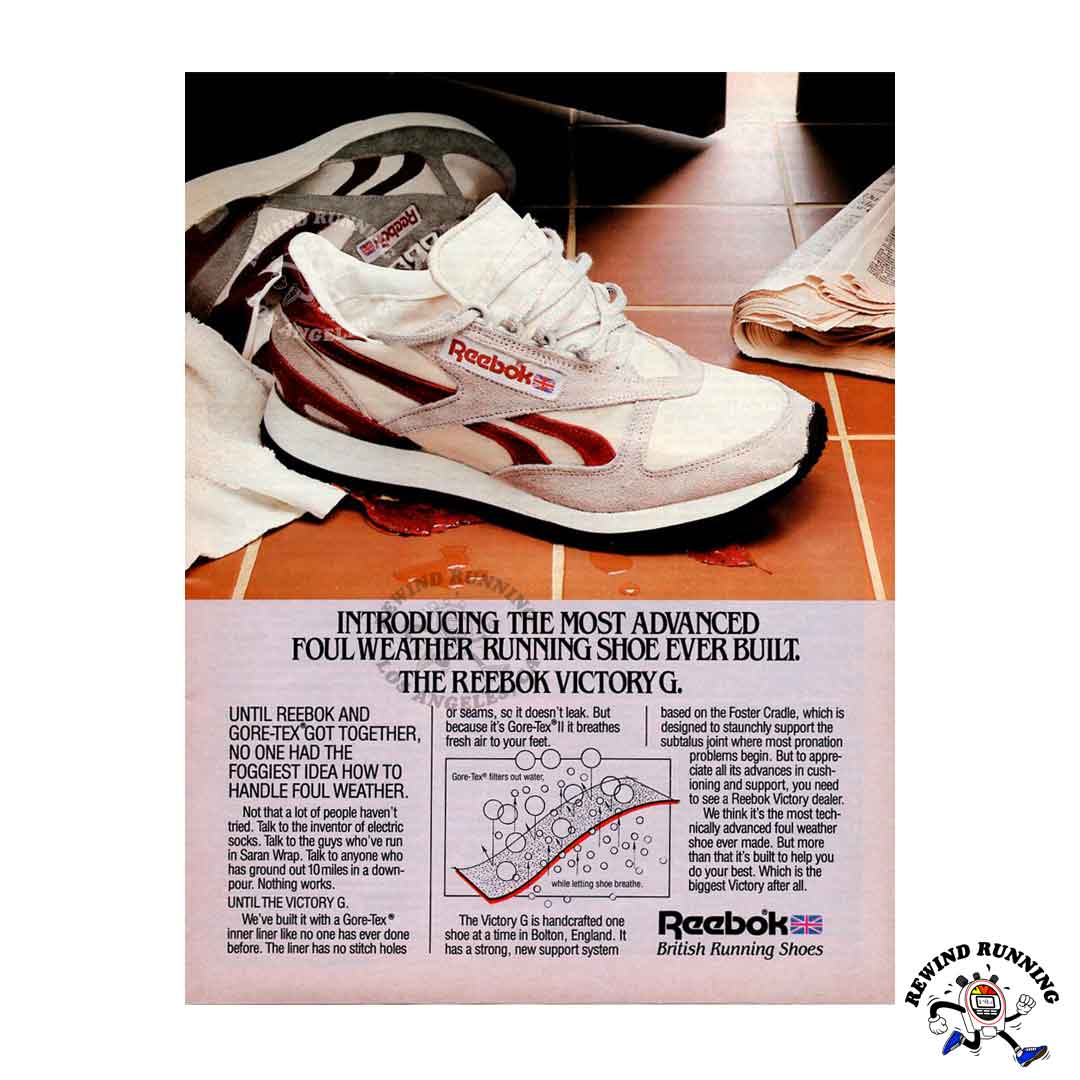
If the silhouette is the skeleton, the color palette of 80s sneakers is the vibrant lifeblood. Moving decisively away from the white-on-white or monochrome schemes of earlier decades, 80s designers embraced high-contrast, often primary color blocking. Think of the Nike Air Jordan I’s “Bred” (black/red) or “Royal” (black/royal blue) colorways, which not only defied NBA uniform regulations but also established a template for sneakers as a canvas for bold graphic statements. This approach was mirrored in Reebok’s Classic Leather with its clean white base and sharp colored accents, and the Adidas Superstar with its distinctive shell toe. From a styling perspective, these sneakers offer a masterclass in color theory for modern streetwear. Rather than building an outfit from the ground up with a neutral shoe, one can use a pair of vibrant 80s sneakers as the chromatic anchor. The key is selective harmony. Allow one dominant color from the sneaker to be echoed in a more subdued element elsewhere—a cap, the stitching on a jacket, or a simple t-shirt. This creates a cohesive loop without descending into matchy-matchy territory. The rest of the outfit can, and often should, serve as a neutral backdrop—think black denim, heather grey sweats, or beige cargo pants—to let the shoes perform as the undisputed star. This technique, endorsed by stylists from platforms like Highsnobiety, leverages the sneaker’s inherent energy to elevate a seemingly basic ensemble into a considered, fashion-forward look.
Contextual Alchemy: Pairing Vintage Kicks with Modern Pieces
The magic of integrating 80s sneakers into a modern wardrobe lies in the deliberate friction between eras. It’s an alchemical process where the old transforms the new. This is best executed through specific, strategic pairings that highlight contrast while maintaining a thread of continuity. Consider the synergy with contemporary workwear. The robust, functional aesthetic of a Carhartt Detroit jacket or engineered garments pants finds a perfect historical partner in the technical, performance-oriented design of an 80s basketball sneaker. Both share a heritage of utility, now repurposed for style. Similarly, the clean, minimalist lines of a Japanese-inspired oversized oxford shirt or a sleek nylon vest create a compelling visual tension when juxtaposed with the complex, busy design of the shoes. The simplicity of the clothing acts as a gallery wall, showcasing the sneaker as a piece of wearable art. Furthermore, don’t shy away from integrating them with luxury streetwear items. A pair of boldly colored Nike Air Max 1s (whose design lineage traces directly to 1987) peeking out from beneath the tailored hem of a pair of Fear of God sweatpants encapsulates the very essence of modern luxury streetwear: high-low mixing, comfort-as-king, and historical reverence. This philosophy is echoed in the collections of designers like Virgil Abloh, who frequently deconstructed and referenced 80s athletic wear, stating in an interview with GQ that “the 80s gave us a language of aspiration and accessibility in fashion that we’re still decoding.”
The Subcultural Bridge: From Then to Now
Wearing 80s sneakers is inherently an act of connecting with the subcultures that birthed and championed them. These were not just shoes; they were uniforms for cultural movements. The Adidas Superstar was inextricably linked to the birth of hip-hop, famously worn by Run-D.M.C. who immortalized them in the song “My Adidas.” The Nike Cortez, though from the 70s, saw massive 80s adoption in West Coast gang culture and later Chicano style, as noted in academic works like “The Chicano Studies Reader.” The Reebok Freestyle became the iconic shoe for the aerobics craze, symbolizing female athleticism and empowerment. When you wear these models today, you are, consciously or not, tapping into these powerful narratives. Modern streetwear is itself a tapestry of subcultural references—skate, surf, hip-hop, high fashion. Incorporating an authentic piece from one of its foundational eras adds depth and authenticity. It moves an outfit beyond mere trend-following into the realm of cultural participation. Styling them with a graphic tee referencing 80s arcade culture, a vintage sports jersey, or even contemporary pieces that play with those motifs (like a cyberpunk-inspired jacket) creates a dialogue across decades. It acknowledges that today’s streetwear, as defined by platforms like Hypebeast, is a living history, constantly re-interpreting its past.

Practical Curation: Building Your Retro Rotation
Embarking on the journey of styling 80s sneakers requires thoughtful curation. The market is vast, spanning pristine deadstock finds, faithful retro re-releases, and well-worn vintage pairs. For the modern stylist, re-releases often offer the best balance of authentic aesthetics, modern comfort technology, and wearable condition. Key models to consider form the pillars of a versatile retro rotation. The Nike Air Force 1 High (1982) remains the quintessential canvas for both bold and clean looks. The Reebok Club C 85 offers a minimalist, tennis-inspired white leather profile that serves as a more subtle gateway. The Adidas Forum Hi (1984), with its iconic ankle straps, provides high-top drama and historical basketball pedigree. The New Balance 990 series (first released 1982), though often understated, embodies the decade’s focus on technical innovation and “made in USA” quality, a favorite in both Ivy League and streetwear circles. When sourcing, prioritize condition and authenticity. Reputable reseller platforms, brand-owned retro lines, and specialized vintage stores are your allies. Remember, the goal is integration. Start with one statement pair that resonates with your personal color story, and build outfits around it. As you grow more confident, expand into more daring models and colorways, creating a wardrobe where these historical artifacts feel as essential and current as your favorite hoodie or pair of jeans.

The true testament to the power of 80s sneakers in modern streetwear is not found in a museum exhibit but on the bustling sidewalks of today’s cities. They have transcended their original athletic brief to become versatile tools for self-expression, connecting dots between decades of cultural history and personal style. Their bold architecture teaches us about proportion, their vibrant color palettes instruct us in boldness, and their rich histories offer a layer of meaning beyond the material. Styling them is not an exercise in mere replication; it is an ongoing conversation with design history. It proves that the most compelling streetwear looks are built not by erasing the past, but by thoughtfully, energetically rewriting it for the present. So lace up a pair, feel the substantial grip of that heritage sole on the pavement, and step forward—your outfit is now part of a continuum that started forty years ago, and shows no sign of stopping.
