

How to Style Blue Heels for Every Season
Blue women’s heels are not just a footwear choice; they are a statement piece, a versatile anchor for your wardrobe that transcends fleeting trends. From the soft whisper of powder blue to the profound depth of navy, this singular color offers a spectrum of possibilities. This guide moves beyond superficial styling tips, delving into the objective principles of color theory, seasonal adaptation, and cultural context to empower you to wear your blue women’s heels with confidence and scientific flair throughout the entire year.
The Chromatic Foundation: Understanding Blue’s Versatility
Before we step into seasonal specifics, we must establish why blue is uniquely positioned as a neutral in disguise. Scientifically, blue occupies a vast portion of the visible light spectrum and is a primary color in both the RGB (additive) and CMYK (subtractive) color models. This fundamental status gives it a stability that other hues lack. In color psychology, extensively documented by institutions like the Pantone Color Institute, blue is consistently associated with trust, calm, and intelligence. However, its sartorial power lies in its duality. As noted by fashion historian Dr. Valerie Steele in her publications for The Museum at the Fashion Institute of Technology, “Blue’s journey from a utilitarian workwear color to a symbol of elegance is a testament to its adaptive cultural meaning.” A navy heel carries the authority of a uniform, while a cobalt stiletto channels electric modernity. This inherent range—from serene to vibrant—is what allows a single pair of blue women’s heels to serve multiple stylistic functions. Whether you’re referencing the timeless appeal of Dorothy’s ruby slippers (but in sapphire) or the iconic cerulean monologue from The Devil Wears Prada, which meticulously traces the trickle-down of a single shade from the runway to the discount store, the point is clear: a carefully chosen blue is never an accident, but a calculated sartorial decision.

Spring: Awakening with Pastel and Sky Hues
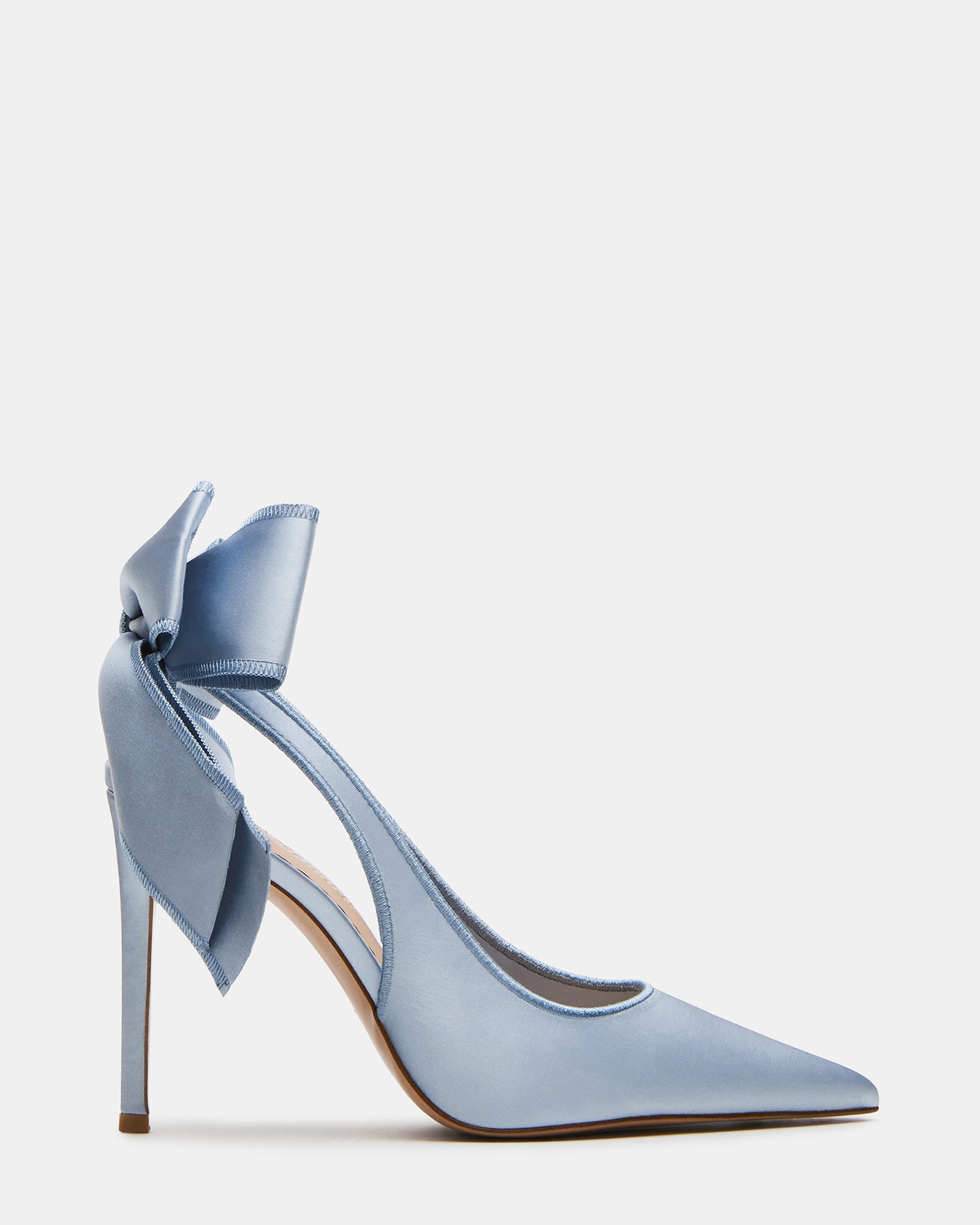
As the world thaws and blooms, your footwear should reflect the renewed lightness. Spring calls for the lighter members of the blue family: pastel blue, powder blue, and sky blue. The objective here is to create harmonious or fresh complementary pairings. A scientific approach involves using the color wheel. Analogous harmony, using colors next to blue, is effortlessly achieved. Pair your pale blue women’s heels with a lavender midi dress or mint green tailored trousers. This combination is gentle on the eyes and evokes the soft palette of a spring garden. For a more dynamic look that still feels seasonally appropriate, consider a split-complementary scheme. A powder blue heel can be the surprising, elegant counterpoint to an outfit built around peach or a soft coral pink—colors directly opposite blue’s neighbors on the wheel. This isn’t mere opinion; it’s a principle derived from Goethe’s and Itten’s theories of color interaction, taught in foundational courses at art and design schools worldwide. Fabric choice amplifies the effect. Satin or suede finishes on the heel mimic the delicate textures of the season. Imagine a sky-blue satin pump paired with a crisp white shirt-dress; the outfit is clean, optimistic, and scientifically sound in its color balance. As fashion influencer Aimee Song often demonstrates on her platforms, such a look bridges casual and formal, perfect for garden parties or refreshed office wear.
Summer: Embracing Electric Blues and Casual Cool
Summer’s intense light and energy demand a bolder response. This is the season for royal blue, cobalt, and turquoise—colors with higher saturation and visual weight. The styling logic shifts from harmony to vibrant statement and temperature play. Scientifically, these blues have a shorter wavelength but high intensity, making them appear more active and dominant. A pair of cobalt block heels doesn’t just accessorize an outfit; it becomes its focal point. The key objective is to prevent the look from becoming overwhelming. The most effective method is grounding the vibrant shoe with neutral tones. A simple tan linen jumpsuit or a classic denim skirt and white tee allow the electric blue of the heels to pop without competition. This technique, often showcased by stylists like Rachel Zoe, relies on the principle of figure-ground relationship from visual perception studies. Furthermore, consider the cultural context of summer blues: turquoise and aqua are eternally linked to the sea and sky, making them psychologically cooling. A turquoise strappy sandal heel worn with a flowing white maxi dress doesn’t just look stylish; it feels intuitively right for a beachside dinner. The material here is crucial—patent leather or metallic finishes reflect sunlight, adding to the vibrant, playful summer aesthetic.
Autumn: Transitioning to Deep Navy and Earthy Tones
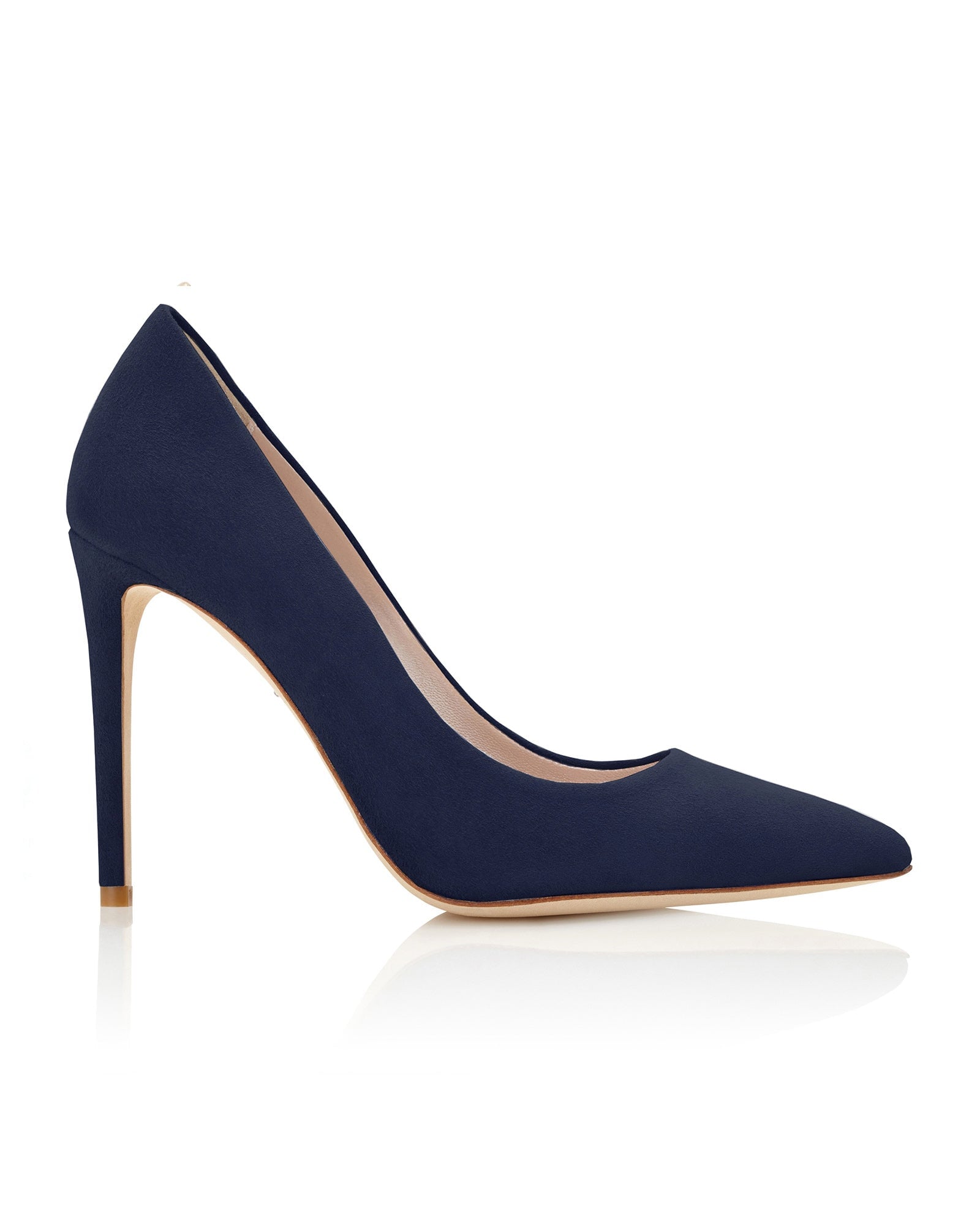
Autumn introduces a richer, more subdued palette, and your blue heels should follow suit. Navy, steel blue, and deep teal become your go-to choices. The scientific styling principle for this season is one of analogous and warm complementary blending. Navy is arguably the most versatile member of the blue family. As an article from The Business of Fashion has argued, navy is “the new black” for its equal formality yet softer contrast. It sits comfortably alongside autumn’s earthy tones—mustard yellow, burnt orange, olive green—not through direct contrast, but through a shared depth and muted saturation. This creates a sophisticated, cohesive look that mirrors the changing landscape. A pair of navy suede ankle boots with a stacked heel, paired with a camel wool coat and a rust-colored scarf, is a masterclass in autumnal color theory. The look is warm, layered, and intellectually satisfying because the colors share a common chromatic complexity. From a practical standpoint, the deeper hue of these blue women’s heels is also more forgiving of seasonal elements like fallen leaves or early evening events. The styling moves away from the stark contrasts of summer and into a realm of blended, luxurious texture and tone.
Winter: Commanding with Royal Blue and Metallic Accents
Winter styling is about creating impact against a often-monochromatic backdrop. This is where royal blue and inky indigo come into their own, often enhanced with metallic or velvet textures. The objective is to employ high-contrast pairings and luxurious materiality. Scientifically, a rich royal blue against stark black, white, or grey creates a high level of visual contrast, making both elements appear more vivid and defined—a principle used extensively in winter holiday marketing and fashion editorials. A pair of royal blue velvet pumps with a delicate stiletto heel instantly elevates a simple little black dress from cocktail standard to holiday gala-ready. Furthermore, don’t shy away from incorporating blue heels into festive metallic schemes. A sapphire blue heel with a subtle silver glitter cap toe can be paired with a silver sequined skirt, using the shared cool undertones to create a unified, icy elegance. This approach is validated by the red-carpet choices of celebrities like Lupita Nyong’o, who masterfully uses deep, jewel-toned footwear as a powerful accessory. The blue women’s heels in winter act as a beacon of color, defying the gloom with chromatic confidence. They provide a professional yet striking alternative to black for holiday parties and important year-end meetings, offering both psychological lift and sartorial authority.

Beyond Color: The Architecture of the Heel
While color is our primary variable, the silhouette and design of the heel itself are critical co-factors in seasonal styling. This is where professional knowledge directly impacts your comfort and the outfit’s success. A summer strappy sandal heel prioritizes breathability and a light visual feel, while an autumn closed-toe pump or bootie provides structure and warmth. The block heel, a trend with roots in both practical comfort and 1970s retro design, offers stability for navigating spring showers or autumn cobblestones. The stiletto, an engineering marvel that redistributes weight, remains the pinnacle of formal elegance for winter events. Understanding this architecture allows you to invest wisely. For instance, a well-constructed navy kitten heel pump from a brand known for ergonomics (often citing research from podiatry or biomechanics in their design) can be a year-round workhorse, transitioning seamlessly from spring suits to winter tweed with only minor accessory changes. This knowledge empowers you to seek out brands that offer both style and substance, often finding discounted prices on previous season’s classic silhouettes—like a timeless cobalt slingback—which form the true backbone of a versatile shoe collection, far more than any fleeting trend.
Ultimately, mastering your blue women’s heels is an exercise in applied color science and intentional design. By understanding the emotional and visual weight of different shades, and pairing them with seasonally appropriate textures and silhouettes, you unlock a tool of immense stylistic power. Let your blue heels be your signature—a constant variable that adapts brilliantly to the changing world around you, proving that with knowledge, a single color can tell a thousand stories.
