

How to Style Air Force Sneakers for Effortless Everyday Cool
Forget chasing trends. True style isn’t about the loudest statement; it’s about mastering the quiet confidence of a wardrobe staple. At the heart of this philosophy lies a singular icon: the air force sneakers. More than just footwear, they are a cultural canvas, a design principle made tangible, and the ultimate tool for building looks that feel both intentional and utterly relaxed. This isn’t about following a prescriptive guide, but about understanding the design language and cultural weight of the Air Force 1 to unlock its full potential in your daily rotation.
The Foundation: Why the Air Force 1 Endures
To style something effectively, you must first understand its essence. Released in 1982, the Nike Air Force 1 wasn’t the first basketball shoe with Nike Air technology, but it was the first to carry that name. Its genius lies in its architectural purity. Designer Bruce Kilgore took inspiration from a hiking boot, creating a cupsole that provided unparalleled stability—a “force” on the court. The clean, white-on-white colorway, known as “Uptowns,” offered a blank slate. As cultural critic and author Paul M. Farber notes in his work on material culture, “Iconic objects often serve as palimpsests, upon which communities inscribe their own meanings.” This is precisely the fate of the air force sneakers. After its initial retirement, the shoe was resurrected in 1986 due to overwhelming demand from Baltimore, a story cemented in sneaker lore, transitioning it from a performance tool to a cultural artifact. Its bulky silhouette, the contrasting jewel swoosh, the ankle strap—these are not arbitrary details. They are design codes that communicate durability, heritage, and a grounded aesthetic. Styling them “effortlessly” means working with this language, not against it.
Principle One: Contrast is Key
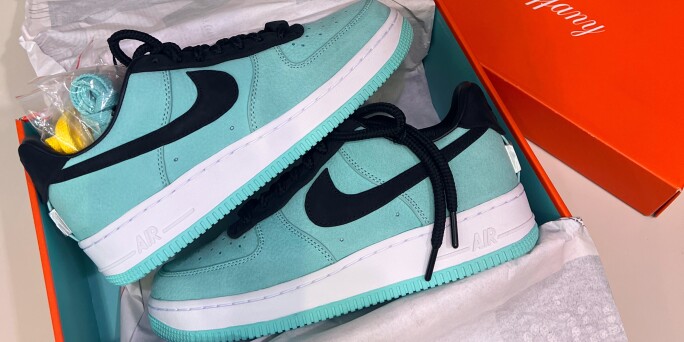
The inherent bulk and substance of the Air Force 1 demand balance. The most common misstep is pairing them with other oversized, baggy items from head to toe, which can lead to a sloppy, bottom-heavy silhouette. The scientific principle at play here is visual weight distribution. The clean, chunky lines of the shoe act as an anchor. To achieve “effortless cool,” you must create a counterpoint. This is where tailored, streamlined pieces come in. Imagine a pair of straight-leg, non-distressed denim with a precise break just above the shoe’s collar. The denim’s vertical line contrasts with the shoe’s horizontal solidity, creating a dynamic tension. Similarly, a well-fitted chore jacket or a simple, heavyweight cotton tee provides a sleek torso that allows the air force sneakers to be the foundational statement without overwhelming the frame. As style commentators from platforms like The Everyday Man often emphasize, “The shoe should complement the outfit, not compete with it.” This contrast principle applies to fabrics as well. Pairing the sneaker’s robust leather or suede with soft, flowing materials like linen or fine wool in warmer months creates a sophisticated, tactile dialogue.
Principle Two: Color as a Strategic Tool
The classic white-on-white Air Force 1 is a gift to personal style. It operates under the design theory of neutrality, allowing for maximum versatility. You can approach color in two effective ways. The first is tonal dressing. Building an outfit in shades of beige, cream, grey, and black allows the stark white of the sneakers to pop as a crisp, defining element. This method projects a minimalist, considered cool. The second approach is strategic accenting. Let the pure white sneakers be the neutral base, and introduce a single, bold color elsewhere—a rust-colored corduroy pant, a forest green utility vest, or even a brightly colored sock peeking over the collar. This draws the eye through the outfit and highlights the sneaker’s role as the stable foundation. Remember the words of legendary designer Dieter Rams: “Good design is as little design as possible.” The white air force sneakers embody this; they are the “less” that enables “more” elsewhere in your ensemble.
Beyond Basics: The AF1 in Elevated Contexts
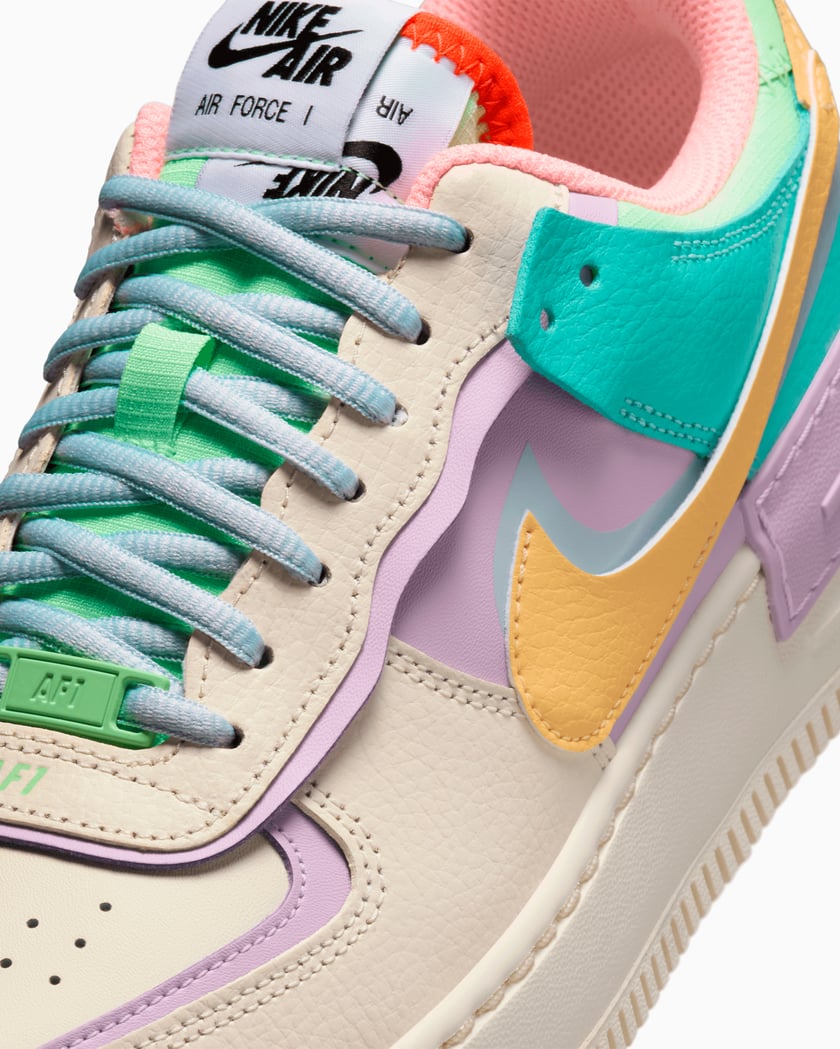
The notion that sneakers and tailoring are incompatible is obsolete. The key lies in intentional juxtaposition. The structured, formal lines of a suit are brilliantly subverted by the casual, grounded presence of a clean pair of Air Force 1s. This isn’t just a style hack; it’s a modern redefinition of dress codes. For this to work, fit is paramount. The suit should be contemporary—slim or classic fit, not boxy. A navy wool blazer paired with grey wool trousers, a crisp white shirt (or a high-quality knit polo), and pristine white air force sneakers creates an authoritative yet approachable look, perfect for creative industries or smart-casual events. The sneaker’s bulk is offset by the suit’s sharp silhouette, creating a balanced, confident aesthetic. As seen in the wardrobes of style-forward figures in tech and media, this pairing signals a command of both tradition and contemporary culture.
Principle Three: Embracing Genderless Style
The Air Force 1 has always transcended gender. Its design is fundamentally architectural, not gendered. Styling them for “everyday cool” means tapping into this universal appeal. For anyone, the principles of contrast, color, and context remain the same. A flowing midi dress paired with a pair of beaten-up, off-white Air Force 1s is a study in contrast that exudes a downtown, insouciant vibe. Tailored wide-leg trousers and a cropped jacket achieve a powerful, androgynous look grounded by the sneakers. The cultural resonance here is powerful. From hip-hop artists in the 80s and 90s who adopted the “Uptowns” as a uniform, to their pervasive presence in streetwear and high fashion today, the shoe symbolizes a shared cultural currency. As stated in a Harvard University paper on fashion sociology, “Certain items become democratizing agents, their meaning constructed collectively across demographics.” The AF1 is precisely such an agent.

Care, Customization, and Long-Term Value
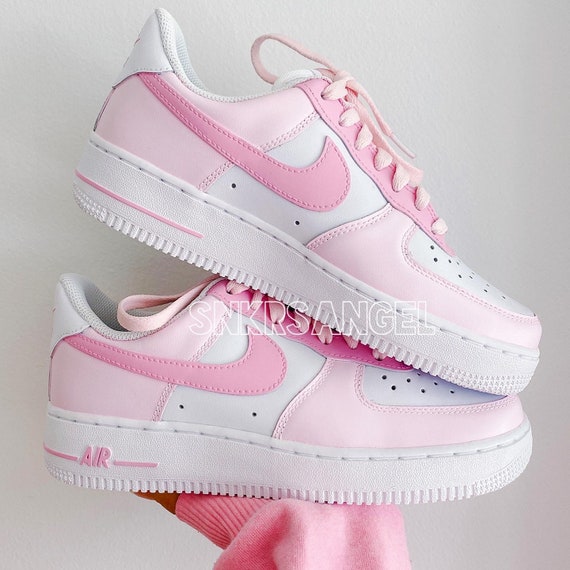
Effortless cool implies a certain nonchalance, but that attitude is built on a foundation of care. A scuffed, dirty Air Force 1 can look iconic, but it should be earned wear, not neglect. Basic maintenance—using a protective spray, cleaning with appropriate solutions, and storing them properly—extends their life and keeps them looking intentional. Furthermore, the world of customization unlocks personal expression. From simple lace swaps (thick woven laces for a rugged feel, pastel ones for a playful touch) to more involved projects inspired by the vast community on platforms like YouTube, where creators like Jacob Starr showcase professional-level customizations, making the shoe uniquely yours is the ultimate style move. This ties directly into value. While the retail price for a standard pair offers significant value given their durability and versatility, the secondary market and seasonal sales are excellent avenues for acquisition. Many reputable retailers offer last-season colorways at discounted prices, making this icon accessible. The true value, however, is cost-per-wear. Few items in your closet will offer as much stylistic mileage as a well-chosen pair of air force sneakers.
Ultimately, styling the Air Force 1 is an exercise in confident minimalism. It requires an understanding of its design heritage, a willingness to play with proportion and contrast, and the insight to see it as more than a sneaker—it’s a style primitive. When you lace up a pair, you’re not just putting on shoes; you’re tapping into a decades-long narrative of sport, music, and street culture. You’re choosing the stable foundation upon which endless variations of your personal style can be built. That is the very definition of effortless, everyday cool.
