

How to Style 80s Sneakers for a Modern Wardrobe
The resurgence of 80s sneakers is more than a fleeting trend; it’s a testament to the enduring power of iconic design meeting contemporary sensibility. These shoes, born from a decade of bold expression, technological innovation in sportswear, and burgeoning street culture, carry a distinct DNA. Integrating them into a modern wardrobe isn’t about costume-like replication of the past, but about strategic curation—extracting their unique aesthetic codes and recontextualizing them within today’s fashion lexicon. This process transforms a nostalgic item into a dynamic, personal style statement, bridging decades with every step.
Decoding the DNA: What Defines an 80s Sneaker?
To style them effectively, one must first understand their essence. 80s sneakers are not a monolith, but they share common characteristics rooted in the era’s spirit. Technologically, this was the dawn of visible air cushioning (pioneered by Nike), gel systems (from ASICS), and advanced synthetic materials, moving beyond simple canvas and rubber. Aesthetically, they embraced boldness: vibrant color-blocking (often in high-contrast neons or primary colors), oversized silhouettes, distinctive paneling, and the frequent use of velcro straps alongside laces. Culturally, they transitioned from purely athletic gear to symbols of identity, fueled by the rise of hip-hop, breakdancing, and basketball’s global explosion. As noted in design literature from institutions like the Fashion Institute of Technology, the 1980s marked the moment the sneaker became a “cultural artifact,” a canvas for self-expression beyond the court or track. This convergence of tech, bold design, and cultural weight is the core DNA we work with today.

The Foundation Principle: Balancing Volume and Proportion
The most common pitfall in wearing statement sneakers is losing balance. The pronounced, often chunky, silhouette of classic 80s sneakers commands attention. The modern styling key is to create an outfit where the sneaker is the hero, but not at the expense of the overall silhouette. This involves conscious proportional play. For a balanced look, pair these substantial shoes with streamlined, tailored pieces. Think slim-fit or straight-leg trousers that graze the top of the sneaker, avoiding a bulky break. For women, a sleek midi skirt or tailored trousers achieve the same effect. The goal is to create a visual counterpoint. As fashion commentator and YouTuber Alexa Chung often illustrates in her style analyses, “The magic happens in the contrast. A heavy shoe needs the lightness of a well-cut garment to feel modern, not cumbersome.” This principle prevents the outfit from feeling “bottom-heavy” and allows the sneaker’s design to shine within a polished framework.
Color Strategy: From Bold Statement to Neutral Anchor
The vibrant color palettes of the era offer two distinct styling paths. The first is the Selective Pop method. If your sneakers feature loud, multi-color panels, build the rest of your outfit in neutral tones—black, white, grey, navy, or beige. Let a single color from the sneaker subtly echo in a minimal accessory like a sock, beanie, or bag strap. This approach, championed by stylists on platforms like Vogue’s digital editions, creates a focused, intentional look where the sneakers are undeniably the centerpiece. The second path is the Monochromatic Integration method. For sneakers in more subdued 80s tones (like dusty rose, slate blue, or cream), build an outfit in the same color family but varying textures. A grey wool blazer, grey cotton t-shirt, and grey tailored sweatpants with grey-hued 80s sneakers create a sophisticated, tonal look that feels incredibly contemporary. This technique, frequently seen in minimalist fashion discourse, leverages the sneaker’s shape rather than just its color for impact.

Contextual Fusion: Blending Eras with Intention
Modern styling is inherently anachronistic. The true art lies in fusing items from different eras to create something new. 80s sneakers thrive when placed in dialogue with styles from other decades. Try pairing them with utilitarian 90s-inspired pieces like cargo pants or a minimalist nylon vest—the sneakers’ complexity plays well against utilitarian simplicity. Conversely, juxtapose them with the sharp, clean lines of 60s mod fashion (a crisp A-line dress) or the relaxed elegance of 70s tailoring (a wide-leg corduroy trouser). This cross-decade conversation is what defines personal style in the digital age. As author and trend forecaster Li Edelkoort has stated in her lectures, “Fashion is no longer linear. The archive is open, and the most interesting outfits are curated, not copied.” Your outfit becomes a curated exhibition where the 80s sneakers are a pivotal exhibit, connected thematically to other pieces in your collection.
Beyond Casual: The Smart-Casual Elevation
The most powerful modern move is breaking the sportswear barrier. 80s sneakers possess a structural complexity that, when clean and well-maintained, can anchor a smart-casual look. The formula relies on elevated basics. For men, consider a unstructured blazer in a casual fabric like tweed or cotton, a simple knit polo, dark denim or chinos, and your statement sneakers. For women, a tailored wool blazer, a silk camisole, straight-leg trousers, and the sneakers create an authoritative, fashion-forward ensemble. This look works because it subverts expectation—the formality of the tailoring is softened and personalized by the footwear’s heritage and character. It’s a style frequently adopted by tech entrepreneurs and creative directors, a uniform that signals both seriousness and a connection to contemporary culture. It proves these sneakers are versatile tools, not relics.
Curation and Care: Building a Lasting Relationship
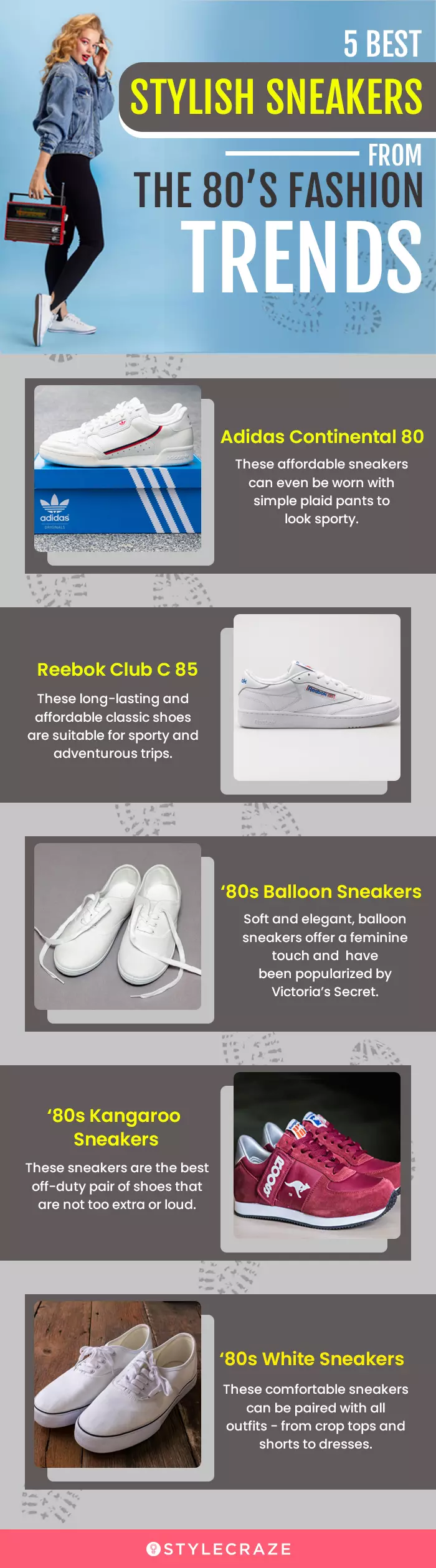
Integrating vintage or reissued 80s sneakers is an investment in a style narrative. Therefore, mindful acquisition and maintenance are crucial. Seek out models known for both design significance and quality construction—the classics from Nike, Adidas, Reebok, ASICS, and New Balance that have been faithfully re-released. The resurgence of “Dad shoes” and “retro runners” means many original designs are back in production with modern comfort upgrades. When sourcing, consider specialized sneaker retailers or reputable vintage stores that verify authenticity. Professional knowledge here translates to value: understanding the original release year, collaborative designers (like Peter Moore for the Air Jordan 1), or technological firsts (like the Nike Air Max 1) adds depth to your choice. Once acquired, care is key. Use quality sneaker protectors, clean with appropriate products for the materials (suede, leather, mesh), and store them properly to maintain their shape and color. This diligence ensures they remain a cornerstone of your wardrobe for years, not just a season.
The Professional Edge: Where Knowledge Meets Opportunity
For the discerning enthusiast, the world of 80s sneakers offers avenues beyond mere consumption. The market for vintage and limited-edition re-releases is dynamic. Developing expertise—recognizing rare colorways, understanding the difference between an original 1985 cut and a 2024 retro—can be rewarding. Furthermore, this knowledge allows you to shop strategically. Many brands offer archive sales, end-of-season discounts on less-hyped colorways, or collaborations with retailers that bring prices down. Following certified collectors and restorers on platforms like YouTube provides insights into maintenance and valuation. As sneaker historian and author Elizabeth Semmelhack of the Bata Shoe Museum notes, “Sneakers are a design language. Learning it allows you to participate in the conversation more meaningfully, whether you’re buying, styling, or simply appreciating.” This informed approach turns style into a savvy, long-term practice.

Ultimately, styling 80s sneakers for today is an exercise in intelligent anachronism. It requires respecting their inherent character—the boldness, the technology, the history—while fearlessly placing them in new contexts. By mastering proportion, strategically deploying color, fusing eras, and elevating them beyond casual wear, you unlock their full potential as a unique component of a modern wardrobe. They cease to be a nostalgic footnote and become a dynamic, personal signature, a wearable link between the innovative spirit of the past and the curated expression of the present.
