

How to Elevate Any Outfit with Black Heels and Red Bottoms
In the lexicon of fashion, few items command as much instant recognition and transformative power as a pair of black heels with red bottoms. They are not merely footwear; they are a statement, an attitude, and a masterclass in sartorial alchemy. This article delves into the objective principles behind their iconic status, explaining how this specific design elevates any ensemble from ordinary to extraordinary. We will move beyond subjective taste, grounding our exploration in design theory, cultural impact, and psychological effect, while providing actionable style insights.
The Psychology of Color and Contrast: A Scientific Foundation
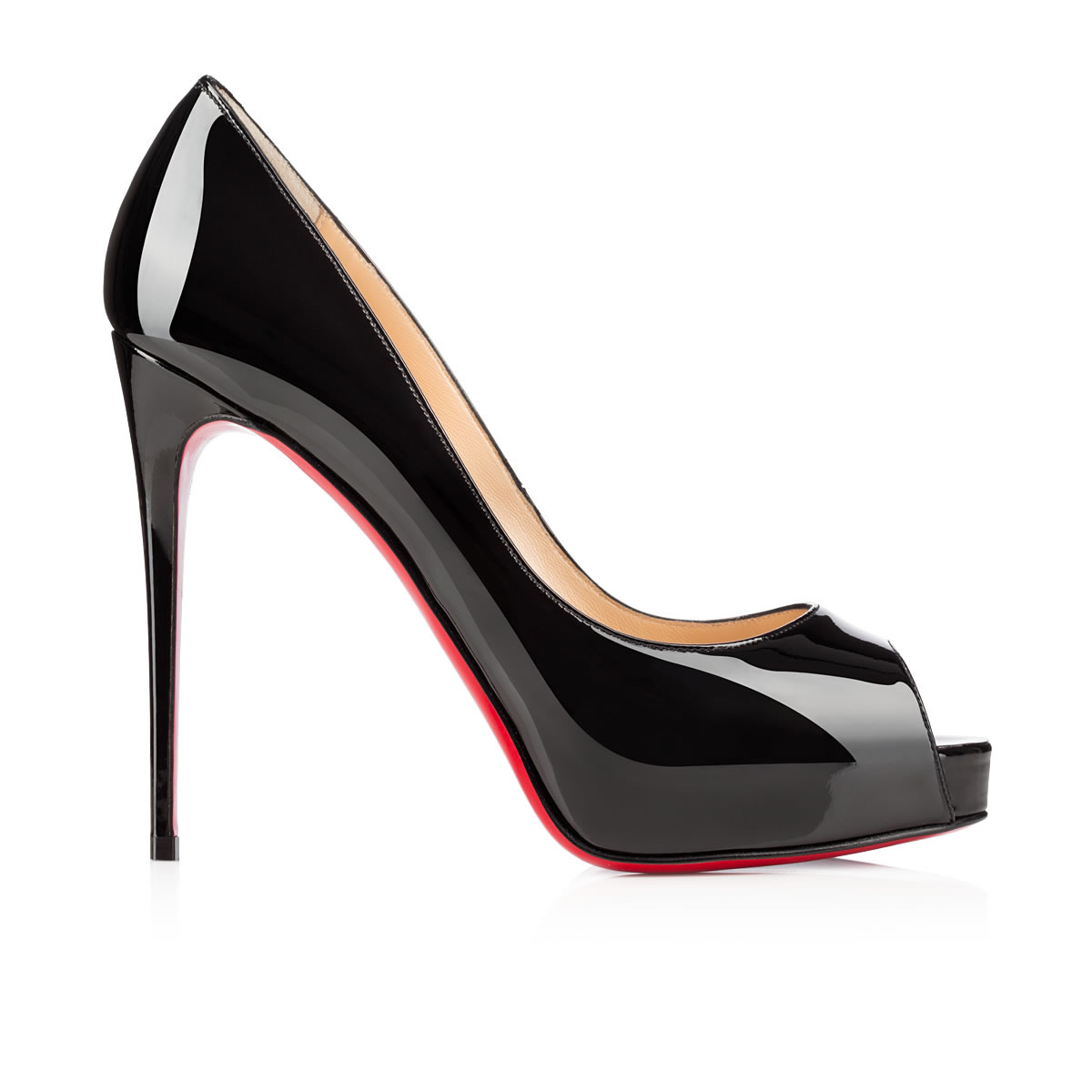
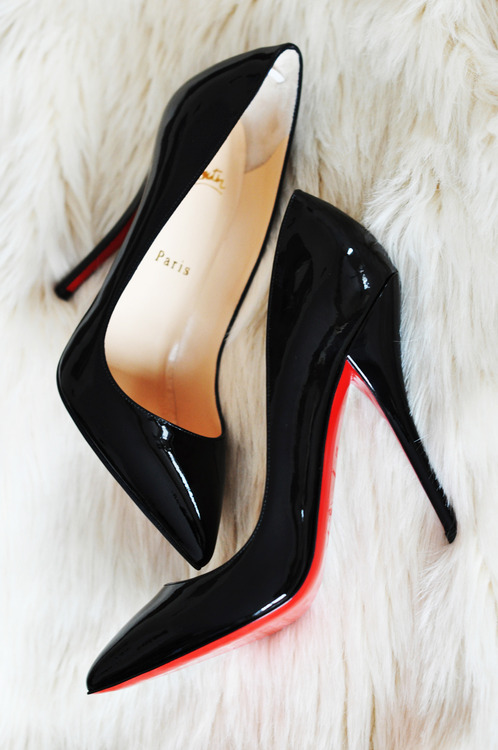
The undeniable allure of the black heels with red bottoms is rooted in fundamental principles of visual perception and color psychology. Black, as defined by color theorists and physicists, is the absorption of all wavelengths of visible light. In fashion, it carries connotations of sophistication, authority, elegance, and formality. It is a slimming, unifying color that provides a strong, neutral foundation. Red, on the other hand, sits at the opposite end of the visible spectrum, with the longest wavelength, making it highly attention-grabbing. Psychologically, red is associated with energy, passion, danger, power, and seduction. When these two colors are combined in the specific format of a black shoe with a vibrant red sole, it creates a phenomenon known as simultaneous contrast. This principle, studied extensively in art and design schools globally, states that colors influence each other when placed side-by-side. The stark juxtaposition makes the black appear more profound and the red more electrifying. The hidden, yet revealed, nature of the red sole—only visible in motion or from certain angles—adds an element of surprise and exclusivity. It’s a secret signal, a flash of confident rebellion against the monochrome restraint of the upper. This isn’t just a stylistic choice; it’s a calculated visual strategy that commands the eye and alters the perceived posture and intention of the wearer.
From Atelier to Icon: The Semiotics of a Red Sole
The transformation of the red sole from a designer’s whim to a globally protected trademark is a case study in fashion semiotics—the study of signs and symbols. While the concept of a colored sole has historical precedents, it was Christian Louboutin’s 1992 application of red nail polish to the sole of a shoe that crystallized the symbol. As Louboutin himself has stated in numerous interviews, the red was meant to echo the vibrancy of a glossy magazine page and the seduction of a showgirl’s stage. The red sole became a signifier, a concrete symbol pointing to abstract ideas: luxury, desirability, and high-fashion pedigree. This is reinforced by its legal status; courts in multiple jurisdictions have recognized the “red sole” as a distinctive trademark, a rarity in the fashion world where color marks are notoriously difficult to protect. The symbol’s power is perpetuated through consistent celebrity endorsement. From style icons like Blake Lively and Jennifer Lopez to influential figures in film and music, the black heels with red bottoms are a red-carpet staple. Their appearance in pivotal media moments, such as in the television series “Sex and the City,” further embedded them in the cultural consciousness. As fashion historian Dr. Valerie Steele of The Museum at the Fashion Institute of Technology has noted, Louboutin’s shoes “have become a sign of ‘fashionability’ itself.” Wearing them is not just about wearing shoes; it’s about wearing a recognized, authoritative badge of style.
The Architectural Principle: Silhouette and Elevation
Beyond color, the power of a heel lies in its architectural modification of the human silhouette. A well-crafted heel alters the wearer’s geometry: it lifts the heel, arches the foot, lengthens the leg line, and tilts the pelvis, resulting in a posture that is inherently more poised and dynamic. This is an objective biomechanical fact. A black heels with red bottoms takes this foundational principle and amplifies it through exceptional craftsmanship. The pitch, the shape of the toe box, and the placement of the arch are engineered for an optimal, albeit challenging, aesthetic effect. The black upper creates a seamless visual extension of the leg, a trick often cited in style guides from publications like Vogue and Harper’s Bazaar to create the illusion of height. The sudden, sharp interruption of the red sole at the ground plane acts as a visual exclamation point, drawing a definitive line between the wearer and the ground. It literally and figuratively elevates. This combination makes it a universal tool for outfit elevation. Whether paired with the sharp lines of a tailored pantsuit, the soft drape of a cocktail dress, or the casual denim of jeans, the shoe introduces a consistent element of structured sophistication and intentional drama. It provides a finishing anchor that pulls an outfit together, offering a common denominator of high-impact style.
Demystifying Luxury: Investment and Accessibility
Engaging with this icon of fashion requires navigating the realities of the luxury market. The original black heels with red bottoms from houses like Christian Louboutin represent a significant investment, often costing several hundred to over a thousand dollars. This price reflects not only the brand prestige and trademark but also the materials (often high-grade leathers and exotic skins), the detailed hand-finishing in European factories, and the design R&D. However, the aesthetic principle—the powerful contrast of a black heel with a red bottom—has been democratized. Numerous contemporary brands offer their own interpretations at various price points, making the look accessible. For the savvy shopper, this opens a strategy: invest in the authentic icon if it aligns with your long-term wardrobe goals and budget, recognizing it as a durable asset. Alternatively, seek out high-quality alternatives that capture the essence of the design. The key is to prioritize construction; a well-made heel with a proper shank and balanced weight distribution is crucial for comfort and posture, regardless of the label. Look for sales on reputable luxury e-commerce sites, end-of-season clearances, or consider pre-owned markets like The RealReal or Vestiaire Collective, where authenticated pieces can be found at a fraction of the original price. The goal is to acquire a shoe that embodies the principle of elevation, through either iconic authenticity or thoughtful emulation.

The Stylist’s Toolkit: Practical Applications for Every Wardrobe
Let’s translate theory into practice. How does one actively use this tool to elevate an outfit? First, consider it a neutral with a twist. The black upper allows it to pair with virtually any color palette, while the red sole adds a jolt of personality. For professional attire, a classic black pump with the signature red bottom transforms a standard sheath dress or suit into a powerful, confident uniform. It subtly communicates attention to detail and an understanding of coded luxury. For evening wear, a sleek black heels with red bottoms in a stiletto or pointed-toe style provides the perfect foundation for a little black dress, allowing the dress’s cut and the shoe’s silhouette to be the stars, with the red sole offering a thrilling, hidden detail. The most potent modern application, however, may be in juxtaposition with casual wear. The fashion “rule-breaking” often documented on style platforms like Who What Wear and Instagram involves pairing these elegant heels with distressed denim, a simple white t-shirt, and a blazer. This creates a compelling tension between relaxed and refined, effortless and intentional. The shoe does the heavy lifting, instantly elevating the basic pieces and creating a look that is curated and chic. It’s a direct application of the contrast principle: the casual outfit is the “black,” and the striking shoe is the “red,” creating an ensemble far greater than the sum of its parts.
A Note on Posture and Presence
Finally, the elevation is not purely visual; it is kinesthetic. Wearing a high heel, particularly one as distinctly engineered as these, necessitates a change in physicality. You must walk differently, stand differently, and move with more consciousness. This forced awareness of posture and movement projects an aura of confidence and control. The distinctive click of the heel, the flash of red with each step—it’s a performance of self-assurance. As style philosopher and author Diana Vreeland once opined, “Elegance is innate. It has nothing to do with being well-dressed.” The black heels with red bottoms become a catalyst for that innate elegance, prompting the wearer to embody the poise the shoe represents. It is a tool for self-presentation, a prosthetic for confidence.

Ultimately, the power of the black heel with a red bottom is multifaceted. It is a triumph of color theory, a protected symbol in semiotics, an exercise in architectural silhouette, and a versatile stylist’s instrument. Its ability to elevate any outfit is not a matter of fleeting trend but a function of these enduring, objective principles. It offers a language of sophistication, a flash of rebellion, and an instant blueprint for a commanding presence. Whether viewed as a worthy investment or a stylistic concept to emulate, understanding its components allows anyone to harness its transformative potential for their own wardrobe narrative.
