

Essential Footwear for Hiking and Walking Adventures
Embarking on a trail or a long urban walk isn’t just about the destination; it’s about the journey underfoot. The single most critical piece of gear separating a day of blissful exploration from one of painful regret is what you choose to wear on your feet. The right shoes for hiking and walking are not merely an accessory; they are a foundational tool that influences your posture, endurance, safety, and ultimately, your connection to the path ahead. This isn’t about fashion trends but about biomechanical engineering meeting the unpredictable demands of the natural world and paved environments. From the deep lugs that bite into muddy slopes to the cushioned midsoles that absorb miles of pavement, every element serves a purpose. Let’s delve into why specialized footwear is non-negotiable and how it transforms every step from a potential hazard into a confident stride.
The Anatomy of a Purpose-Built Shoe: Beyond Basic Footwear
To understand why a generic sneaker fails on a rocky incline, we must dissect the components of a dedicated trail shoe or walking shoe. The outsole, often made of durable carbon rubber, is the first point of contact. Its pattern, known as the lug depth and geometry, is scientifically designed for traction. As noted in outdoor gear literature from sources like Switchback Travel, deep, multi-directional lugs provide grip on loose terrain like gravel and dirt, while a sticky rubber compound, such as Vibram’s proprietary blends, enhances grip on wet rocks. The midsole is the shock absorber and stabilizer. Technologies like EVA foam, polyurethane, or advanced compounds like HOKA’s Profly+ offer varying degrees of cushioning and energy return. For walking, consistent cushioning is key for repetitive impact on hard surfaces. For hiking, a balance between cushioning and stability—often with a rock plate—is crucial to protect the foot from sharp protrusions. The upper, constructed from leather, synthetic mesh, or waterproof membranes like Gore-Tex, dictates breathability, durability, and weather protection. A study from the University of Colorado’s Department of Integrative Physiology on foot mechanics underscores that improper support can lead to a chain reaction of misalignment, affecting ankles, knees, and hips. Therefore, the structured heel counter, toe bumper, and overall fit of shoes for hiking and walking are not arbitrary; they are a direct response to the biomechanical stresses of these activities.

Hiking Shoes vs. Walking Shoes: A Critical Distinction
While both serve the fundamental purpose of locomotion, conflating hiking and walking shoes is a common and potentially painful mistake. The distinction lies in the terrain and the required features. Authoritative outdoor resource REI Co-op explicitly categorizes them separately. Shoes for hiking and walking diverge primarily in aggression and protection. A dedicated hiking shoe or boot is built for unstable, uneven ground. It features a more aggressive outsole with deeper lugs for superior traction, a sturdier build to resist abrasion from rocks and roots, and often includes toe caps and rock plates for protection. The ankle support can vary from low-cut for agility to mid or high-cut for stability and debris prevention on technical trails. In contrast, a dedicated walking shoe is engineered for repetitive motion on predictable, firm surfaces like pavement, tracks, or packed earth. The focus shifts to maximum cushioning, flexible construction to facilitate the foot’s natural roll, and breathable materials for comfort over long durations. As noted by podiatrists cited on health platforms like Verywell Fit, the gait cycle for walking is different from the varied, often side-to-side motion of hiking. Using a stiff hiking shoe on pavement can lead to discomfort and overuse injuries, while a flexible walking shoe on a rocky trail offers inadequate protection and stability. The choice is a functional one, dictated by the ground beneath you.
:max_bytes(150000):strip_icc()/VWFit-hiking-shoes-versus-walking-shoes-7548411-152aaaad90024603b172fdf65bb0c157.jpg)
The Terrain Dictates the Tool: Matching Footwear to Your Adventure
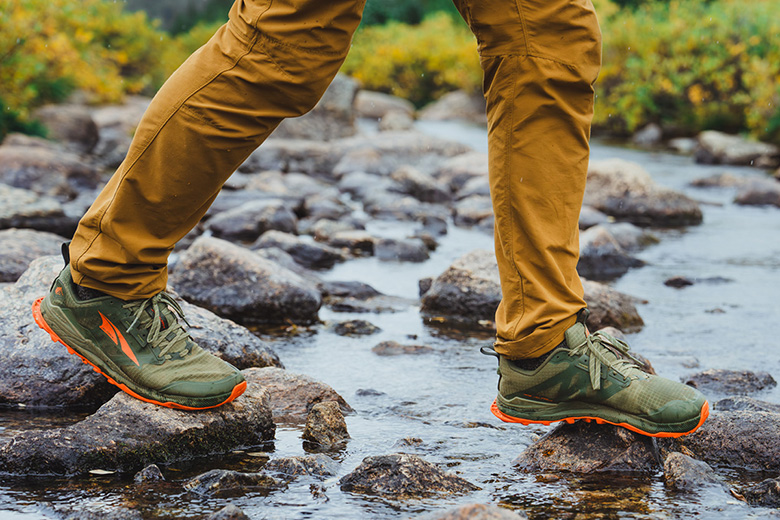
Selecting the right shoes for hiking and walking is an exercise in environmental assessment. For dry, well-maintained trails or long-distance walking on mixed paths, a lightweight hiking shoe or a sturdy trail runner might be ideal. These offer a blend of traction, flexibility, and reduced weight, which can significantly decrease leg fatigue over many miles—a principle often emphasized by ultrarunners and through research on endurance efficiency. For wet, muddy, or rocky terrain, the requirements intensify. Here, the outsole’s ability to shed mud (self-cleaning lugs) and the inclusion of a waterproof yet breathable membrane become paramount. A memorable scene from the film “Wild” illustrates this: the protagonist’s inadequate footwear leads to lost toenails and immense hardship, a stark narrative reminder of functionality over form. For carrying a heavy backpack on multi-day treks, the increased load demands more support, making a mid-cut or full hiking boot with a stiff midsole essential for stability and weight distribution. Conversely, for urban exploration or fitness walking, the priority is cushioning and breathability. The viewpoint is clear: there is no single “best” shoe, only the best shoe for the specific conditions you plan to encounter. Investing in the correct tool for the terrain is an investment in your safety and enjoyment.
Investing in Your Foundation: The Long-Term Value of Quality Footwear
The initial cost of high-quality shoes for hiking and walking can give one pause, but this is a classic case where price reflects long-term value and cost-per-use. A well-constructed shoe from a reputable brand uses durable materials that withstand hundreds of miles of abuse, whereas a cheaply made alternative may disintegrate or lose its supportive properties quickly, necessitating frequent replacement. More importantly, the real value is in injury prevention. As noted by sports medicine professionals and biomechanists, proper footwear is a primary intervention for common issues like plantar fasciitis, shin splints, and ankle sprains. The engineering that goes into a premium shoe—from the contour of the footbed to the density grading of the midsole—is designed to work in harmony with human anatomy. To bring this professional knowledge and value directly to you, we advocate for informed purchasing. Look for end-of-season sales, manufacturer discounts, and reputable online retailers that offer past-season models at significant markdowns. The core technology in a model from last year is often nearly identical to the current version. By purchasing strategically, you gain access to professional-grade footwear at a discounted price, making the essential investment in your foot health and adventure comfort more accessible than ever.
Your Next Step Begins with the Right One
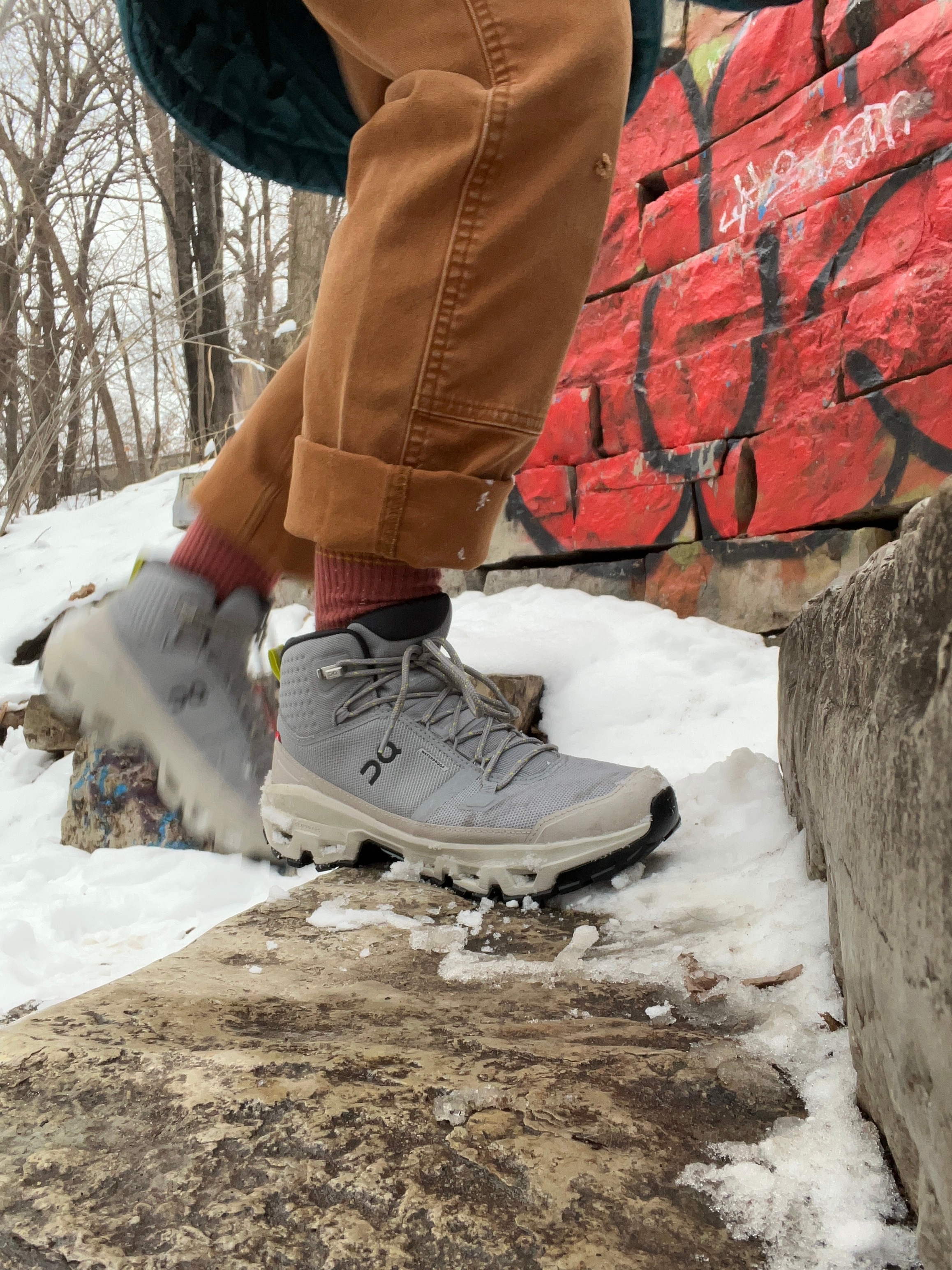
The path forward, whether it winds through a mountain pass or a city park, is defined by the confidence in your stride. The deliberate choice of specialized footwear is what unlocks that confidence. It is the difference between observing a landscape and truly engaging with it, free from distraction and discomfort. The science of traction, the engineering of support, and the art of fit all converge in that one essential piece of gear. Don’t let your feet be an afterthought; let them be your most trusted and well-equipped guides. Assess your typical terrain, understand the features that address its challenges, and choose the shoes for hiking and walking that will carry you forward, step after reliable step, on all your coming adventures.
