

5 Ways to Style Blue Heels for a Chic and Confident Look
Blue is not merely a color; it’s a statement. From the deep, introspective navy reminiscent of a midnight sky to the vibrant, electric cobalt that commands attention, blue carries a psychological weight and cultural history that makes it uniquely powerful in fashion. When this color is applied to the architectural elegance of a high heel, the result is a tool for unparalleled self-expression. Blue women’s heels are far more than footwear; they are a cornerstone for building an outfit that radiates both sophistication and assuredness. This guide delves into five distinct methodologies for integrating these striking shoes into your wardrobe, transforming them from a standalone piece into the foundational element of a chic and confident persona. We will move beyond subjective style tips, anchoring our advice in the principles of color theory, historical fashion context, and the curated wisdom of style authorities.
1. The Monochromatic Mastery: Playing with Texture and Tone
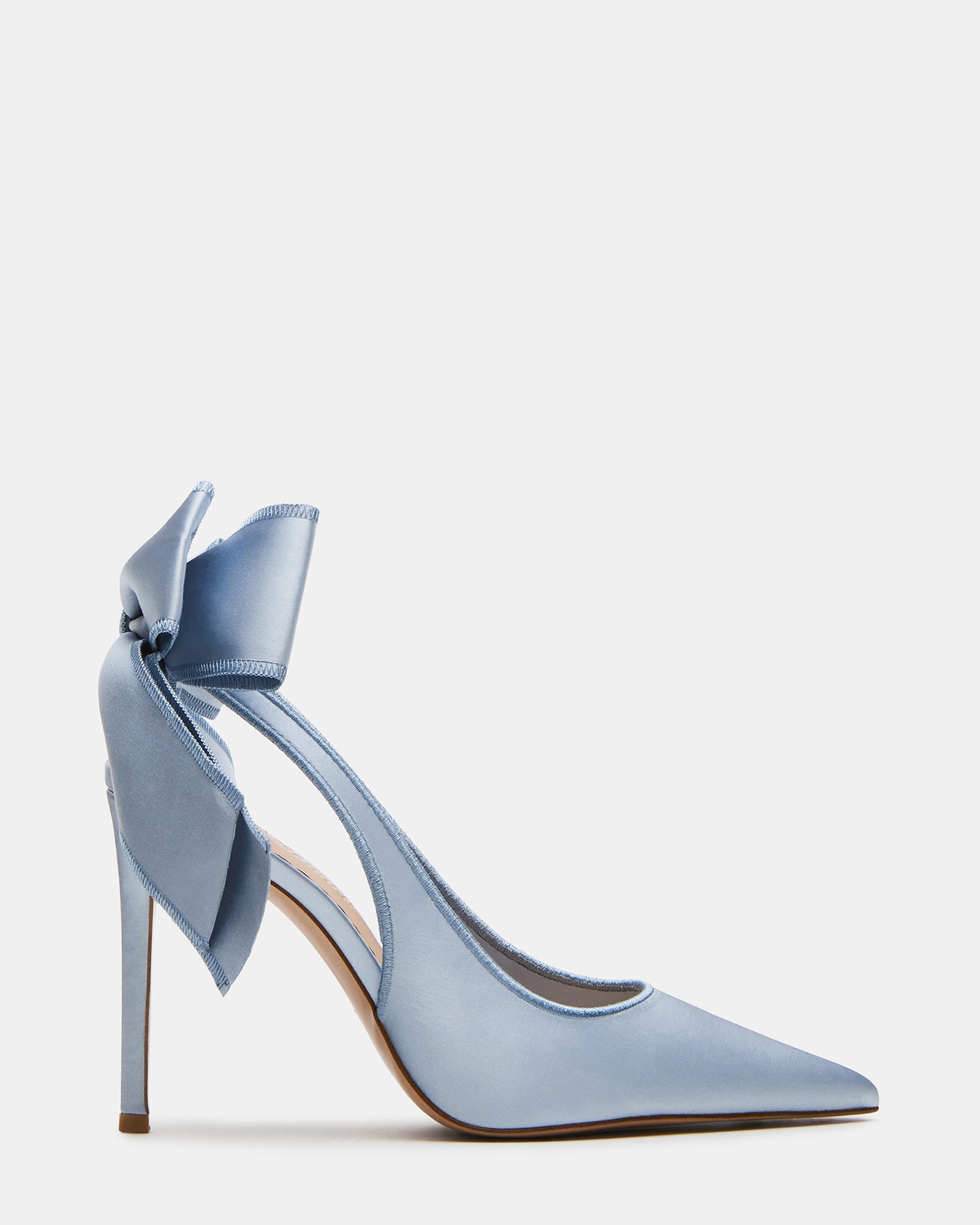
The monochromatic outfit is a sartorial power move often associated with minimalist masters and fashion intellectuals. It creates a long, uninterrupted line that visually elongates the silhouette, conveying control and deliberate curation. Styling blue women’s heels within a single-color scheme is not about matching a flat, identical hue. True monochromatic dressing involves a sophisticated play of textures, shades, and tints within the same color family. Imagine pairing a pair of sleek, sapphire satin stilettos with wide-leg trousers in a lighter powder blue wool crepe. The difference in shade creates depth, while the contrast between the glossy satin and the matte wool adds a tactile dimension that is deeply compelling. This approach finds its roots in the teachings of color theory, where value (lightness/darkness) and saturation (intensity) are manipulated to create harmony and interest without introducing discord. As fashion historian and curator Dr. Valerie Steele has often noted in her lectures at The Museum at the Fashion Institute of Technology, the most advanced fashion statements often lie in nuance rather than contrast. A head-to-toe navy ensemble, for instance, can be broken up with a belt in a slightly different finish or a scarf in a complementary texture, allowing the shoes to act as the anchor of the look—the point of richest, deepest color. This method is exceptionally forgiving and flattering, allowing the wearer to experiment with proportion and fabric while maintaining an aura of cohesive, confident elegance.

2. The Complementary Contrast: Blue and Its Natural Opposites
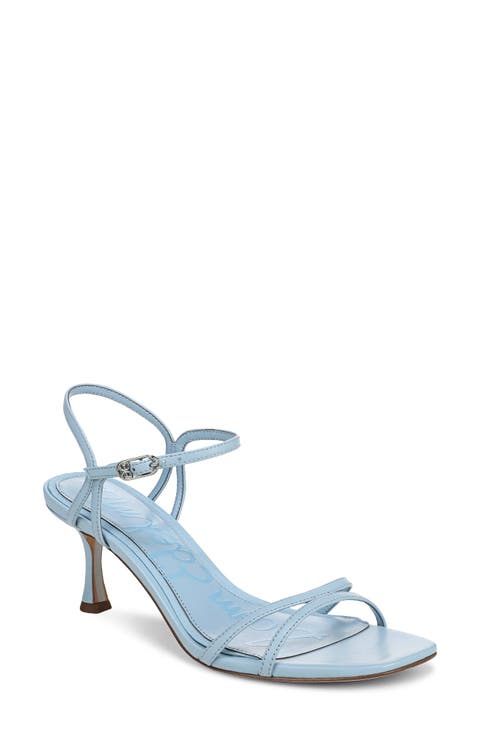
For a look that is inherently dynamic and visually arresting, turn to the color wheel. Directly opposite blue, you will find shades of orange and its earth-toned relatives like terracotta, camel, and burnt sienna. This complementary relationship is a fundamental principle in art and design, creating maximum contrast and vibrancy when placed side-by-side. In fashion, this doesn’t mean pairing electric blue pumps with a bright orange dress (unless you’re aiming for a bold, graphic effect). Instead, think of the subtle, luxurious interplay between a pair of cobalt blue heels and a tailored camel coat. The warmth of the camel provides a rich, neutral backdrop that makes the blue pop in a sophisticated, rather than garish, way. This combination is a favorite among style icons and has been famously showcased on runways from Max Mara to The Row. The confidence here stems from a understanding of basic color science—you are wielding visual tension to create interest. Similarly, shades of coral or peach, which sit adjacent to orange on the wheel, offer a softer, more feminine contrast to blue heels. A dusty rose pink, often considered an analogous color, can also create a beautifully serene and polished pairing. The key is balance: let the blue women’s heels be the star by keeping the complementary color in a dominant but muted role in your clothing, or vice-versa. This approach signals a creative and knowledgeable fashion sense, one that is not afraid to make a calculated, beautiful statement.
Understanding Color Psychology: Why Blue Works
To style with true authority, it helps to understand the weapon in your arsenal. Blue is consistently ranked as the world’s favorite color, and its psychological impact is well-documented. Research in color psychology, such as that cited by authoritative sources like the Pantone Color Institute, suggests blue evokes feelings of trust, stability, calm, and intelligence. It is the color of the sky and the sea, elements that are both constant and profound. In her book “The Psychology of Fashion,” Professor Carolyn Mair notes that wearing blue can influence both the wearer’s and the observer’s perceptions, often associated with competence and serenity. When you choose a pair of blue women’s heels, you are subtly tapping into this cultural and psychological reservoir. A navy pump in a professional setting doesn’t just look smart; it subcommunicates reliability. A bright turquoise heel for an evening out projects creativity and vibrant energy. This isn’t mere superstition; it’s the application of widely studied semiotics in dress. By consciously choosing blue, you are leveraging centuries of cultural association—from the ultramarine pigment reserved for the Virgin Mary’s robes in Renaissance art to the “IBM blue” of corporate trust—to craft your personal narrative.
3. Denim Symbiosis: Elevating the Everyday
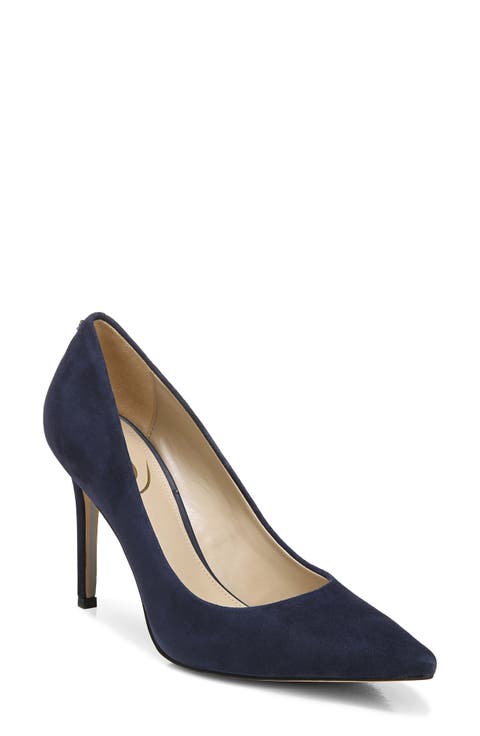
Perhaps the most intuitive and effortlessly chic pairing for blue heels is denim. This is a symbiotic relationship where each element elevates the other. Denim, in its quintessential blue form, provides a casual, democratic base. A pair of striking blue women’s heels instantly transforms that base into something deliberate, modern, and polished. The magic lies in the shade differentiation. Try a pair of rich, royal blue suede block heels with a classic pair of medium-wash straight-leg jeans. The variation in blue tones prevents the look from being too matchy, while the suede texture adds luxury to the utilitarian denim. For a more daring approach, embrace tonal dressing by pairing deep indigo heels with black or dark navy jeans, creating a sleek, leg-lengthening column of color. This style hack is frequently employed by street-style stars and celebrities off-duty, as seen in countless paparazzi shots and Instagram posts from fashion influencers. The message is one of accessible glamour—it says you have an innate sense of style that can find luxury in the commonplace. It’s a look that is both grounded and aspirational, perfect for transitioning from a daytime meeting to an evening dinner. The confidence here is relaxed and inherent; it’s the confidence of someone who knows how to manipulate wardrobe staples into a signature look.
4. The Neutral Canvas: Letting Blue Command Attention
When you possess a focal point as powerful as a blue heel, sometimes the most confident strategy is to provide it with a quiet stage. Neutrals—black, white, gray, cream, and beige—act as the perfect canvas. They recede visually, allowing the color, shape, and detail of your shoes to take center stage. This is a principle often seen in art galleries: white walls don’t compete with the artwork. Picture a simple, elegant cream-colored sheath dress paired with a pair of metallic cerulean blue heels. The outfit is clean, sophisticated, and all attention is funneled directly to your statement footwear. A classic black pantsuit, a uniform of power, is utterly reinvented with the addition of vibrant blue pumps at its base. This approach aligns with the minimalist philosophy of “less is more,” championed by designers like Jil Sander and brands like Cuyana. The confidence it projects is quiet and absolute. It suggests that you are so secure in your style choices that you don’t need overwhelming patterns or multiple colors to make an impact. The single punch of blue does all the talking. It’s a method that is both professional and powerfully personal, ensuring your blue women’s heels are recognized not just as an accessory, but as the defining element of your ensemble.
Investment and Value: Beyond the Purchase Price
Building a wardrobe with pieces like statement heels is an exercise in strategic investment. The concept of cost-per-wear, frequently discussed by financial and style experts like Lauren Singer of “Trash is for Tossers,” is crucial here. A $200 pair of well-constructed blue heels worn 50 times has a cost-per-wear of $4, representing far greater value and sustainability than five $40 pairs of trendy shoes worn only a few times each. Look for classic silhouettes—a pointed-toe pump, a sleek slingback, a sturdy block heel—in a compelling blue shade. These styles possess a longevity that transcends fleeting trends. Furthermore, the professional knowledge of materials is key. A heel lined in leather, with a solid inner construction and a well-crafted heel tip, will endure years of wear, molding to your foot and providing comfort that cheap synthetics cannot replicate. Brands often offer seasonal discounts on classic colors, so vigilance can yield significant savings on these investment pieces. The true value lies in their transformative power: a single pair can elevate countless existing items in your closet, effectively renewing your entire wardrobe without constant new purchases.
5. Pattern Play: Integrating Blue Heels into Prints
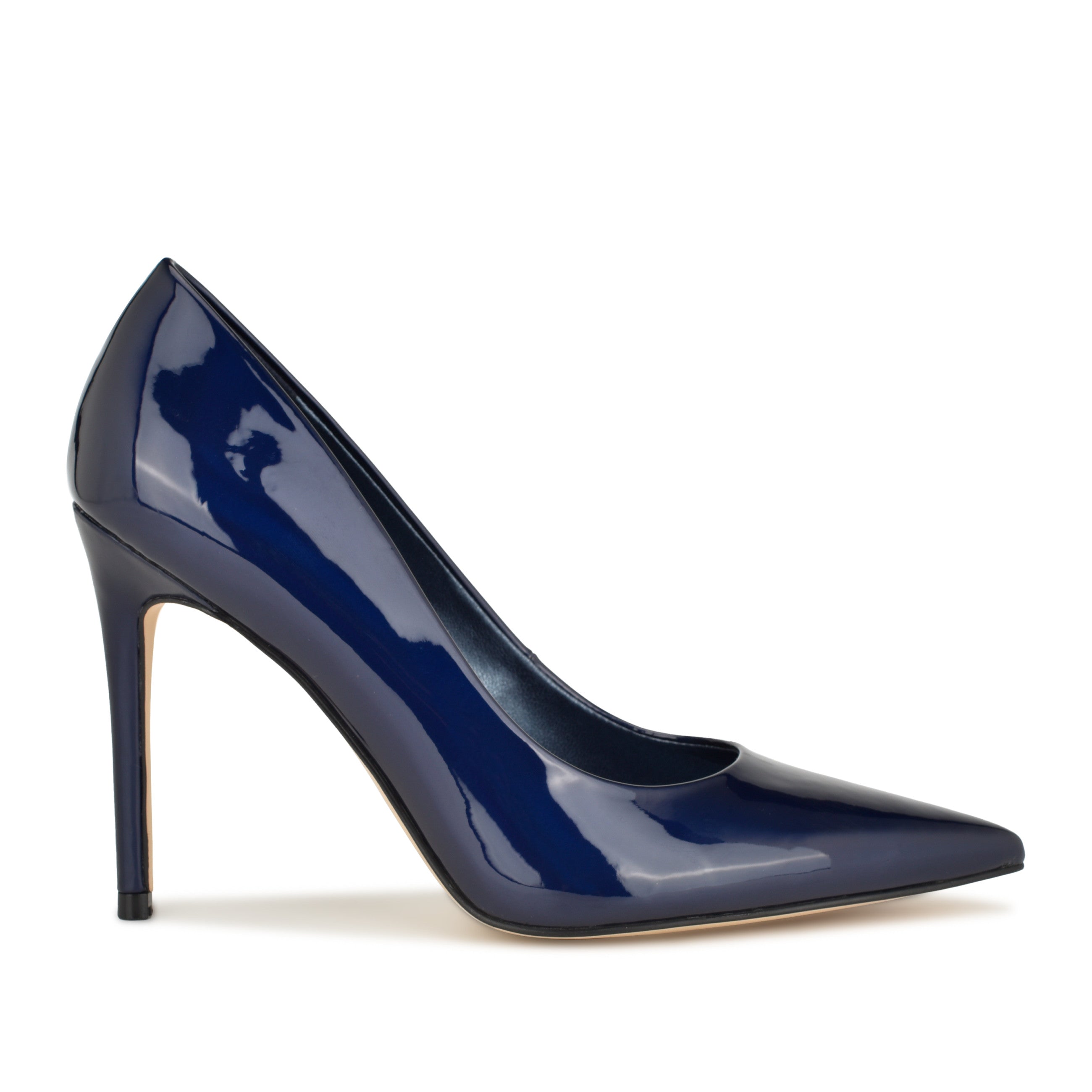
The ultimate test of sartorial confidence is the harmonious integration of a bold solid into a patterned ensemble. This is where your blue heels can truly sing as part of a more complex visual chorus. The technique is to treat the blue in your shoe as a color you can “pull” from within the pattern. For example, a floral dress with hints of delphinium blue in its print is the perfect partner for heels in a matching or slightly darker shade. The shoes no longer feel like an add-on; they feel like an intentional, integral part of the outfit’s color story. This approach works brilliantly with stripes, geometric prints, and even animal prints where blue might be an unexpected but grounding accent. Fashion stylist and author Allison Bornstein champions this “third piece” rule and the idea of creating cohesion through color linking. It demonstrates a high level of visual literacy and creative confidence. You are not just wearing clothes; you are composing an outfit with an understanding of rhythm, accent, and harmony. It signals a mind that enjoys creativity and isn’t intimidated by visual complexity. The blue women’s heels become the thread that ties the look together, proving that even the most vibrant print can be anchored and elevated with thoughtful color coordination.
A Word from the Icons
“Fashion is about dressing according to what’s fashionable. Style is more about being yourself. A pair of unexpected blue shoes can be the beginning of defining that style.” — This sentiment, echoing the philosophy of style pioneers like Iris Apfel, reminds us that tools like blue heels are conduits for personal expression, not just followers of trend.
The journey through these five styling avenues reveals a central truth: blue women’s heels are a versatile and potent instrument in the architecture of personal style. From the serene authority of a monochromatic scheme to the creative spark of complementary contrast, from elevating denim to commanding a neutral field, and finally, to dancing with patterns, each method offers a unique pathway to a chic and confident look. The confidence stems not from the shoe alone, but from the knowledge and intention behind its pairing. It is the confidence of understanding color, respecting craftsmanship, and embracing the psychological language of dress. So, step into those blue heels with the assurance that you are equipped not just with a beautiful object, but with the understanding to make them unequivocally yours.
