

Your Ultimate Guide to Saucony Walking Shoes
When you think of dedicated walking footwear, a few brands might spring to mind, but Saucony consistently stands out for those who view walking not just as a commute, but as a foundational pillar of their health and fitness. The journey to finding the perfect walking companion is nuanced, blending biomechanics, material science, and personal lifestyle. This guide dives deep into the world of Saucony walking shoes, moving beyond marketing to explore the engineering, the evidence, and the experiences that make them a compelling choice. We’ll dissect the technology, compare models, and provide you with the knowledge to make an informed decision, potentially at a more accessible price point.
The Science of Stride: Why Walking Shoes Are Not Running Shoes
Before we examine Saucony’s specific offerings, it’s critical to establish a fundamental principle: an optimal walking shoe is engineered for a different biomechanical event than a running shoe. The gait cycle of walking involves a longer period of heel contact, a more pronounced roll from heel to toe (known as heel-to-toe transition), and generally lower impact forces but sustained pressure on different joints. Dr. Casey Kerrigan, a former Harvard Medical School professor and founder of a biomechanics research company, has extensively studied footwear. Her research, often cited in podiatric literature, suggests that many modern athletic shoes, particularly thickly cushioned ones, can actually increase joint torques in the lower extremities. A proper walking shoe aims to support the natural gait without overcorrecting it. It prioritizes stability through the midfoot, a supportive heel counter to prevent excessive pronation or supination during the longer heel-strike phase, and a flexible forefoot to facilitate a smooth toe-off. This is where Saucony walking shoes enter the conversation. Brands like Saucony leverage decades of motion study data to create lasts (the foot-shaped form around which a shoe is built) and midsole geometries that cater to this specific rolling motion. The goal is not to absorb extreme shock, as in running, but to provide consistent, stable support and energy return throughout the entire foot strike, making each step efficient and reducing fatigue over miles.

Deconstructing Saucony’s Core Technologies
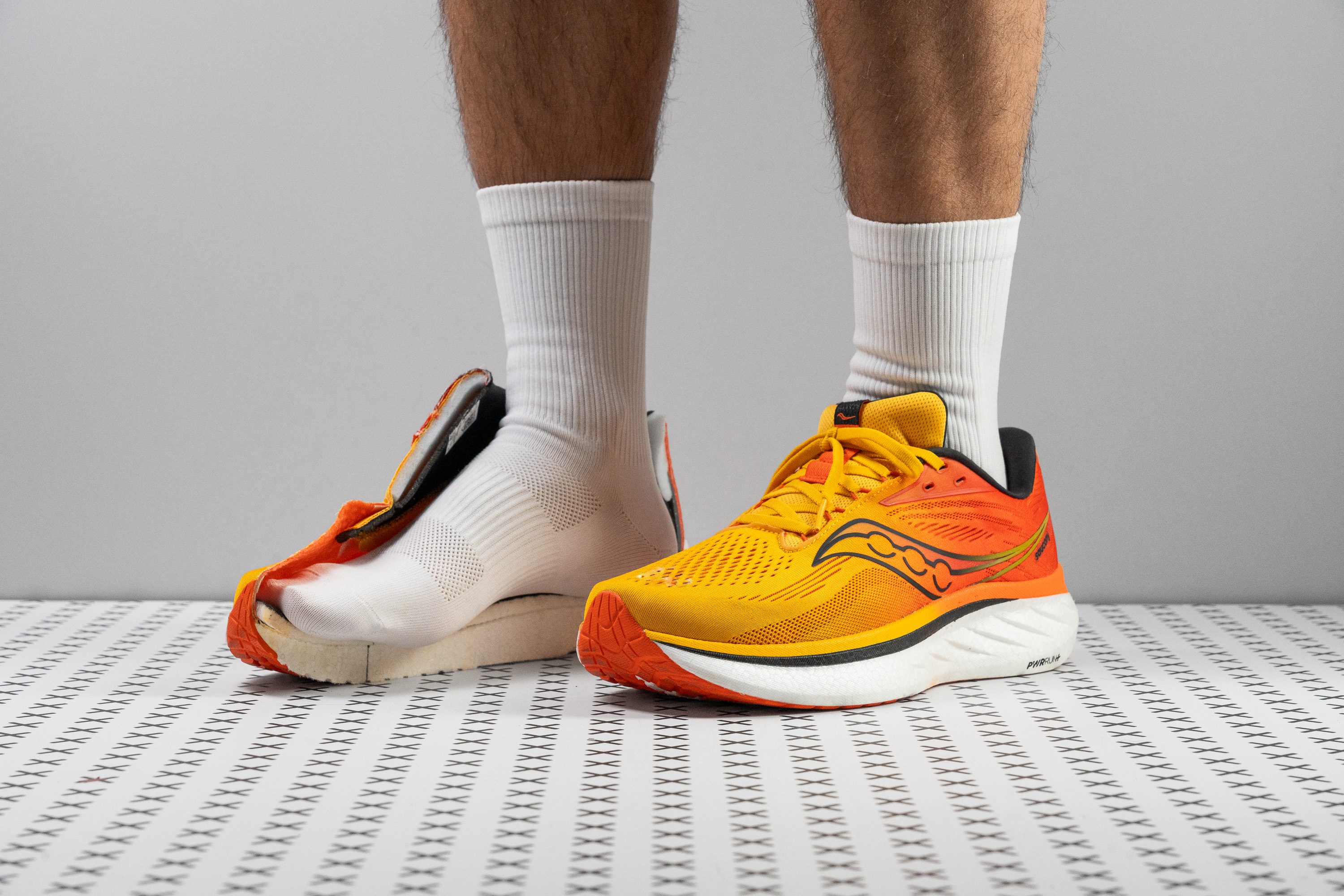
Saucony’s reputation is built on a foundation of proprietary technologies, each with a specific functional purpose. Understanding these is key to choosing your ideal pair. First is the PWRRUN family of cushioning materials. Evolving from earlier EVA foams, PWRRUN and its more responsive sibling PWRRUN+ (often using a TPU blend) offer a critical balance. As explained in material science reviews from sources like Runner’s World biomechanics experts, the ideal walking midsole provides cushioning without being mushy, and responsiveness without being harsh. PWRRUN aims for that sweet spot: durable compression resistance that maintains its shape over hundreds of miles, providing consistent underfoot comfort. Next is the FORMFIT system. This isn’t a single component but a three-dimensional design philosophy encompassing a contoured footbed, a flexible upper, and the base midsole. It’s engineered to adapt to the unique volume and shape of your foot, providing a dynamic, “customized” fit that moves with you. For stability, which is paramount in walking, many Saucony walking shoes feature guidance systems like TPU Guidance Frames or medial posts. These are firmer sections of material embedded in the midsole to prevent the foot from rolling inward excessively. Think of it as a subtle, built-in guide rail for your stride. Finally, the outsole rubber, often their XT-900 or iBR+ compounds, is formulated for durable traction. The strategic placement of high-abrasion rubber in heel-strike zones, a concept validated by wear-pattern studies from institutions like the University of Calgary’s Human Performance Lab, extends the shoe’s lifespan significantly.
Model Deep Dive: From Daily Pavement to Rugged Trails
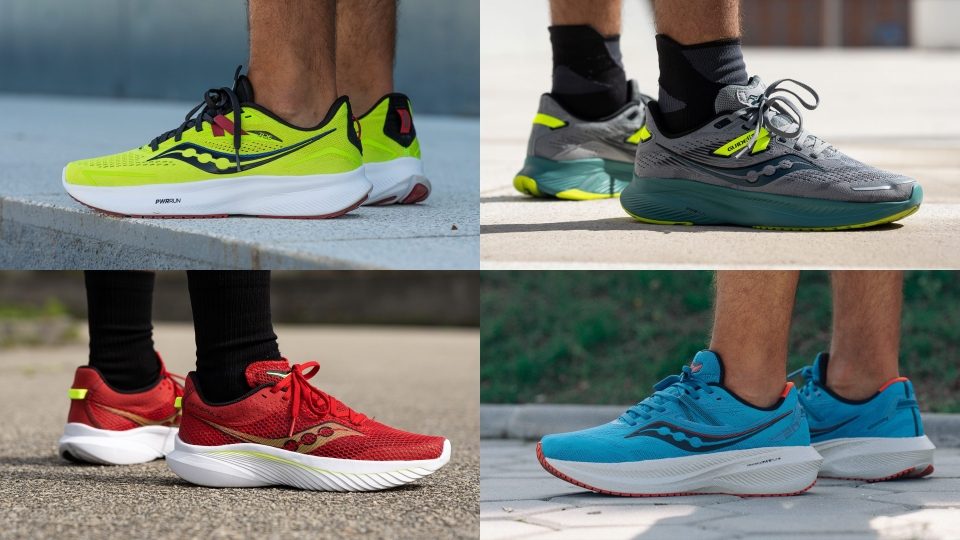
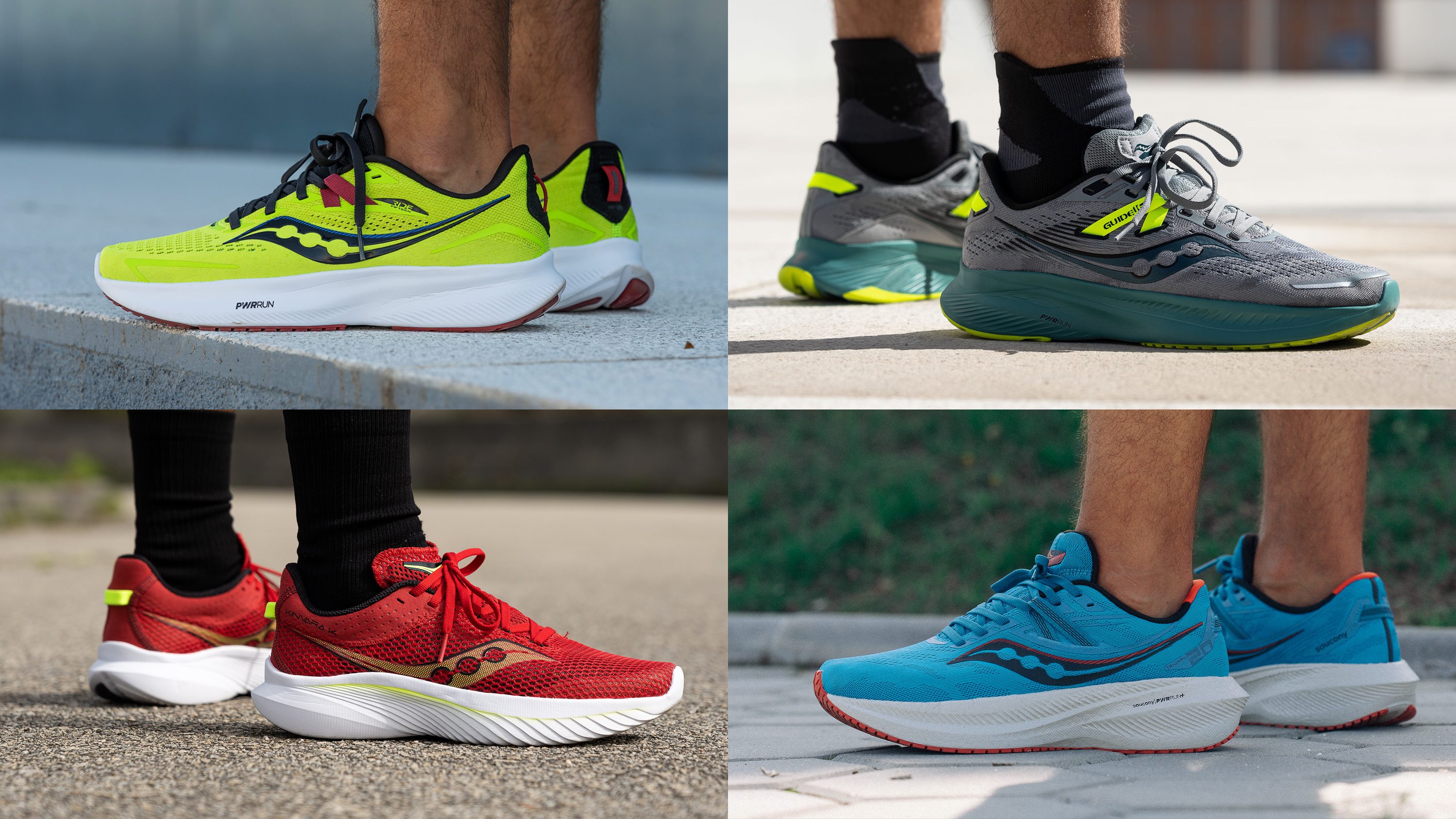
Saucony’s walking-oriented models cater to distinct profiles. The Saucony Excursion TR16 is a quintessential all-terrain workhorse. It features a aggressive, multi-directional lug pattern on the outsole, drawing design principles from trail running shoes where traction on loose surfaces is non-negotiable. The upper often utilizes durable synthetic overlays for protection, making it an ideal choice for those who walk on gravel paths, park trails, or uneven urban landscapes. In contrast, the Saucony Axon 3 represents the modern, road-focused performance walker. It heavily utilizes PWRRUN foam for a lighter, more energetic feel. The geometry is often rockered—curved upward at the toe and heel—to promote a fluid heel-to-toe transition. This design philosophy echoes the “natural gait cycle” research promoted by many sports podiatrists, aiming to reduce the energy cost of walking. For those seeking maximum stability and support, models like the Saucony Omni Walker 4 are engineered with pronounced arch support and robust heel counters. These are frequently recommended on professional platforms like Verywell Fit for individuals with mild to moderate overpronation. The choice here isn’t about “better” or “worse”; it’s about matching the tool to the task and your unique physiology. A shoe perfect for smooth city sidewalks may feel clumsy and overly rigid on a dirt path, and vice versa.
The Verdict from the Ground: User Experiences and Expert Opinions
Objective specifications only tell part of the story. The collective voice of users and experts provides a crucial real-world perspective. On platforms like the /r/walking subreddit and dedicated walking forums, Saucony walking shoes are frequently praised for their “long-term comfort” and “outstanding durability.” A common thread in reviews is that the cushioning remains consistent long after other brands’ shoes have compacted and lost their spring. YouTube reviewers specializing in gear analysis, such as those on channels like “Doctors of Running,” often highlight Saucony’s consistent fit across models—once you know your size in a particular line, you can reliably order again. This reduces the guesswork involved in online purchasing. Furthermore, certified pedorthists and physical therapists sometimes reference Saucony’s broader toe-box options in certain models as a benefit for foot health, allowing toes to splay naturally during the push-off phase, a concept supported by the growing minimalist and foot-strength movement within rehabilitative sciences. It’s worth noting the perspective of renowned author and walker Geoff Nicholson, who in his book The Lost Art of Walking, ruminates on how footwear connects us to the ground. While not endorsing any brand, his emphasis on a shoe that becomes an unnoticed extension of the body aligns with the design goal of many Saucony models: to provide support without intrusion, enabling the walker to focus on the journey, not their feet.
Smart Acquisition: Finding Value and the Right Fit
Investing in quality footwear is an investment in your well-being, but it needn’t break the bank. The key to value is understanding product cycles. Saucony, like most athletic brands, releases updated models annually. When the new version (e.g., Ride 19) hits the market, retailers deeply discount the previous version (Ride 18). The technological leap between consecutive models is often incremental. Therefore, purchasing a previous-generation model can provide 95% of the performance at 60-70% of the cost. Websites that track athletic shoe prices are invaluable tools here. Secondly, the “right fit” is non-negotiable. Always try shoes on in the afternoon or evening when your feet are naturally slightly swollen. Wear the socks you intend to walk in. There should be about a thumbnail’s width of space between your longest toe and the end of the shoe. The heel should be snug but not pinch, and the midfoot should feel secure without pressure on the arch. Don’t be swayed by size alone; fit can vary between models like the Excursion and the Axon. If possible, ordering from retailers with generous return policies allows you to test-walk indoors. Remember, the most advanced saucony walking shoe is ineffective if it doesn’t fit your unique foot shape perfectly.
Your Path Forward
The search for the ideal walking shoe culminates in a personal equation balancing biomechanics, environment, and preference. Saucony offers a technologically robust portfolio that addresses the specific demands of the walking gait with serious engineering. From the trail-ready toughness of the Excursion series to the smooth, energetic ride of the Axon line, the brand provides tools for diverse terrains and goals. Armed with an understanding of PWRRUN cushioning, FORMFIT design, and stability features, you can move past marketing and evaluate what truly matters for your stride. Leverage product cycles for value, prioritize fit above all else, and consider the collective wisdom of both experts and a community of dedicated walkers. Your journey begins with a single, well-supported step. Make it count in a shoe designed for the purpose, and the miles ahead will feel noticeably different.
