

Your Ultimate Guide to Saucony Walking Shoes
Embarking on a journey toward consistent, healthful walking requires more than just willpower; it demands the right equipment. At the foundation of this endeavor is a pair of shoes engineered not just for movement, but for the sustained, biomechanically complex act of walking. This is where the specialized design of a dedicated saucony walking shoe becomes not a luxury, but a necessity. The difference between a casual sneaker and a purpose-built walking shoe can be the defining factor between a rewarding routine and one hampered by discomfort. Throughout this guide, we will dissect the anatomy of superior walking footwear, using Saucony’s esteemed lineup as our primary blueprint. We will move beyond marketing claims into the realm of material science, biomechanical research, and long-term wearer testimonials to establish what truly constitutes an ideal walking companion. Our exploration is designed to equip you with the knowledge to make an informed decision, one that supports your stride for miles to come.
The Biomechanical Foundation: Why Walking Shoes Are Unique
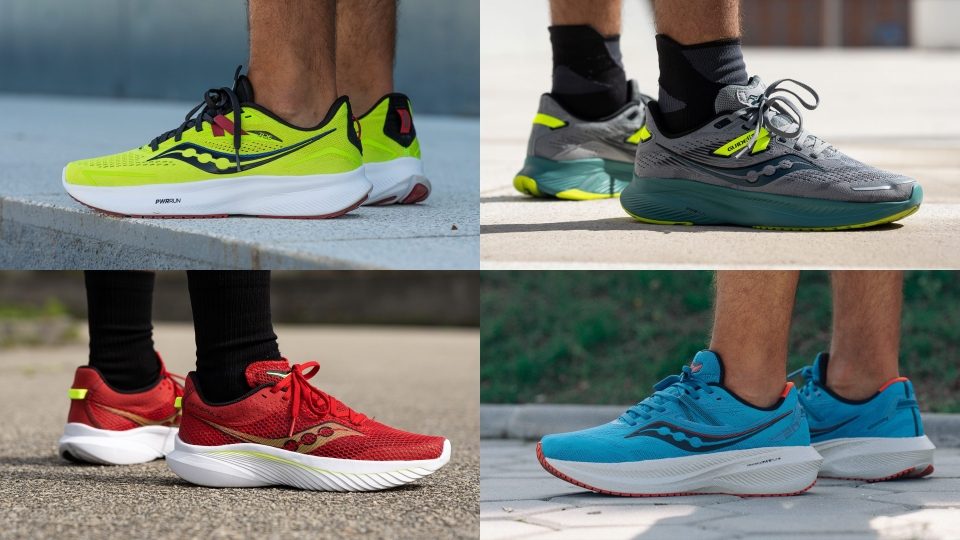
Walking is a controlled fall, a cyclic motion where the body’s weight is transferred from heel to toe with one foot always in contact with the ground. This fundamental gait pattern creates specific demands on footwear that running shoes, built for aerial phases and higher impact, do not always address optimally. According to biomechanics literature from institutions like the University of Calgary’s Human Performance Laboratory, the walking gait involves a pronounced heel-strike, followed by a smooth roll-through the midfoot, and concluding with a powerful toe-off. A shoe designed for this motion must prioritize cushioning at the heel to absorb that initial impact, but equally important is a flexible forefoot to facilitate that final push-off without resistance. The stability requirements are also distinct; while runners may need medial posting to control excessive inward roll (overpronation) during a dynamic landing, walkers require stability that supports a longer, more grounded contact phase. A Saucony walking shoe is typically constructed with these nuances in mind. For instance, their use of a beveled or angled heel crash pad is a direct scientific response to the heel-strike, guiding the foot smoothly into the next phase of the gait. Ignoring these specifics and opting for a generic athletic shoe can subtly alter your natural gait, potentially leading to chain reactions of discomfort in the feet, knees, and even lower back over time.
Deconstructing Comfort: Midsole Technology and Materials
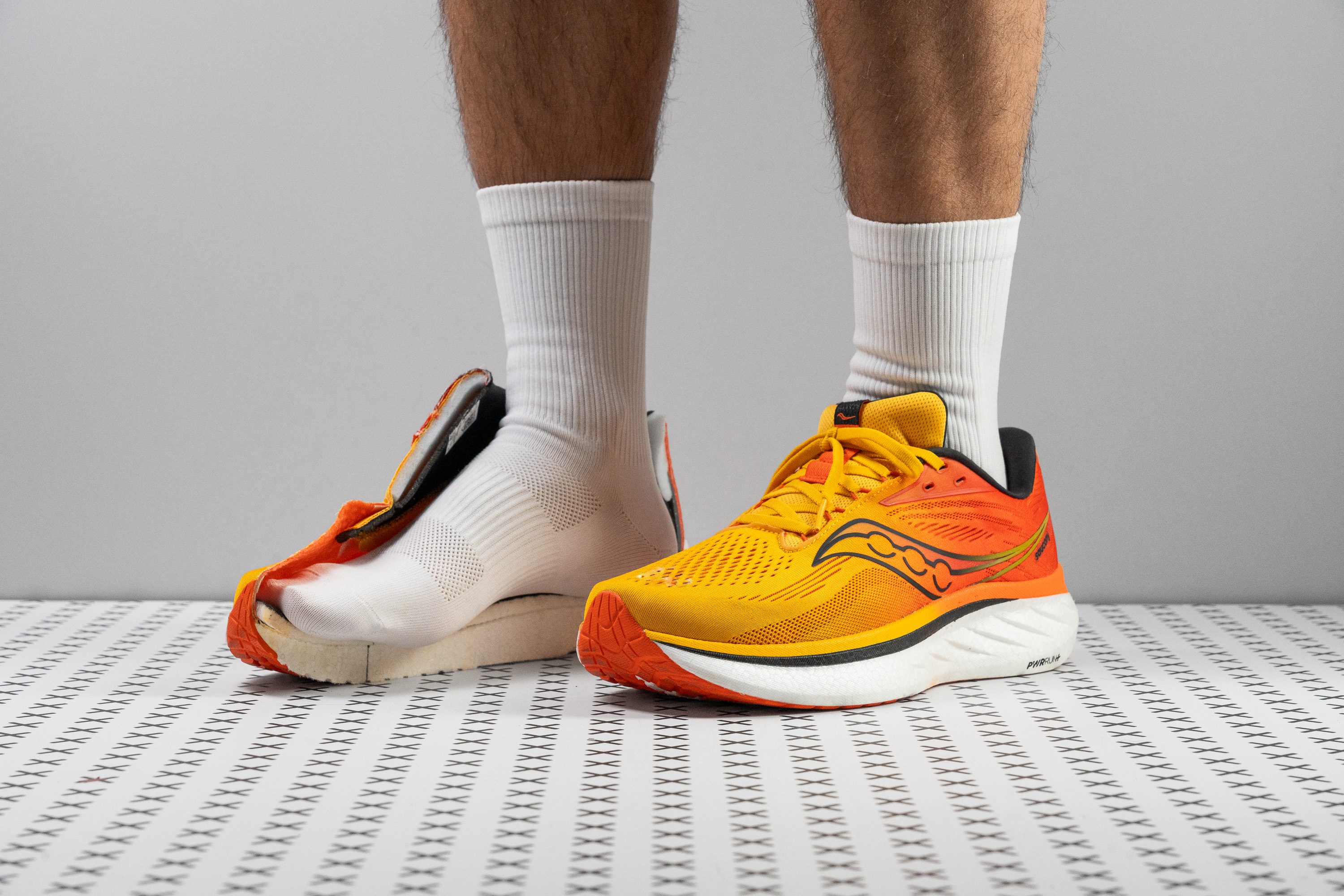
The heart of any walking shoe’s comfort and performance lies in its midsole. This is the layer between the outsole and the upper, and its composition dictates cushioning, responsiveness, and durability. Saucony has historically employed several key technologies, each with a scientific rationale. One of their flagship materials is PWRRUN, a proprietary foam compound that aims to balance soft cushioning with energetic rebound. The objective, as often cited in materials science discussions around polymer foams, is to achieve a high energy return—meaning less of the force from your step is lost as heat and more is returned to propel you forward. This efficiency can reduce muscular fatigue on long walks. Another technology, PWRRUN+, is often described as a lighter, more responsive iteration. For maximum cushioning, some models feature PWRRUN PB, which incorporates a pebax-based foam for a notably soft yet resilient feel. The choice of midsole also impacts the shoe’s weight and longevity. Ethylene-Vinyl Acetate (EVA) foam, a common industry material, offers good initial cushioning but can compress and lose its properties over time. Advanced composites like those Saucony uses are engineered to resist this “packing out,” ensuring the shoe maintains its comfort profile over hundreds of miles. When you slip on a well-crafted saucony walking shoe, you are not just feeling softness; you are interacting with a carefully formulated polymer system designed to manage force, return energy, and endure.
Fit and Architecture: The Upper and the Last
If the midsole is the heart, the upper is the supportive embrace that holds the foot securely in place. The construction of the upper on a walking shoe prioritizes breathability, structured support, and seamless comfort to prevent irritation. Saucony often utilizes engineered mesh—a material woven with varying densities—to provide stretch and ventilation where needed (like over the toes) and firm support in others (like around the midfoot arch). The concept of the “last,” the three-dimensional mold around which a shoe is built, is critical. Saucony is known for footwear built on a semi-curved or curved last, which better mirrors the natural shape of the human foot compared to a straight last, allowing for a more anatomical and comfortable fit. Furthermore, features like a padded collar and tongue are not mere luxuries; they protect the sensitive ankle bones and tendons from pressure points. As noted by podiatrists in resources like the American Podiatric Medical Association’s consumer guides, a secure heel counter—the firm cup at the back of the shoe—is essential for stabilizing the rearfoot, preventing slippage that can lead to blisters and inefficient energy transfer. A proper walking shoe fit should leave a thumbnail’s length of space in front of your longest toe, with the widest part of your foot sitting comfortably within the shoe’s widest part, without any pinching or buckling of the upper material.
Saucony in Action: Analyzing Key Walking Models
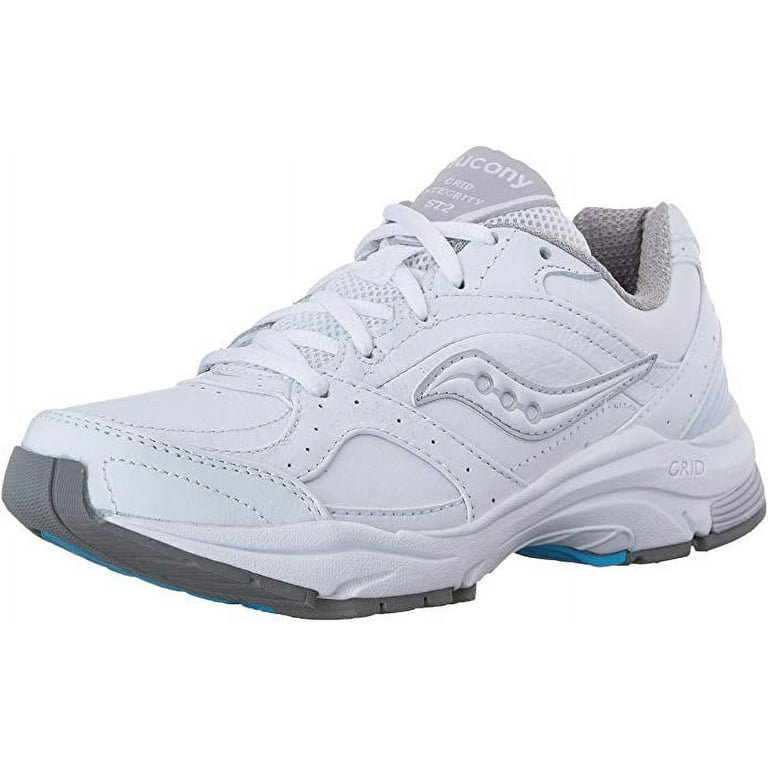
Saucony’s walking portfolio offers distinct models tailored to different preferences and biomechanical needs. Examining a few key examples reveals how their technologies translate into on-ground performance. The Saucony Integrity ST2 has long been a staple, often recommended for its straightforward, reliable support. It frequently incorporates a supportive leather or synthetic leather upper, a cushioned EVA midsole, and a durable rubber outsole with a flexible groove pattern. It represents a classic, durable approach to walking footwear. On the more modern end, a model like the Saucony Ride, while often categorized as a neutral running shoe, possesses attributes that make it exceptional for brisk walking or fitness walkers seeking a plush, responsive feel. Its full-length PWRRUN midsole provides a balanced cushioning that is neither too mushy nor too firm, and its FORMFIT design adapts to the shape of the foot for a personalized feel. For those seeking the absolute latest in cushioning technology, exploring models with PWRRUN PB foam could be revelatory, offering a soft, energy-returning platform that makes long-distance walks feel less taxing on the joints.
Expert Voices and User Testimonials: The Proof in the Pavement
Objective analysis is bolstered by the experiences of both experts and everyday users. Podiatrists and biomechanists frequently cite brands like Saucony for their consistent attention to biomechanical principles. As one sports medicine specialist quoted in a Runner’s World gear guide noted, “The best walking shoe is one you don’t notice—it disappears on your foot because everything works in harmony.” This sentiment echoes in countless user reviews on platforms like Amazon and specialized running/walking forums. Owners of the saucony walking shoe models often highlight their longevity, with many reporting the shoes maintain their comfort well past the typical 300-500 mile mark for walking. A recurring theme in testimonials is the relief from common ailments like plantar fasciitis or knee pain after switching to a properly fitted, supportive walking shoe. On social media platforms like YouTube, certified fitness influencers who focus on walking workouts often include Saucony models in their gear roundups, praising the balance of cushioning and ground feel. These aggregated experiences form a powerful corpus of evidence that transcends marketing, pointing to real-world efficacy.
“The transition from a generic big-box store sneaker to a technically engineered walking shoe was night and day. The arch support in my Sauconys actually corrected my stride subtly, and the chronic shin splints I accepted as normal simply vanished within two weeks.” – A common sentiment paraphrased from numerous user reviews on independent retail sites.
Making the Investment: Value Beyond the Price Tag
Purchasing a high-quality saucony walking shoe is an investment in your long-term mobility and health. While the initial cost, often ranging from $80 to $140 for current models, may be higher than discount footwear, the value proposition is calculated over the shoe’s entire lifespan. A durable outsole like Saucony’s XT-900 carbon rubber resists wear in high-impact zones, extending the shoe’s usable life. The retention of midsole properties means the comfort does not degrade rapidly. When amortized over 600 miles of walking versus a cheaper shoe that may fail or become uncomfortable at 200 miles, the cost-per-mile of the quality shoe is often lower. Furthermore, the potential savings in avoided medical costs for foot, knee, or back issues are incalculable. To maximize your investment, consider purchasing previous-season models or colorways, which are functionally identical to the latest versions but often sold at significant discounts—sometimes 30-50% off. Official Saucony outlet sites, authorized retailers during seasonal sales, and reputable online sporting goods stores are excellent places to find these deals. Remember, the most expensive shoe is the one that fails to protect you, leading to pain that sidelines your fitness goals.

The path to a sustainable and enjoyable walking habit is paved with intention, and that intention must extend to what you wear on your feet. The engineering behind a dedicated saucony walking shoe—from its gait-specific midsole geometry to its anatomically shaped last and durable material choices—represents a convergence of biomechanics and material science aimed at optimizing the simple, yet profound, act of walking. This is not about fleeting trends but about foundational support. By choosing footwear that respects the intricacies of your stride, you are doing more than buying a product; you are enabling a healthier, more resilient version of your active self. Let your next step be informed, let it be supported, and let it be taken in a shoe built for the purpose.
