

Your Ultimate Guide to Ryka Walking Shoes for Women
In the world of fitness footwear, finding a shoe that truly understands and caters to the unique biomechanics of a woman’s foot can feel like a quest. This isn’t merely about smaller sizes or narrower widths; it’s about a fundamental architectural difference. For the woman who walks for health, for clarity, or for simple daily joy, the right shoe is not an accessory but a foundation. This guide delves into why Ryka walking shoes for women have carved out a dedicated following, moving beyond marketing claims to examine the science, the design philosophy, and the real-world impact of choosing footwear engineered from the ground up for women.
The Anatomical Imperative: Why Women’s Feet Demand Specialized Design
The argument for gender-specific footwear is rooted in irrefutable anatomical and biomechanical differences. According to research from institutions like the University of Virginia and studies published in the Journal of Foot and Ankle Research, the female foot, on average, has a narrower heel relative to the forefoot, a higher arch, and a different Q-angle (the angle of the femur from the hip to the knee) compared to men. This last point significantly affects gait and pronation. A 2017 review in “Gait & Posture” highlighted that these structural variances lead to distinct pressure distributions and motion patterns during walking. Simply put, placing a woman’s foot in a shoe built on a man’s last—the mold around which a shoe is constructed—is akin to building a structure on an unstable foundation. The heel slips, the arch lacks support, and the overall alignment is compromised, which can lead to discomfort, inefficiency, and even injury over time. Ryka walking shoes for women address this from their very blueprint. Their proprietary lasts are developed from data gathered from thousands of women’s foot scans, ensuring the heel pocket, arch placement, and forefoot width are proportionally correct. This isn’t a niche consideration; it’s a scientific prerequisite for comfort, stability, and performance that mainstream unisex or scaled-down men’s models often overlook.
Deconstructing the Ryka Walking Shoe: Core Technologies and Features
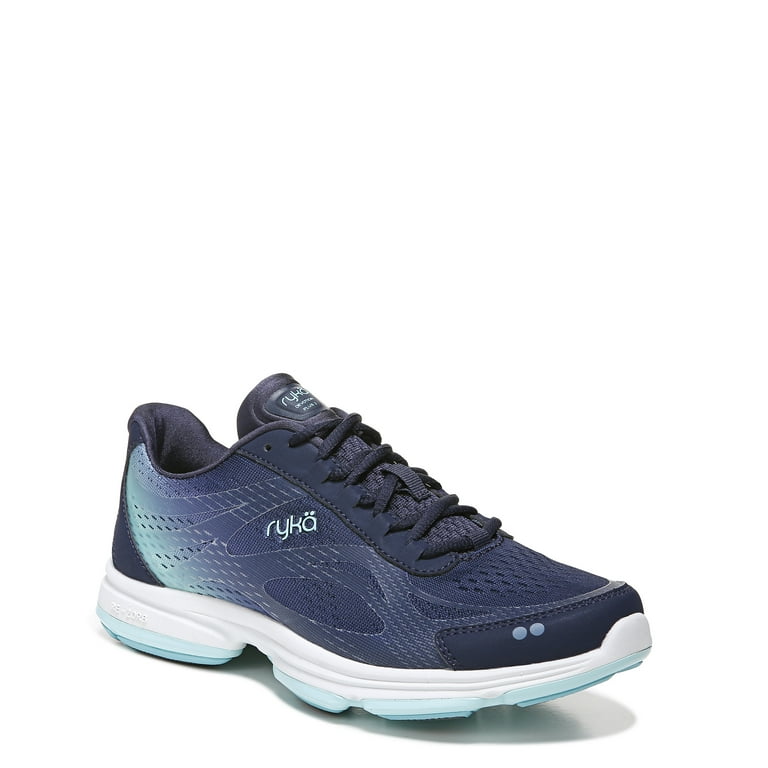
To understand the value proposition of Ryka walking shoes for women, one must look under the hood—or rather, inside the midsole and upper. Ryka integrates several key technologies that work in concert. First is their focus on lightweight cushioning. Utilizing compounds like RE-ZORB® advanced cushioning, often found in the heel and forefoot, these shoes aim to absorb impact without adding dead weight, a crucial factor for walkers covering long distances. Second is the stability system. Many models feature a medial post—a firmer density of foam on the inner side of the midsole—to gently correct overpronation, a common gait issue. The outsole design is equally deliberate, with flex grooves that facilitate the natural heel-to-toe roll of a woman’s stride and durable rubber in high-wear areas. The upper construction frequently employs breathable, engineered mesh that adapts to the foot’s shape while providing strategic support through overlays. As noted by podiatrists in resources like the American Podiatric Medical Association’s consumer guides, these elements—targeted cushioning, arch and heel support, and flexible stability—are the pillars of a therapeutic walking shoe. Ryka’s approach is to embed these therapeutic principles into aesthetically pleasing, everyday footwear, making proper foot health accessible rather than clinical.
From Pavement to Trail: Selecting Your Ideal Ryka Model
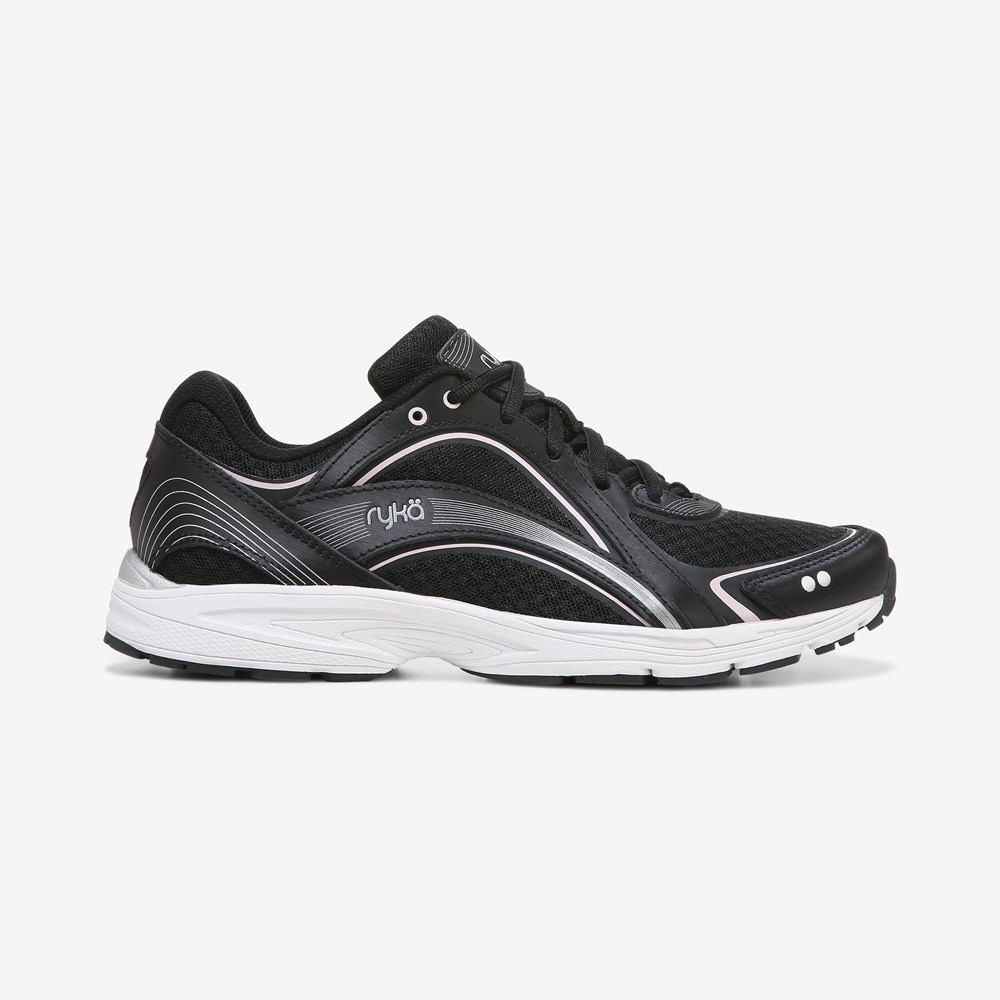
The walking journey is not monolithic, and neither is Ryka’s lineup. Your choice should mirror your primary terrain. For the urban walker or treadmill enthusiast, models like the Ryka Devotion Plus 3 are quintessential. They offer plush, all-day cushioning, exceptional arch support, and a smooth ride perfect for hard, even surfaces. The outsole is designed for pavement grip without aggressive lug patterns. Conversely, if your path veers onto gravel, packed dirt, or light trails, a model like the Ryka Hydro Sport Water Shoe or the trail-specific versions with more pronounced tread patterns and often enhanced water resistance becomes vital. The difference is not cosmetic; it’s functional. A trail shoe provides lateral stability and protection from uneven ground, features that are unnecessary and potentially cumbersome on flat concrete. Consider your environment as the first filter. The second filter is your foot type. Do you have a high arch that requires deep cushioning? Or a flatter foot that needs more motion control? Many Ryka models specify their support profile, allowing you to match shoe technology to your physiology. This level of specificity ensures that the Ryka walking shoes for women you select are not just shoes, but tools optimized for your personal route and biomechanics.
The Intangible Dividend: Confidence and Community
Beyond the measurable metrics of cushioning and stability lies a powerful, often unspoken benefit: the psychological lift of wearing footwear that fits and performs impeccably. When a shoe disappears in its comfort—when you’re no longer thinking about hot spots, heel slip, or arch ache—your mind is freed. Your walk becomes a meditation, a creative session, or a vigorous workout, unimpeded by distraction. This aligns with the philosophy echoed by fitness influencers and psychologists alike: the right gear removes barriers to engagement. Furthermore, Ryka has cultivated a strong community, often highlighted on platforms like their social media and athlete testimonials. This sense of belonging to a brand that explicitly champions women’s fitness from the ground up adds a layer of motivation. It’s the difference between a commodity and a companion on your fitness journey. The confidence derived from proper support translates into longer walks, more consistent routines, and a greater sense of capability. In this light, Ryka walking shoes for women are an investment in sustained wellness, enabling the walker to focus on the horizon, not on her feet.
Making an Informed Investment: Value Beyond the Price Tag
Discussing footwear inevitably leads to cost. It’s vital to frame the purchase of quality walking shoes not as an expense, but as a preventative investment in your musculoskeletal health. As the famous running coach and author Dr. Jack Daniels has often stated, “The most expensive shoe is the one that causes an injury.” A poorly fitted shoe can lead to a cascade of issues—plantar fasciitis, shin splints, knee pain—whose treatment costs far exceed the price premium of a properly engineered shoe. Ryka walking shoes for women typically occupy a mid-range price point in the performance footwear market, often found between $70 and $120. However, savvy shoppers can frequently find previous-season models or colorways on discount at major retailers or the brand’s own outlet site for 20-40% off. This brings the cost into a highly competitive range for the technology offered. When evaluating price, consider the cost per mile. A $100 shoe that lasts for 500 miles of walking costs 20 cents per mile. A cheaper $50 shoe that wears out or causes discomfort at 200 miles costs 25 cents per mile and delivers inferior performance and potential pain. The true value lies in the synergy of anatomical design, durable construction, and injury prevention, making Ryka a financially and physiologically sound choice for the dedicated walker.

The journey toward better health through walking begins with a single step, and the quality of that step is fundamentally shaped by what you wear on your feet. Ryka walking shoes for women represent a convergence of empirical science and empathetic design, built on the premise that women deserve footwear that originates from their unique form. From the precise geometry of their lasts to the strategic placement of cushioning and support, these shoes are more than mere products; they are engineered solutions for the female walker. Choosing them is a decision to prioritize long-term well-being, comfort, and performance, ensuring that every walk, whether a brisk morning loop or a lengthy weekend exploration, is supported from the ground up.
