

The Ultimate Guide to Walking Shoes That Look as Good as They Feel
For too long, the world of shoe walking has been divided into two camps: the stylish and the comfortable. We’ve accepted the notion that a shoe that turns heads must punish our feet, while a shoe that cradles them must sacrifice all aesthetic appeal. This is a false dichotomy. The pursuit of a perfect walking shoe is not a compromise but a synthesis—an engineering and design challenge that, when met, transforms the simple act of moving from point A to point B into a daily pleasure. This guide dismantles the myth, proving that you can, and absolutely should, demand both form and function. We will navigate through the science of support, the principles of design, and the tangible benefits of making the right choice, arming you with the knowledge to select footwear that elevates your stride in every sense.
The Non-Negotiable Science of Support: Why Your Feet Aren’t Wrong, Your Shoes Are
Before we admire the silhouette, we must understand the foundation. The human foot is a marvel of biomechanical engineering, comprising 26 bones, 33 joints, and over 100 muscles, tendons, and ligaments. Every step you take is a complex orchestration of impact absorption, weight distribution, and propulsion. A proper walking shoe is not merely a covering; it is a partner in this process. The consequences of poor footwear are not subjective complaints but measurable physiological outcomes. Studies from institutions like the University of Pittsburgh’s Department of Orthopedic Surgery highlight that improper footwear can lead to a cascade of issues, from plantar fasciitis and metatarsalgia to misalignment affecting knees, hips, and the lower back. The act of shoe walking in ill-fitting or unsupportive shoes essentially forces your body to compensate for the shoe’s deficiencies, creating inefficient and potentially harmful movement patterns. Therefore, the “feel” of a shoe is not a vague concept of softness. Scientifically, it encompasses cushioning that attenuates ground reaction forces, arch support that maintains the foot’s natural posture, and a heel counter that stabilizes the rearfoot to prevent excessive pronation or supination. As renowned podiatrist Dr. William Rossi famously stated in his industry-shaping articles, “Shoes are the primary interface between our bodies and the ground we walk on.” Treating this interface as an afterthought is to ignore the fundamental mechanics of human locomotion.
Decoding the Anatomy of a Superior Walking Shoe
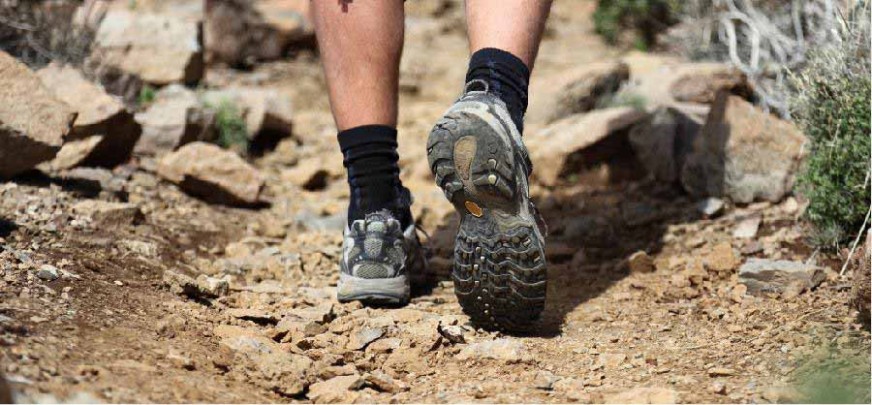
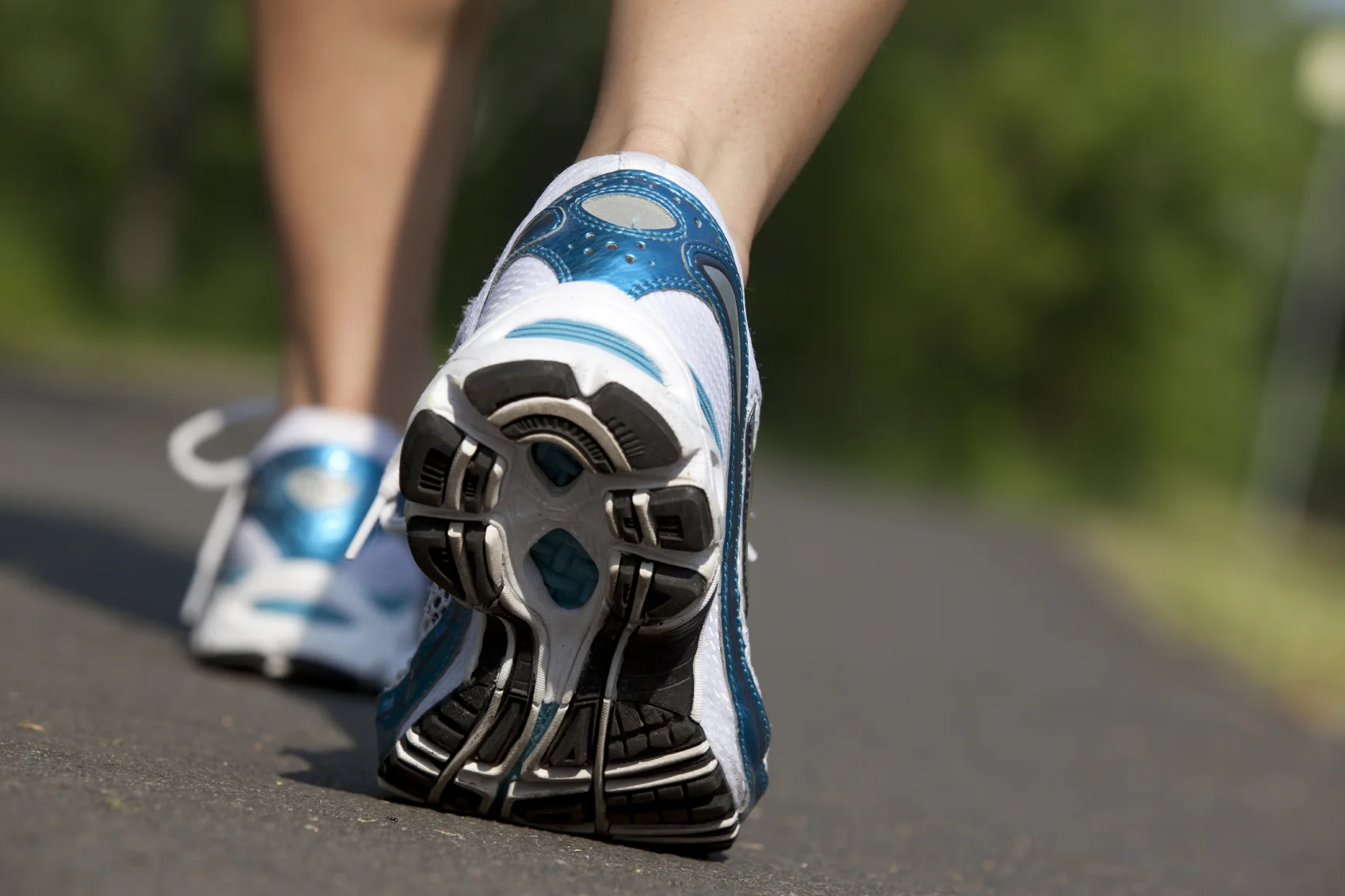
To make an informed choice, you must become fluent in the language of shoe construction. Let’s dissect the key components, moving from the ground up. The outsole, typically made of carbon rubber or blown rubber, is your traction and durability layer. Look for a flexible groove pattern that allows the shoe to bend naturally with your foot’s roll-through motion. The midsole is the heart of cushioning and support. Technologies like EVA foam, polyurethane, or proprietary gels (like ASICS’ GEL or Brooks’ DNA LOFT) are engineered to provide responsive cushioning. Here, density matters—a firmer medial post on the inner side of the midsole is a critical feature for those who overpronate, offering structured guidance. The insole or sockliner is your foot’s immediate contact point; removable insoles are a bonus, allowing for custom orthotics. The upper must be a marriage of structure and breathability. Materials like engineered mesh provide ventilation and adaptive stretch, while synthetic overlays offer strategic reinforcement without bulk. Never underestimate the heel counter—the rigid cup at the back. A firm, well-padded counter locks your heel in place, preventing slippage that can lead to blisters and inefficient energy transfer. Finally, the last—the shape around which the shoe is built—should match your foot’s volume. A thoughtful combination of these elements creates a synergy that makes the experience of shoe walking effortless. As noted in a biomechanics review from Harvard University’s Skeletal Biology Lab, “Optimal footwear design works in concert with the foot’s intrinsic musculature, rather than attempting to replace its function.”
Aesthetic Alchemy: Where Design Meets the Pavement
Now, let’s address the “look as good” imperative. Style in walking shoes has evolved from clunky afterthoughts to design-forward statements. The key is understanding that aesthetic appeal does not contradict technical performance; modern materials and manufacturing have made them symbiotic. Consider the minimalist trend: clean lines, monochromatic colorways, and sleek profiles. Brands like Cole Haan, Allbirds, and certain lines from New Balance have mastered this, offering shoes you can confidently wear from a morning walk to a casual business meeting. The use of premium materials—think suede accents, knit uppers, and tasteful metallic details—elevates the shoe beyond gym-adjacent gear. Color blocking, where contrasting panels are used strategically, can visually slim a shoe and highlight its architectural lines. The inspiration often comes from unexpected places. For instance, the resurgence of classic tennis shoe silhouettes or the influence of high-fashion sneaker collaborations demonstrates that performance footwear is firmly entrenched in the cultural zeitgeist. As designer Tinker Hatfield, the visionary behind iconic Nike Air Max and Jordan models, once explained in an interview, “The best designs solve a problem in a way that is not only functional but also emotionally resonant.” A great walking shoe solves the problem of comfort while resonating with your personal style, making you eager to put them on. This emotional connection is crucial; it transforms a utilitarian item into a beloved part of your daily routine.
The Personal Fit: A Journey, Not a Destination
With science and style in mind, the final, most critical step is personalization. Your foot is as unique as your fingerprint, and the “best” shoe is the one that fits your foot. This process begins with timing. Shop for shoes in the afternoon or evening, as feet naturally swell throughout the day. Always try on both shoes, wearing the same type of socks you intend to walk in. There should be about a thumb’s width (roughly 3/8 to 1/2 inch) of space between your longest toe and the end of the shoe. Width is equally vital; your foot should not spill over the midsole, nor should there be excessive gapping. Don’t be enslaved by your nominal size; vary between brands and models. When you stand and walk, pay attention to pressure points. The shoe should feel secure at the heel and midfoot without constricting the forefoot. Remember, the goal of shoe walking is harmony. Consider your gait. Many specialty running stores offer free gait analysis. Are you a neutral walker, an overpronator, or do you supinate? This knowledge is power, directing you to shoes with the appropriate level of stability or neutral cushioning. Your walking environment matters, too. Pavement-pounding urban walkers may prioritize maximum cushioning, while trail walkers need aggressive lugs for grip and protective toe caps. This journey of finding your perfect match is an investment in your long-term mobility and well-being.
Investment Versus Expense: The Long-Term Value of Quality
It is tempting to see a high price tag on a pair of premium walking shoes as a cost. This is a fundamental misperception. In reality, it is an investment with a significant return on investment (ROI) measured in health, comfort, and durability. A well-constructed shoe from a reputable brand using higher-grade materials will not only perform better from day one but will also withstand the rigors of daily use far longer than a cheaply made alternative. The midsole foam in budget shoes often compresses and loses its resiliency quickly, long before the outer sole shows significant wear, meaning the shoe stops providing adequate support while still looking intact. Economically, spending $120 on a shoe that lasts 500 miles is vastly superior to spending $60 on a shoe that breaks down in 200 miles. Furthermore, the preventative healthcare savings are immense. As highlighted by the American Podiatric Medical Association, investing in proper footwear is a primary strategy for avoiding costly podiatric interventions later. Think of it as proactive maintenance for your body’s foundation. The joy of shoe walking without pain, the confidence of a stylish step, and the avoidance of injury-related expenses collectively represent a value proposition that far exceeds the initial outlay. Quality is never an expense; it is always an investment.
Your Next Step: A Curated Starting Point
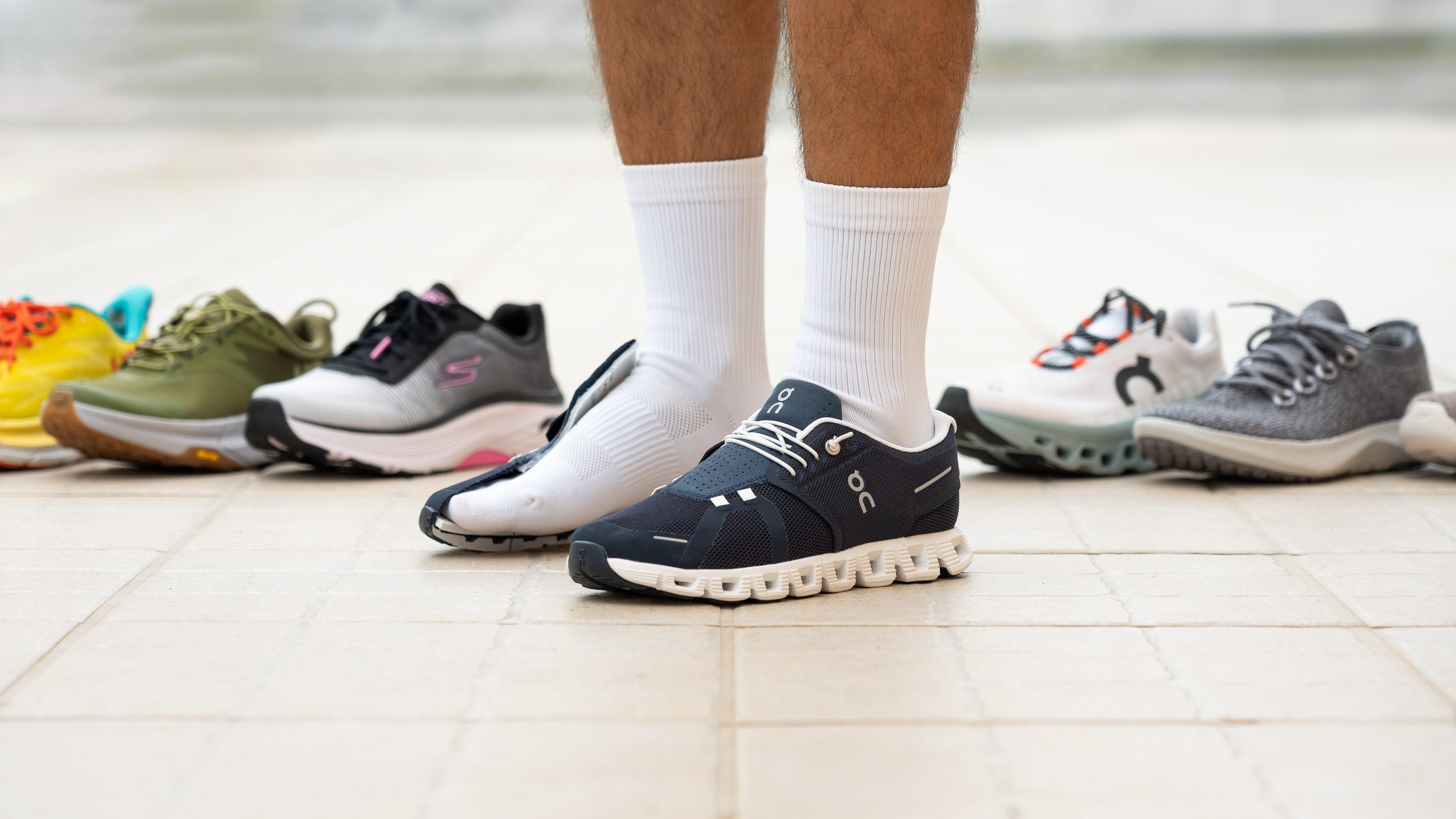
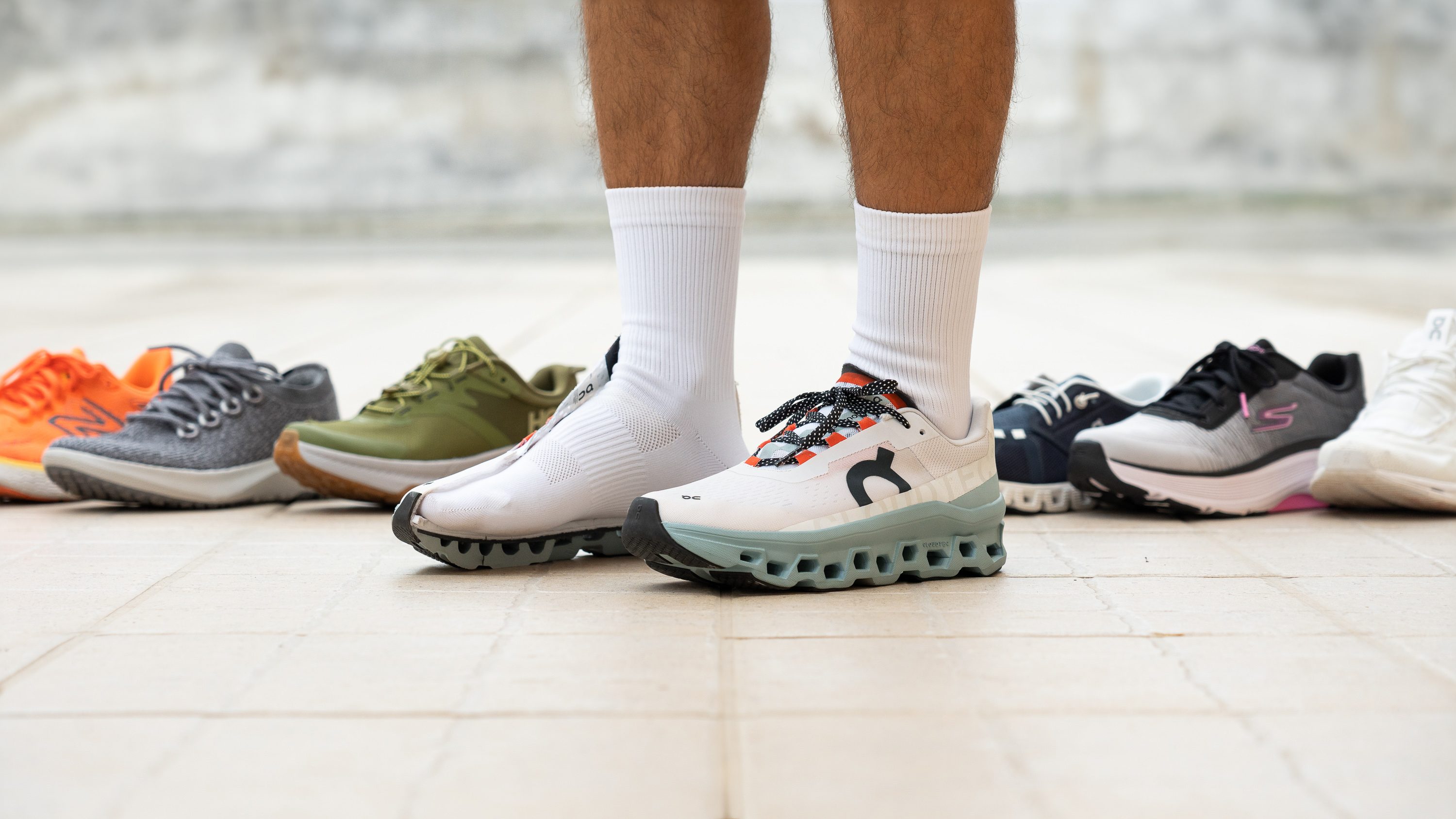
Armed with this knowledge, you are ready to act. To bridge the gap between theory and practice, here is a curated look at categories and models that exemplify the marriage of aesthetics and engineering, often available at discounted prices through seasonal sales, outlet stores, or online retailers. For the urban minimalist seeking all-day comfort and sleek style, consider the Allbirds Tree Runners or the Cole Haan GrandPro Tennis Sneaker. Their knit uppers and clean designs work seamlessly in casual settings. For those requiring serious support and stability, the Brooks Addiction Walker 2 is a clinic-approved workhorse with a extended progressive diagonal rollbar, often found in wide widths. The New Balance 928v3 is another cornerstone for overpronation, built on a last specifically designed for stability. If your priority is plush, cloud-like cushioning for long pavement walks, the HOKA ONE ONE Bondi 8 is legendary, its maximalist midsole providing exceptional shock absorption in a surprisingly modern package. Remember to check official brand outlets, websites like Zappos (which often have sales sections), and even reputable sellers on Amazon for discounted prices on previous seasons’ colorways. The perfect pair for your shoe walking journey is out there, waiting to be discovered.
The search for the ideal walking shoe is a rejection of the old paradigm. It is a declaration that you value your physical well-being and your personal expression equally. It acknowledges that every step matters—not just in distance covered, but in the quality of the journey. By prioritizing the biomechanical truth of support, embracing the possibility of elegant design, and understanding the long-term wisdom of the investment, you unlock a new dimension of daily movement. Your feet, your posture, and your style will articulate the benefits long after the initial purchase. The path forward is clear, and it is best traveled in shoes that don’t ask you to choose between how they feel and how they look.
