

The Ultimate Guide to Walking Shoes That Elevate Your Everyday Look
Forget the notion that style and comfort are mutually exclusive, especially when it comes to the foundation of your daily attire: your shoes. The right pair of walking shoes is not merely a practical necessity for navigating city streets or park paths; it is a silent yet powerful statement of personal style and intelligent self-care. This guide dismantles the old paradigm, proving that the ideal walking shoe seamlessly blends cutting-edge biomechanical support with sophisticated design, transforming an everyday essential into a cornerstone of a elevated, confident look. We move beyond basic functionality to explore how the very act of shoe walking can be enhanced by footwear that looks as good as it performs.
The Anatomy of a Modern Walking Shoe: Where Science Meets Style
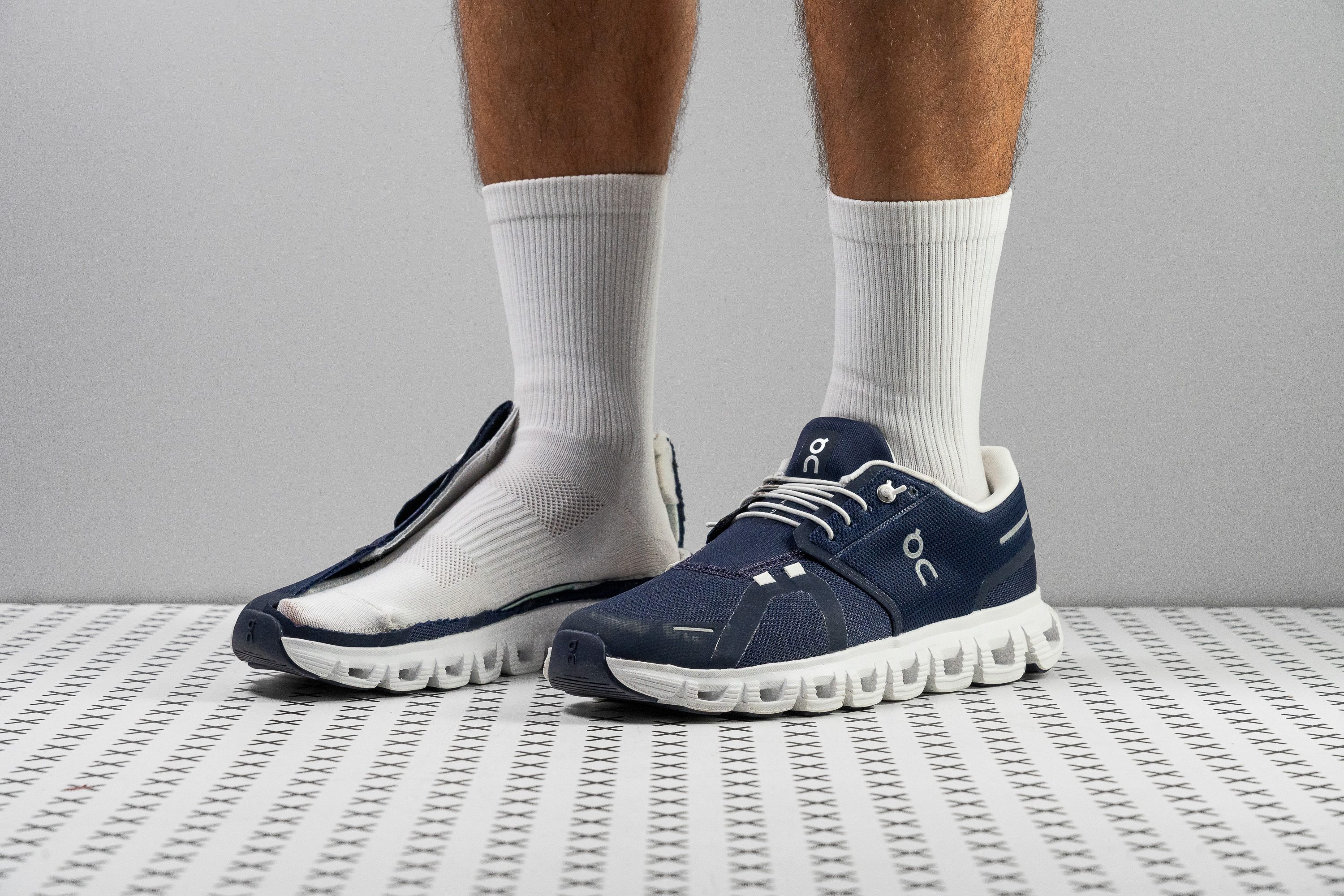
The evolution of the walking shoe is a testament to human ingenuity applied to one of our most fundamental activities. No longer clunky or purely utilitarian, today’s designs are informed by rigorous podiatric science and material innovation. At the core is the midsole, often crafted from advanced compounds like EVA (Ethylene-Vinyl Acetate) or polyurethane, which provides the critical cushioning to absorb the repeated impact forces of shoe walking. According to biomechanics literature from institutions like the University of Calgary’s Human Performance Laboratory, proper midsole design can reduce peak pressure on the heel by up to 30%, a significant factor in long-term joint health. The outsole’s rubber composition and tread pattern are engineered not just for grip but for flexibility, allowing the foot to roll naturally from heel to toe—a phase known as the gait cycle. The upper, once simple leather or mesh, now utilizes engineered knits and sustainable materials that offer breathability, a sleek profile, and adaptive fit. This confluence of elements means that every step you take is supported by a framework of invisible technology, freeing you to focus on your day while your shoes handle the biomechanics. The result is a product that performs a complex scientific function while presenting a clean, modern aesthetic suitable for a variety of settings, from a casual office to a weekend brunch.
Identifying Your Gait: The First Step to the Perfect Pair
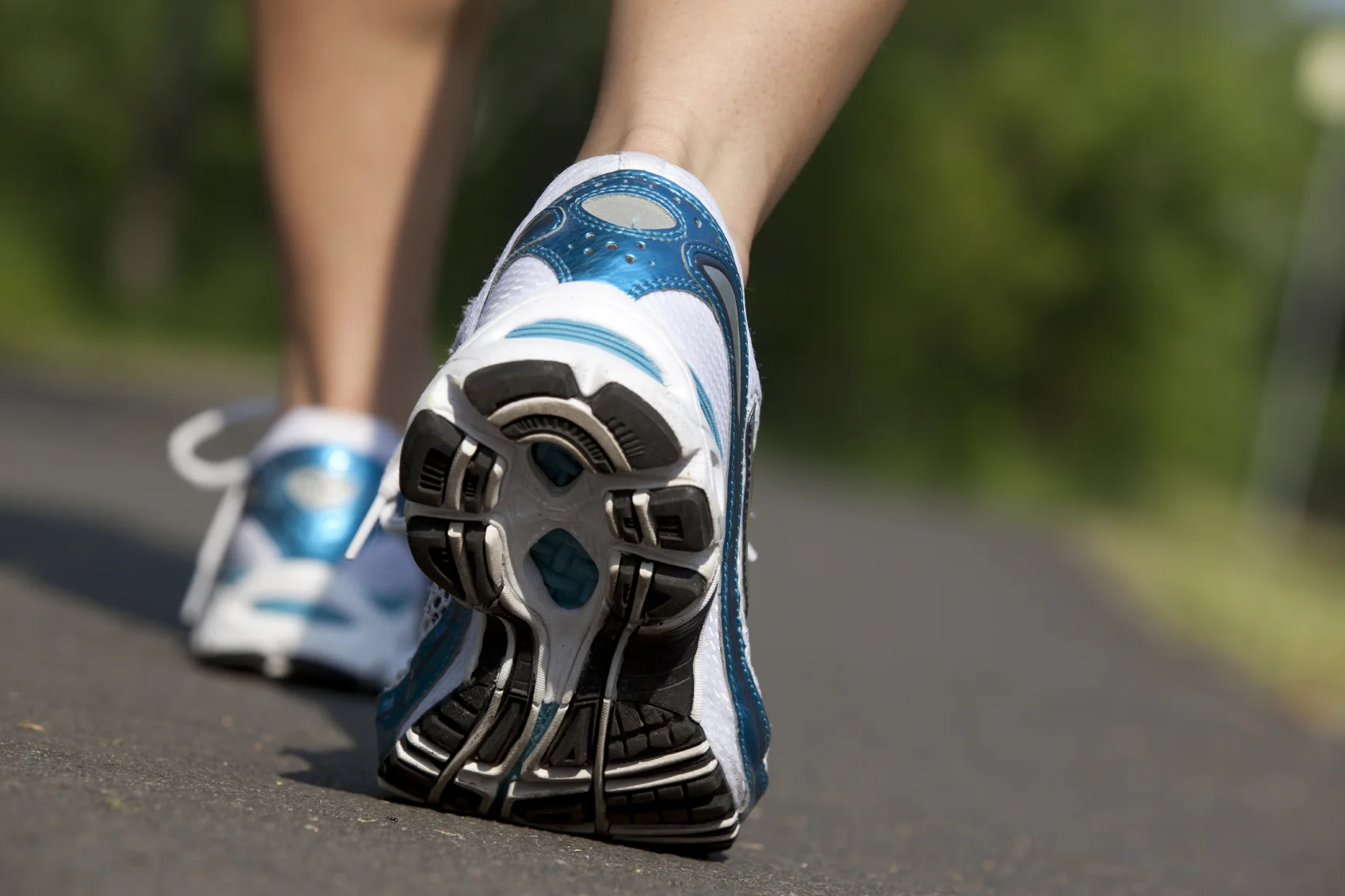
Selecting a walking shoe is not a one-size-fits-all endeavor; it begins with understanding your unique biomechanics. The term “gait” refers to your manner of walking, and its analysis is fundamental in sports medicine and podiatry. Primarily, we categorize foot strikes into three types: neutral, overpronation, and supination (or underpronation). Overpronation, where the foot rolls inward excessively, is common and, if uncorrected, can lead to issues like plantar fasciitis or shin splints. As noted on authoritative health platforms like WebMD and insights from podiatrists on YouTube channels like “The Foot & Ankle Center,” shoes designed for stability or motion control with firmer medial (inner) posts can help align the stride. Conversely, a supinated foot rolls outward, requiring highly cushioned, flexible shoes to aid shock absorption. The simplest method for self-analysis is the “wet test”: wet your foot and step onto a paper bag or dark cardboard. The imprint reveals your arch type—a flat, wide imprint suggests low arches (often linked to overpronation), a curved, narrow connection indicates high arches (often supination), and a balanced imprint points to a neutral gait. Investing time in this analysis is non-negotiable. The correct shoe for your gait doesn’t just prevent discomfort; it optimizes the efficiency and health of every instance of shoe walking, making your daily movement a therapeutic activity rather than a source of stress on your body.
Material Matters: Sustainability and Sensation
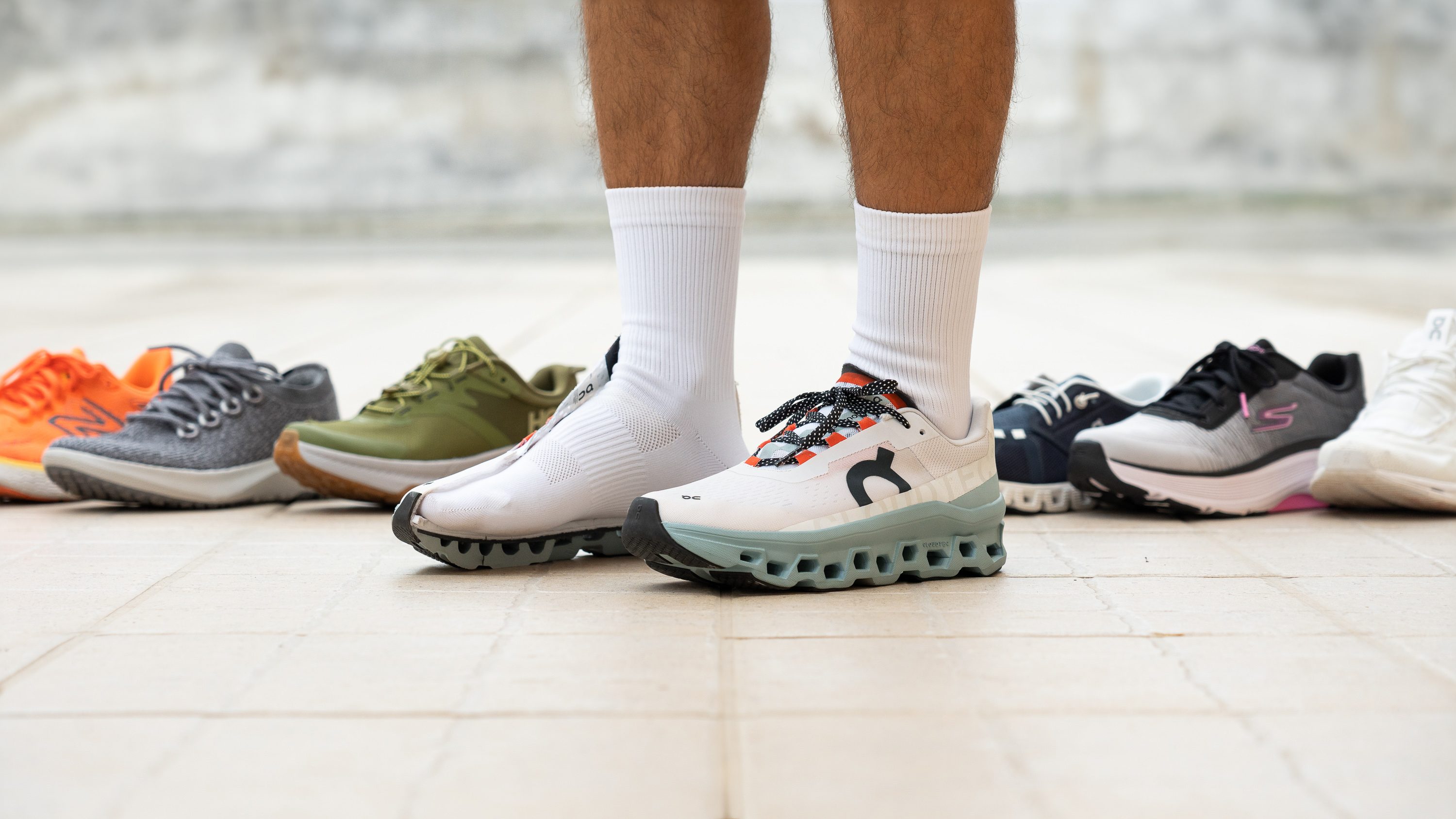
The conversation around walking shoes now inevitably extends to their material composition, reflecting a broader shift in consumer consciousness. The traditional use of virgin plastics and synthetic leathers is being challenged by innovative, eco-conscious alternatives. Brands are increasingly turning to recycled polyester from plastic bottles for uppers, natural rubber for outsoles, and even materials like algae-based foam for midsoles. This isn’t just greenwashing; as highlighted in reports from the Massachusetts Institute of Technology’s Materials Research Laboratory, these next-gen materials often rival or exceed the performance of their conventional counterparts in terms of weight, durability, and breathability. Furthermore, the tactile experience is paramount. A shoe crafted from premium, recycled knit offers a sock-like, seamless fit that reduces the potential for blisters—a common adversary in prolonged shoe walking. The aesthetic dividend is substantial: these materials lend themselves to minimalist designs, textured finishes, and a palette that feels inherently modern and considered. Choosing a shoe made with such materials means your fashion choice aligns with an ethical stance, and the comfort derived from soft, adaptive, and breathable fabrics elevates the sensory experience of walking, turning each commute into a more pleasant journey.
Curating Your Look: The Shoe as a Style Anchor
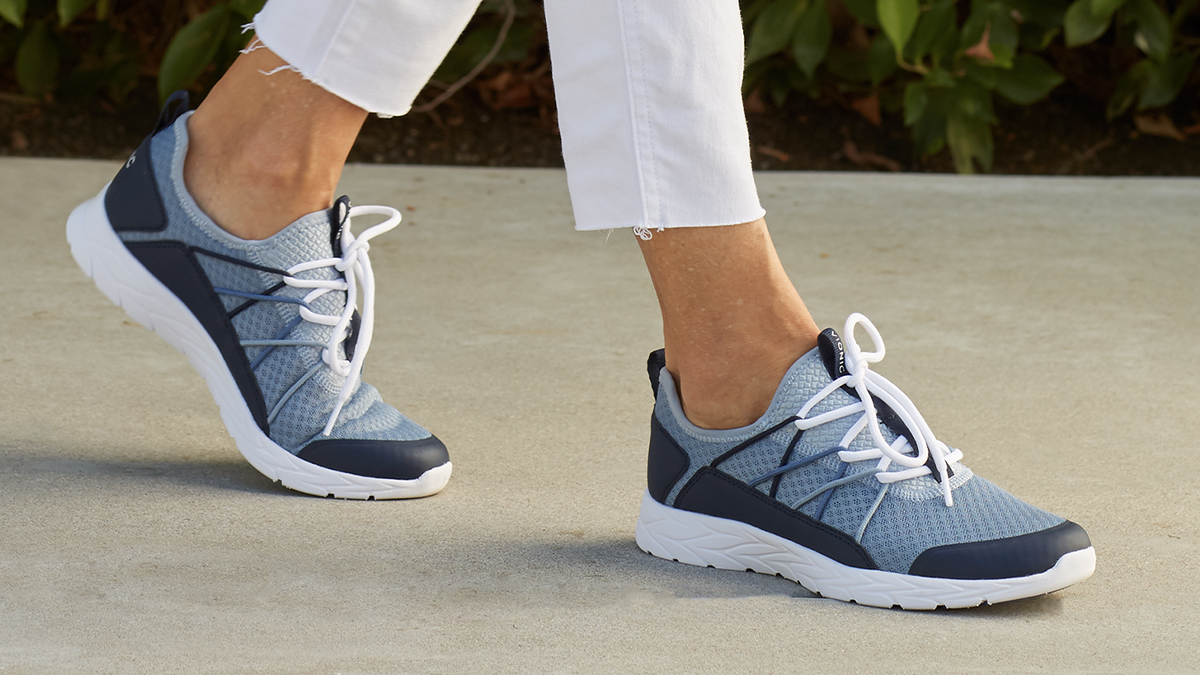
With the technical foundations secured, we arrive at the most visually rewarding aspect: integrating walking shoes into your personal style lexicon. The key is to view them not as isolated sportswear but as versatile components of a cohesive wardrobe. A sleek, monochromatic sneaker in white, black, or grey can anchor everything from tailored trousers and a blazer (creating a smart-casual fusion praised by style commentators from GQ to The Kinfolk) to relaxed jeans and a simple tee. The contrast between formal elements and technical footwear is precisely what feels contemporary. For a more avant-garde approach, consider shoes with distinctive, architectural soles or bold color blocking; these become the focal point of an otherwise neutral outfit. The philosophy is one of intentional juxtaposition. As fashion influencer and author Brittany Bathgate once noted on her platform,
“The most interesting looks often stem from a dialogue between polish and practicality. A beautifully crafted walking shoe provides that narrative—it tells of a life in motion, of someone who values both aesthetics and agency.”
This mindset liberates you from rigid categories. Your shoes for shoe walking to the farmer’s market can, with confidence, be worn to a casual gallery opening or a creative workplace. They signify a person who is prepared, thoughtful, and stylishly engaged with the rhythms of modern life.
Investment and Value: Beyond the Price Tag
Viewing a quality walking shoe as an investment is a perspective shift that pays dividends in health, comfort, and cost-per-wear. A well-constructed shoe from a reputable brand, often priced between $120 and $180, is engineered to last 300 to 500 miles of walking. When amortized over daily use, the value becomes clear. Compare this to cheaper, poorly supported alternatives that may degrade in cushioning and structure within a few months, potentially leading to foot pain that incurs its own “cost” in well-being. To make this investment more accessible, savvy shoppers can look to end-of-season sales, brand outlet websites, or reputable online retailers that frequently offer discounts of 20-30% on previous models. The technology in last year’s top-tier model remains vastly superior to this year’s budget option. Remember, the true cost isn’t just the purchase price; it’s the support, durability, and style longevity the shoe provides. Prioritizing this investment is a commitment to your physical foundation, ensuring that every session of shoe walking contributes positively to your posture, energy, and overall presentation. It is, quite literally, a step toward a more resilient and refined you.
The journey to finding walking shoes that elevate your everyday look is an exercise in informed self-expression. It requires a balance of introspective analysis—understanding your body’s mechanics—and an outward-looking sense of style. By choosing footwear grounded in scientific principles and crafted with thoughtful design, you transform a mundane act into a statement. You are not just walking; you are moving through your world with supported, conscious grace. The right shoes become an extension of your intent: to navigate life comfortably, sustainably, and with undeniable style. Let your next step be your most confident yet.
