

The Ultimate Guide to Stylish and Comfortable Activewear
Gone are the days when activewear was confined to the gym, a simple uniform of function over form. Today, it represents a fusion of technology, aesthetics, and personal expression, designed to empower every movement of your life. Whether you’re flowing through a yoga sequence, pounding the pavement on a run, or simply embracing an athleisure-inspired day, the right gear is paramount. This guide delves beyond surface trends, offering a comprehensive look at how to build a wardrobe that is as scientifically supportive as it is stylish, ensuring you feel confident and comfortable from your first morning stretch to your evening wind-down. We’ll navigate fabrics, fits, and features, turning the often-overwhelming world of technical apparel into a curated collection that works for you.
The Foundation: Fabric Technology Decoded
The soul of any great activewear piece lies in its fabric. Understanding the material science behind your clothing is the first step toward making informed, comfortable choices. Modern performance fabrics are engineered with specific intentions: moisture-wicking, compression, breathability, and durability. Moisture-wicking, often achieved through hydrophobic (water-repelling) treatments or capillary action in synthetic fibers like polyester or nylon, pulls sweat away from the skin to the fabric’s outer surface where it can evaporate. This is crucial for maintaining thermoregulation and preventing chafing. Conversely, natural fibers like cotton, while soft, tend to absorb and retain moisture, leading to a heavy, damp feeling during intense activity—a principle well-documented in textile science literature from institutions like the Cornell University College of Human Ecology.
Compression fabrics, typically incorporating a percentage of spandex (also known as Lycra or elastane), apply gentle pressure to muscle groups. Peer-reviewed studies, such as those cited in the Journal of Sports Sciences, suggest this may aid in proprioception (body awareness) and potentially reduce muscle oscillation, thereby decreasing fatigue. Breathability is governed by the fabric’s weave or knit structure, allowing air to circulate and heat to escape. Furthermore, innovations like phase-change materials or fabrics with UV protection add layers of functionality. When selecting a base layer or a high-intensity training top, prioritizing these technological aspects ensures your body is supported scientifically, allowing you to focus purely on your performance or enjoyment. This objective understanding of fabric removes guesswork and aligns your purchases with your actual physical needs.
Ergonomics and Fit: Where Science Meets Silhouette
Style in activewear is meaningless without a foundation of exceptional fit. Ergonomics—the study of people’s efficiency in their working environment—applies directly to how clothing interacts with the dynamic human body. A well-designed pair of leggings or a training jacket considers muscle movement, joint articulation, and potential pressure points. For instance, flatlock seams prevent chafing during repetitive motions, a feature you’ll appreciate on long runs or in cycling classes. Gusseted crotches in shorts and leggings offer greater freedom of movement and reduce stress on the fabric, a small detail with a significant impact on comfort and longevity.
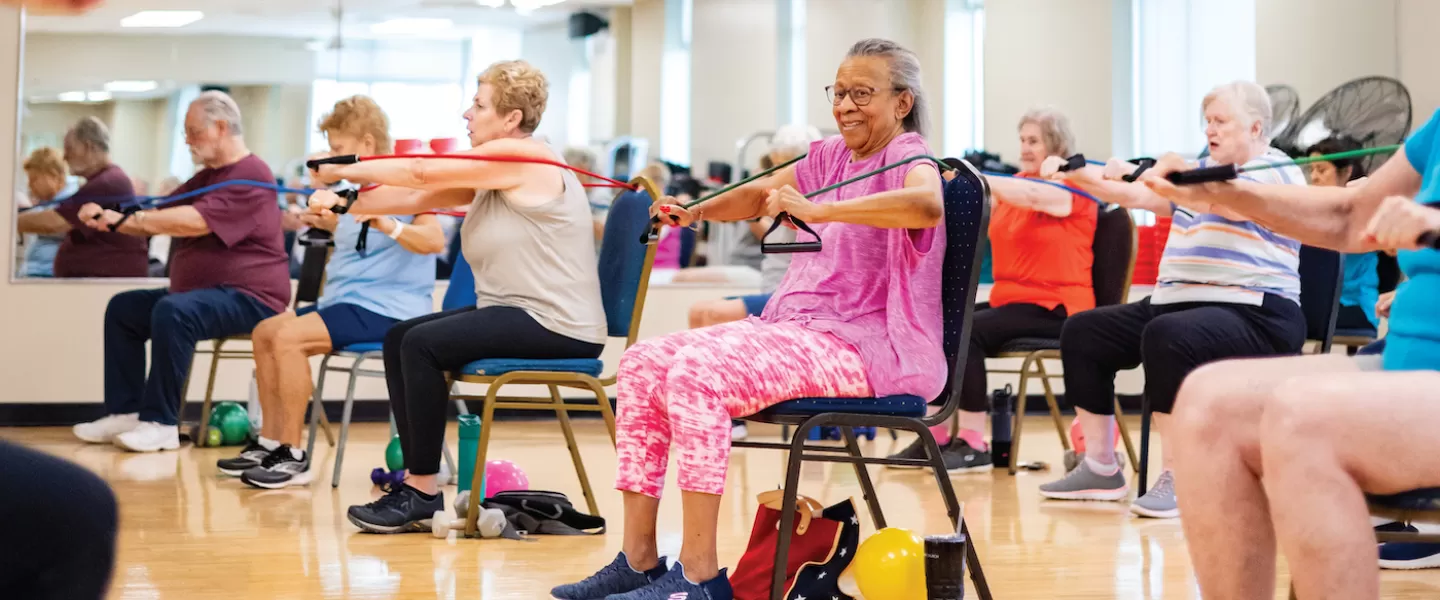
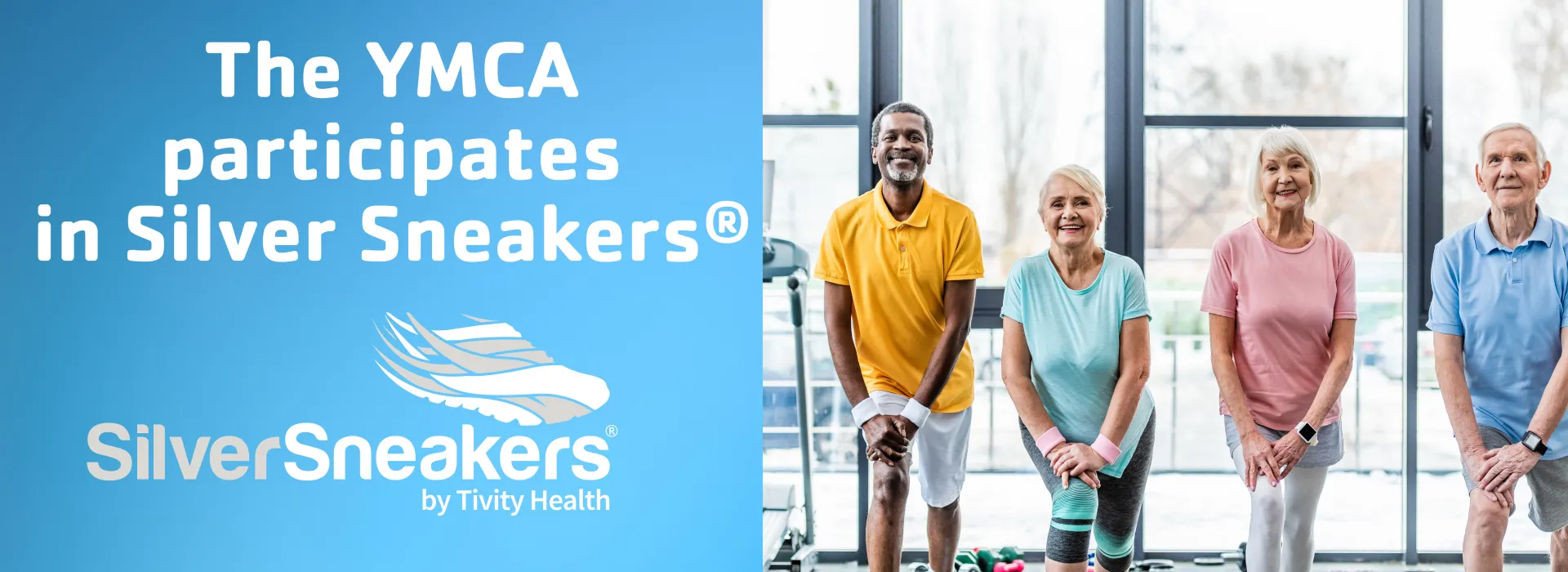
The concept of “fit” itself is multi-faceted. Compression fit should feel supportive but not restrictively tight, while a relaxed fit should allow airflow without excess fabric that could snag or impede movement. Brands often use biomechanical studies to pattern their garments, ensuring the fabric stretches and recovers in alignment with major muscle groups. As noted by renowned costume designer and functional apparel expert in various industry publications, “The line of a garment in motion is as important as its line at rest.” This means the true test of activewear is not on the hanger, but in a deep lunge, an overhead press, or a full forward fold. Seeking out brands that prioritize this anatomical design, perhaps even offering different inseams or torso lengths, is investing in pieces that will perform as hard as you do. It’s a principle embraced by inclusive fitness programs everywhere, including popular senior wellness initiatives like ymca silver sneakers, where appropriate, non-restrictive fit is paramount for safety and participation.

Layering Logic: Adapting to Activity and Environment
Mastering the art of layering transforms a limited activewear wardrobe into a versatile system capable of handling any condition. The base layer, as discussed, manages moisture. The mid-layer, often a fleece or lightweight jacket, provides insulation by trapping body heat. The outer shell protects against wind, rain, or snow. This modular approach, championed by outdoor enthusiasts and detailed in resources from authoritative sources like the Appalachian Mountain Club, allows you to add or subtract layers as your body temperature and the external environment change during activity.
From a style perspective, layering introduces texture, color blocking, and dimension. A sleek, long-line sports bra under a mesh tank, paired with high-waisted leggings and a lightweight windbreaker tied around the waist, creates a complex, fashionable look rooted in utility. The key is ensuring each layer maintains its core function without bulk. For example, a merino wool blend mid-layer offers exceptional warmth-to-weight ratio and odor resistance, allowing for thinner, more streamlined pieces. Understanding this system empowers you to make smart purchases—investing in a few high-quality, versatile layers rather than numerous single-purpose items. It’s about creating a capsule wardrobe for movement, where every piece has a defined role and can be mixed and matched seamlessly, much like the adaptable class structures found in programs like ymca silver sneakers that cater to varying fitness levels and goals.
Sustainability and Ethical Considerations: Conscious Activewear
The activewear industry’s environmental footprint is substantial, driving a growing demand for sustainable and ethically produced options. This shift is not merely a trend but a necessary evolution, supported by data from organizations like the Ellen MacArthur Foundation which highlight the textile industry’s impact on pollution and waste. Sustainable activewear can encompass several aspects: materials, processes, and corporate ethics. Recycled materials, such as polyester made from post-consumer plastic bottles or nylon regenerated from fishing nets, give waste a new life while reducing reliance on virgin petroleum-based fabrics. Natural, renewable fibers like Tencel™ Lyocell, derived from sustainably sourced wood pulp, offer a biodegradable alternative with excellent moisture-wicking properties.
Beyond materials, consider the manufacturing process. Are brands using water-saving dyeing techniques? Are they committed to fair labor practices and transparent supply chains? Certifications like Bluesign® or Fair Trade can serve as helpful guides. As environmental activist and author Bea Johnson famously advocates in her “5 R’s” philosophy (Refuse, Reduce, Reuse, Recycle, Rot), the most sustainable garment is often the one you already own. Therefore, investing in durable, timelessly styled activewear made to last for years aligns with both ecological and economic sense. Choosing quality over quantity reduces consumption and waste, a value that resonates across communities, including those engaged in lifelong wellness through programs such as ymca silver sneakers, which often emphasize holistic, responsible living.
Styling for Life: The Athleisure Revolution
Athleisure is more than a portmanteau; it’s a cultural shift that legitimizes comfort and performance aesthetics in everyday settings. This movement is underpinned by the psychological concept of “enclothed cognition”—the systematic influence that clothes have on the wearer’s psychological processes, as explored by researchers Hajo Adam and Adam D. Galinsky. Wearing clothing associated with competence and activity can subtly enhance one’s confidence and mindset. The key to mastering athleisure is intentionality. It’s about pairing a technically advanced, stylish piece with more traditional casual wear to create a cohesive look.
For example, pair a sleek, monochromatic set of leggings and a zip-up jacket with a tailored wool coat and minimalist sneakers for weekend errands. Or, layer a fine-knit turtleneck under a stylish training tank for a coffee meet-up. The goal is a seamless transition from a fitness session to social engagements without a complete wardrobe change. This demands activewear that is not only functional but also possesses clean lines, sophisticated color palettes, and minimal branding. The versatility required here mirrors the adaptable nature of community fitness offerings; just as a ymca silver sneakers participant might move from a strength class to a social event, your wardrobe should facilitate fluidity between different aspects of your day. Brands that excel in this space design with a dual purpose: performance-ready details hidden within aesthetically polished silhouettes.

Investment vs. Value: Navigating Price and Performance
The activewear market spans a vast price spectrum, from budget-friendly fast fashion to premium technical brands. Discerning value requires looking beyond the price tag to the cost-per-wear and the tangible benefits offered. High-performance brands often justify their price through proprietary fabric technologies, extensive research and development, rigorous durability testing, and ethical manufacturing—factors supported by detailed white papers and lifecycle assessments from the brands themselves. A $100 pair of leggings that retains its shape, compression, and appearance for 200 wears offers better value than a $30 pair that pills, fades, and loses elasticity after 20.
However, innovation has trickled down, and many mid-range brands now offer exceptional quality. The savvy shopper should look for key features relevant to their activities: four-way stretch, a secure waistband, opaque fabric, and thoughtful details like pockets. Sales, seasonal discounts, and outlet stores are excellent ways to acquire premium pieces at a reduced cost. Furthermore, consider the brand’s community engagement and values—do they support initiatives that align with yours? Many local community centers, including those offering the ymca silver sneakers program, often have partnerships or can advise on reliable brands that offer member discounts, bringing professional-grade knowledge and accessible pricing to a wider audience. Ultimately, your activewear is an investment in your health and well-being; allocating resources toward pieces that genuinely enhance your experience is a form of self-care.
Building Your Core Collection: A Curated Approach
Overwhelm is common when facing endless options. The solution is a strategic, curated approach to building your activewear wardrobe. Start by identifying your primary activities. A runner’s core needs—high-support sports bras, moisture-wicking tops, and shorts with secure liners—differ from a yogi’s, who may prioritize seamless construction and fabric with great grip for poses. Begin with neutrals (black, navy, grey) for foundational items like leggings and sports bras, as they offer maximum versatility. Then, introduce color and pattern through tops, jackets, or accessories.
A foundational capsule might include: two pairs of high-quality, full-length leggings; one pair of training shorts; three performance tops (a tank, a short-sleeve, and a long-sleeve); two high-support sports bras; a lightweight, packable jacket; and a versatile sweatshirt or hoodie. This collection can be mixed, matched, and layered to suit virtually any workout or casual scenario. As your practice evolves, you can add specialized items like thermal layers for winter running or water-resistant gear for trail hikes. Remember, the most effective wardrobe, much like the most effective fitness regimen found in programs like ymca silver sneakers, is one that is personalized, supportive, and adapts to your evolving journey. It’s not about owning the most, but about owning the right.
Your activewear is more than clothing; it’s the interface between your ambition and your action, between your personal style and your physical potential. By prioritizing scientific fabric technology, ergonomic design, versatile layering, sustainable choices, and intentional styling, you assemble more than an outfit—you equip a toolkit for an active, engaged life. This journey isn’t about chasing every trend but about understanding the principles that make clothing work for you, allowing you to move with confidence, comfort, and undeniable style in every chapter of your fitness narrative. Let your gear be a testament to your commitment, empowering every stretch, every stride, and every moment in between.
