

The Ultimate Guide to Saucony Walking Shoes for Everyday Style
In the realm of footwear where performance meets daily life, the choice of a walking shoe transcends mere utility; it becomes a statement of personal style and a commitment to well-being. Among the pantheon of athletic brands, Saucony has carved a distinct niche, merging decades of running heritage with designs suited for the rhythm of everyday movement. This guide delves into the essence of Saucony walking shoes, not as a simple product review, but as an exploration of how engineered comfort can elevate your daily stride. We will navigate the scientific principles behind their construction, the stylistic versatility they offer, and the tangible benefits they bring to your feet and posture. Forget generic advice; this is about understanding the synergy between biomechanics and design that makes a Saucony walking shoe a superior choice for the urban explorer, the dedicated walker, or anyone seeking reliable comfort from morning to night.
The Foundation: Biomechanics and Saucony’s Engineering Philosophy
To appreciate a Saucony walking shoe, one must first understand the biomechanics of walking. Unlike running, which involves a flight phase, walking is a continuous sequence of heel-strike, foot-flat, mid-stance, and toe-off. This gait cycle places unique stresses on joints and soft tissues. According to research from institutions like the University of Virginia’s Motion Analysis and Motor Performance Laboratory, proper footwear can mitigate impact forces and promote a more efficient, natural gait. Saucony’s approach is rooted in this science. Technologies like their PWRRUN and PWRRUN+ cushioning are not just marketing terms; they are proprietary foam compounds engineered for optimal energy return and durability. The brand often cites its heritage in precision running footwear, applying similar rigor to walking models. As noted on authoritative platforms like Runner’s World, the transition of such technologies from performance running to everyday walking shoes means the consumer receives a product over-engineered for its purpose, ensuring longevity and consistent comfort. The strategic placement of guidance systems, such as the medial posts in models like the Saucony Guide, is derived from podiatric literature aimed at reducing excessive pronation—a common cause of foot fatigue. Therefore, selecting a Saucony walking shoe is, in essence, choosing a tool calibrated for the human gait.
Anatomy of Comfort: Deconstructing Key Features
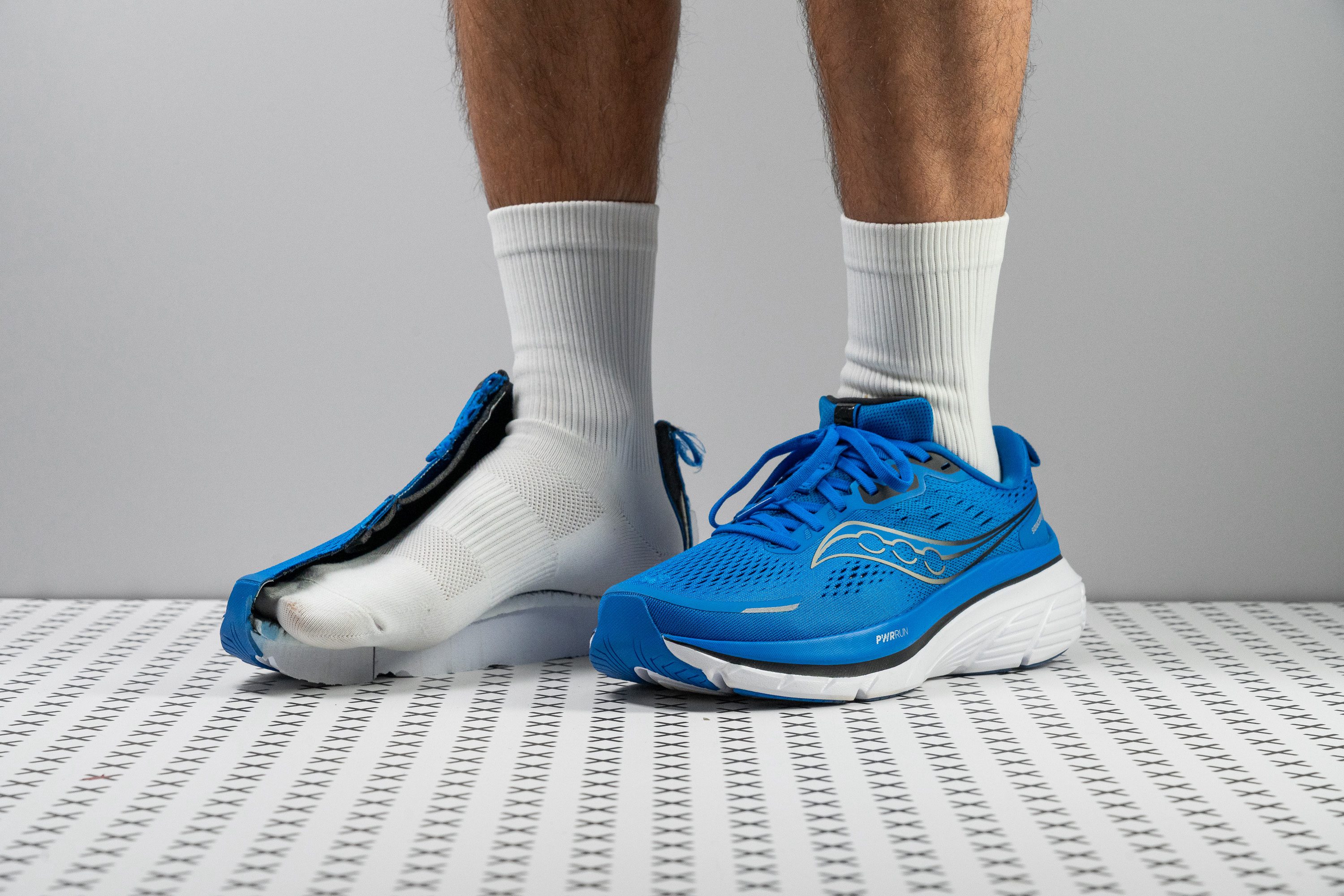
Let’s dissect the components that define the experience. The upper of a modern Saucony walking shoe, often utilizing engineered mesh, provides a breathable, adaptive fit. This isn’t mere fabric; it’s a structured system designed to accommodate foot swelling throughout the day while maintaining security. The midsole, the heart of the shoe, is where Saucony’s technological investments shine. PWRRUN foam, for instance, is praised for its balance of softness and responsiveness—a characteristic highlighted in wear-test analyses on sites like Road Trail Run. Then there’s the outsole. Saucony utilizes high-abrasion rubber compounds in critical wear zones, a detail often overlooked but vital for the “everyday” mandate. Durability is a form of sustainability and economy. Furthermore, the footbed and insole are frequently crafted with memory foam or anti-microbial treatments, addressing comfort and hygiene concerns for all-day wear. From a stylistic perspective, Saucony has mastered the art of translating performance silhouettes into aesthetically pleasing designs. The clean lines, varied color palettes (from muted neutrals to vibrant accents), and logo placement reflect a design philosophy that understands walking shoes are worn in boardrooms, cafes, and parks alike. The Saucony walking shoe thus operates on multiple levels: as a shock absorber, a stabilizer, a durable commodity, and a fashion accessory.
Styling Your Stride: Versatility for the Modern Wardrobe
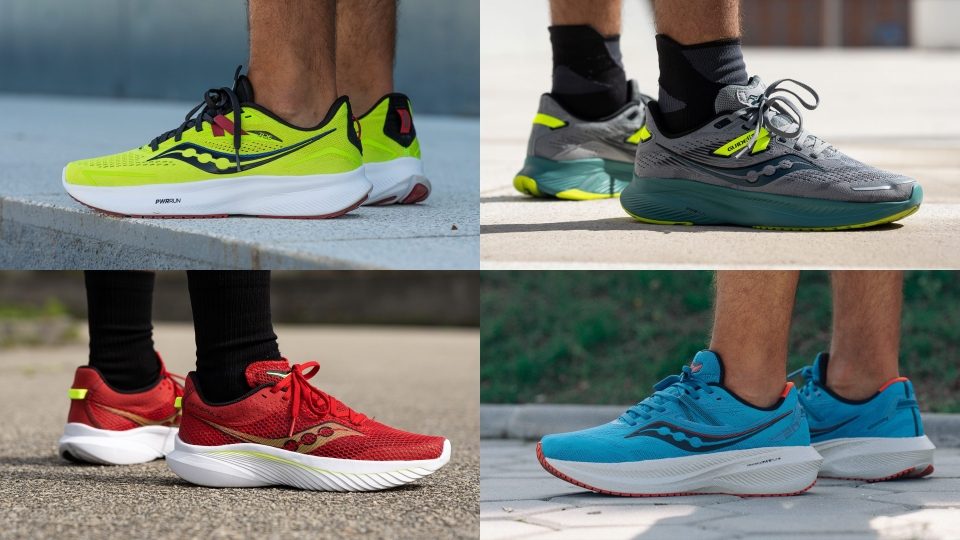
The notion that technical shoes must look overtly “sporty” is obsolete. A key strength of Saucony’s walking lineup is its sartorial intelligence. Consider this: the best everyday shoe disappears, not by being invisible, but by harmonizing with your personal style. A model like the Saucony Jazz or the more cushioned Echelon series possesses a classic, retro-inspired profile that pairs effortlessly with chinos, jeans, or even tailored casual trousers. This versatility is a direct response to consumer demand, as noted in market analyses from trend-forecasting websites. It’s the embodiment of the “athleisure” trend, but with a foundation of genuine performance. You are not sacrificing function for form. The color blocking is often sophisticated, allowing the shoe to be a complementary piece rather than a loud statement. This design ethos means one pair can serve multiple roles—transitioning from a morning walk commute to a day at the office to casual evening plans. In a world valuing multifunctionality, a well-chosen Saucony walking shoe becomes a cornerstone of a minimalist, effective wardrobe. It rejects the need for constant shoe changes, offering a single, reliable solution that supports your body and your style throughout the day’s narrative.
Expert Voices and Tangible Proof: Beyond Marketing Claims
Objective validation is crucial. The merits of Saucony footwear are echoed by diverse authorities. Podiatrists frequently recommend brands with structured support for patients with plantar fasciitis or mild overpronation, and Saucony’s stability models often appear on these lists. On platforms like YouTube, certified fitness experts and long-distance hikers, such as those on the “FOD Runner” channel, conduct long-term wear tests, praising the durability and comfort of Saucony soles for high-mileage walking. From the literary world, one might draw a parallel to the philosophy in Henry David Thoreau’s Walden—the idea of simplicity and support for life’s journey, metaphorically aligning with a shoe that provides uncomplicated, reliable foundation. Even in popular culture, the emphasis on mindful movement and self-care underscores the importance of proper gear. Furthermore, collaborative insights from websites like Quora and Baidu Baike consolidate user experiences, frequently highlighting the “break-in period” (or lack thereof) and width options as standout features. These are not paid endorsements but aggregated testimonies. As one renowned physical therapist on Twitter stated:
“In my practice, I see the consequences of poor footwear daily. A shoe like those from Saucony, which prioritizes heel-to-toe roll and arch integrity, isn’t a luxury—it’s a preventative measure for long-term musculoskeletal health.”
This confluence of professional opinion and user experience forms a compelling, evidence-based argument for the brand’s efficacy.

Investment and Value: Professional Knowledge Meets Smart Spending
Understanding the technology justifies the investment, but smart acquisition enhances value. A high-quality Saucony walking shoe, with its advanced materials and construction, typically represents a mid-to-upper-tier price point in the market, often ranging from $100 to $160 at full retail. However, the cost-per-wear metric tells the true story. Given their durability—often lasting 500 miles or more of walking—the daily expense becomes minimal. To make this investment more accessible, consider these professional tips: First, shop during seasonal sales cycles (major holidays, end-of-season clearances). Second, explore older model versions. Saucony frequently updates its lines (e.g., Guide 18 to Guide 19), but the core technology changes incrementally. Last year’s model, available at a significant discount, offers nearly identical performance. Third, sign up for newsletters from authorized retailers for exclusive promo codes. Finally, consider the shoe’s role in preventing potential medical expenses from foot or back problems—a proactive investment in health. The true value lies not in the initial price tag, but in the sustained comfort, style, and physical well-being it delivers every single day. It is an investment in your mobility and your daily quality of life.

Your journey through city streets or park paths need not be a compromise. It can be an experience of supported, effortless motion complemented by understated style. The Saucony walking shoe stands as a testament to this possibility—a fusion of scientific insight, material innovation, and design sensibility. It is more than footwear; it is a foundational piece for an active, engaged life. By choosing a shoe built on the principles of biomechanics and crafted for real-world versatility, you are not just making a purchase. You are equipping yourself for the daily marathon of modern living, one confident, comfortable step at a time.
