

The Ultimate Guide to Saucony Walking Shoes for Everyday Style
In the realm of footwear, where performance often clashes with aesthetics, finding a shoe that seamlessly blends comfort, support, and everyday style can feel like a quest. For too long, walking shoes were relegated to the domain of pure utility, often sacrificing visual appeal. This guide posits that this compromise is no longer necessary. The modern Saucony walking shoe represents a paradigm shift, engineered not just for movement but for a lifestyle. We will dissect how Saucony has masterfully merged biomechanical science with contemporary design, creating footwear that supports your body from the pavement to the park bench without asking you to leave your personal style behind.
The Anatomy of Comfort: More Than Just Cushioning
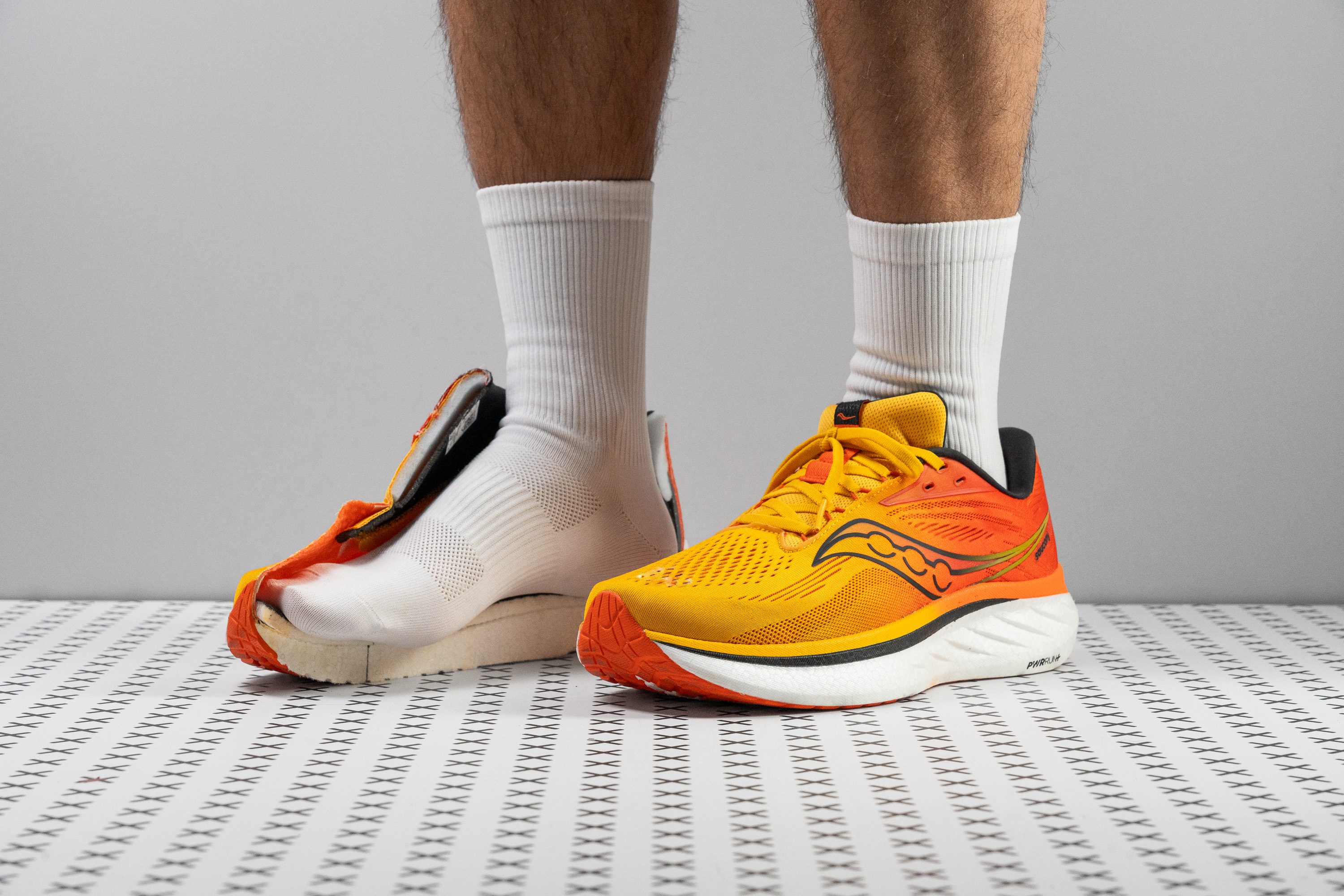
When we speak of comfort in walking shoes, the immediate thought is soft cushioning. However, true comfort—the kind that allows you to walk for miles without fatigue or discomfort—is a complex symphony of biomechanical support. A Saucony walking shoe is built upon this scientific understanding. Take, for instance, the foundational technology often found in their models: the PWRRUN or PWRRUN+ midsole foam. This isn’t merely about softness; it’s about energy return and durability. As noted in materials science analyses from institutions like MIT, advanced polymer foams are designed to absorb impact forces and convert a portion of that energy into a responsive rebound, reducing the metabolic cost of walking. Furthermore, comfort is inextricably linked to fit and stability. Saucony incorporates features like the FORMFIT system, which adapts to the unique contours of your foot, providing a personalized, secure feel. This holistic approach to comfort—encompassing impact absorption, energy return, and anatomical fit—transforms walking from a mundane task into a genuinely pleasant, sustainable activity. It’s the difference between your feet merely being housed and being actively supported with every step.
Biomechanics in Motion: The Science of the Stride
Walking is a deceptively simple act involving a complex chain of biomechanical events: heel strike, foot flattening (pronation), and toe-off. A shoe that interferes with this natural gait cycle can lead to inefficiency and injury. This is where the engineering prowess of a Saucony walking shoe shines. Consider the concept of pronation control, a topic extensively covered in podiatric literature from authoritative sources like the American Podiatric Medical Association. Neutral pronation is ideal, but many walkers overpronate (feet roll inward excessively) or underpronate (feet roll outward). Saucony’s Guide line, for example, utilizes a medial post—a firmer density of foam on the inner side of the midsole—to gently guide the foot back to a neutral path, promoting alignment from the foot up through the knee and hip. This isn’t a rigid correction but a guided support, allowing for natural movement while preventing the strain associated with misalignment. The rocker geometry in many of their soles is another scientific boon. By curving the sole upward at the toe, it facilitates a smoother transition from mid-stance to toe-off, reducing strain on the Achilles tendon and calf muscles. This attention to the physics of walking turns each shoe into a personalized gait laboratory, engineered to make your body’s natural motion more efficient and less taxing.
Style Reimagined: From Gym to Street
The historical stigma of the “ugly” walking shoe has been decisively shattered. Today’s Saucony walking shoe is a testament to the fact that technical performance and aesthetic design are not mutually exclusive. Drawing inspiration from both heritage running silhouettes and modern minimalist trends, Saucony has curated a palette of colors and textures that integrate effortlessly into everyday wardrobes. The sleek profile of a model like the Ride or the structured yet streamlined look of the Guide defies categorization. They pair as naturally with tailored chinos as they do with athletic wear. This design philosophy echoes the sentiment of influential figures in the fashion-tech space. As designer and innovator Yves Béhar once stated in an interview with Fast Company, “The best design solves a problem without announcing itself as a solution.” Saucony’s walking shoes embody this principle. They solve the complex problem of all-day comfort and support but do so with a quiet confidence and style that doesn’t scream “technical gear.” The use of breathable mesh, strategic suede overlays, and considered color-blocking results in a shoe that is as much a style anchor as it is a feat of engineering, proving that you don’t need to change your shoes when your day transitions from errands to an evening stroll.

Material Innovation: Where Durability Meets Sustainability
The longevity and feel of a shoe are dictated by its materials. Saucony’s commitment here is twofold: creating durable products that withstand daily wear and increasingly integrating sustainable practices. The upper materials often feature engineered Jacquard meshes, which are not only lightweight and breathable but also offer targeted zones of flexibility and support where your foot needs them most. Durability is enhanced through high-abrasion rubber compounds placed strategically in the outsole’s wear patterns, a principle of material science that prioritizes resource efficiency—using tougher material only where it’s critically needed. On the sustainability front, while the industry is on a journey, initiatives like using recycled materials in linings and laces reflect a growing consciousness. As highlighted in environmental policy reports from universities like Stanford, consumer product companies have a significant role in driving circular economy principles. Choosing a Saucony walking shoe built with these considerations means investing in a product designed for the long haul, both in terms of miles on your feet and its reduced environmental footprint over its lifecycle. This material intelligence ensures the shoe remains a reliable and conscientious companion for your daily journeys.
Making the Investment: Value Beyond the Price Tag
Purchasing a quality walking shoe is an investment in your long-term well-being. While the initial cost of a premium Saucony walking shoe may be higher than a generic alternative, the value proposition is clear and supported by podiatric advice. The American College of Sports Medicine consistently emphasizes that proper footwear is a primary preventive measure against common overuse injuries like plantar fasciitis, shin splints, and stress fractures. Think of it not as a shoe purchase, but as an investment in your mobility and pain-free activity. To make this investment more accessible, savvy shoppers can look to end-of-season sales, official outlet stores, and reputable online retailers for discounts that can bring premium models into a very competitive price range. Securing a technologically advanced shoe at a discounted price isn’t just a good deal—it’s a smart health decision. The cost per mile of comfort and protection these shoes provide makes them an undeniable value leader, potentially saving you far more in avoided medical expenses and discomfort down the line.
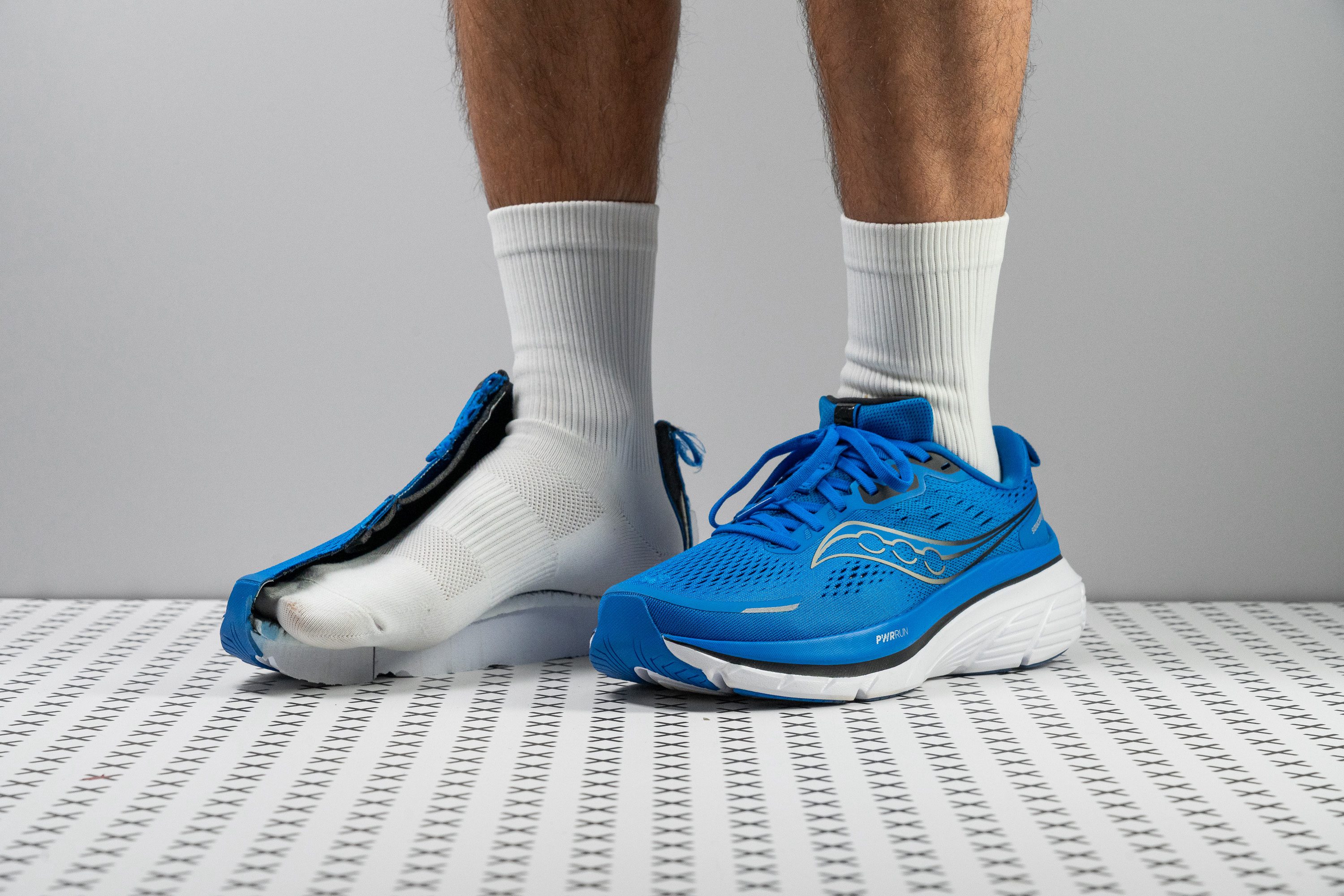
The journey for the perfect everyday shoe ends not with a compromise, but with a convergence. The modern Saucony walking shoe stands at this intersection, a product where rigorous biomechanical science, thoughtful material innovation, and conscious style design finally align. It demonstrates that what you wear on your feet can be a powerful enabler—of health, of confidence, and of seamless daily living. This isn’t about following a trend; it’s about embracing a tool engineered for the reality of our moving, standing, and walking lives. Your stride deserves this synthesis of form and function.
