

The Ultimate Guide to Choosing the Best Shoes for Hiking and Walking Adventures
Your journey begins from the ground up. The right footwear isn’t just an accessory; it’s the fundamental piece of gear that determines comfort, safety, and enjoyment on every trail and path. This guide cuts through the noise to deliver objective, science-backed insights, helping you invest in the perfect pair of shoes for hiking and walking. We’ll move beyond marketing claims, grounding our advice in biomechanics, material science, and the collective wisdom of seasoned adventurers.
The Foundation: Understanding Foot Biomechanics and Terrain
Before considering brands or styles, you must understand the conversation between your foot and the ground. Human locomotion is a complex symphony of bones, muscles, and tendons. According to biomechanics literature from institutions like Stanford University, the gait cycle involves phases of heel strike, foot flat, mid-stance, and toe-off. A shoe for paved urban walks primarily needs to cushion the repetitive heel strike on unyielding concrete. In contrast, shoes for hiking and walking on uneven trails must provide stability to prevent ankle rolls during the mid-stance phase on unstable surfaces. The terrain dictates the required features. A study cited in the “Journal of Foot and Ankle Research” emphasizes that inadequate footwear on irregular terrain significantly increases the risk of musculoskeletal overuse injuries. Therefore, the first principle is this: match the shoe’s design to the biomechanical demands of your primary activity. A shoe built for a groomed city park will fail on a rocky mountain ascent, not due to quality, but due to a fundamental design mismatch. This isn’t about “toughness,” but about appropriate engineering for specific physical stresses.
:max_bytes(150000):strip_icc()/VWFit-hiking-shoes-versus-walking-shoes-7548411-152aaaad90024603b172fdf65bb0c157.jpg)
Decoding the Anatomy of a Great Outdoor Shoe
Let’s dissect a high-performance outdoor shoe. Every component serves a purpose, informed by decades of ergonomic research and field testing. The upper, often made of synthetic mesh, leather, or a combination, balances breathability with protection. As noted by gear experts on outlets like Outside Magazine, full-grain leather offers superior abrasion resistance but less breathability, while modern synthetics like PU-coated nylon provide a lighter, quicker-drying alternative. Beneath this lies the midsole, the heart of cushioning and stability. Ethylene-Vinyl Acetate (EVA) is common, but polyurethane (PU) or advanced proprietary foams like Nike’s React or Adidas’s Boost offer greater longevity and energy return. The rock plate—a thin, rigid layer embedded in the midsole—is a critical but often overlooked feature for hiking, protecting the foot from sharp trail debris. Finally, the outsole pattern, or lugs, is your connection to the earth. Deeper, multi-directional lugs, made of durable rubber compounds like Vibram, provide essential grip on loose or muddy surfaces. The design philosophy here, echoed by companies like Salomon and Merrell, is a holistic system where each part works in concert to protect, stabilize, and propel the foot. Choosing the right shoes for hiking and walking means understanding how these anatomical features align with your needs.

The Great Debate: Hiking Shoes vs. Hiking Boots vs. Trail Runners
This is the central crossroads for many adventurers. The choice isn’t about “best,” but about “best for you.” Hiking boots, with their high-cut ankles, offer maximum ankle support and protection. They are the traditional choice for heavy backpacking loads or extremely rugged, off-trail terrain, as they help mitigate the risk of ankle sprains. However, as noted by prominent thru-hikers on platforms like YouTube (e.g., “Darwin onthetrail”), the trend for long-distance hiking has shifted towards lighter footwear. Trail running shoes provide exceptional breathability, flexibility, and are far lighter, reducing leg fatigue over miles—a concept supported by the “energy cost of transport” in exercise physiology. They excel on well-maintained trails with lighter loads. Mid-cut hiking shoes occupy the middle ground, offering more ankle coverage than trail runners but more flexibility than traditional boots. The legendary mountaineer Reinhold Messner once revolutionized alpine climbing by advocating for lighter, faster approaches, a philosophy that has permeated footwear choice. Your decision should factor in pack weight, terrain roughness, distance, and your personal ankle strength. There is no universal answer, only the optimal tool for your specific adventure.

The Critical Process: Fit, Sizing, and Break-In
A technically perfect shoe is worthless if it doesn’t fit your unique foot. Professional bootfitters and podiatrists agree on several non-negotiable rules. First, shop in the afternoon when your feet are naturally swollen. Second, wear the socks you intend to hike in. Third, and most crucially, understand that your hiking shoe size is often larger than your everyday shoe size. You need ample toe room—about a thumb’s width from your longest toe to the front of the shoe—to prevent bruising on descents. Width is equally important; compression on the sides can lead to numbness or hot spots. The heel should be locked in place with minimal vertical slippage. As for break-in, the notion that boots must be painfully broken in is outdated. Quality modern shoes for hiking and walking should feel comfortable from the first wear. The break-in period should be about your feet adapting to the new support structure, not about the shoe deforming to your foot through suffering. Start with short walks around your neighborhood before committing to a long trek. Remember, discomfort in the store translates to agony on the trail.
Material Science and Weather Considerations
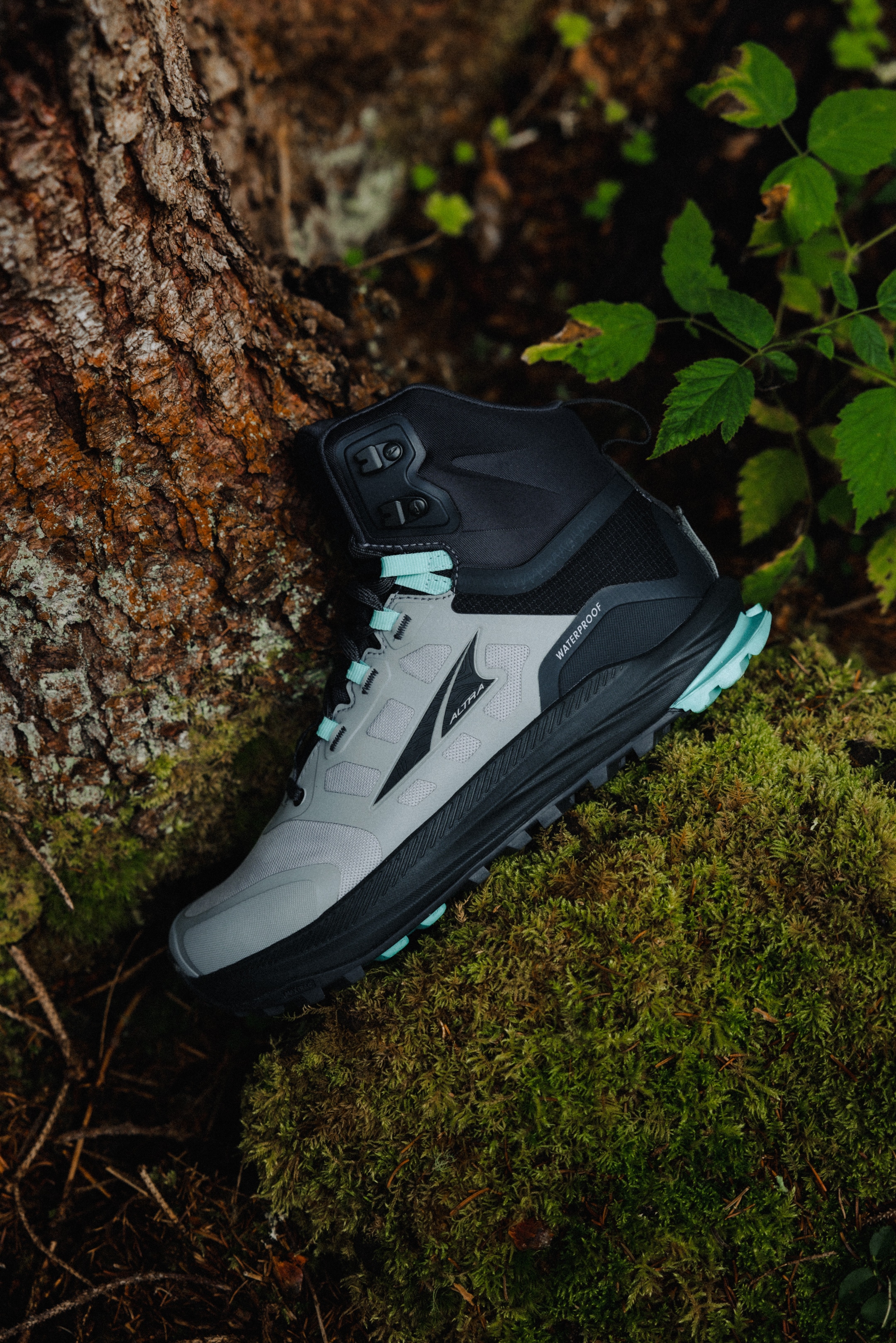
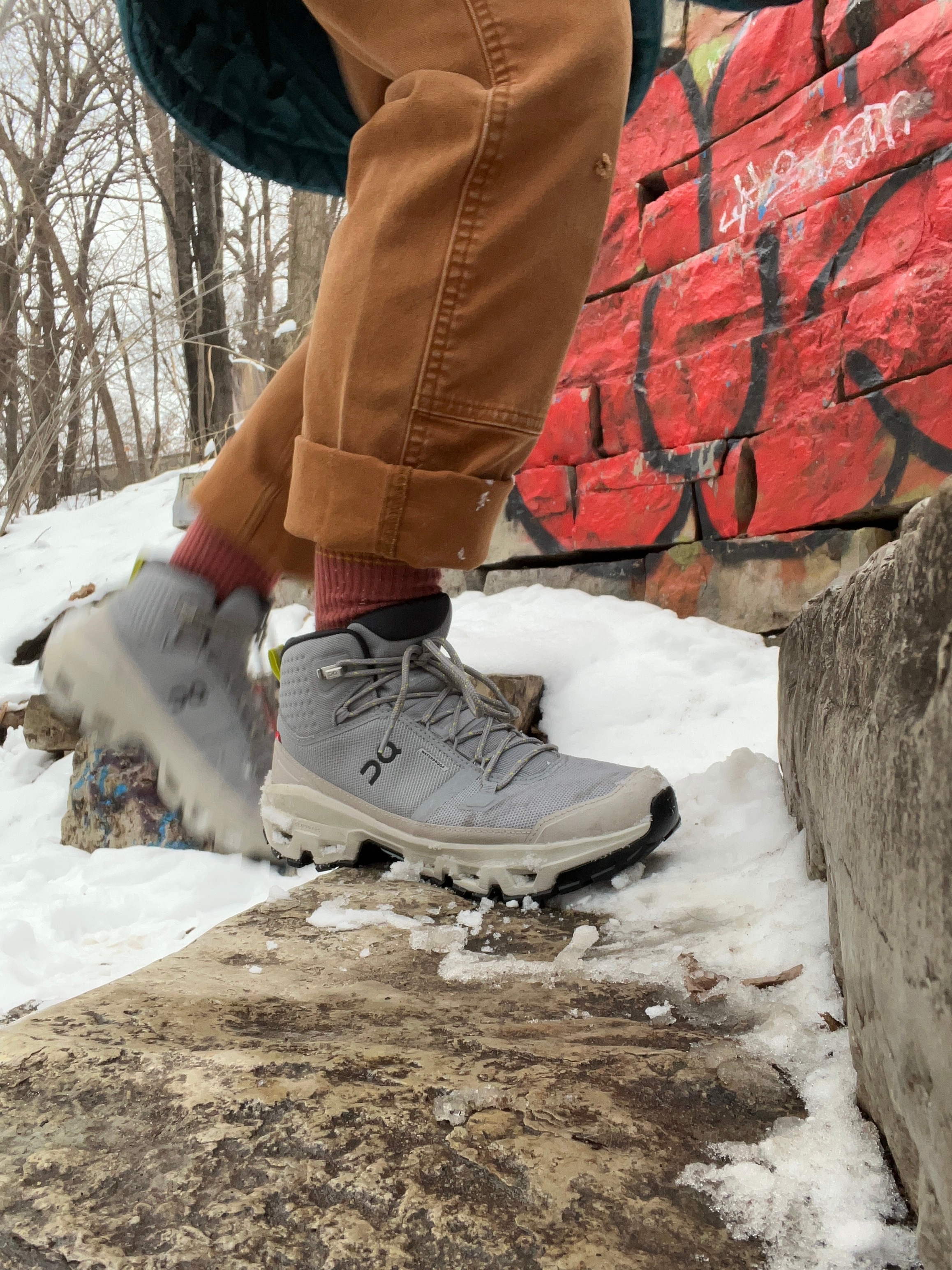
The environment you challenge demands specific material technologies. For wet conditions, the concept of waterproofing versus water resistance is key. Membranes like Gore-Tex or eVent create a waterproof, breathable barrier, ideal for cold, wet, or snowy conditions. However, as any experienced backpacker on forums like Reddit’s r/Ultralight will point out, in warm, wet climates, a non-waterproof, quick-drying shoe can be preferable, as waterproof shoes, once flooded, dry extremely slowly. Breathability is governed by material porosity and design. Leather generally offers less breathability than synthetic mesh. For extreme heat, mesh panels are vital for ventilation. Insulation, measured in grams (e.g., 200g PrimaLoft), is for static warmth in winter conditions but can cause overheating during active movement. The choice here is a strategic trade-off: absolute water protection at the potential cost of breathability and dry time, or fast drainage and ventilation with less barrier protection. Your local climate and typical weather windows should dictate this choice, not a marketing slogan.
Investing in Your Journey: Value, Care, and Professional Insight
High-quality outdoor footwear is an investment. Prices can range significantly, but cost often correlates with advanced materials, construction quality, and proprietary technologies. However, value doesn’t always mean the most expensive. Brands like Keen or Merrell offer renowned durability at accessible price points, frequently available at discounted prices during seasonal sales from major retailers like REI or Backcountry. The true cost is measured in cost-per-mile. A $60 shoe that falls apart in 200 miles is less economical than a $150 shoe that lasts 800. Beyond purchase, care extends lifespan. Remove insoles to air dry after use, clean mud with a soft brush and water (avoid harsh detergents that degrade membranes), and reapply waterproofing treatments designed for the upper material. Consulting with a specialist at an outdoor retailer can provide personalized recommendations that online reviews cannot. They can analyze your gait, measure your foot, and match you with brands known for specific fits—like the wider toe box of Altra or the narrow heel of La Sportiva. This professional knowledge is invaluable in navigating the vast market of shoes for hiking and walking.
Your path forward is defined by the choices you make at the trailhead. The perfect pair is the one that disappears beneath you, becoming a seamless extension of your body, allowing you to focus on the horizon, not your feet. It is the result of informed decisions about biomechanics, terrain, materials, and fit. By applying this knowledge, you transform footwear from a simple commodity into your most trusted partner for every step of discovery. Go forth, equipped not just with gear, but with understanding.
