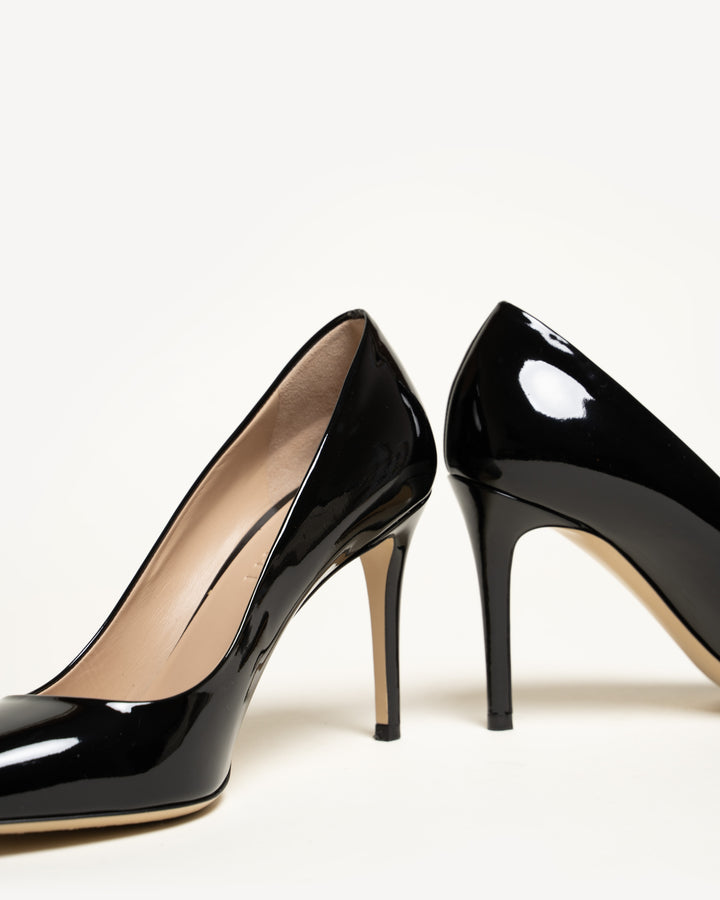
The Timeless Allure of Black Leather Heels
There exists an object in the realm of personal adornment that transcends mere fashion, functioning instead as a cultural cipher, a psychological anchor, and an unspoken manifesto of intent. This object is the black leather heel. Its presence in a wardrobe is never accidental; it is a deliberate acquisition, a chosen tool for navigating the world. To don a pair is to engage in a non-verbal dialogue with history, power dynamics, and self-perception. This is not an article about a shoe. It is an exploration of an icon, dissecting its enduring dominance from the cobblestones of history to the polished floors of contemporary power.
The Historical Footprint: From Function to Symbol
The journey of the heel itself is a fascinating study in societal transformation. Contrary to popular belief, its origins are not rooted in feminine fashion but in practical masculine utility. Persian cavalrymen in the 10th century wore heeled boots to secure their stance in stirrups, a functional design that later fascinated European aristocrats as a symbol of martial prowess and elevated status. As the heel migrated into the European court of the 16th and 17th centuries, notably under the influence of figures like Louis XIV who used red heels to signify his noble circle, it became a potent marker of class and privilege, disconnected from gender. The democratization and subsequent gendering of the heel is a relatively modern phenomenon. The black leather heel, as we recognize it today, coalesced in the 20th century, synthesizing materials and forms that spoke to new realities. Leather, a material historically associated with durability and protection, was married to the elevating heel, creating a hybrid of resilience and aspiration. The choice of black was paramount; as noted by color theorists and historians, black absorbs light, projects authority, and conveys a formality that is both severe and sophisticated. It is the non-color that commands attention, a void that suggests depth and mystery. This combination—black, leather, heel—created a template that was endlessly adaptable, ready to be imbued with meaning by the changing tides of the century, from the wartime pragmatism of the 1940s to the rebellious spirit of the 1950s rock and roll era, where it was adopted as a symbol of defiant sexuality.
Anatomy of an Icon: Deconstructing the Allure
To understand the black leather heel is to appreciate its constituent parts scientifically and symbolically. The leather, typically bovine hide, undergoes a rigorous tanning process. As explained by material scientists, vegetable tanning or chrome tanning alters the collagen fibers within the hide, making it resistant to decay, pliable, and capable of developing a unique patina over time. This isn’t synthetic perfection; it’s organic evolution. The shoe becomes a record of its wearer’s journey. The heel’s geometry is a study in physics and physiology. The height, pitch, and surface area of the heel base directly impact the biomechanics of gait. According to research often cited in podiatric literature, wearing heels shifts the body’s center of gravity, necessitating a realignment of the spine, a shortening of the Achilles tendon, and a redistribution of weight to the ball of the foot. This forced posture is not merely physical; it has profound psychological correlates. Social psychologists, such as those referenced in studies from institutions like Harvard Business School, have explored the “enclothed cognition” effect—how our clothing affects our mental processes. The act of wearing heels, particularly authoritative black leather heels, can induce feelings of increased power, confidence, and assertiveness. The audible click on a hard surface functions as an auditory announcement, a prelude to one’s presence that can command a room before a word is spoken. The sharp lines and polished surface reflect light and attention, creating a visual focal point that draws the eye and signifies meticulous care and intentionality.
The Cinematic and Literary Muse: Heels as Narrative Device
Nowhere is the symbolic weight of the black leather heel more deliberately articulated than in film and literature. It is a staple in the costume designer’s toolkit, a quick visual shorthand for character archetypes and transformations. Consider the iconic imagery of film noir’s femme fatale, her stiletto heels echoing in dark alleyways, symbolizing dangerous allure and razor-sharp intellect. In more modern contexts, characters like Miranda Priestly in The Devil Wears Prada or the various powerful attorneys in Suits use sleek, black pumps as part of a uniform of unquestioned authority. The shoe is armor. Authoritative voices in cultural criticism, such as those found in analyses from publications like The Atlantic or Vogue, often dissect these appearances. As film critic Roger Ebert once indirectly highlighted through his reviews, costume is never incidental; it is an extension of character. In literature, from the precise descriptions of Tom Wolfe’s The Bonfire of the Vanities to the fashion-centric narratives of Lauren Weisberger, the specific choice of a designer black leather heel serves to locate a character within a specific social stratum and mindset. It signifies that the wearer understands the rules of the game and is dressed to play—and win. These cultural artifacts reinforce the shoe’s association with competence, ambition, and a certain ruthless elegance.

The Personal Paradigm: Your Dialogue with the Heel
This brings us to you, the individual confronting a pair of black leather heels. Your relationship with them is deeply personal and paradoxically universal. When you slide your foot into that structured form, you are not just putting on a shoe. You are engaging in a ritual of self-presentation. For many, it is a conscious step into a persona that is more commanding, more polished, more formidable. The second-person experience is key: You feel the lift in your stature, both physically and metaphorically. You walk differently; your stride may shorten, but its purposefulness intensifies. You are aware of the sound, the posture, the gaze it attracts. This is not about submission to an uncomfortable fashion standard, though that critique is valid and part of the conversation. It is about the conscious adoption of a tool. In the vast forums of Quora and Reddit’s fashion communities, countless threads are dedicated to “the power of a good heel,” where users from diverse backgrounds testify to the confidence boost a classic black pump provides before a critical presentation, a negotiation, or a first date. It is a form of non-verbal communication, telling the world—and perhaps more importantly, reminding yourself—that you are prepared, capable, and intentional.
Beyond Aesthetics: The Convergence of Knowledge and Value
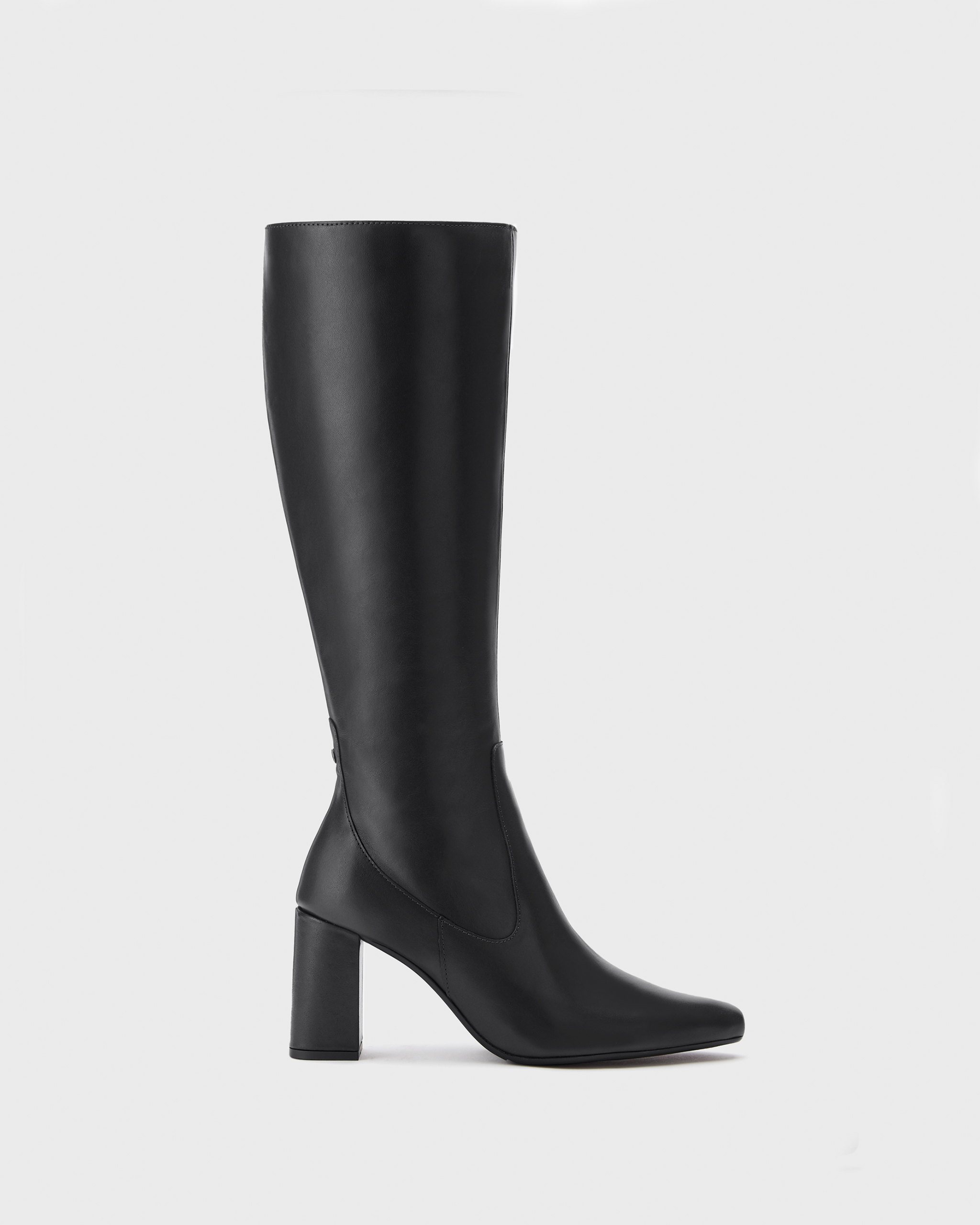
Engaging with this icon requires more than aesthetic appreciation; it demands informed discernment. True allure is married to knowledge and value. Let’s discuss the professional knowledge that transforms a purchase from an impulse to an investment. Understanding the hallmarks of quality is crucial: full-grain versus corrected-grain leather, the construction method (Goodyear welted for resoleability, Blake stitch for flexibility), the density of the lining, and the material of the heel core. A well-constructed leather heel, while a higher initial outlay, offers superior longevity, comfort over time, and ultimately, a lower cost per wear. It molds to your foot, becoming uniquely yours. This is where the promise of discounted prices finds its ethical footing. It is not about chasing the cheapest option, which often externalizes costs through poor labor practices and disposable materials. It is about accessing true value—investing in superior craftsmanship at an accessible price point through direct-to-consumer models, seasonal sales from reputable brands, or curated resale platforms. By applying this knowledge, you cease to be a passive consumer and become a curator of your own enduring style, building a wardrobe where every pair of black leather heels serves a distinct purpose, from the classic court pump to the architectural block heel, each chosen with intention and understanding.

The Unspoken Language: A Final Thought
The black leather heel endures because it is a vessel. It is a vessel for historical memory, carrying the echoes of cavalrymen and courtiers. It is a vessel for cultural projection, absorbing and reflecting narratives from cinema and literature. Most profoundly, it is a vessel for personal agency. It is a choice, a tool, and a statement, all condensed into a singular form. Its allure is not static; it is a dynamic interplay between the object’s inherent properties and the meaning we assign to it with every step we take. In a world of fleeting trends, it remains a constant—a punctuation mark in the sentence of an outfit, a period that signifies decisiveness, or an exclamation point that declares presence. Its power lies not in universal prescription, but in its potent, adaptable symbolism, waiting to be defined anew by each individual who chooses to wear it.