

Styling Black Low Heel Shoes for Every Season
In the ever-evolving landscape of fashion, few items possess the enduring versatility and quiet power of a pair of black low heel shoes. They are not merely footwear; they are a foundational statement, a sartorial anchor that provides stability, elegance, and adaptability across the shifting tides of trends and seasons. This exploration delves into the multifaceted role of these shoes, moving beyond subjective style tips to ground their value in objective reasoning, historical context, and practical utility. We will dissect their unique position in a wardrobe, proving that their worth is calculated not in fleeting likes, but in lasting function and form.
The Anatomical and Psychological Foundation of the Low Heel
To appreciate the black low heel shoe, one must first understand what separates it from its flat and high-heeled counterparts from a biomechanical and psychological perspective. Scientifically, a low heel, typically defined as being between 0.5 to 2 inches (approximately 1.3 to 5 cm), offers a compromise that aligns with podiatric recommendations for daily wear. According to research often cited by institutions like the American Podiatric Medical Association, while flats can lack arch support and strain the plantar fascia, and high heels shift the body’s center of gravity—increasing pressure on the forefoot and altering lumbar posture—a modest heel can better distribute weight. This distribution reduces impact on the heel strike and can alleviate tension in the Achilles tendon. Psychologically, the effect is equally significant. As noted by Professor Carolyn Mair, author of “The Psychology of Fashion,” footwear choices are non-verbal communicators. High heels are frequently associated with power and formality but also potential discomfort, while flats can signal practicality. The black low heel shoes occupy a middle ground, projecting an image of composed capability and assured elegance without the overt signals of strain or extreme casualness. They are the shoe of the pragmatic yet polished individual, a notion echoed in the wardrobes of figures known for sustained influence rather than momentary spectacle.

A Seasonal Chronicle: The Year-Round Chameleon
Spring’s Renewal: Transitional Elegance
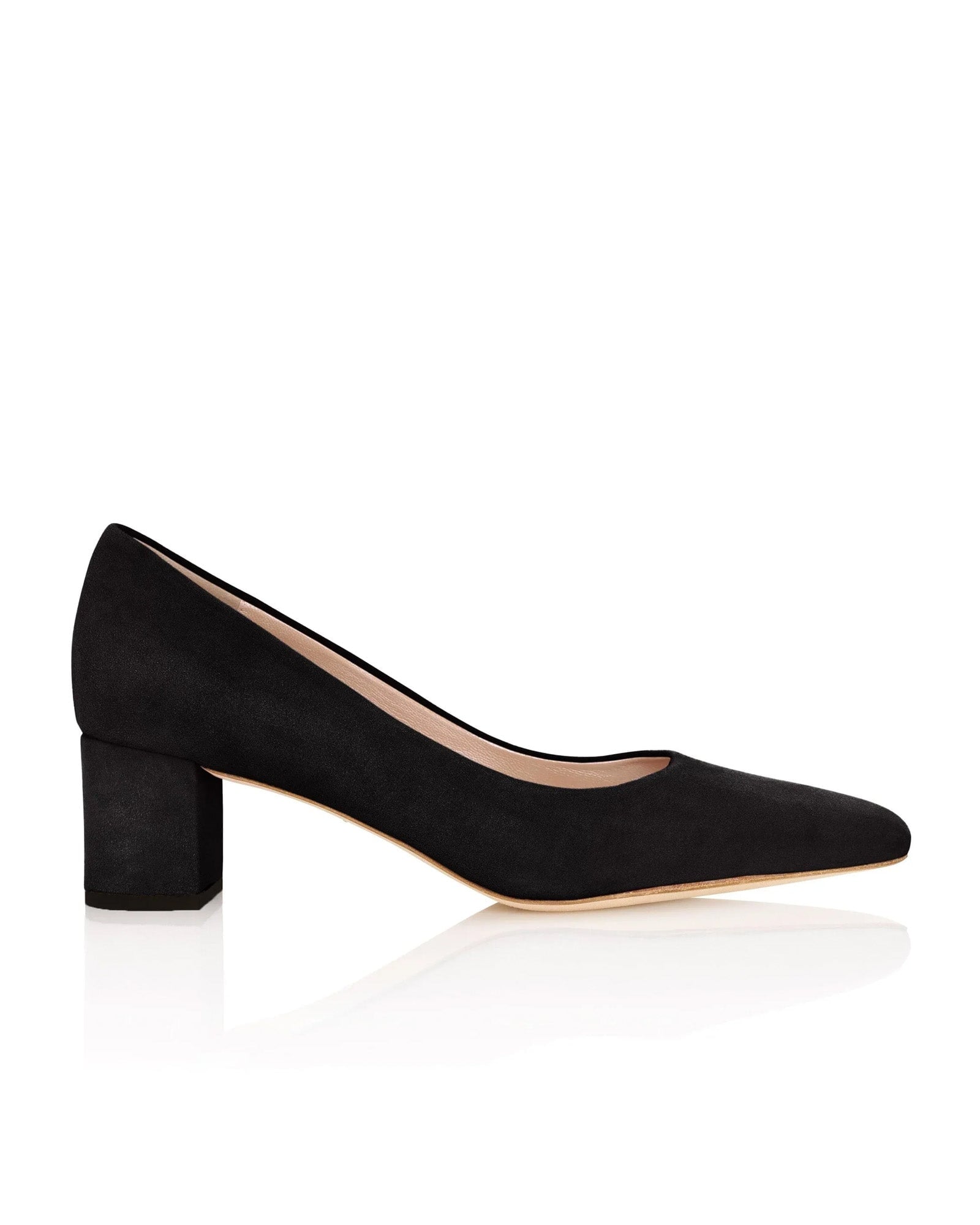
As winter’s rigidity thaws into spring’s fluidity, the wardrobe undergoes a transitional phase where texture and weight are paramount. Here, a pair of sleek, pointed-toe black low heel pumps becomes indispensable. Paired with a light trench coat and a floral midi dress, they ground the ensemble, preventing it from becoming overly whimsical. The black hue provides a visual anchor, a technique often employed in classic cinema costuming to denote sophistication amidst change. Consider the enduring style of Audrey Hepburn; while often remembered for flats, her off-screen wardrobe frequently featured simple, elegant low heels that provided a silhouette of grace without impractical height. The key is the shoe’s ability to bridge seasons—substantial enough for a lingering spring chill yet refined enough for the emerging warmth. From a practical standpoint, navigating rain-slicked pavements or uneven garden paths is far safer in a stable low heel than in a precarious stiletto, marrying safety with style in a way that objective necessity demands.
Summer’s Ease: Structured Relaxation
Summer style champions ease, but elegance need not be sacrificed. The misconception that summer belongs solely to sandals and flip-flops is challenged by the versatility of a low-heeled black slingback or a cut-out court shoe. These styles offer breathability and a lighter visual weight while maintaining a structured profile. When paired with a crisp white linen suit or a simple black sundress, they create a look of intentional polish, what fashion critics on platforms like Business of Fashion might term “elevated casual.” The authority here lies in contrast; the formality of the black low heel shoe against the relaxed nature of summer fabrics creates dynamic, interesting outfits. Furthermore, for professional summer settings—be it an outdoor conference or a garden party—they fulfill dress codes that open-toed sandals might not, providing a universally accepted standard of appropriateness. The scientific angle returns with support: during summer, feet can swell in the heat; a well-constructed low-heel shoe with adequate toe box space, as opposed to a constricting flat, can accommodate this swelling more comfortably, promoting better circulation.
Autumn’s Texture: Foundational Layering
Autumn is a symphony of texture and depth, and footwear must contribute a rich, foundational note. A black low-heel ankle boot or a sturdy loafer becomes the cornerstone of layering. Imagine them with opaque tights, a tweed skirt, and a chunky knit sweater—the ensemble is unified by the shoe’s dark, steady presence. This approach mirrors principles found in authoritative design literature, such as those from the Parsons School of Design, which emphasize the role of a neutral, structured base in building complex outfits. The utilitarian aspect is undeniable: navigating fallen leaves, occasional rain, and dropping temperatures requires a shoe that is both closed and secure. The low heel provides traction and stability on wet surfaces, a practical advantage confirmed by safety-focused wearables reviews. The psychological warmth of the color black, often associated with resilience and substance, complements the physical warmth of autumn layers, creating a holistic sense of preparedness and style.

Winter’s Resolve: Polished Fortitude
Winter tests a wardrobe’s mettle, demanding pieces that are both defensive and dignified. A polished black low-heel bootie with a non-slip sole or a closed-toe pump crafted from a weather-resistant material like patent leather or thick suede meets this challenge. They pair seamlessly with tailored wool trousers, thick tights, and heavy coats, ensuring the silhouette remains streamlined rather than bulky—a common pitfall of winter dressing. The viewpoint of industry professionals, such as stylists quoted in Vogue’s seasonal guides, often highlights the importance of a “winter heel” that is walkable and warm. The black low heel shoes in this context are an act of polished fortitude. They reject the notion that winter style is solely about function over form, instead arguing for a synthesis. Scientifically, keeping the heel close to the ground in icy conditions lowers the risk of slips and falls compared to higher heels, making it a choice informed by biomechanical safety as much as by aesthetics.
The Professional and Economic Calculus: An Investment in Utility
Beyond seasonal adaptation, the true power of these shoes is revealed through a professional and economic lens. In professional environments, from corporate offices to creative studios, dress codes often exist on a spectrum of implied expectations. A black low heel shoe operates as a universal signifier of competence and readiness. It is the footwear equivalent of a well-tailored blazer—authoritative without being aggressive, polished without being ostentatious. This is not mere opinion; it is a observation supported by sociological studies on workplace perception, such as those referenced in journals like Social Psychological and Personality Science, which indicate that attire influences perceptions of credibility and authority. Economically, this versatility translates into significant cost-per-wear savings. Investing in a well-constructed pair from a reputable brand, perhaps secured during a seasonal sale or through a members-only discount platform, is a strategic decision. Where a trendy, high-heeled statement shoe might be worn a handful of times, a classic black low-heel style can be worn hundreds, amortizing its initial cost to a negligible amount per use. This is the application of a minimalist, capsule wardrobe principle championed by experts from platforms like The Concept Wardrobe, which advocates for fewer, better items that serve multiple purposes.
Curating Your Own Narrative: Beyond the Basic Black Pump
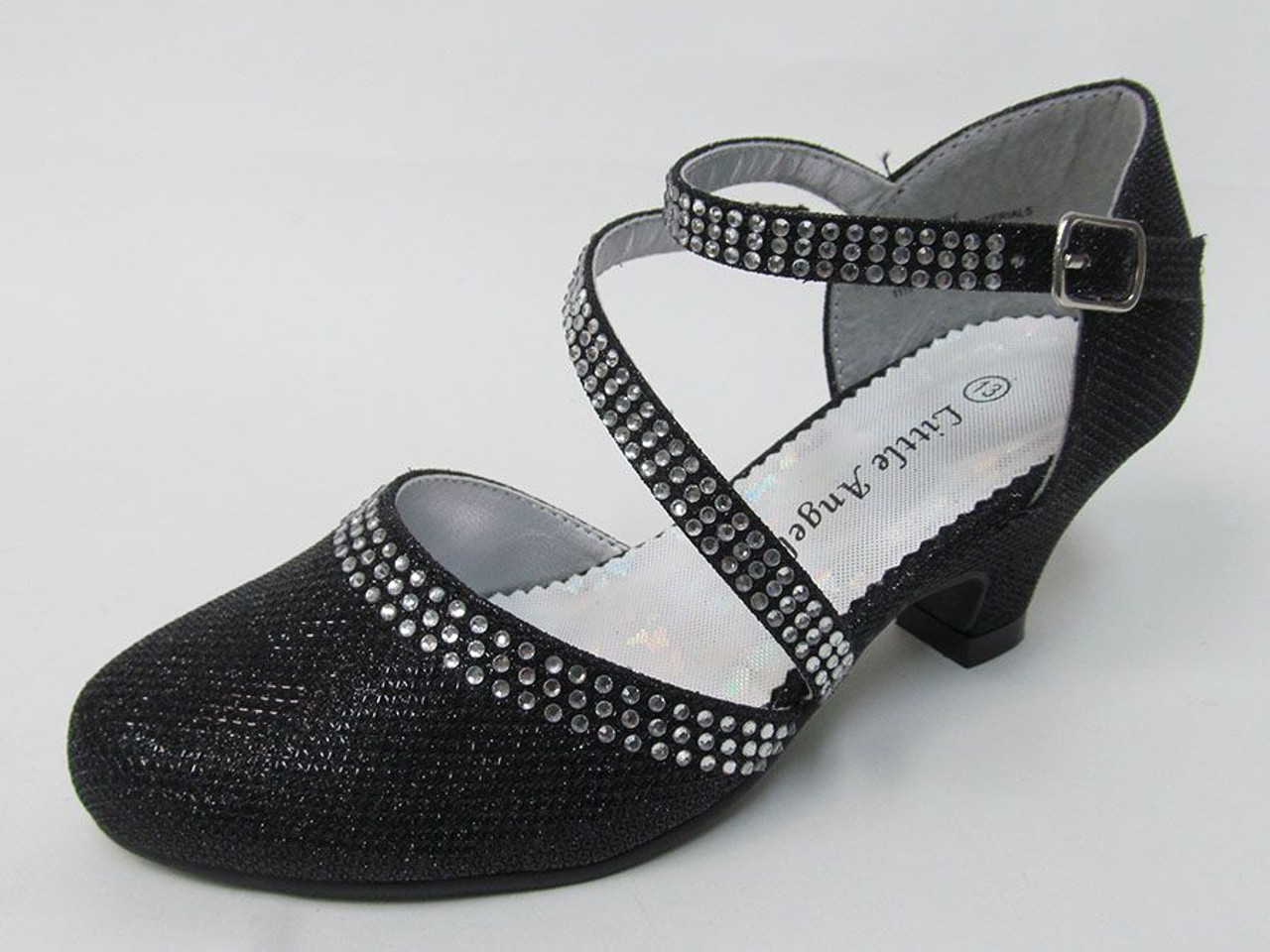
While the classic pump is a cornerstone, the world of black low heel shoes is richly varied, allowing for personal narrative. Consider the architectural interest of a square-toed slingback, the androgynous cool of a polished leather loafer, or the delicate detail of a Mary Jane strap. Each variant communicates a subtle nuance. A block-heel ankle boot channels utilitarian chic, a sentiment captured in the enduring popularity of brands like Chanel, whose two-tone slingbacks with a low heel have become a symbol of timeless, wearable luxury. The act of choosing a specific style is an exercise in self-definition. As author and style philosopher Victoria Beckham, who famously transitioned from sky-high stilettos to a uniform of elegant low heels, stated in an interview with British Vogue: “It’s about confidence and comfort. I want to look like me, but I also want to be able to run after my kids and get through my day effectively.” This quote encapsulates the modern ethos: style must serve the life you lead. The professional knowledge here lies in understanding materials—like the durability of calfskin versus the sleekness of patent leather—and construction, such as the comfort of a padded insole or the flexibility of a well-made sole, which are critical in making an informed, lasting investment.
The journey through the seasons with a pair of black low heel shoes is a testament to intelligent dressing. It is a rejection of the false dichotomy between comfort and style, between practicality and polish. They are a tool for navigating the physical world with stability and the social world with assured elegance. Their value is proven not by hyperbole, but by their silent, consistent performance across contexts—from spring showers to winter boardrooms, from morning commutes to evening engagements. In choosing them, you are not simply selecting a shoe; you are opting for a foundation of unwavering versatility, a piece engineered to support not just your arch, but the entire architecture of your dynamic life.
