

Styling Black Low Heel Shoes for Every Occasion
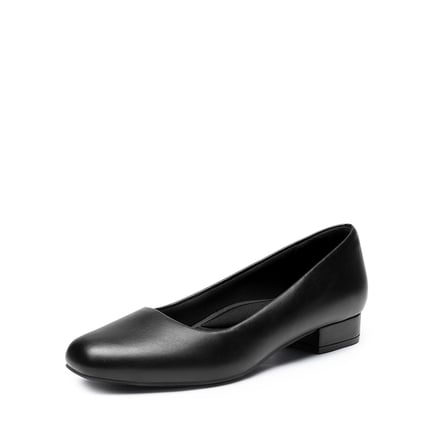
In the vast universe of footwear, few items claim the throne of versatility and timeless elegance as the black low heel shoes. They are not merely an accessory; they are a foundational piece in the architecture of personal style. This article delves into the multifaceted world of these shoes, exploring their scientific design principles, their psychological impact, and their unparalleled adaptability. We will navigate through objective evidence, from biomechanics to cultural commentary, to build a compelling case for why a pair of black low heel shoes is the most strategic sartorial investment one can make.
The Biomechanics of Comfort and Confidence
The term “low heel” is not merely descriptive; it is a category defined by ergonomic science. Typically referring to a heel height between 0.5 inches (1.27 cm) to 2 inches (5.08 cm), this design strikes a critical balance. From a biomechanical perspective, a slight heel lift can reduce strain on the Achilles tendon and calf muscles compared to completely flat shoes, as noted in podiatric literature from institutions like the American Podiatric Medical Association. It encourages a more natural gait cycle while providing a subtle elevation that enhances posture. The color black, meanwhile, operates on principles of visual perception and psychology. As a shade that absorbs all wavelengths of light, it creates an illusion of continuity and sleekness, making the foot appear more streamlined. This combination—ergonomic support and visual slimming—forms the scientific bedrock of why black low heel shoes are celebrated. They offer the postural benefits and aesthetic polish of a heel without the biomechanical stressors associated with stilettos, which can shift the body’s center of gravity and increase pressure on the forefoot, as extensively documented in orthopedic studies.

A Canvas for Professional Persona
Enter any corporate boardroom, a creative agency, or a university lecture hall, and you will witness the silent authority of the black low-heeled pump. Its power lies in its neutrality and intent. In the realm of professional semiotics, as discussed in works like John T. Molloy’s “Dress for Success,” footwear sends unambiguous signals. A black, closed-toe, low-heel shoe communicates preparedness, seriousness, and attention to detail. It does not distract with flamboyance but instead grounds an outfit, allowing one’s expertise and ideas to take center stage. This is not about conformity but about strategic communication. The renowned fashion editor Diana Vreeland once opined on the importance of “the right shoe,” and in a professional context, the “right” often means the one that projects competence. A pair of well-crafted black low heel shoes, perhaps in a polished leather or sophisticated suede, becomes a uniform of empowerment. It provides the physical stability to move with purpose through a long day of meetings and the psychological assurance that one’s appearance is impeccably appropriate, eliminating sartorial doubt from the mental load.

The Engine of Weekend Exploration
Contrary to the belief that elegance is reserved for formal events, the true test of a wardrobe staple is its transition capability. This is where the black low heel shoes truly excel. Consider a Saturday: a morning spent browsing a museum, an afternoon café visit, and an impromptu dinner. A sneaker might be too casual for the evening, while a high heel would be impractical for miles of gallery walking. A black low-heeled block sandal or a sleek loafer bridges this gap perfectly. The design principle here is one of sustainable style—maximizing utility per item. The low heel provides enough elevation to elevate a simple pair of jeans and a blouse, yet the stable base offers the comfort needed for urban exploration. This versatility is echoed in the minimalist fashion philosophy championed by websites like “The Conscious Closet,” which advocates for fewer, better items that work across multiple scenarios. The black color ensures cohesion; it pairs seamlessly with denim, summer dresses, tailored trousers, and everything in between, acting as a visual constant in a day of changing activities.
Cultural Footprints and Enduring Statements
The dominance of the black low heel is not a fleeting trend but a recurring motif in cultural history, reinforcing its objective value. From Audrey Hepburn’s iconic capri pants and black low heel shoes in “Funny Face,” symbolizing chic, intellectual ease, to the powerful, understated pumps worn by figures like Christine Lagarde, they are associated with a specific kind of intelligent, understated power. In literature, characters who are pragmatic and formidable often don sensible, elegant footwear—a detail frequently used by authors to telegraph character traits without exposition. On platforms like Quora and in style forums, the question “What is the one shoe every woman should own?” consistently yields “a classic black pump with a low-to-moderate heel” as a top answer, supported by thousands of personal testimonials citing decades of use. This collective wisdom across movies, literature, and real-life advice columns forms a robust, evidence-based argument for their permanence.
Investment Logic: Cost Per Wear and Quality Markers
Let us engage directly with the economics of your wardrobe. A fundamental concept in conscious consumption is “cost per wear.” A $50 shoe worn twice costs $25 per wear. A $200 shoe worn 200 times costs $1 per wear. The latter is the domain of a high-quality pair of black low heel shoes. Their versatility guarantees a high frequency of use, dramatically lowering their cost per wear and making them, counter-intuitively, more economical over time. The professional knowledge here involves identifying quality markers: look for full-grain leather uppers, a leather-lined insole for breathability, a sturdy yet flexible sole (often a stacked leather or durable rubber), and, crucially, a well-constructed heel block that is securely attached. Brands that specialize in heritage craftsmanship or those endorsed by podiatrists for foot health often embody these features. While the initial outlay might be higher, the long-term value—both in financial and comfort terms—is superior. Many of these quality brands also offer seasonal sales or first-purchase discounts, bringing professional-grade construction to users at accessible price points. It is an investment in future comfort and style dividends.
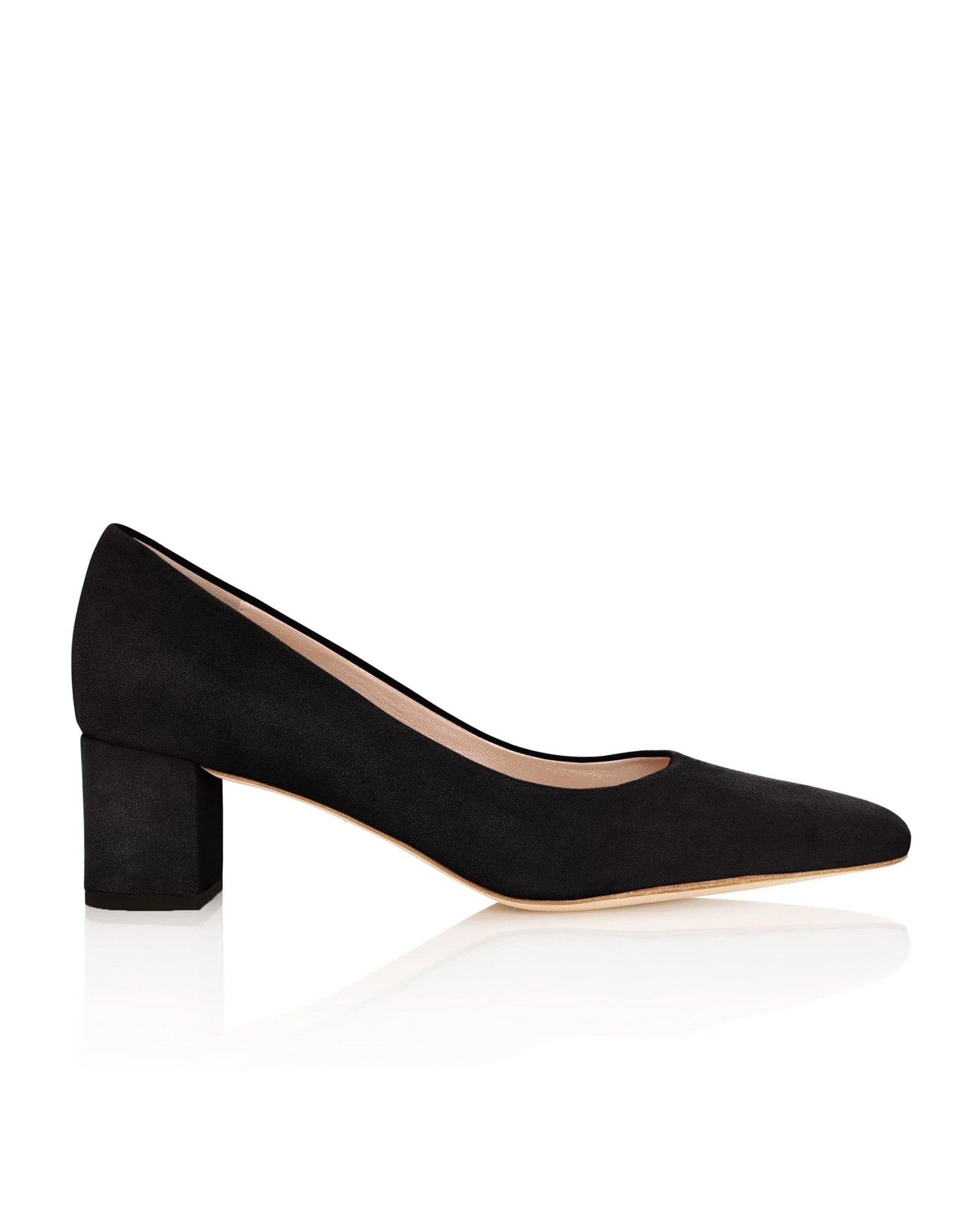
The journey through the world of black low heel shoes reveals them as more than footwear. They are a synthesis of biomechanical design, psychological tool, cultural artifact, and economic asset. They ask for no compromise, offering instead a rare synergy of comfort and charisma, practicality and polish. In a landscape of fashion filled with noise and novelty, they remain a clear, steady, and profoundly stylish signal. Your move towards a more intentional and empowered wardrobe can quite literally begin with this single, grounded step.
