

Styling 80s Sneakers for Modern Streetwear Looks
The resurgence of 80s sneakers is not merely a nostalgic blip but a foundational pillar in contemporary streetwear. These shoes, born from a decade of bold experimentation, technological innovation in athletic wear, and burgeoning subcultures, offer a unique vocabulary for modern style. They are not relics to be viewed behind glass but active, dynamic components for building looks that are both referential and refreshingly current. This exploration delves into how to integrate these iconic silhouettes into your wardrobe, moving beyond costume and into coherent, cutting-edge personal expression.
The Enduring DNA of 80s Sneaker Design
To style 80s sneakers effectively, one must first understand their inherent design language. The 1980s were a revolutionary period for athletic footwear, characterized by several key elements. Technologically, it was the era of visible cushioning systems and advanced support features, often highlighted with bold, contrasting colors. Aesthetically, high-top silhouettes reigned supreme, offering both ankle support and a commanding presence. Materials shifted from simple canvas and leather to include synthetic meshes, plastics, and neon-accented overlays. This was not subtle design; it was declarative. As noted in design literature from institutions like the Pratt Institute, 80s product design across categories embraced “bold geometric forms, vibrant color blocking, and a sense of futuristic optimism.” This ethos is perfectly encapsulated in sneakers from brands like Nike, with the Air Force 1 (1982) and Air Jordan I (1985), Reebok with the Freestyle (1982) and the Pump technology (1989), and Adidas with the Micropacer (1984). These shoes were statements of performance, identity, and cultural affiliation, a trifecta that makes them perpetually relevant.

Contrast as a Core Styling Principle
The most potent method for wearing 80s sneakers today is through deliberate contrast. Placing a vibrant, complex sneaker against minimalist, modern clothing allows the shoe to shine as the focal point without creating visual chaos. Imagine a pair of original Reebok Ex-O-Fits, with their distinctive strap and clean leather panels, paired with simple, tailored black trousers and a heavyweight white cotton tee. The outfit’s baseline is sleek and understated, providing a blank canvas that lets the historical character of the sneakers take center stage. This approach aligns with the perspective of many contemporary fashion commentators on platforms like YouTube, such as Bliss Foster, who often advocates for “anchoring a bold, vintage piece with contemporary, neutral fundamentals to bridge the gap between eras seamlessly.” The sneaker becomes the exclamation point, not the entire sentence. This principle also applies to proportions; the often-chunky silhouette of an 80s sneaker can be balanced with slightly wider-leg trousers or straight-cut jeans, creating a harmonious, modern silhouette that references but doesn’t replicate 80s styling.
Embracing the Full Heritage Look
Conversely, for those with a more maximalist or authentic bent, fully embracing the heritage of the sneaker can be a powerful style statement. This involves curating pieces that resonate with the sneaker’s era without succumbing to cliché. It’s about capturing a feeling, not wearing a costume. Pairing a classic pair of Nike Air Ship or Adidas Forum Hi with vintage-inspired track jackets, washed denim, or graphic tees that nod to 80s graphic design requires a more nuanced understanding. The key is in the details and the quality of the pieces. As author and cultural critic Simon Doonan once remarked in the context of retro style, “The goal is evocation, not reenactment.” Sources like Vogue and Hypebeast often feature editorials that utilize this method, combining archival sportswear with contemporary luxury items. Wearing your 80s sneakers this way speaks to a deep appreciation for the culture that created them, whether it’s the basketball courts, the breakdance circles, or the nascent hip-hop scene that adopted these shoes as uniform.

The Modern Reinterpretation: Updated Classics
A significant factor in the accessibility of this trend is the industry’s commitment to re-releases and modern reinterpretations. Brands are not simply digging up old molds; they are often updating materials, colorways, and sometimes even comfort technology while retaining the iconic silhouette. This provides a crucial advantage: bringing professional knowledge and discounted prices to users. A retro re-release of a beloved model like the Asics Gel-Lyte III (1990, but rooted in 80s design philosophy) or the New Balance 550 (originally 1989) often comes at a more accessible price point than chasing down pristine, decades-old deadstock. Furthermore, brands provide the “professional knowledge” through their marketing and design archives, educating a new generation on the shoe’s history. Websites like Baidu Baike and Zhihu (Quora’s Chinese counterpart) are filled with detailed entries and discussions comparing original releases to retro versions, offering crowdsourced expertise on fit, material quality, and authenticity. This ecosystem allows anyone to participate in the trend with confidence and relative affordability.
Color Blocking and Material Mixology
Two specific design hallmarks of 80s sneakers offer direct styling cues: aggressive color blocking and mixed material use. A shoe like the Nike Air Trainer 1 (1987) often features three or more contrasting colors segmented into clear panels. You can pull one of the secondary colors from the sneaker and use it as an accent in your outfit—a sock hat, the lining of a jacket, or a watch strap. This creates a cohesive, thoughtfully constructed look. Similarly, the mix of leather, mesh, suede, and plastic on a single sneaker invites you to play with textures in your clothing. A waxed cotton trucker jacket, a brushed fleece hoodie, and crisp denim can echo that tactile diversity. This approach transforms the sneaker from a standalone item into the integrative core of an outfit’s color and texture story. It’s a technique frequently highlighted in streetwear blogs and magazines, which emphasize the importance of “creating dialogue between your footwear and the rest of your ensemble.”

The Unisex Appeal and Stylistic Fluidity
It is impossible to discuss 80s sneakers without acknowledging their inherent unisex appeal. Models like the Reebok Freestyle, explicitly marketed to women but widely adopted by men for their clean look, or the ubiquitous Nike Cortez, blurred gender lines in footwear. This legacy empowers modern styling. A chunky, vibrant pair of 80s sneakers can ground a flowing dress, add edge to a tailored suit, or complete a casual sportswear set, regardless of the wearer’s gender. This fluidity is a cornerstone of modern streetwear, which prioritizes personal expression over rigid gendered codes. As fashion historian Dr. Elizabeth Wilson noted in her work on dress and identity, “Clothing and especially shoes can act as a site of resistance to normative expectations.” The stylistic freedom offered by these sneakers is a direct continuation of the rebellious, individualistic spirit that marked much of 80s youth culture.
Cultural Anchors: More Than Just Shoes
Ultimately, the power of styling with 80s sneakers stems from their deep cultural anchors. They are tangible links to seminal moments in music, sport, and film. The Converse Weapon was on the feet of NBA legends in the iconic 1986 All-Star game. The Nike Bruin is forever tied to early skateboarding culture. The Adidas Superstar was immortalized by Run-D.M.C. This history provides a narrative weight that a brand-new, ahistorical design cannot. When you wear these sneakers, you are, whether intentionally or not, engaging with that legacy. This isn’t about mere nostalgia; it’s about utilizing culturally loaded objects as building blocks for your own identity. In the words of filmmaker Quentin Tarantino, whose movies often use period-specific items as potent symbols, “The right prop doesn’t just tell you when you are, it tells you who you are.” Your choice of 80s sneaker and how you style it becomes a personal curatorial decision, placing you in a dialogue with the past while firmly standing in the present.
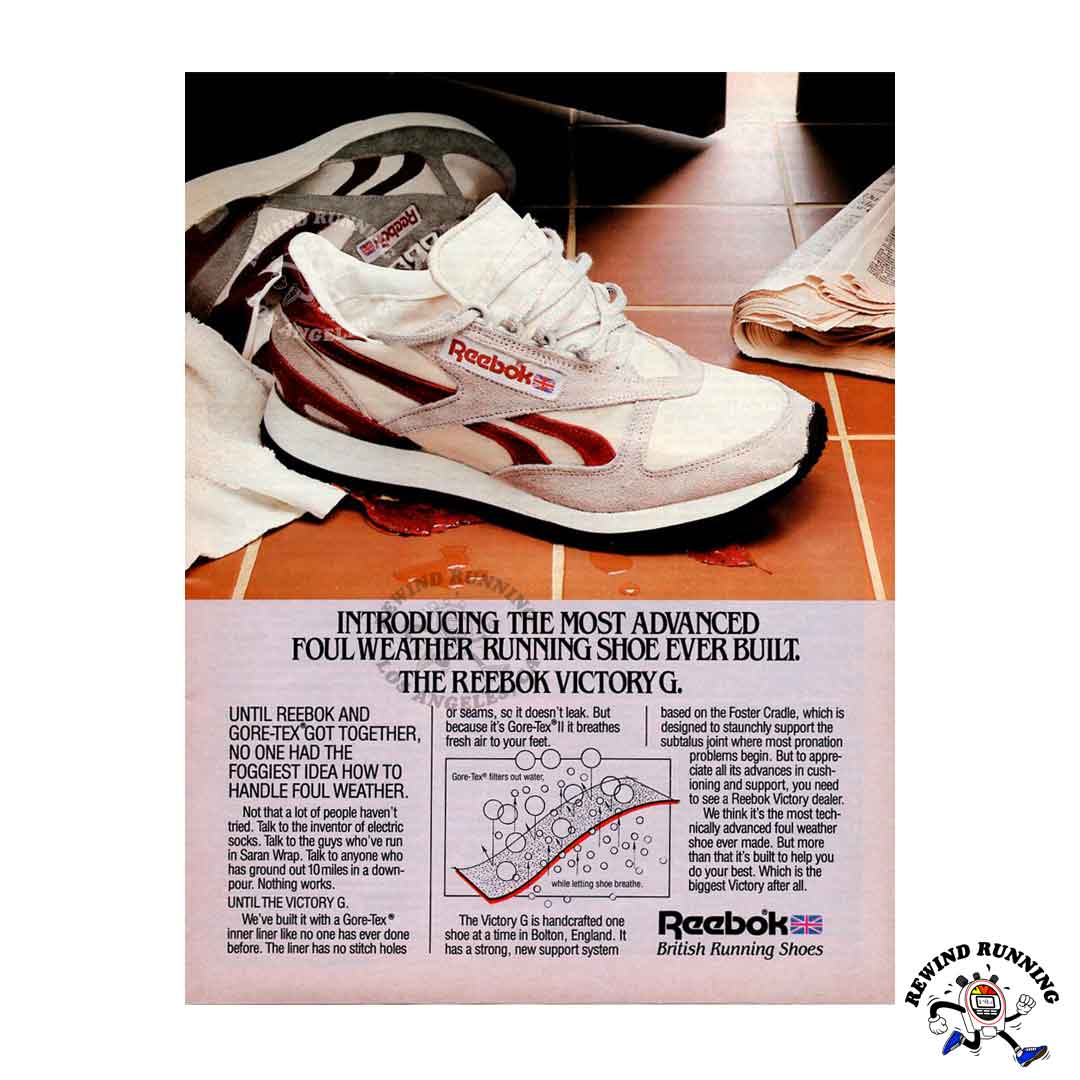
Therefore, integrating 80s sneakers into a modern streetwear lexicon is an exercise in balanced intelligence. It requires an understanding of design history, a willingness to experiment with contrast and cohesion, and an appreciation for the cultural stories woven into the fabric and rubber of these iconic shoes. They offer a unique blend of historical credibility, visual punch, and versatile styling potential. From the clean, monochromatic modern fit to the layered, referential archival look, the path is defined not by rules, but by the confident expression of individual style through a timeless, yet distinctly period-defined, object.
