

Styling 80s Sneakers for Modern Streetwear Edge
The resurgence of 80s sneakers isn’t merely a nostalgic trip down memory lane; it’s a deliberate sartorial statement, a fusion of historical design ethos with contemporary fashion’s relentless pursuit of individuality. These shoes, born from a decade defined by bold experimentation, technological innovation in sport, and burgeoning subcultures, carry a DNA that modern minimalism often lacks. Integrating 80s sneakers into today’s streetwear isn’t about costume play. It’s about harnessing their inherent architectural volume, audacious color blocking, and tangible heritage to cut through the often-monochromatic, streamlined uniformity of modern urban style. They provide an instant edge, a layer of complexity and authenticity that speaks to a knowledge of fashion’s cyclical narrative and a confidence to remix the past for present impact.

Deconstructing the 80s Sneaker Silhouette: Volume, Paneling, and Attitude
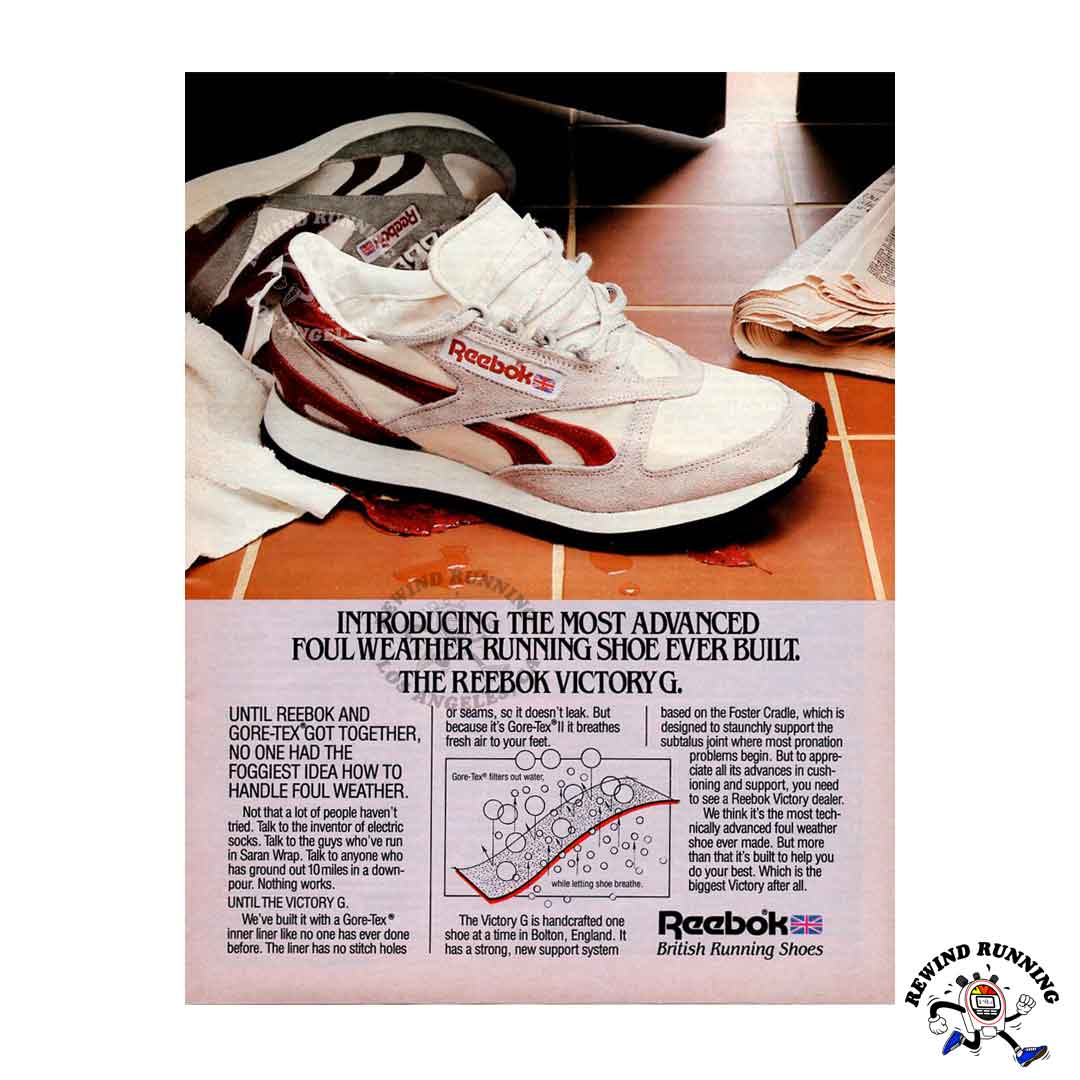
To effectively style a relic from the 80s, one must first understand its architectural language. The decade moved decisively away from the slender, low-profile sneakers of the 70s. Driven by advancements in basketball and aerobics, the silhouette became larger, bulkier, and more assertive. Brands like Reebok, with the iconic Reebok Classic Leather and the even more voluminous Reebok Ex-O-Fit, and Nike, with the Air Force 1 and the Air Jordan I (released in 1985), pioneered this shift. The design philosophy was not about subtlety. It involved extended tongues, exaggerated collars, and midsoles that were visibly thick, often incorporating new cushioning technologies like Nike’s Air or EVA foam. This created a foundation-centric look, literally and figuratively elevating the wearer. The paneling was complex, featuring multiple material segments—suede, nylon mesh, smooth leather, synthetic overlays—stitched together in geometric patterns. This wasn’t just design for design’s sake; as noted in design literature from institutions like the Pratt Institute, such paneling often reflected functional zoning for support and flexibility in athletic performance. In a modern context, this inherent volume is your greatest asset. It anchors oversized, relaxed-fit trousers like cargo pants or wide-leg denim, creating a coherent head-to-toe proportion that avoids a top-heavy look. The complex paneling provides visual interest that can simplify the rest of your outfit; a bold, multi-colored pair of 80s sneakers can be the singular statement piece against a backdrop of neutral-toned, utilitarian clothing.
The Color Block Philosophy: From Court Flash to Street Panache
Color in the 80s was communicative and unapologetic. This was the era of MTV, neon, and a post-modern playfulness that seeped into footwear. Sneakers moved beyond simple white or team colors into high-contrast, often primary, color blocking. Think of the Nike Air Jordan I’s “Bred” (black/red) or “Chicago” (white/red/black) colorways—they weren’t just team colors but dramatic graphic statements. This approach finds a direct parallel in the modern streetwear emphasis on graphic impact and personal branding. Styling these pieces requires a strategic approach to color theory. One can employ the isolation technique: let the sneaker’s loudest color be the only instance of that hue in your outfit. If your sneakers feature electric blue and hot pink, pick up the blue in a subtle sock detail or a small graphic on a tee, but let the pink stand alone. Alternatively, embrace tonal dressing in a neutral shade (black, grey, olive, beige) and allow the sneakers to act as the explosive, punctuating element. Fashion commentators on platforms like Highsnobiety often reference this “anchor and flare” method, where the foundational clothing is muted and textural, providing a canvas for the footwear’s chromatic narrative. This philosophy aligns with the views of influential designers like Virgil Abloh, who frequently deconstructed and re-contextualized archival sportswear, stating in a now-famous lecture at Harvard’s Graduate School of Design that “the reference is the readymade.” The 80s sneaker, in its original color-blocked form, is that readymade artifact, and your styling is the contemporary commentary.

Material Truth: The Tactile Authenticity of Retro Fabrics
Beyond shape and color, the material composition of original or faithfully retro-styled 80s sneakers offers a tactile authenticity that mass-produced modern synthetics often lack. The prevalent use of nubuck, full-grain leather, ripstop nylon, and suede was a result of both available technology and performance demands. These materials age with character, developing patinas, creases, and scuffs that tell a story—a concept highly prized in the “wear your life” ethos of raw denim and heritage workwear enthusiasts. When you pair a pair of buttery leather Reebok Club C’s or suede-and-mesh Nike Air Trainers with contemporary fabrics, you’re creating a dialogue between eras. The soft, evolving texture of the sneaker contrasts beautifully with the rigid, technical fabrics of a modern nylon cargo pant or the crisp, heavy cotton of a workwear jacket. This mix of material languages adds depth and a sense of considered curation to an outfit. As Dr. Benjamin Sturgill, a cultural historian focusing on material culture, noted in a paper for the University of Oxford, “The physicality of an object—its weight, its smell, its texture—is a direct conduit to its historical context and perceived value.” Wearing sneakers made from these original-material recipes isn’t just an aesthetic choice; it’s an immersive connection to the object’s heritage, which in turn elevates the wearer’s entire presentation from “wearing clothes” to “engaging with wearable history.”
Cultural Resonance: From Subculture Uniform to Mainstream Icon
The power of the 80s sneaker is inextricably linked to its cultural journey. These models were not born as fashion items; they were tools for athletes, adopted by breakdancers in the Bronx for their ankle support and pivot-friendly soles, worn by skateboarders for their durable cup soles, and embraced by hip-hop pioneers as symbols of aspirational success and stylistic defiance. The film “Beat Street” (1984) visually codified this link between sneakers, breakdancing, and hip-hop culture. When Run-D.M.C. released “My Adidas” in 1986, it wasn’t just a song; it was a landmark moment of brand and culture fusion, cementing the shell-toe Superstar as a cultural icon. Styling an 80s sneaker today taps into this rich, rebellious lineage. It’s a nod to authenticity, to a time when style was carved out of necessity and community identity rather than dictated by fast-fashion algorithms. Incorporating them into a modern fit acknowledges this history. Pairing them with baggy, utilitarian trousers references the practical needs of the b-boy or skater; wearing them with tailored, looser-fit trousers and a crisp shirt represents the modern evolution of that rebellious spirit into a more refined, but no less intentional, language. You’re not just wearing a shoe; you’re aligning yourself with a legacy of subcultural innovation.
The Modern Synthesis: Practical Styling Frameworks
So, how does this theory translate to your wardrobe? Let’s move from academic and historical appreciation to practical application. The key is balance and intentional contrast. Framework 1: The Elevated Casual. Start with a pair of clean, white-based 80s sneakers like the Reebok Classic Leather or Nike Air Force 1. Combine them with dark, tailored wool trousers (not skinny, but with a straight or slight taper) and a heavyweight, minimalist crewneck sweatshirt. The bulk of the sneaker balances the drape of the top and the clean line of the trousers. Add a structured overcoat. The look is intelligent, comfortable, and sharply contemporary, with the sneaker providing a relaxed, grounded counterpoint to the more formal elements. Framework 2: The Technical Utility. Here, embrace the sportier side. A bold, color-blocked model like the Nike Air Max 1 (technically late 80s, born in 1987) or the ASICS Gel-Lyte III (1990, but deeply rooted in 80s design language) pairs perfectly with technical fabric cargo pants, a moisture-wicking long sleeve top, and a functional vest. The sneaker’s performance heritage aligns with the techwear aesthetic, while its retro flair prevents the outfit from looking like literal gym wear. Framework 3: The Deconstructed Tailoring. This is where the edge is most pronounced. Take a suit—preferably in an unconventional fabric like corduroy, wool flannel, or even a relaxed seersucker—and break it up. Wear the jacket with a graphic tee or a simple polo, and the trousers with a standout pair of 80s sneakers, perhaps a suede New Balance 990 series (first released in 1982) or a vibrant Adidas ZX 8000. The clash of formal expectation with casual, heritage sportswear creates instant, compelling tension.
“The best style is often an anachronism—a purposeful misplacement of time. An 80s sneaker on a 2020s street isn’t a mistake; it’s a critique of the present’s sometimes bland uniformity. It says the wearer has a library, not just a feed.” – This sentiment, echoed by fashion critic Eugene Rabkin in his essays on StyleZeitgeist, captures the intellectual heft behind the choice. It’s not mere retroism; it’s curated anachronism.
Ultimately, styling 80s sneakers for a modern edge is an exercise in contextual intelligence. It requires an understanding of the object’s history, its material and formal language, and the confidence to re-contextualize it within a contemporary wardrobe framework. The goal is not to look like you stepped out of a time capsule, but to use these iconic, foundational pieces as dynamic components in building a personal style that is informed, assertive, and distinctly yours. They are the exclamation point in a sentence built with modern grammar.

