

How to Style Black Low Heel Shoes for Every Occasion
In the vast universe of footwear, few items possess the transformative power and quiet authority of a pair of black low heel shoes. They are not merely an accessory; they are a foundational element of personal style, a sartorial chameleon capable of navigating the complexities of modern life with grace and unwavering confidence. This article is a deep dive into mastering this essential piece, moving beyond superficial trends to explore the principles of styling, the science of comfort, and the art of making a deliberate statement. We will dissect their versatility, provide objective knowledge on their construction and impact, and offer practical, professional guidance to unlock their full potential in your wardrobe.
The Unparalleled Versatility of the Black Low Heel
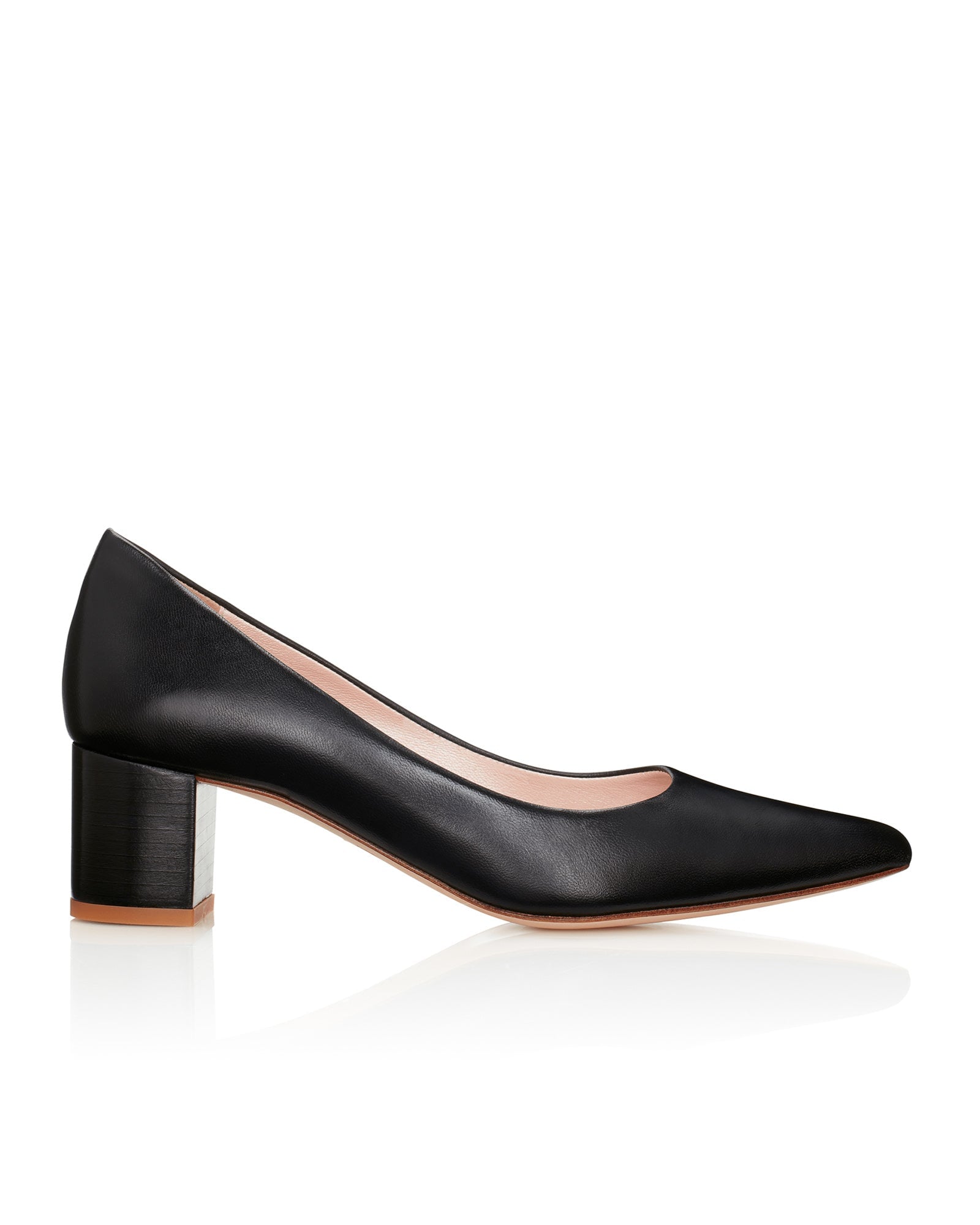
The enduring appeal of black low heel shoes is rooted in fundamental principles of design psychology and color theory. Black, as noted in color psychology resources from institutions like the Victoria and Albert Museum, is often associated with sophistication, authority, and formality, while also serving as a neutral backdrop that recedes, allowing other elements to shine. The low heel, typically defined as being between 1 to 2.5 inches (2.5 to 6.5 cm), strikes a critical biomechanical balance. As discussed in podiatric literature from sources like the American Podiatric Medical Association, a modest heel can slightly alter posture and gait, often perceived as more elegant than a completely flat sole, without imposing the significant biomechanical stress and altered center of gravity associated with high heels. This combination—authoritative color and sustainable comfort—creates a tool of immense adaptability. From the structured environment of a boardroom to the dynamic flow of a creative studio, from a casual weekend brunch to an intimate evening gathering, these shoes provide a stable, stylish foundation. They are the sartorial equivalent of a keystone species in an ecosystem; remove them, and the coherence of many outfits collapses. Their power lies in their ability to be both present and unobtrusive, to command respect without shouting, and to offer a consistent thread of polished intent through the disparate chapters of your day.
Architecting Professional Authority
In the professional sphere, where non-verbal communication is paramount, your footwear is a key component of your personal brand. A sleek pair of black low heel pumps or pointed-toe flats communicates preparedness, attention to detail, and a focused mindset. The message is one of capability, not distraction. As fashion historian and author Nancy Deihl has pointed out in analyses of workplace attire, classic, well-maintained footwear has long been a subtle indicator of professionalism and reliability. The low heel is crucial here; it allows for confident movement during presentations, steady pacing in meetings, and enduring comfort through long hours, all while maintaining a silhouette that is polished and put-together. Consider pairing them with tailored trousers for a modern, powerful look, or with a midi pencil skirt and a crisp blouse for a timeless ensemble. The objective is to create a seamless line from clothing to shoe, where the black low heel shoes act as a grounding, finishing element. They assure that your ideas are heard first, not your footsteps. For a contemporary twist, a black low heel ankle boot under a wide-leg pant leg can project innovative yet serious style. The investment in a high-quality leather or suede pair here is not just in materials, but in the projection of your professional identity.
Crafting Effortless Casual Elegance
The transition to casual styling is where the genius of the black low heel shoes truly flourishes. The goal is effortless elegance—looking considered without appearing as if you tried too hard. This is a concept celebrated by style icons from Audrey Hepburn to modern-day influencers, who often leverage simple, high-quality basics. A black low heel sandal or a simple slingback can instantly elevate a pair of classic blue jeans and a white t-shirt, transforming a basic uniform into a deliberate outfit. The heel provides just enough lift to elongate the leg line subtly, while the black color anchors the look. For a weekend outing, pair a black low heel loafer with cropped trousers and a relaxed sweater. The juxtaposition of the slightly formal shoe with casual fabrics creates a dynamic, intelligent style. As Tim Gunn, renowned fashion consultant, has often emphasized, it’s about “making it work”—the harmony of disparate pieces through thoughtful choices. The low heel here is your ally in practicality, allowing for extended walking, standing at a market, or chasing after a bus without sacrificing your aesthetic cohesion. It’s the antidote to the purely athletic sneaker for casual wear, offering a more refined alternative that still respects your need for comfort and mobility.

Navigating Social and Evening Engagements
When the occasion calls for something beyond the everyday, the black low heel shoes prove they are more than capable of rising to the event. For dinners, gallery openings, or cocktail parties, a pair with delicate details—such as a patent finish, a subtle metallic accent, or a minimalist strappy design—provides the necessary polish without the pain often associated with formalwear. The science of social interaction suggests that comfort directly impacts confidence and enjoyment; being preoccupied with foot pain is a significant detractor. A low heel ensures you can socialize, dance, or stand for extended periods with grace. Consider the iconic little black dress: while often paired with high stilettos in imagery, in practice, a sophisticated black low heel pump or a T-strap sandal can create a look that is equally chic, decidedly more original, and infinitely more wearable. This philosophy echoes the practical glamour of figures like Princess Diana, who was often photographed in elegant, lower-heeled shoes for evening events, balancing royal decorum with human comfort. Your choice to opt for a low heel is a smart, modern declaration that you value experience over artifice, that your style is an extension of your sensible self, not a constraint upon it.
Deconstructing the Elements: A Buyer’s Guide
Understanding the components of a shoe is not mere trivia; it is the key to making informed, lasting investments. Let’s objectively break down the anatomy. The upper, the part covering the foot, is most visible. Leather (full-grain, top-grain, or corrected) offers durability and moldability; suede provides a tactile, softer aesthetic but requires more care; synthetic materials can offer affordability and vegan options. The heel itself, its material (often wood, plastic, or stacked leather), and its width (a block heel offers more stability than a stiletto) directly impact balance and pressure distribution. The insole and footbed are critical for comfort; memory foam, arch support, and padded linings can be found in brands specializing in ergonomics. The outsole, the part that contacts the ground, affects grip and longevity; rubber soles generally provide better traction than leather. The toe box shape—almond, round, or pointed—influences both style and toe room. A well-constructed shoe will have these elements harmoniously integrated, with even stitching, secure attachment of the heel, and no visible glue marks. Renowned cobblers and resources like The Shoe Snob blog by Justin FitzPatrick frequently emphasize these construction points as non-negotiable for quality.

Investing in Quality and Finding Value
Professional knowledge dictates that an upfront investment in a well-constructed pair of black low heel shoes pays dividends in cost-per-wear, comfort, and longevity. Look for brands known for their craftsmanship—often, but not exclusively, from heritage shoemaking regions in Europe or specialist comfort-focused brands. However, quality need not always command a prohibitive price. Savvy shopping involves knowing where to find value. End-of-season sales, outlet stores for premium brands, and reputable online retailers often offer significant discounts on classic styles. Consider subscribing to newsletters from your favorite brands or retailers for early access to sales. Another professional tip is to invest in shoe care: a good suede protector, leather conditioner, and a set of shoe trees will dramatically extend the life of your shoes, protecting your investment. Sometimes, a mid-priced brand with excellent reviews on comfort technology (such as enhanced arch support or shock-absorbing heels) can offer better value and daily utility than a high-fashion pair never worn due to discomfort. The goal is to build a small, curated collection of versatile, high-quality pairs that cover all your occasions, rather than a closet full of transient, uncomfortable trends.
The Final Step: Making Them Uniquely Yours
The journey with your black low heel shoes does not end at purchase; it begins there. They are a canvas. Experiment with textured socks—a fine merino wool or a sheer silk—to change the feel for colder months. Use accessories; a decorative shoe clip can instantly transform a plain pump for an evening out. Pay attention to the relationship between your shoe’s silhouette and your hemline; this visual dialogue is a cornerstone of styling. Most importantly, wear them with the assurance that comes from making a intelligent, versatile choice. They are not a default option, but a deliberate selection of comfort, style, and adaptability. In a world of fast fashion and fleeting trends, these shoes represent a slower, more thoughtful approach to dressing—one where a single, perfect object can tell a hundred different stories, depending on the day, the outfit, and the woman wearing them. Let them be the steady, reliable foundation from which your personal style confidently strides forward into any room, any event, any opportunity.

