

How to Style 80s Sneakers for a Modern Fashion Statement
The resurgence of 80s sneakers is more than a fleeting trend; it’s a cultural reclamation. These shoes, born from a decade defined by bold experimentation, technological innovation in sportswear, and vibrant subcultures, carry a distinct DNA. Integrating them into a contemporary wardrobe isn’t about costume play, but about extracting their iconic essence and fusing it with modern sartorial logic. This approach transforms a nostalgic item into a powerful, personalized fashion statement, bridging decades with every step.
Decoding the DNA: What Defines an 80s Sneaker?
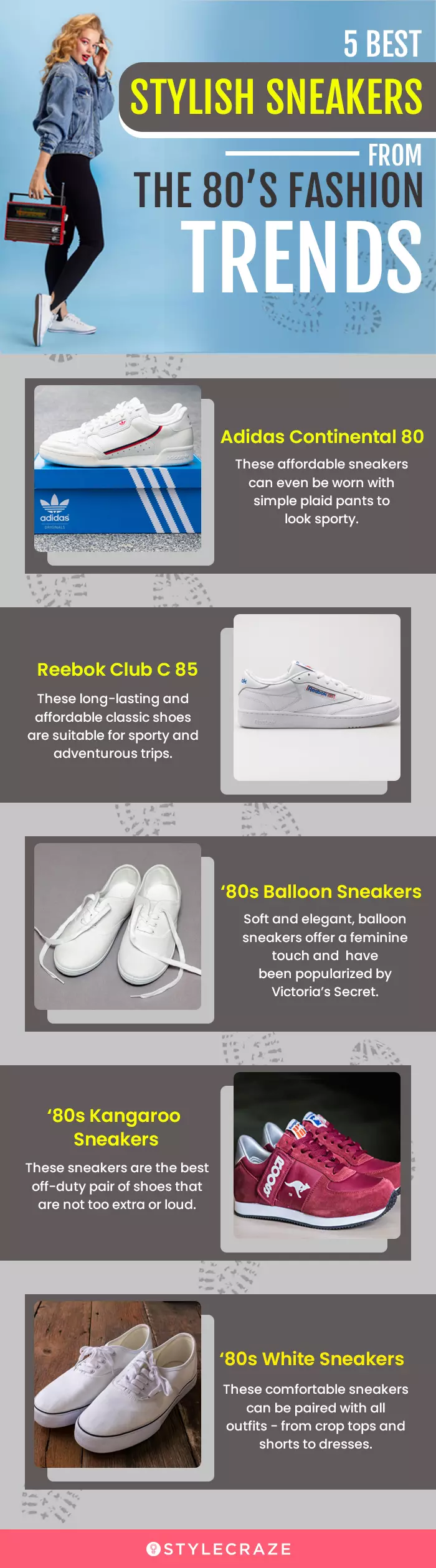
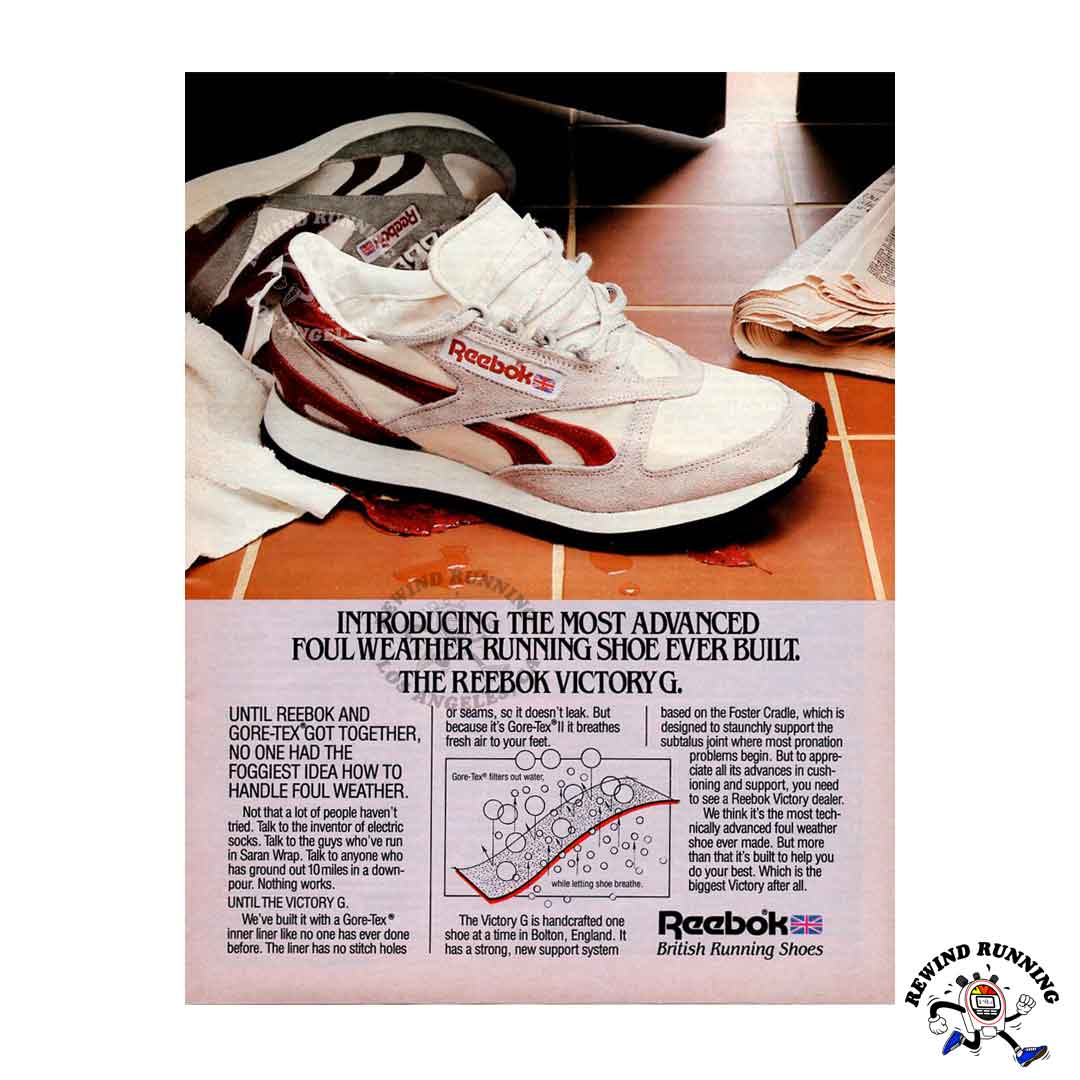
Before styling, one must understand the artifact. 80s sneakers are not merely old athletic shoes. They are products of a specific era in design and culture. Objectively, key characteristics include bold color blocking—often using primary colors or high-contrast combinations like black, white, and grey with a sudden pop of red or electric blue. Silhouettes tended to be bulkier, with increased cushioning technology becoming a visible, marketed feature, as seen in the Nike Air Max lineage which began in 1987. Materials diversified from simple canvas and leather to include synthetic meshes, plastics, and suede. Graphic elements were assertive: think oversized logos, distinctive side stripes (as on Adidas Superstars or Reebok Classics), and even geometric paneling. From a cultural standpoint, as noted in fashion literature from institutions like the Fashion Institute of Technology, the 1980s saw the sneaker transition from purely functional sportswear to a cornerstone of street style, influenced heavily by the rise of hip-hop and basketball culture. This duality—technical innovation meets street credibility—is the core energy we harness today.

The Contrast Principle: Balancing Volume and Line
The most common pitfall in wearing statement sneakers is creating a visually overwhelming or bottom-heavy look. The modern solution lies in the principle of contrast. The inherent volume and visual weight of an 80s sneaker demand a counterbalance in the rest of your outfit. This isn’t about minimizing the shoe, but about framing it. For a sleek, intentional look, pair chunky sneakers with streamlined, tailored pieces. Imagine a pair of bold Reebok Pumps or Nike Air Force 1s worn with straight-leg, non-distressed denim that neatly grazes the top of the shoe, or better yet, with a pair of well-fitted trousers in a neutral wool or cotton blend. On top, a simple, fitted turtleneck or a minimalist overshirt creates a clean line. This contrast highlights the shoe as the deliberate focal point. As fashion commentator and YouTuber Alexa Chung often illustrates in her style analyses, “The magic happens in the tension between pieces. A tough, bulky shoe under a delicate dress or a sharp suit doesn’t weaken the outfit; it gives it a pulse, a point of view.” This approach is rooted in classic design theory, where balance is achieved through the thoughtful distribution of visual weight.
Color Narrative: From Literal to Abstract
The vibrant color palettes of 80s sneakers offer a direct styling cue, but modern application favors abstraction over literal matching. Instead of wearing a red top with red accent stripes on your sneakers, consider a more sophisticated color narrative. Use one dominant color from the shoe as an accent elsewhere in a subtler form—a sock, a bag strap, or even a lip color. Let the other colors in your outfit be neutral anchors: black, white, beige, navy, or grey. This allows the sneaker’s palette to sing without the outfit becoming chaotic. Furthermore, embrace tonal dressing in a single neutral shade (an all-black or all-beige ensemble) and let the multicolored sneakers act as the exclamation point. This method is championed by designers like Virgil Abloh, who frequently deconstructed and re-contextualized nostalgic sportswear within high-fashion monochromatic frameworks. The goal is to create a cohesive story where the sneaker is the vibrant chapter, not the entire plot.

Contextual Alchemy: Unexpected Pairings
The ultimate modern statement is made through contextual alchemy—placing the 80s sneaker in an environment it wasn’t originally designed for. This is where personal style truly shines. Try pairing a technical, mesh-paneled running sneaker from the era with a flowing midi skirt or a feminine slip dress. The juxtaposition of hard and soft, athletic and romantic, creates an intriguing dialogue. Similarly, consider wearing them with tailored suiting. A sharp, single-breasted blazer and trousers combo, when grounded by a pair of chunky, vintage-inspired sneakers, instantly feels more accessible, creative, and contemporary. This style hack is frequently spotted on fashion insiders from Paris to Tokyo and is extensively documented on platforms like Vogue Runway and Highsnobiety. It reflects a broader trend in fashion, as analyzed in publications from Central Saint Martins, towards “genre-fluid” dressing, where traditional categories of formal and casual, masculine and feminine, are deliberately blurred to express individuality.
Investment and Authenticity: Navigating the Market
Engaging with 80s sneaker culture invites questions of authenticity and investment. Today’s market offers three main avenues: vintage originals, modern re-issues (“retros”), and new designs heavily inspired by the era. Vintage pairs offer unparalleled authenticity and patina but may come with durability concerns and higher collector prices. Modern retros from brands like Nike, Adidas, and Reebok provide updated comfort technology and consistent sizing, making them a practical, high-quality choice for daily wear. Brands like Gola and Saucony also offer faithful reproductions of their classic models. To make an informed choice, research is key. Resources like Complex’s “Sneakers of the ’80s” documentaries or deep-dive articles on Hypebeast provide historical context. For a professional perspective, consider the words of sneaker historian and collector Bobbito García: “The ’80s gave us the blueprint. Wearing them today isn’t about living in the past; it’s about carrying that energy forward. Whether it’s a deadstock reissue or a beat-up original, the story you create with them is what matters.” Fortunately, the popularity of this trend means competitive pricing. Regular sales on brand websites, outlet stores, and reputable sneaker retailers make building a collection more accessible. Look for end-of-season sales or subscribe to newsletters for direct discount alerts.
The Final Layer: Confidence as the Ultimate Accessory
Ultimately, the most crucial element in styling any bold piece is confidence. 80s sneakers are inherently assertive. Wearing them with hesitation undermines the statement. Own your combination. Walk with the understanding that you are participating in a long lineage of style innovation. This confidence transforms an outfit from a mere arrangement of clothes into a true fashion statement. It communicates that your choices are deliberate and personal. As the iconic Diana Vreeland once opined, a viewpoint that resonates deeply here: “You gotta have style. It helps you get down the stairs. It helps you get up in the morning. It’s a way of life. Without it, you’re nobody.” The modern integration of 80s sneakers is exactly that—a way of life that embraces history, celebrates individuality, and isn’t afraid to make a joyful, grounded noise in a world of often-quiet fashion.
Styling 80s sneakers for today is an exercise in creative curation. It requires an understanding of their design heritage, a strategic eye for balance and color, and the courage to experiment with context. By applying these principles, you move beyond nostalgia, using these iconic shoes as dynamic tools to build a wardrobe that is both referential and resolutely current. The statement you make is uniquely yours—a modern beat played on a classic drum.
