

Essential Footwear for Your Next Hiking and Walking Adventure
Your journey begins from the ground up. Whether you’re tracing the undulating paths of a local forest or embarking on a multi-day trek through rugged mountain terrain, the single most critical piece of gear you will choose is what you wear on your feet. The right shoes for hiking and walking are not merely an accessory; they are the foundation of your comfort, safety, and endurance. This isn’t about fashion—it’s about biomechanics, physics, and the unyielding laws of nature. A misstep in footwear choice can transform an anticipated adventure into a painful ordeal, while the correct pair can elevate your experience, allowing you to connect deeply with the landscape and your own capabilities. Let’s delve into the science, the stories, and the specifics that define essential footwear.
The Anatomy of Adventure: Deconstructing the Hiking and Walking Shoe
To understand why specialized footwear is non-negotiable, we must first dissect its components. A modern hiking or walking shoe is a feat of engineering, each element addressing a specific environmental or physiological challenge. The outsole, typically made from carbon rubber or similar durable compounds, is your interface with the earth. Its pattern, known as the lug depth and arrangement, dictates traction. On muddy, loose trails, deep, multi-directional lugs act like cleats, gripping the soil to prevent slips. For rocky terrain, a sticky rubber compound, often compared to the rubber on climbing shoes, provides crucial friction on smooth surfaces. The midsole is the shock absorber, usually crafted from EVA (ethylene-vinyl acetate) or polyurethane. This layer mitigates the relentless impact forces—which can exceed several times your body weight with each step—protecting your joints from the cumulative stress of miles. Above this lies the insole or footbed, which offers arch support and can be customized for individual biomechanical needs. The upper, constructed from leather, synthetic mesh, or a blend, must perform a delicate balancing act: offering robust protection from debris and abrasion while ensuring sufficient breathability to manage moisture from both perspiration and external sources like stream crossings. Finally, the fit and last (the shape around which the shoe is built) determine how all these technologies work in harmony with your unique foot morphology. A shoe that is too narrow can cause blisters and numbness, while one too wide fails to provide the necessary stability on uneven ground, leading to ankle rolls. This intricate symphony of parts is what separates a dedicated shoes for hiking and walking from a generic athletic sneaker.

Why Your Running Shoes Aren’t Enough: The Terrain-Specific Argument
It’s a common question: “Can’t I just use my comfortable running shoes?” The answer, grounded in biomechanics and material science, is a resounding no for anything beyond paved paths or well-groomed trails. Running shoes are engineered for forward motion on predictable, often flat, surfaces. Their primary goal is to be lightweight and to cushion repetitive impact in a single plane. The terrain of hiking and serious walking is three-dimensional and unpredictable. It involves lateral movements, sudden ascents and descents, and constant micro-adjustments for balance. A hiking shoe provides a stiffer midsole and a more robust chassis to combat “foot fatigue”—the aching caused by your foot muscles overworking to stabilize on uneven ground. Furthermore, the protection is incomparable. Stubbing your toe on a hidden root in a flexible running shoe can be agonizing and dangerous, whereas a hiking shoe’s reinforced toe cap acts as a helmet for your feet. As noted by outdoor equipment reviewers on sites like CleverHiker and REI’s Expert Advice, the added weight of a proper hiking shoe is a trade-off for profound gains in protection, stability, and longevity on the trail. Your ankles are not designed to handle the constant torque of off-camber trails; the higher cuff of a hiking boot provides proprioceptive feedback and physical support, reducing the risk of sprains. In essence, using running shoes for hiking is like using a sports car for off-roading—it might work on a smooth dirt road, but it’s fundamentally unsuited and potentially hazardous for the true challenges of the wilderness.
The Spectrum of Support: From Trail Walkers to Backpacking Boots
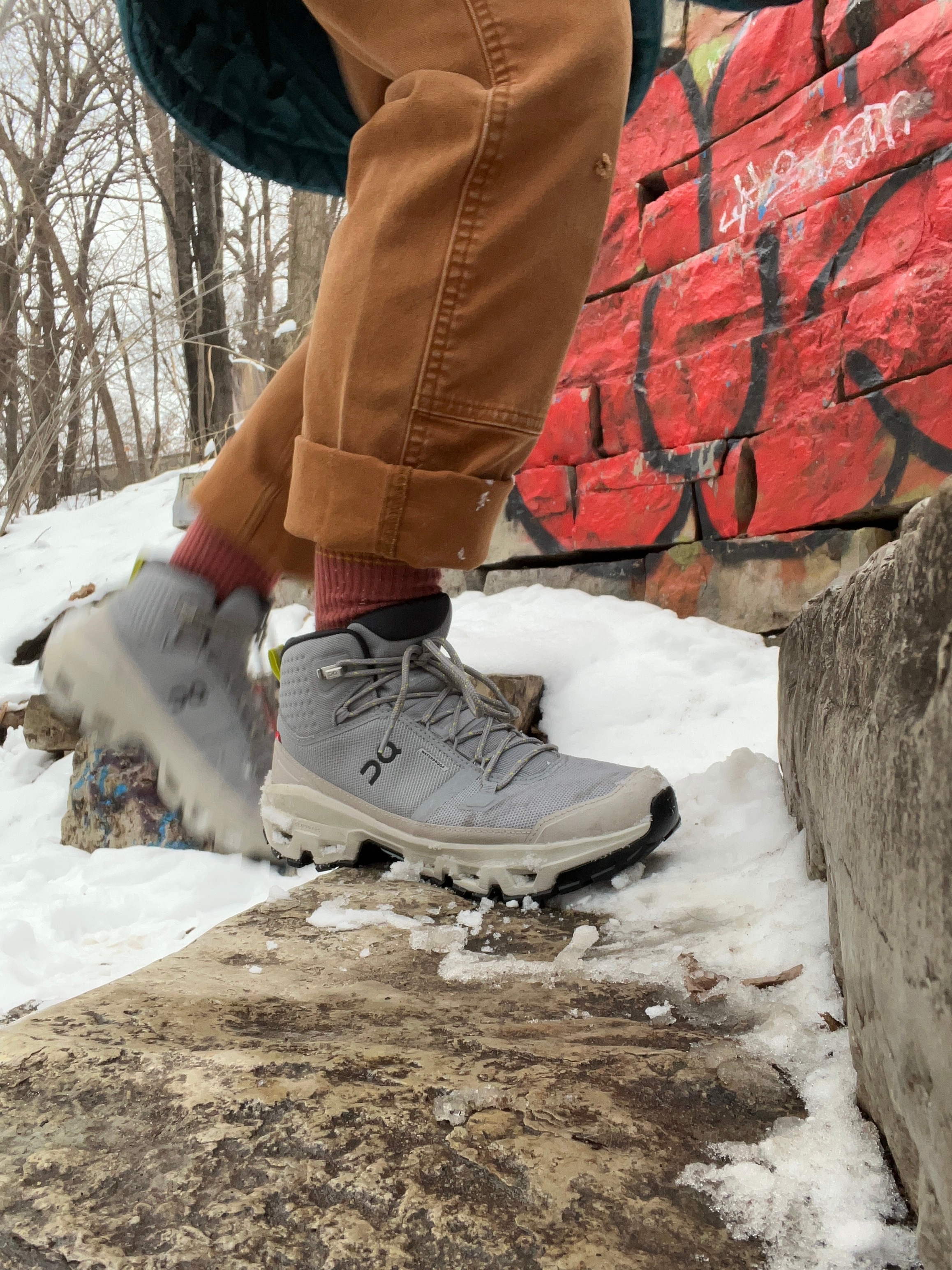
Not all adventures are created equal, and neither is footwear. The category of shoes for hiking and walking spans a spectrum, and selecting the right point on this spectrum is paramount. On one end, you have Trail Runners or Light Hiking Shoes. These are low-cut, flexible, and breathable, ideal for day hikes on established trails where speed and agility are prioritized over maximum load-carrying. They excel in dry conditions and are favored by fastpackers and ultralight hikers. Moving along the spectrum, we encounter Mid-Weight Hiking Shoes. These often feature a higher ankle collar for moderate support, a sturdier build, and improved waterproofing (like a Gore-Tex membrane). They are the versatile workhorses, suitable for multi-day trips with a moderate pack weight and variable weather. At the far end lie Backpacking Boots. These are characterized by full-grain leather or heavy-duty synthetic uppers, a rigid shank in the midsole (often steel or composite), and aggressive, deep-lugged outsoles. They are designed for the most demanding scenarios: carrying heavy expedition loads over rocky, technical terrain for weeks at a time. Their stiffness transfers energy efficiently during steep climbs and provides a stable platform on scree slopes. The choice is not about “better” or “worse,” but about alignment. As legendary mountaineer and author Ed Viesturs famously espoused, “Getting to the top is optional. Getting down is mandatory.” Your footwear is a key determinant in that safe return. Matching the shoe’s capabilities to the trip’s demands—distance, load, and terrain technicality—is a non-negotiable principle of safe travel.
:max_bytes(150000):strip_icc()/VWFit-hiking-shoes-versus-walking-shoes-7548411-152aaaad90024603b172fdf65bb0c157.jpg)
The Science of Fit: More Than Just Size
Purchasing the perfect pair of shoes for hiking and walking is a ritual that demands time and attention. The golden rule, echoed by bootfitters from specialty stores worldwide, is to shop in the afternoon or after a walk, when your feet are naturally swollen. Always wear the socks you intend to hike in. Your heel should be locked in place with minimal slippage, and there should be about a thumb’s width of space (roughly 1/2 inch or 1.3 cm) between your longest toe (which isn’t always the big toe) and the end of the shoe. This allows for foot swelling during long, strenuous descents. Pay critical attention to the width, particularly across the ball of your foot. The shoe should not pinch, but your foot should not slide side-to-side. Walk on an inclined surface if the store has one; your toes should not jam into the front on the downhill. Remember, these shoes should feel reassuringly supportive and secure from the first fitting—the myth that they require a long, painful “break-in” period is largely outdated with modern materials and indicates a poor fit. A well-fitted shoe feels like an extension of your body, not a constraint. It’s an investment in every step you will take, and compromising on fit is compromising on the entire experience.
Material Worlds: Leather, Synthetics, and Waterproofing Debates
The choice of upper material is a defining characteristic with significant trade-offs. Full-grain leather, once the undisputed king, offers unparalleled durability, abrasion resistance, and natural water resistance. It molds to the foot over time, offering a custom fit. However, it is heavier, less breathable, and requires more maintenance. Split-grain leather (often paired with synthetic mesh) reduces weight and increases breathability at the cost of some durability and waterproofness. Modern synthetic uppers, using fabrics like nylon and polyester, are lightweight, dry quickly, and require minimal break-in. Their downside can be a shorter overall lifespan and less inherent structure. The waterproofing question is a major point of contention. Membranes like Gore-Tex create a barrier that prevents liquid water from entering while allowing water vapor (sweat) to escape—a process known as breathability. In consistently wet, cold conditions, such as snow or persistent rain, they are invaluable for keeping feet dry and warm. However, in hot, humid climates or during high-output activities, they can trap sweat, leading to internally wet feet. Once water gets in (e.g., from a deep puddle over the cuff), it evaporates very slowly. Many seasoned hikers, particularly in dry or hot climates, opt for non-waterproof, highly breathable shoes that drain and dry rapidly. The decision hinges on your typical environment. As outdoor educator and author Andrew Skurka advises, consider the “wet foot” vs. “dry foot” trade-off. Sometimes, it’s better to accept quick-drying wetness than to stew in a sealed, sweaty boot.
Investing in Your Foundation: The Long-Term Value Proposition
High-quality shoes for hiking and walking represent a significant investment, often ranging from $120 to over $300. It is vital to view this not as a mere purchase but as an investment in your health, safety, and the quality of your adventures. A cheap, ill-suited pair can lead to blisters, plantar fasciitis, knee pain, or worse, a debilitating fall. The cost of treating such injuries far outweighs the price of proper footwear. Furthermore, premium shoes from reputable brands incorporate advanced materials and construction techniques that offer better performance and longer lifespan. They use higher-grade rubber that retains traction longer, more durable stitching, and support systems informed by podiatric science. To maximize value, look for seasonal sales from major retailers, consider previous-year models which often see deep discounts, and sign up for newsletters from outdoor companies for exclusive offers. The return on investment is measured in miles of comfort, summits reached, and memories made without the distraction of foot pain. Your feet carry you through life’s greatest adventures; honoring them with the right tools is the wisest strategy.
Beyond the Purchase: Care, Maintenance, and When to Retire
Your relationship with your footwear doesn’t end at the checkout counter. Proper care dramatically extends their functional life. After each hike, remove the insoles, loosen the laces, and allow the shoes to air dry naturally, away from direct heat sources which can degrade adhesives and materials. Brush off dried mud to preserve the fabric and stitching. Periodically, clean the uppers with a soft brush and mild soap, and reapply a manufacturer-recommended waterproofing treatment (like a DWR spray for synthetics or conditioner for leather) to restore water repellency. However, even the best-cared-for shoes have a finite lifespan. The midsole cushioning compacts over time, losing its shock-absorbing properties long before the outsole wears smooth. A general rule of thumb is 500 to 800 miles, but listen to your body. If you start experiencing new aches in your feet, knees, or hips, or if the shoe no longer feels supportive, it’s time for a replacement. Worn-out footwear is a leading cause of overuse injuries. Retiring a trusted pair is bittersweet, but it paves the way for a new companion on new trails.

The path ahead is calling. It promises discovery, challenge, and perspective. But the quality of that journey is inextricably linked to your foundation. The right shoes for hiking and walking are the unsung heroes of every adventure, the quiet enablers of exploration. They are the product of decades of innovation, biomechanical research, and lessons learned from countless miles on the trail. Choosing them wisely is the first and most consequential step you take. It is an act of respect—for the terrain, for the distance, and for your own physical well-being. So, before you set out, invest the time to find your perfect match. Your future self, miles down a beautiful, rugged trail, will thank you with every comfortable, confident step.
