

Best Shoes for Hiking and Walking: Comfort and Durability Combined
Selecting the right footwear is not merely a purchase; it’s an investment in your mobility, health, and the quality of every step you take. The quest for the perfect pair that marries unyielding comfort with rugged durability defines the journey of every outdoor enthusiast and daily walker. This article delves beyond marketing claims to explore the objective engineering, biomechanical science, and proven performance that distinguish exceptional shoes for hiking and walking. We will dissect the critical components, from sole construction to upper materials, providing you with the knowledge to make an informed choice that supports your adventures, whether on a forest trail or city pavement.
The Foundation: Understanding Foot Biomechanics and Terrain Demand
The human foot is a complex marvel of engineering, comprising 26 bones, 33 joints, and over 100 muscles, tendons, and ligaments. According to research from institutions like the University of Washington’s Department of Orthopaedics and Sports Medicine, its primary functions are shock absorption, adaptation to uneven surfaces, and propulsion. A shoe for hiking and walking must complement these functions, not hinder them. On paved surfaces, the gait cycle is repetitive and predictable, requiring consistent cushioning and flexibility at the forefoot. In contrast, hiking involves variable terrain—rocks, roots, inclines, declines—demanding stability, torsional rigidity to prevent twisting on uneven ground, and aggressive traction. The renowned physical therapist and author, Dr. Kelly Starrett, often emphasizes on his platform, “The Ready State,” that footwear should create a stable, neutral platform for the foot to function from, avoiding excessive interference with its natural mechanics. Therefore, the first critical divergence in choosing footwear is acknowledging this fundamental terrain-based split. A shoe designed purely for road walking may lack the protective underfoot plate and ankle support needed for rocky trails, while a burly hiking boot may be overly stiff and heavy for daily ambulation, potentially altering your natural stride.
:max_bytes(150000):strip_icc()/VWFit-hiking-shoes-versus-walking-shoes-7548411-152aaaad90024603b172fdf65bb0c157.jpg)
Decoding the Outsole: Your Connection to the Ground
The outsole is arguably the most critical element for durability and performance. It is the interface between you and the earth, responsible for grip, wear resistance, and contributing to overall stability. The science here revolves around two primary components: rubber compound and lug pattern. High-quality hiking and walking shoes utilize proprietary rubber blends, such as Vibram Megagrip or Contagrip, which are formulated to offer a balance of stickiness (for wet rock) and durability (for long-lasting wear). As noted in gear analyses from authoritative outdoor sites like CleverHiker and Switchback Travel, a softer rubber provides better traction but may wear down faster on asphalt, while a harder compound lasts longer but can be slippery on smooth, wet surfaces. The lug pattern—the depth and arrangement of the treads—is equally scientific. Deep, multi-directional lugs (often 4-5mm) are essential for hiking, designed to shed mud and bite into loose soil. For walking shoes, shallower, more closely spaced lugs or a flat, patterned tread offer sufficient grip on man-made surfaces without collecting debris. The outsole also often wraps up partially at the toe and heel, areas prone to abrasion, enhancing the shoe’s longevity. When examining a potential pair of shoes for hiking and walking, scrutinize the outsole; it is the literal foundation of the shoe’s durability and your safety.

The Midsole: The Engine of Comfort and Support
If the outsole is the foundation, the midsole is the suspension system. This layer, typically made from EVA (ethylene-vinyl acetate) foam, polyurethane, or proprietary blends like Nike’s React or Adidas’s Boost, is responsible for cushioning, energy return, and arch support. The density and construction of the midsole are what transform a step from an impact into a comfortable transition. For walking, where thousands of repetitive steps are taken, a midsole with excellent energy return can reduce leg fatigue. Brands like HOKA have built their reputation on maximalist midsoles that provide exceptional shock absorption, a technology often highlighted in reviews by podiatrists and running magazines. For hiking, the midsole must also provide stability. This is often achieved through a dual-density design—a softer foam for cushioning surrounded by a firmer foam “cradle” to prevent excessive foot roll on uneven terrain. Some shoes for hiking and walking incorporate a rock plate—a thin, flexible shield of nylon or plastic embedded in the midsole—to protect the foot from sharp stone bruising. The choice here is personal and activity-specific: a plush, high-rebound midsole for long urban walks, or a supportive, protective, and slightly stiffer midsole for carrying a load over trail miles.
The Upper: Durability, Protection, and Breathability
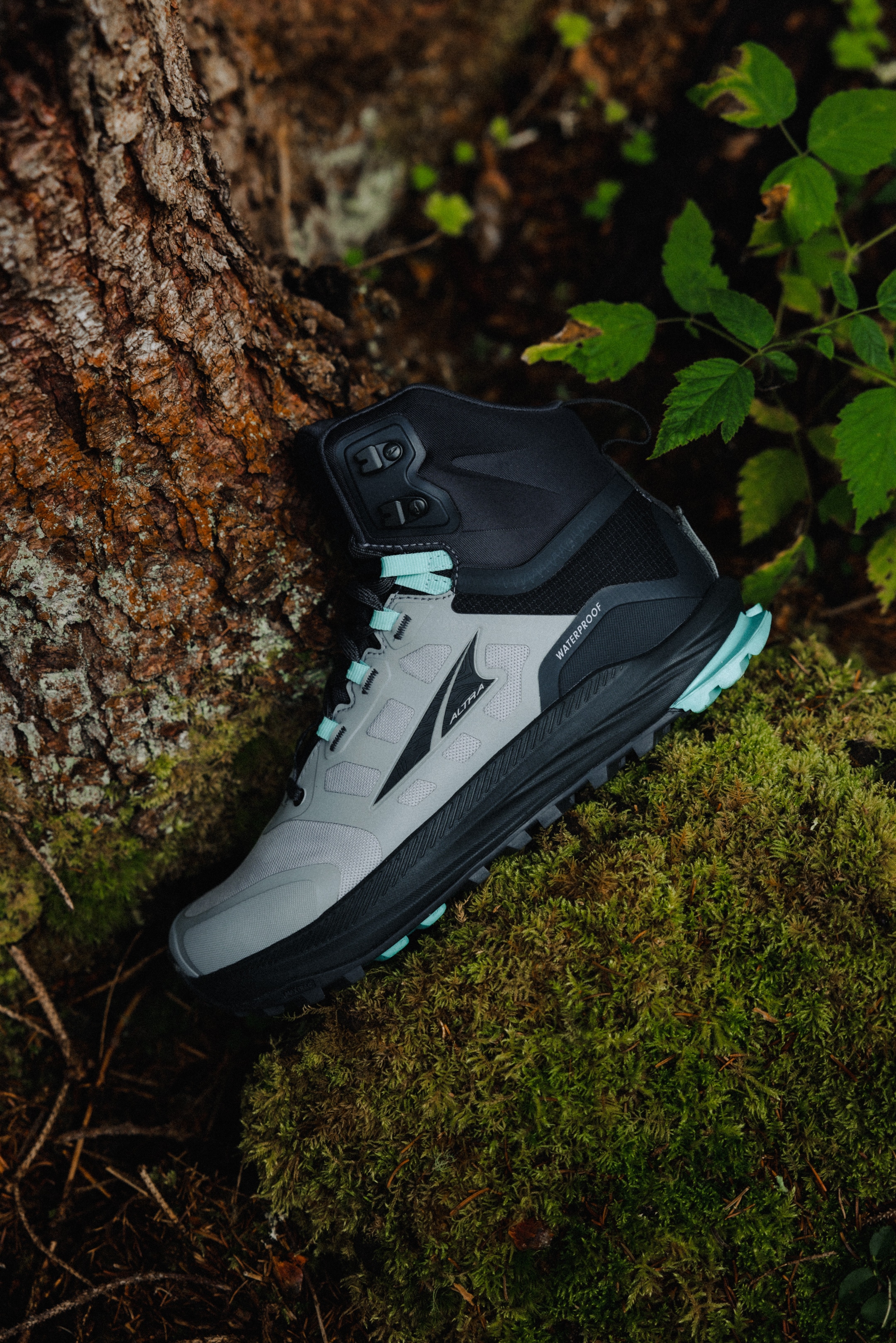
The upper material dictates the shoe’s durability, weather protection, and breathability. Traditional full-grain leather uppers, as used in iconic boots like the Danner Mountain Light, offer legendary durability and water resistance but are heavier and require break-in. Modern synthetics like nylon mesh and thermoplastic polyurethane (TPU) overlays provide a lightweight, breathable, and immediately comfortable alternative. The key is in the construction. Reinforced toe caps (or “bumpers”) protect against stubbed toes, while heel counters stabilize the rear foot. For waterproofing, a membrane like Gore-Tex or eVent is often laminated between the outer material and the lining. It’s crucial to understand the trade-off, as famed mountaineer and gear tester Andrew Skurka has stated on his website: “Waterproof membranes keep water out but also trap sweat and heat in.” For fast-paced hiking in dry conditions or warm-weather walking, a non-waterproof, highly breathable mesh upper is often the superior choice for comfort. The durability of the upper is tested at stress points, particularly where the laces attach and where the foot flexes. Look for robust stitching or welded seams and reinforced panels in these high-wear areas to ensure your shoes for hiking and walking withstand months or years of use.
Synthesizing the Elements: Finding Your Perfect Match
With an understanding of the core components, the final step is synthesis—matching the shoe’s architecture to your specific use case. Consider the “Three W’s”: Where, When, and Weight. Where will you be using them most? A hybrid shoe, often called a “trail runner” or “approach shoe,” might be the ideal compromise for someone who does light trail hiking and city walking. Brands like Salomon and Merrell excel here. When will you be active? Winter and wet conditions call for waterproof membranes and perhaps insulated linings; summer demands maximum breathability. Weight is multifaceted: the weight of the shoe itself and the weight you’ll be carrying. A heavier backpack necessitates a more supportive, structured boot. For everyday walking with no load, a light, flexible shoe is preferable. Renowned YouTube gear reviewers like “Darwin onthetrail” consistently emphasize that the lightest shoe suitable for the conditions is usually the most comfortable over long distances. Trying on shoes in the afternoon when your feet are slightly swollen, wearing the socks you intend to use, and walking on an inclined surface if possible are all non-negotiable steps in the fitting process. The right pair should feel secure and supportive without any pressure points or slippage from the moment you put them on.

Investment and Value: Beyond the Sticker Price
High-quality shoes for hiking and walking represent a significant investment, often ranging from $120 to over $300. However, the cost-per-mile value tells the true story. A well-constructed shoe from a reputable brand, using the materials and technologies discussed, can last for 500 miles or more of use. In contrast, a cheaply made shoe may fail structurally or lose its cushioning within 100 miles, potentially leading to discomfort or injury. To maximize value, consider end-of-season sales, outlet stores, and reputable online retailers that offer previous-year models at deep discounts. The core technology in footwear often evolves incrementally, so last year’s top model frequently provides 95% of the performance at 70% of the price. Furthermore, proper care—regular cleaning, air drying away from direct heat, and occasional re-waterproofing—can dramatically extend a shoe’s lifespan. Investing in quality is ultimately an investment in your comfort, joint health, and the sheer enjoyment of your activities. As the old adage, often echoed in outdoor circles, goes: “There’s no such thing as bad weather, only unsuitable clothing and footwear.”
The journey to finding footwear that seamlessly blends comfort and durability is a deliberate one, grounded in an understanding of materials, biomechanics, and personal need. It is about choosing a tool that empowers your movement, protects your body from repetitive stress, and reliably withstands the demands of your chosen path. By prioritizing objective design features over fleeting trends and aligning your selection with the specific realities of your terrain and use, you secure a partner for every journey. The right pair of shoes doesn’t just carry you; it enhances the very experience of motion, turning a simple walk or a challenging hike into a testament to thoughtful preparation and engineered performance.
