

Your Ultimate Guide to Saucony Walking Shoes
When you think of dedicated walking footwear, a few brands might spring to mind, but for those who prioritize a blend of heritage, innovation, and biomechanical precision, Saucony walking shoes stand apart. This isn’t about casual fashion sneakers repurposed for a stroll; it’s about footwear engineered from the ground up for the specific, repetitive motion of walking. The difference is felt in every step, from the heel strike to the toe-off. This guide delves deep into the anatomy, technology, and philosophy behind Saucony’s approach to walking, moving beyond marketing hype to provide a clear, evidence-based roadmap for your next—and perhaps best—pair of walking companions.
The Biomechanics of Walking: Why Specialized Shoes Matter
Walking is a complex, weight-bearing locomotive activity distinct from running. According to biomechanics literature from institutions like the University of Calgary’s Human Performance Laboratory, the gait cycle in walking involves a period of “double support” where both feet are on the ground, unlike running’s aerial phase. This results in different force distributions. The heel-strike impact, while lower in magnitude than running, is more consistent and prolonged. A proper walking shoe must facilitate a smooth roll from heel to toe, providing stability throughout this longer contact period. As noted by Dr. Casey Kerrigan, a former Harvard Medical School professor and gait analysis expert, “Improper footwear can alter natural gait mechanics, leading to inefficiency and over time, potential discomfort in joints from the foot up to the back.” Saucony designs its Saucony walking shoe models with this precise gait cycle in mind, often incorporating features like a beveled or rounded heel to encourage that natural, smooth transition, making the science of walking accessible and comfortable for everyone.
Deconstructing the Saucony Walking Shoe: Core Technologies Explained
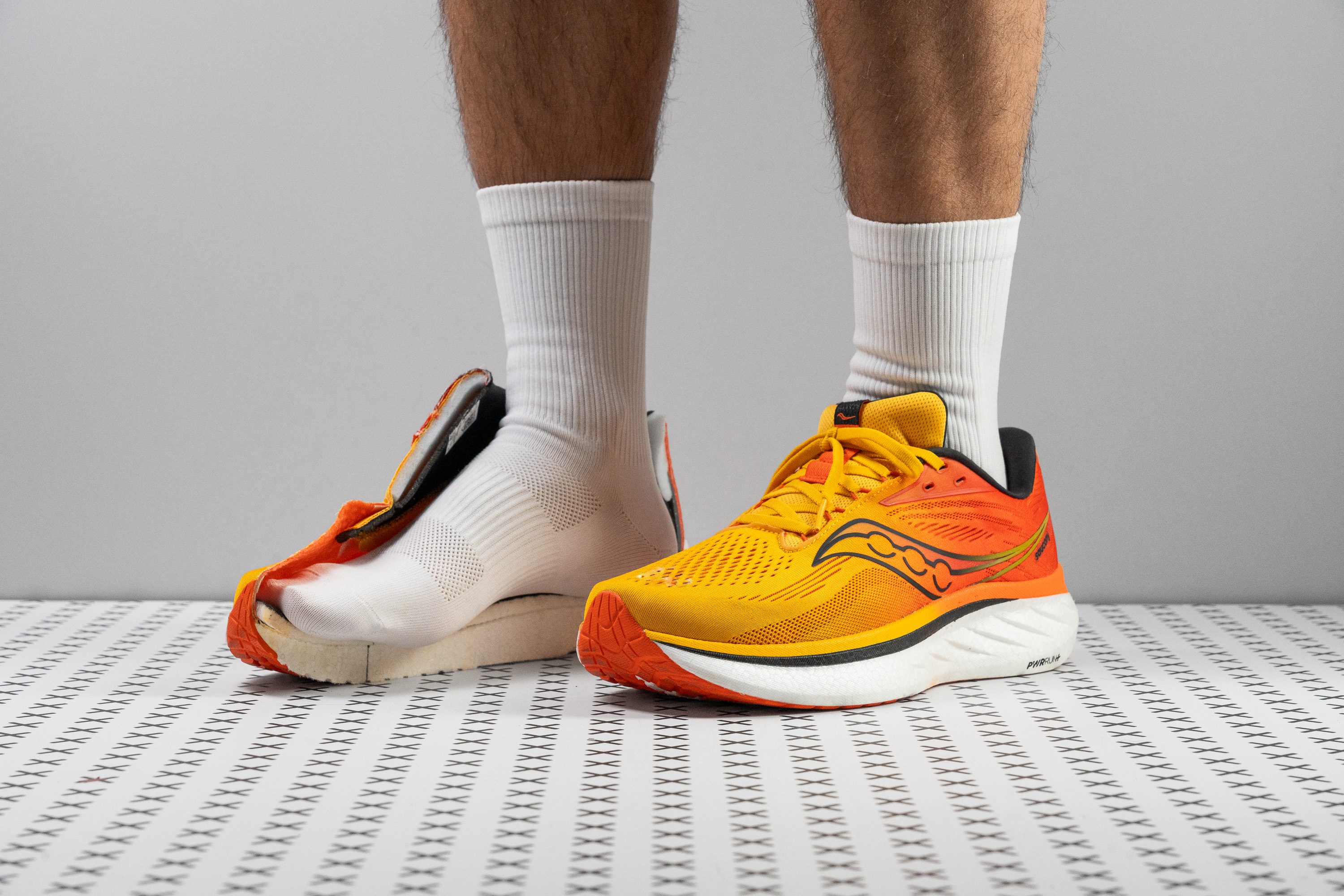
To understand the value proposition, one must look under the hood. Saucony employs a suite of proprietary technologies, each with a specific biomechanical function. Let’s examine the key pillars. First, the midsole cushioning: technologies like PWRRUN and PWRRUN+ are not just marketing terms. Based on polymer chemistry principles, these compounds are engineered for a specific balance of energy return and durability. PWRRUN+, often compared to premium materials used by other brands, aims to provide a responsive yet soft cushion that doesn’t bottom out over miles. Second, the guidance system. Many Saucony walking models feature an SSL (Saucony SuperLite) EVA midsole with a medial post or a structured design. This isn’t about rigid “motion control” but about guidance. As per podiatric viewpoints shared on platforms like Podiatry Today, such features help manage the degree of pronation—the natural inward roll of the foot—preventing overpronation which can lead to strain. Third, the outsole: XT-900 carbon rubber is frequently used in high-wear areas. This material, known in industrial design for its abrasion resistance, significantly extends the shoe’s life, a crucial factor for walkers who log consistent mileage on pavement.

Fit and Geometry: The FORMFIT Philosophy
Saucony’s FORMFIT technology is a tri-dimensional design concept encompassing the foot’s shape, movement, and volume. It breaks down into three layers: the underfoot base for cushioning, the insole/midfoot for arch and saddle support, and the upper for a secure, adaptable wrap. This philosophy acknowledges a fundamental truth often cited by shoe fitters: feet are three-dimensional, and a good shoe must accommodate the bony architecture, soft tissue, and dynamic movement. A Saucony walking shoe built on FORMFIT principles, such as the Integrity ST2, doesn’t just come in different lengths; it considers width, instep height, and how the foot expands during weight-bearing. This holistic approach to fit, reminiscent of custom orthotic principles but in a mass-produced package, reduces hotspots and blister formation, allowing you to focus on the walk itself, not your footwear.
Navigating the Saucony Walking Lineup: From Stability to Cushioning
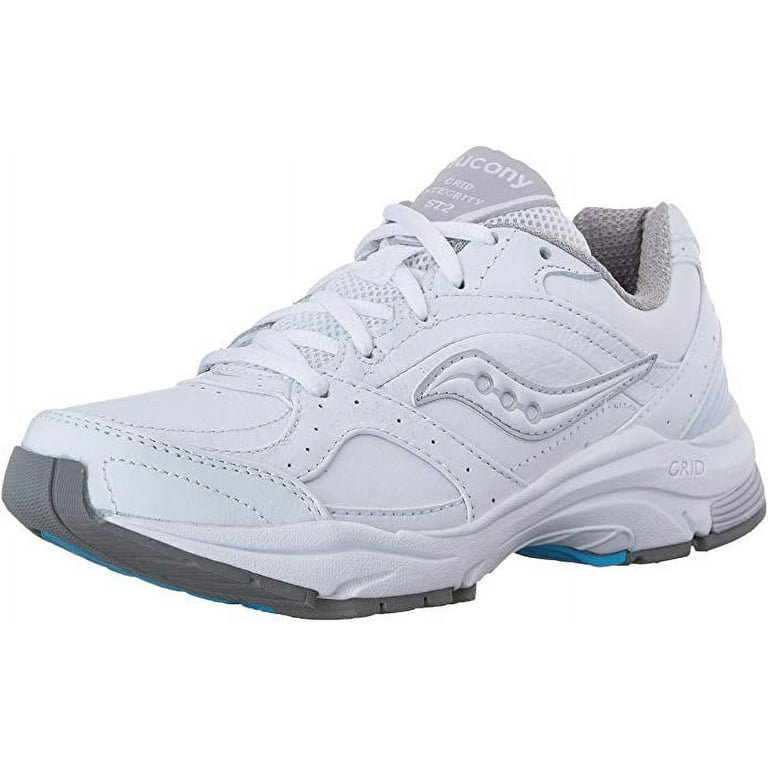
The Saucony catalog for walking isn’t monolithic; it’s a tailored collection. On one end, you have models like the ProGrid Integrity ST2, a long-standing favorite. This shoe is often highlighted in reviews on sites like Runner’s World for its structured support. It typically features a robust heel counter, a dual-density midsole for guidance, and a full-grain leather upper for structured durability. It’s the choice for walkers seeking maximum stability and a traditional, supportive feel. On the opposite spectrum lies a model like the Saucony Ride, technically a running shoe but adopted by many walkers for its plush, neutral cushioning. The Ride utilizes the full-length PWRRUN+ midsole, offering a softer, more energetic ride ideal for neutral walkers or those on harder surfaces. Then there are hybrids like the Echelon series, known for extra width options and generous volume, catering to a specific need often overlooked in the market. Choosing the right model is less about finding the “best” and more about matching the shoe’s architecture to your foot’s biomechanics and your walking environment.
The Value Proposition: Investment vs. Cost
Let’s address price directly. A premium Saucony walking shoe may retail between $120 and $160. This is an investment in your musculoskeletal health. Consider the cost-per-wear analysis: if you walk 5 miles a day, 5 days a week, a shoe lasting 500 miles (a conservative estimate for a quality walking shoe) will serve you for about 5 months. That breaks down to less than a dollar per day for foundational support. Compared to potential costs from discomfort or injury, the value is clear. Furthermore, Saucony’s consistent use of durable materials like XT-900 rubber and robust upper constructions means these shoes often outlast cheaper alternatives that compress or wear out prematurely. To maximize your investment, look for previous-season models or sales on reputable sites, where you can frequently find these technologically advanced shoes at a 20-30% discount, bringing that daily cost down even further.
Beyond the Shoe: Integrating Your Walk into a Holistic Practice
The perfect shoe is a tool, not a solution. To truly benefit, your footwear must be part of a broader practice. This includes gradual progression in distance, attention to walking form (a tall posture with a slight forward lean from the ankles, as advocated by racewalking coaches), and complementary strength training for the feet, ankles, and hips. Resources from organizations like the American Council on Exercise emphasize the role of foot strength in gait efficiency. Your Saucony walking shoes provide the platform, but you are the engine. Think of them as a high-performance interface between your body and the ground, designed to protect and enhance your natural movement, not replace the need for it. This synergy between mindful practice and purpose-built equipment is where the true transformation in your walking experience occurs.
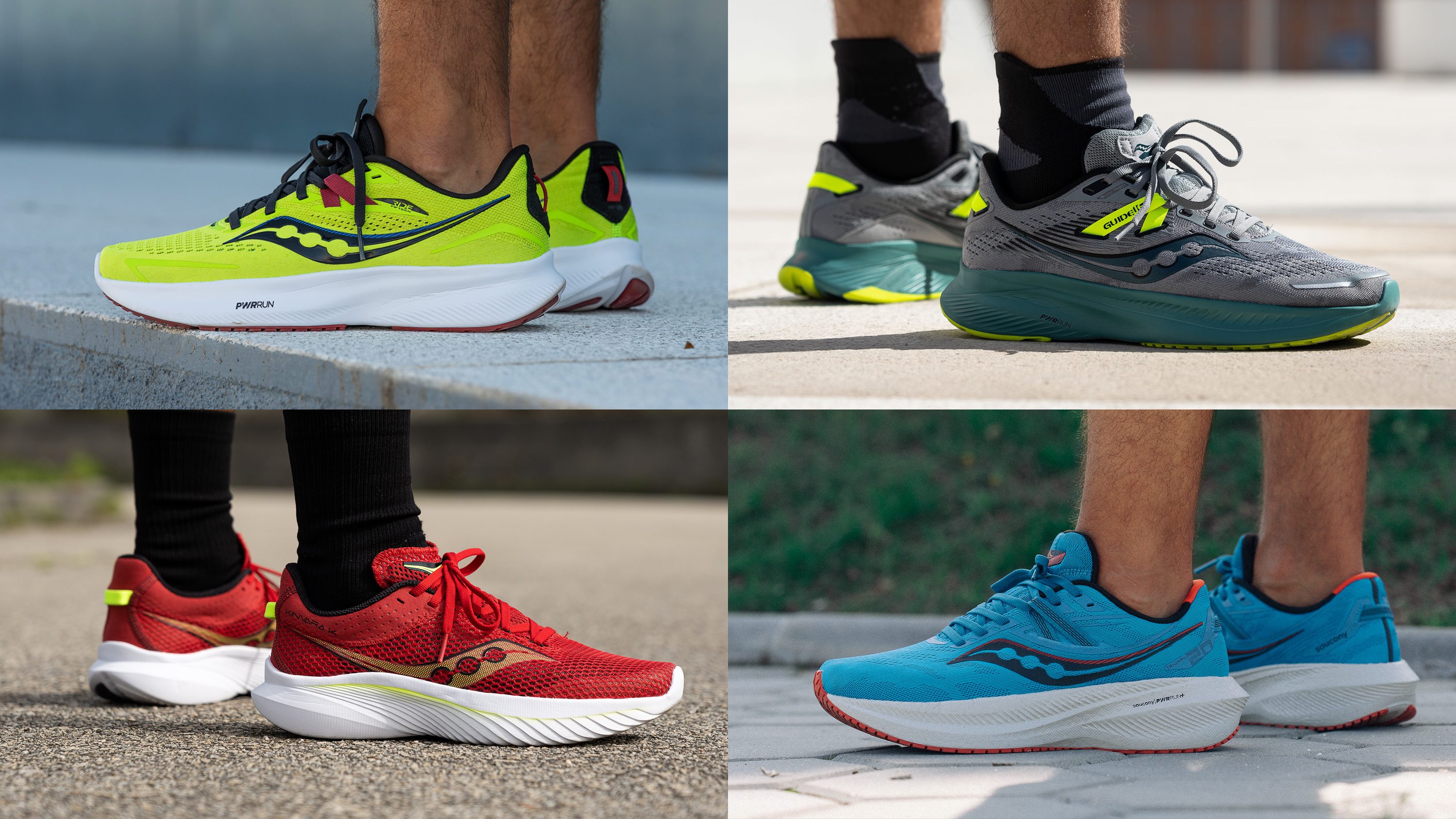
The journey to finding the right walking shoe is a personal one, grounded in the objective realities of physics, anatomy, and material science. Saucony’s commitment to this intersection of science and sport is what defines its range. From the structured guidance of the Integrity to the cloud-like cushion of the Ride, each model is a thesis on how to support the human body in motion. Your task is to listen to your feet, understand your gait, and select the tool that aligns with your personal biomechanics. When you find that match, the shoe ceases to be mere apparel and becomes a seamless extension of your stride, empowering every step you take.
