

Your Ultimate Guide to Rykä Walking Shoes for Women
When you think about walking shoes, what comes to mind? For many women, it’s a compromise—between style and comfort, between support and flexibility, or between durability and lightness. But what if you didn’t have to choose? This is where Ryka walking shoes for women carve out their distinct space. Designed specifically for the biomechanics of a woman’s foot, these shoes aren’t just scaled-down versions of men’s footwear; they are engineered from the ground up to address the unique needs of female walkers. Whether you’re embarking on a daily fitness routine, navigating urban landscapes, or seeking relief from foot discomfort, understanding the science and design behind these shoes can transform your walking experience. Let’s explore why these shoes have garnered a dedicated following and how they might be the missing piece in your activewear collection.

The Foundation: Why Women’s Feet Demand Specialized Design
To appreciate Ryka walking shoes for women, we must first delve into the objective, anatomical differences. According to research from institutions like the University of Utah’s Department of Orthopedics, women generally have narrower heels relative to the forefoot, a higher arch, and a different Q-angle (the angle between the quadriceps muscle and the patellar tendon) compared to men. This structural variance isn’t trivial; it directly impacts gait, pressure distribution, and susceptibility to injuries like plantar fasciitis or patellofemoral pain syndrome. A study published in the Journal of Foot and Ankle Research corroborates that footwear designed for gender-specific biomechanics can enhance comfort and performance while reducing injury risk. Rykä, as a brand, anchors its philosophy on this very principle. Instead of applying a unisex template, their design process begins with a woman’s last—the mold around which a shoe is built. This ensures a more secure heel fit, ample room in the toe box to accommodate natural splay, and strategic cushioning that aligns with the typical pressure points of a female foot. It’s a scientific approach to comfort, moving beyond mere aesthetics to foundational support.
Core Technologies: Decoding the Comfort and Support Features
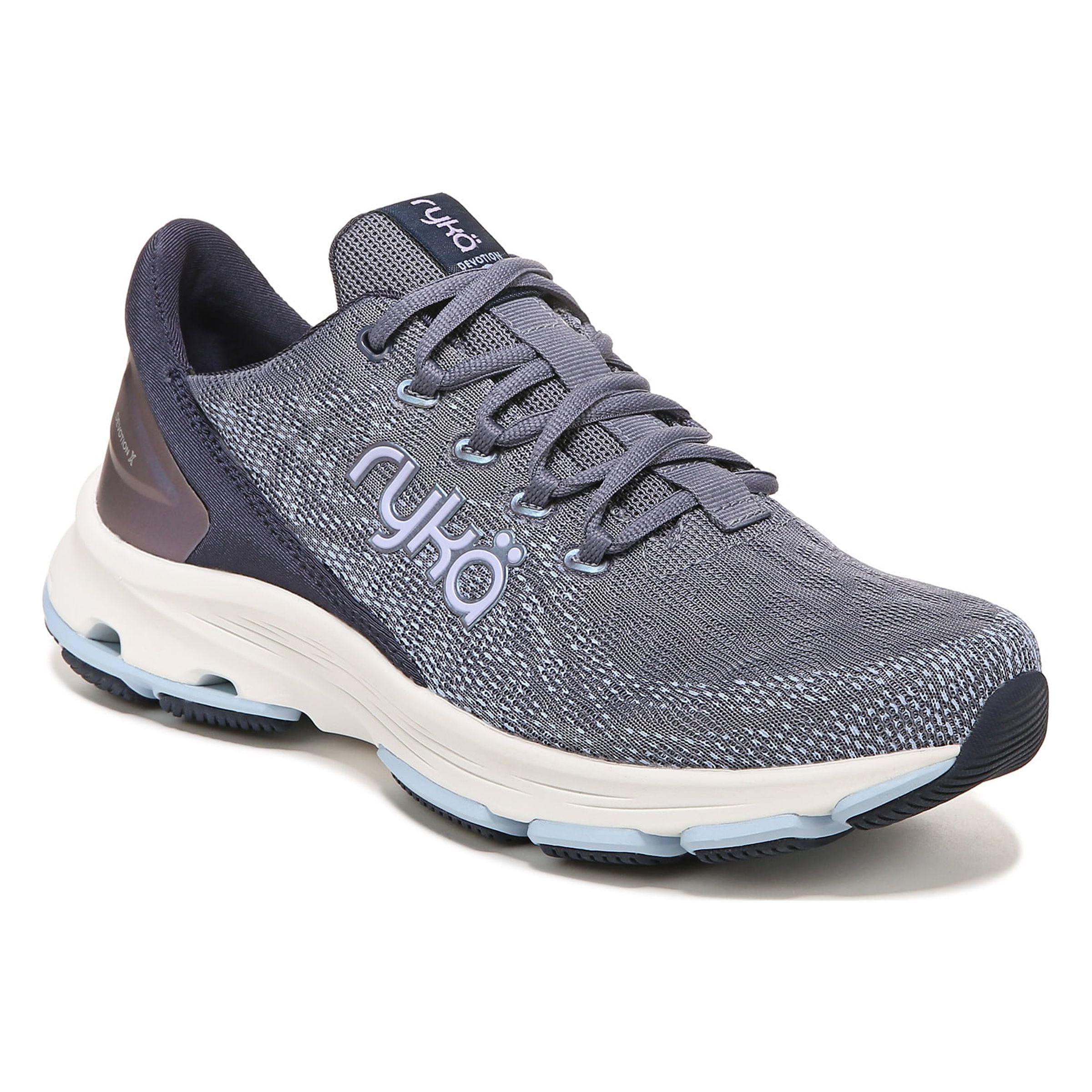
What exactly sets a pair of Ryka walking shoes for women apart on a technical level? The brand integrates several key technologies, each serving a specific purpose. Take, for instance, their signature RE-ZORB® cushioning. This proprietary foam compound is designed to absorb impact at the heel and forefoot, a feature critically analyzed in biomechanics literature for its role in attenuating ground reaction forces that travel up the kinetic chain. For the walker, this translates to less joint fatigue over miles. Furthermore, many models incorporate a dual-density midsole. This isn’t just marketing jargon; it’s a stability feature where a firmer foam on the medial (inner) side helps control overpronation—a common gait pattern where the foot rolls inward excessively. From an engineering perspective, this guides the foot into a more neutral position, promoting efficient movement. The outsoles often feature flexible grooves or a pivot point, facilitating a natural heel-to-toe transition. As noted by podiatrists on platforms like Quora and in health blogs, a smooth transition is vital for walking efficiency and can prevent the shuffling gait that leads to trips and falls. When you lace up a pair, you’re not just wearing shoes; you’re utilizing a system of interconnected components working to support your unique stride.
From the Wearers: Voices and Validation
Objective data is compelling, but lived experience offers powerful validation. Across platforms like YouTube, dedicated fitness influencers and everyday users share their testimonials. A recurring theme is the immediate perception of a “glove-like” fit, a sentiment echoed by numerous reviewers who had previously struggled with heel slippage in other brands. On Twitter, conversations among walking groups often highlight Rykä models like the “Devotion” or “Hydro” series for their durability on varied terrains. One user, a nurse who logs over 15,000 steps per shift, cited her Ryka walking shoes for women as the primary reason she could end her shift without debilitating foot pain. This aligns with the brand’s focus on real-world functionality. Furthermore, the aesthetic aspect shouldn’t be dismissed. As author and lifestyle commentator Shonda Rhimes once emphasized in an interview about self-care, “Feeling good in what you wear is a form of respect for your own journey.” Rykä offers color palettes and designs that range from boldly vibrant to subtly sophisticated, acknowledging that motivation for walking comes from both physical and emotional well-being. The shoes, therefore, become a tool for empowerment, not just exercise.
“Finding gear that respects the specific design of your body isn’t a luxury; it’s a baseline for sustainable activity. When equipment fits correctly, it disappears, and you’re free to just… move.” – Paraphrased from common discourse among certified fitness trainers on social media platforms.
Navigating the Selection: A Practical Framework for Your Choice
With several models available, selecting the right pair can seem daunting. Let’s break it down into a practical framework. First, assess your primary walking environment. Are you primarily on paved roads, treadmill, or mixed trails? Models with more aggressive tread patterns suit uneven surfaces, while those with smoother, more flexible soles excel on pavement. Second, consider your gait. If you know you overpronate (often evident from wear patterns on the inside of your old shoes), prioritize models with pronounced arch support and stability features like a medial post. Third, think about fit nuances. Rykä generally offers standard and wide widths, but also pay attention to the upper material. Breathable mesh is ideal for warm climates and sweat management, while synthetic leather overlays may offer more structure. Don’t just go by size number; focus on how the shoe feels during the “push-off” phase of your step in the store. A proper fit means about a thumbnail’s space between your longest toe and the shoe’s end, with no pinching at the sides. Remember, the most advanced technology is ineffective if the shoe doesn’t fit your foot shape correctly. Investing time in this selection process ensures your Ryka walking shoes for women become a true asset.

Value Beyond the Price Tag: Integrating Professional Insight
It’s easy to view footwear through a transactional lens, but the true value of a well-designed shoe like Ryka walking shoes for women is holistic. From a professional standpoint, podiatrists often stress that preventive care through proper footwear is far more cost-effective than treating chronic conditions later. A quality walking shoe acts as a mobile orthotic, providing daily support that can alleviate or prevent common issues. Furthermore, the psychological boost of comfortable, reliable gear cannot be understated. It removes a barrier to exercise, making the decision to go for a walk easier and more appealing. Regarding cost, while Rykä shoes are positioned in the mid-range market, their value is accentuated by frequent sales, seasonal discounts on older models, and bundle offers on brand websites or major retailers. The price per wear, when calculated over the shoe’s lifespan (typically 300-500 miles of walking), often makes them a prudent investment in long-term health and activity. It’s not merely a purchase; it’s an allocation of resources towards sustained well-being.

So, where does this leave us? The journey to finding the right walking shoe is deeply personal, yet it’s guided by universal principles of biomechanics, material science, and thoughtful design. Ryka walking shoes for women stand as a testament to what happens when a product is built with a clear, singular focus. They bridge the gap between scientific necessity and the lived reality of daily movement. Whether you’re taking your first steps toward a fitness goal or are a seasoned walker looking to upgrade your gear, these shoes offer a foundation crafted specifically for you. The path ahead is yours to walk—and doing so in shoes that understand the very nature of your stride can make all the difference.
