

The Ultimate Guide to Walking Shoes That Look as Good as They Feel
For years, the world of shoes to walk in was starkly divided: the supremely comfortable orthopedic-looking models versus the stylish but punishingly rigid fashion sneakers. You were forced to choose between feeling good and looking good. That era is decisively over. Today, the convergence of biomechanical research, advanced material science, and sophisticated design has birthed a new category of footwear. This guide is dedicated to the pursuit of that perfect pair—footwear that doesn’t ask you to compromise. We will dissect the anatomy of the ideal walking companion, grounding our exploration in objective science and expert insights, to prove that your next pair of shoes to walk can be the most supportive and the most stylish item in your wardrobe.
The Foundation: Why Your Feet Deserve More Than Just “Sneakers”
Walking is our most fundamental movement, yet we often undermine its complexity. According to biomechanics literature from institutions like the University of Calgary’s Human Performance Laboratory, the gait cycle involves a sophisticated sequence of heel strike, foot flat, mid-stance, heel-off, and toe-off. Each phase places distinct demands on footwear. A generic “sneaker” is a blunt instrument for this precise engineering challenge. The right shoes to walk in act as a dynamic interface, managing impact, facilitating natural motion, and providing stability. Dr. Casey Kerrigan, a former Harvard Medical School professor and founder of a biomechanics-focused footwear company, has published research indicating that poorly designed shoes can increase joint loading in the knees and hips, potentially contributing to long-term wear and tear. This isn’t about mere cushioning; it’s about guided propulsion and protection. When you invest in shoes engineered for walking, you’re not just buying a product; you’re investing in the longevity of your musculoskeletal system, enabling you to explore cities, trails, and your daily life with resilience and grace.
:max_bytes(150000):strip_icc()/woman-feet-running-on-road-closeup-on-shoe--young-fitness-women-runner-legs-ready-for-run-on-the-road--sports-healthy-lifestyle-concept--1192508928-4ad65578a5b64bfe95d29e3182fbb398.jpg)
Decoding the Anatomy: Key Features of a Superior Walking Shoe
To navigate the market intelligently, you must become fluent in the language of shoe construction. Let’s break down the non-negotiable elements. First, the midsole: this is the engine room. Look for materials like EVA (ethylene-vinyl acetate) foam or advanced compounds like Brooks’ DNA LOFT or Nike’s React foam. These aren’t just marketing terms; they represent polymers engineered for a balance of cushioning and energy return. A study cited in the Journal of Sports Sciences emphasizes that optimal midsole resilience can reduce metabolic cost, meaning you expend less energy with each step. Second, heel-to-toe drop: this is the height difference between the heel and forefoot. A moderate drop (6-10mm) is often recommended for walkers, as it can aid in a smooth heel-to-toe transition. Third, the upper: it must be breathable and adaptive. Knitted uppers, like those popularized by Adidas Primeknit, provide a sock-like, accommodating fit that moves with your foot. Finally, the outsole: flexible at the ball of the foot but with durable rubber in key wear zones for traction. Each component must work in concert. A shoe with a plush heel but a rigid forefoot will disrupt your natural roll, making it a poor choice for dedicated walking, regardless of its aesthetic appeal.
The Style Synapse: Where Ergonomics Meet Aesthetics
The triumph of modern walking shoes is their dissolution of the sporty-formal boundary. Brands like Cole Haan, originally a purveyor of classic dress shoes, now integrate Grand.ØS technology—rubber pods and lightweight foam—into oxfords and loafers. Similarly, the “athleisure” trend, validated by the global market analysis from sites like Business of Fashion, isn’t a fad; it’s a permanent shift in consumer expectation. We demand versatility. A contemporary walking shoe might feature the clean, minimalist lines reminiscent of a Common Projects sneaker, the rugged-terrain aesthetic of a Hoka One One, or the sleek, monochromatic design of an Allbirds Tree Runner. The key is that the design language doesn’t scream “technical gear” but whispers “considered style.” This is achieved through monochromatic colorways, streamlined silhouettes, and the use of premium materials like suede, recycled polyester knits, and vegetable-tanned leather accents. The goal is a shoe that transitions seamlessly from a morning walk to a casual lunch to a day at the office, proving that your shoes to walk in can be a cornerstone of a cohesive, confident personal style.

The Expert Consensus: Voices from Science and Culture
To move beyond opinion, we anchor our recommendations in a chorus of authoritative voices. From the academic sphere, the American Podiatric Medical Association (APMA) grants its Seal of Acceptance to products that promote good foot health, a valuable benchmark for consumers. On platforms like YouTube, certified pedorthists and physical therapists, such as Dr. Ray McClanahan of “The Gait Guys,” offer deep dives into foot morphology and shoe fit, often critiquing mainstream designs from a biomechanical perspective. In literature, Christopher McDougall’s bestselling book Born to Run, while focused on running, sparked a global conversation about natural foot movement and minimalist footwear, influencing the design of more flexible walking options. Even in cinema, the evolution of the shoe is noted; consider the iconic, self-lacing Nike Mags from Back to the Future Part II—a fictional symbol of ultimate adaptive footwear that today’s smart shoes with personalized fit systems strive to emulate. These diverse perspectives converge on a simple truth: intelligent design, informed by the body’s needs, is the ultimate form of both luxury and utility.
Investment and Care: Maximizing Value and Longevity
Purchasing premium shoes to walk in is an investment, and like any investment, it requires stewardship. The first rule is rotation. Wearing the same pair daily doesn’t allow the midsole foam to fully rebound, accelerating compression and loss of cushioning. Having two pairs to alternate can double their functional lifespan. Secondly, understand the replacement cycle. The common guideline is 300-500 miles, but visual cues are more reliable. Check the outsole for bald spots, particularly under the ball of the foot and heel. More subtly, place the shoe on a flat table and look at it from behind. Significant tilting inward or outward indicates the midsole is broken down and can no longer provide proper alignment. Cleaning is also crucial; for knit uppers, a gentle brush with mild soap and water will suffice. For leather, use appropriate conditioners. This maintenance isn’t just about appearance; it preserves the material properties that protect your feet. Remember, a well-cared-for $150 shoe that lasts 18 months offers far better value and performance than a neglected $80 shoe replaced every six months.
Curated Selections: Bridging Professional Knowledge with Attainable Prices
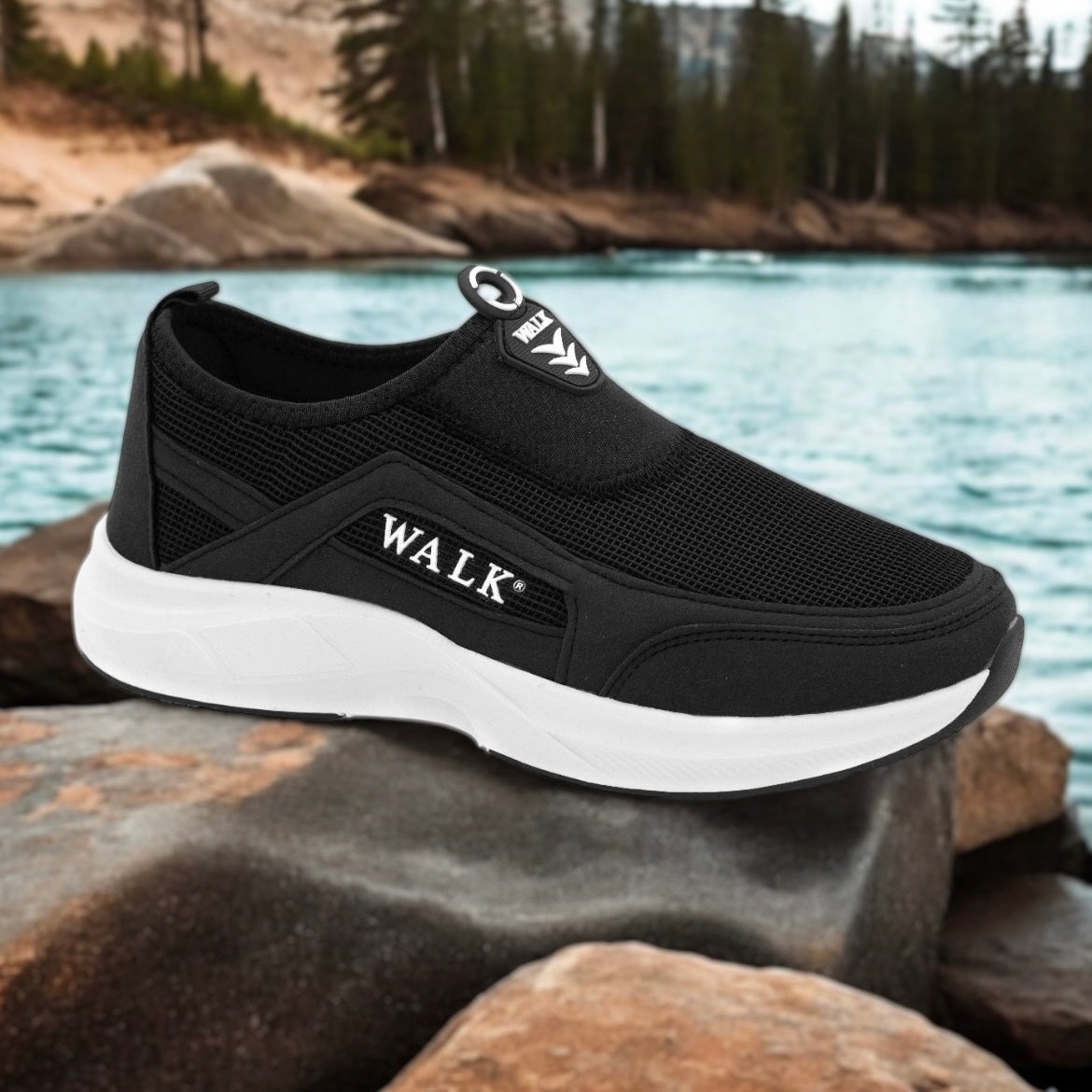
Armed with this knowledge, the final step is application. Let’s translate theory into tangible options. For the urban explorer who values all-day comfort with a sleek profile, consider the New Balance Fresh Foam X 1080v13. Its data-driven Fresh Foam X midsole provides plush, consistent cushioning, and its design is refreshingly modern, available in versatile colorways. It frequently retails around $165, but seasonal color discounts can bring it near $130. For those seeking maximum stability and support, perhaps after a podiatrist’s recommendation, the Brooks Addiction Walker 3 is an APMA-accepted stalwart. Its extended progressive diagonal rollbar guides the foot into a natural motion. With a MSRP of $145, it’s a workhorse often found on sale. On the minimalist and stylish end, the Vivobarefoot Geo Court III challenges conventions with its ultra-thin, flexible sole designed to strengthen foot muscles, wrapped in a premium leather upper that looks at home in any casual setting. While investment-heavy at ~$200, its unique proposition and durability justify the cost for the right wearer. The key is to match the shoe’s technological emphasis—be it cushioning, stability, or natural movement—with your personal biomechanics and lifestyle aesthetic.
The journey for the perfect pair of shoes to walk in is no longer a quest for a mythical unicorn. It is a deliberate selection process, empowered by science, refined by design, and validated by a spectrum of expert voices. From the laboratory to the sidewalk, the evidence is clear: you can have it all. You can have the cloud-like cushioning that protects your joints mile after mile, housed in a silhouette that complements your personal expression. This isn’t a compromise; it’s the new standard. So step forward. Let your footwear be a testament not to a choice you had to make, but to the seamless integration of well-being and style that modern innovation now freely offers.
