

The Ultimate Guide to Walking Shoes That Look as Good as They Feel
For years, the world of shoe walking was divided into two camps: the stylish and the comfortable. You chose between looking good with aching feet or feeling good in clunky sneakers. That compromise is now obsolete. The perfect pair of walking shoes exists at the intersection of biomechanical engineering and contemporary design. This guide isn’t about settling; it’s about discovering footwear that elevates your daily stride into a seamless blend of form and function. We’ll dissect the science behind comfort, decode the language of style, and provide you with the knowledge to invest in shoes that support your body and express your personal aesthetic from the first step to the ten-thousandth.
The Foundation: Why Your Choice in Walking Shoes Matters More Than You Think
Every day, you embark on a journey. It might be a purposeful commute, a leisurely park stroll, or the cumulative steps of a busy life. Each footfall sends a shockwave through your body—a force that can be gracefully absorbed or poorly dissipated. The act of shoe walking is a complex biomechanical event involving heel strike, midfoot roll, and toe-off. According to research from the Gait Analysis Laboratory at Stanford University, improper footwear can alter this natural gait cycle, leading to a cascade of issues from plantar fasciitis and shin splints to knee and lower back pain. The right shoe acts as a critical interface between you and the ground, not just a covering for your feet. It’s a tool for health. As renowned podiatrist Dr. William Rossi famously stated, “Shoes are the foundation of our posture and locomotion.” This perspective shifts the shoe from a mere accessory to an essential piece of personal health equipment. When you choose a shoe designed for shoe walking, you’re investing in the long-term integrity of your musculoskeletal system, ensuring that your daily mobility remains pain-free and efficient for years to come.
Decoding Comfort: The Science Inside Your Sole
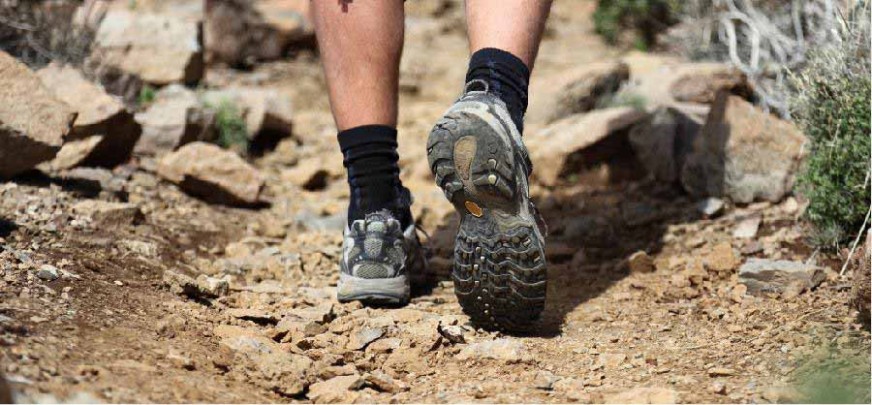
Comfort in a walking shoe is not a vague, subjective feeling; it’s a quantifiable result of specific technologies and material sciences. Let’s break down the key components. First, the midsole cushioning. This is the heart of shock absorption. Materials like EVA (Ethylene-Vinyl Acetate) foam are lightweight and provide good initial cushioning, while advanced compounds like ASICS’ GEL® or Brooks’ DNA LOFT offer superior energy return and durability. The choice here impacts how “springy” or “plush” your step feels. Second, we have arch support and stability features. The medial post—a firmer density foam on the inner side of the midsole—is crucial for those who overpronate (where the foot rolls inward excessively). This technology, validated by studies from the American Podiatric Medical Association, helps align the foot and ankle, preventing strain. Third, consider the upper and the last (the foot-shaped form around which the shoe is built). A well-engineered last accommodates the natural splay of your toes upon weight-bearing, a concept popularized by the “foot-shaped shoe” movement. Brands like Altra design shoes with a “FootShape™” toe box, allowing toes to relax and spread naturally, which can improve balance and propulsion. True comfort in shoe walking means the shoe disappears on your foot, working in silent harmony with your biomechanics.

The Aesthetic Equation: When Design Complements Function
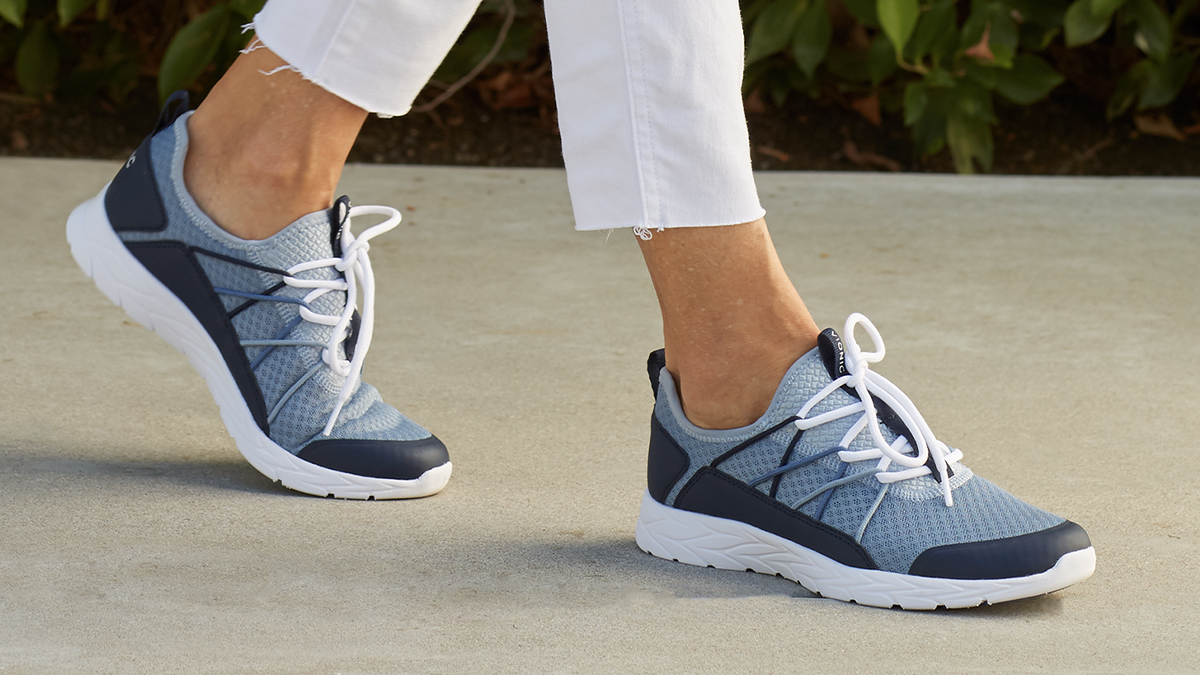
Gone are the days of beige, bulky orthopaedic silhouettes. Today’s leading athletic and footwear brands have embraced the challenge of merging performance with high design. The aesthetic of a modern walking shoe draws from minimalist sneaker culture, retro athletic revivals, and sleek, monochromatic palettes. Consider the evolution of brands like HOKA ONE ONE. Once known solely for maximalist cushioning favored by ultrarunners, they’ve refined their profiles into streamlined, fashion-forward designs like the HOKA Transport, which wouldn’t look out of place in a casual urban setting. This design philosophy echoes the principles of Dieter Rams: “Good design is as little design as possible.” A great walking shoe eliminates visual clutter, using color blocking, textured materials like suede and engineered mesh, and clean lines to create a versatile look. The goal is a shoe that transitions effortlessly from a morning shoe walking routine to a day of errands or a casual lunch, without screaming “athletic gear.” This versatility is a form of practical luxury, reducing the need for multiple shoe changes and integrating wellness seamlessly into your personal style.
Your Personal Fitting: A Three-Step Selection Process
Finding your ideal pair requires more than knowing your size. It demands a mindful assessment of your body, your habits, and your environment. Follow this three-step process. First, analyze your gait and foot type. The simple “wet test”—examining the imprint of your wet foot on a dark piece of paper—can reveal if you have high, neutral, or low arches. This is a foundational indicator of the support level you need. Pair this with an understanding of your wear patterns: look at the soles of your old shoes. Excessive wear on the inner heel and ball indicates overpronation, while wear on the outer edge suggests supination. Second, define your primary walking terrain. Are you primarily on paved sidewalks, forest trails, or indoor tracks? A shoe for urban shoe walking needs durable rubber outsoles with flex grooves for pavement, while a trail walking shoe requires aggressive lugs for grip and often a rock plate for protection. Third, prioritize fit above all else. Your feet swell throughout the day, so shop for shoes in the afternoon. Ensure there’s a thumb’s width of space between your longest toe and the end of the shoe, and that the widest part of your foot aligns comfortably with the widest part of the shoe. The heel should be snug but not tight, with minimal slippage.
Investing in Your Stride: Value Beyond the Price Tag
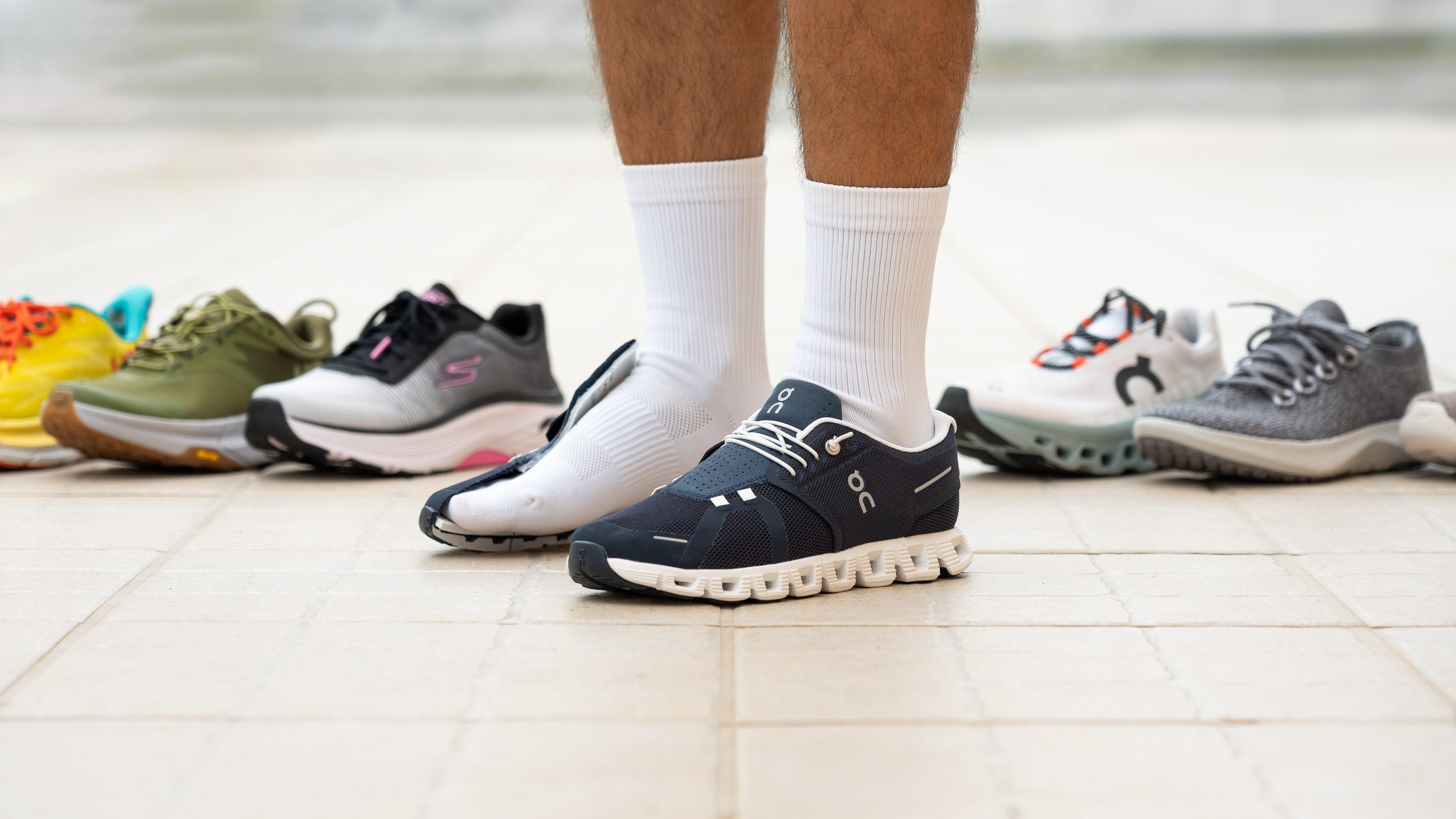
While premium walking shoes from brands like Brooks, New Balance, or On Running may carry a higher initial cost—often ranging from $120 to $160—this investment is justified by their sophisticated engineering, high-quality materials, and durability. These shoes are built to last 300 to 500 miles of shoe walking, protecting a far more valuable asset: your body. However, smart shopping can make this investment more accessible. Consider end-of-season sales, where last year’s colorways of the same model can be found at significant discounts. Outlet stores and certified online retailers often have genuine products at reduced prices. Furthermore, some brands offer direct subscription models or loyalty programs that provide members with early access to sales and exclusive discounts. Remember, the true cost of a shoe isn’t just its price tag; it’s the cost per mile of comfortable, supported walking. A well-constructed $150 shoe that lasts 500 miles offers better value and protection than a $60 shoe that breaks down and causes discomfort after 150 miles.
The search for the perfect walking shoe ends not with a compromise, but with an empowerment. It is a deliberate choice to refuse the false dichotomy between style and substance. By understanding the science of support and embracing the possibility of elegant design, you equip yourself for the physical journey of life without sacrificing your personal expression. The right pair becomes an extension of yourself—unnoticed in its comfort, yet confident in its appearance. Step forward into a world where every journey, whether to the corner store or along a coastal path, is undertaken in shoes that look as poised and purposeful as you feel.
