

The Ultimate Guide to Walking Shoes That Elevate Your Everyday Look
Forget the notion that style and comfort are mutually exclusive, especially when it comes to the foundation of your daily attire: your shoes. The right pair of walking shoes is no longer just a practical afterthought for a weekend hike; it is a pivotal style statement and a cornerstone of personal well-being. This guide dismantles the old paradigm, proving that the ideal footwear seamlessly integrates biomechanical support with aesthetic sophistication, transforming the simple act of shoe walking into a confident, comfortable, and chic experience. We move beyond fleeting trends to focus on enduring principles of design, material science, and physiology, empowering you to make choices that elevate every step you take.
The Anatomy of a Superior Walking Shoe: Beyond the Surface
To appreciate what makes a walking shoe exceptional, one must understand its architecture. A shoe is a complex system engineered for interaction with the human body and the ground. The upper, typically constructed from engineered mesh, leather, or knit fabrics, must offer breathability and a secure, non-constricting fit. As noted by researchers at the University of Massachusetts Amherst’s Biomechanics Lab, proper fit prevents excessive foot movement within the shoe, a primary cause of blisters and discomfort during prolonged shoe walking. The midsole is the heart of cushioning and stability. Materials like ethylene-vinyl acetate (EVA) or polyurethane provide shock absorption, while technologies such as contoured footbeds and arch supports align the foot’s natural structure. The outsole’s rubber compound and tread pattern dictate traction and durability. A study published in the Journal of Foot and Ankle Research emphasizes that a slight heel-to-toe drop (the difference in height between the heel and forefoot) of 4-8mm can facilitate a more natural gait cycle, reducing strain on the Achilles tendon. This scientific approach to design ensures that every component works in harmony, making the technical act of shoe walking feel effortless.
Where Fashion Meets Function: The Aesthetic Revolution
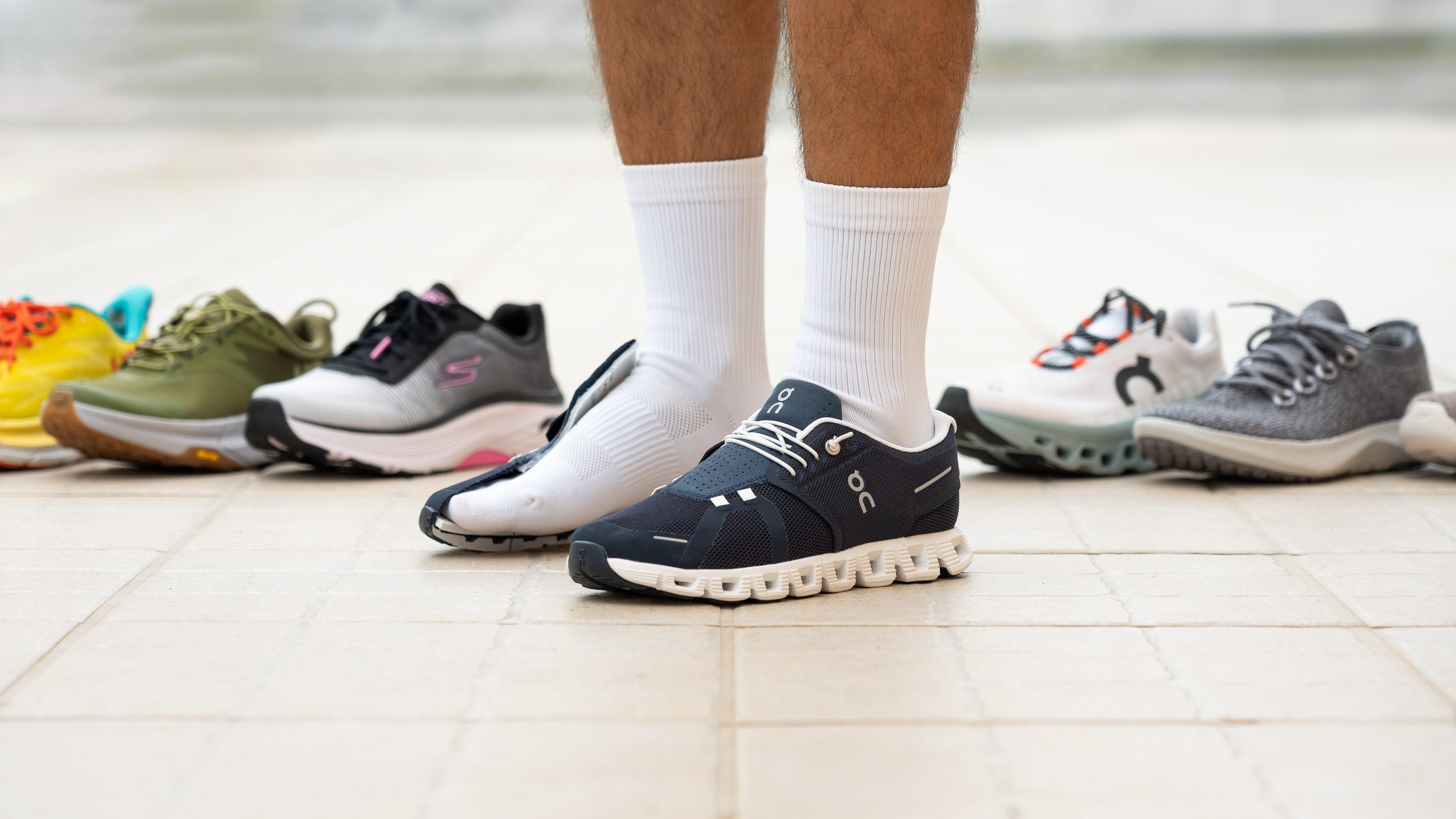
The historical divide between “sneakers” and “dress shoes” has irrevocably blurred. Today’s leading brands are helmed by designers who view the walking shoe as a canvas for modern style. The influence is palpable, drawing from minimalist Scandinavian design, futuristic tech-wear, and classic athletic heritage. Consider the words of renowned designer Tinker Hatfield, the creative force behind iconic Nike silhouettes: “Design must be functional, and function must be translated into visual aesthetics, without any reliance on gimmicks that are merely tacked on.” This philosophy is now applied to walking shoes. Neutral color palettes—think off-white, charcoal, olive, and navy—offer unparalleled versatility, pairing as easily with tailored trousers as with denim. Textural contrasts, like suede panels against polished rubber, or metallic details on a mesh background, add visual interest without sacrificing comfort. The goal is to create a shoe that doesn’t scream “workout gear” but whispers “considered style,” encouraging you to choose shoe walking as your primary mode of transport because you love how you look and feel.
Material Science: Innovation for All-Day Comfort
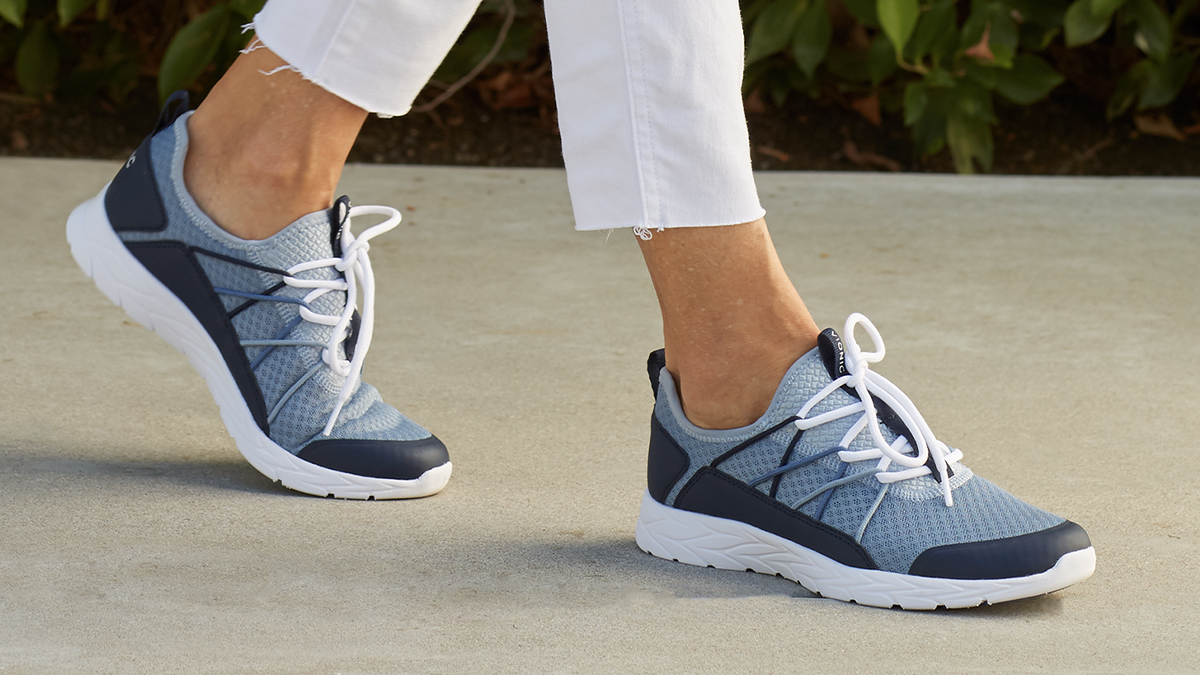
The fabrics and foams enveloping your feet are the unsung heroes of comfort. Modern material science has revolutionized what we can expect from a shoe. Knit uppers, pioneered by brands like Adidas with Primeknit, provide a dynamic, sock-like fit that adapts to foot swelling throughout the day. Memory foam insoles, a technology popularized in the consumer market, contour to the unique shape of your foot, offering personalized cushioning that standard flat insoles cannot match. Perhaps the most significant breakthrough is in sustainable materials. Brands are increasingly using recycled polyester from plastic bottles, organic cotton, and even algae-based foam. This shift is not merely ethical; it often results in lighter, more breathable products. As environmental scientist Dr. Ayana Elizabeth Johnson often highlights on her podcast, sustainable innovation drives performance. A lighter shoe reduces energy expenditure with each step, a principle backed by biomechanics research from the University of Colorado Boulder. Therefore, selecting a shoe made with advanced, conscious materials directly enhances the efficiency and pleasure of your daily shoe walking routine.
The Personal Fit: Your Foot’s Unique Blueprint
No amount of technology can compensate for a poor fit. Your foot’s length, width, arch type, and even gait pattern are as unique as your fingerprint. The common practice of squeezing into a size because it “looks right” is a recipe for discomfort. Podiatrists universally recommend a professional fitting, especially later in the day when feet are at their largest. There should be about a thumb’s width of space between your longest toe and the end of the shoe. Width is equally critical; pinching at the sides can lead to neuromas and bunions over time. For those with specific needs, such as overpronation (where the foot rolls inward excessively) or supination (rolling outward), stability or motion-control features are not marketing gimmicks but necessary interventions. Websites like Verywell Fit, which consult with medical review boards, provide excellent guides on self-assessment. Remember, the right fit is the single most important factor in transforming shoe walking from a chore into a joy. It’s the difference between your shoes serving you and you serving your shoes.
:max_bytes(150000):strip_icc()/woman-feet-running-on-road-closeup-on-shoe--young-fitness-women-runner-legs-ready-for-run-on-the-road--sports-healthy-lifestyle-concept--1192508928-4ad65578a5b64bfe95d29e3182fbb398.jpg)
Investment and Value: Cost Per Mile, Not Just Price Tag
Viewing a quality walking shoe as an expense is a misperception; it is an investment in your health and daily quality of life. The initial price of a well-constructed shoe from a reputable brand, often ranging from $120 to $180, reflects research, durable materials, and ethical manufacturing. The value becomes clear when calculated as “cost per mile.” A cheaply made shoe may deteriorate after 200 miles, causing discomfort and potentially leading to foot, knee, or back pain. In contrast, a premium walking shoe, with a robust outsole and resilient midsole, can reliably provide support and cushioning for 500 miles or more. To bring this professional knowledge directly to you, many reputable retailers offer significant discounts during seasonal sales, Black Friday events, and through loyalty programs. For instance, last season’s top-performing model from ASICS or Brooks often sees a price reduction of 30-40% when new versions are released, offering exceptional value without compromising core technology. This strategic purchasing allows you to access the biomechanical benefits of high-end shoe walking shoes at a more accessible point.

The Longevity Equation: Knowing When to Let Go
Even the finest shoes have a finite lifespan. Continuing to wear worn-out shoes is one of the most common, yet easily avoidable, mistakes in foot care. The primary failure point is the midsole foam, which compresses over time and loses its ability to absorb shock. This degradation transfers impact forces directly to your joints. A simple test is the “twist test”: if you can easily twist the shoe, the midsole is likely dead. Visually, check for uneven wear patterns on the outsole or creasing in the midsole that feels hardened. Most experts, including those cited by the American Podiatric Medical Association, recommend replacement every 300-500 miles. For a person who walks 3 miles a day, five days a week, this translates to a new pair every 6 to 10 months. It’s a cycle of renewal that ensures your body always has the proper foundation. Retiring a pair isn’t a loss; it’s a testament to the miles you’ve confidently conquered and a necessary step to prepare for the miles ahead in a fresh, supportive pair.
:max_bytes(150000):strip_icc()/when-should-i-replace-my-walking-shoes-3436325-0801-7a1840d83573471092e0380f9e230ecc.jpg)
The journey to finding the perfect walking shoe is an intersection of self-knowledge and smart design. It requires acknowledging the objective needs of your body’s mechanics while embracing the subjective expression of your personal style. By prioritizing scientific construction, intentional aesthetics, and a precise fit, you select a tool that actively contributes to your physical well-being and daily confidence. This isn’t about following a trend; it’s about making a foundational choice that supports your movement through the world. Let your next step be taken in a shoe that doesn’t just allow you to walk, but inspires you to stride with purpose, comfort, and undeniable style.
