

The Timeless Allure of Black Leather Heels
There exists a singular object in the vast lexicon of fashion that transcends mere trend, an artifact that speaks not of a season but of an attitude, a power, and an unspoken narrative. It is the black leather heels. To discuss them is not to discuss footwear alone; it is to delve into a cultural phenomenon, a psychological anchor, and a design principle that has held sway for over a century. They are not simply shoes; they are a statement carved in sleek, dark leather, a foundational piece that has walked through history, from the silver screen to the corporate boardroom, accruing layers of meaning with every step. This exploration seeks to unravel the threads of their enduring appeal, moving beyond subjective preference to examine the objective, scientific, and cultural pillars that cement their status as an icon.
The Architecture of Authority: A Design Deconstructed
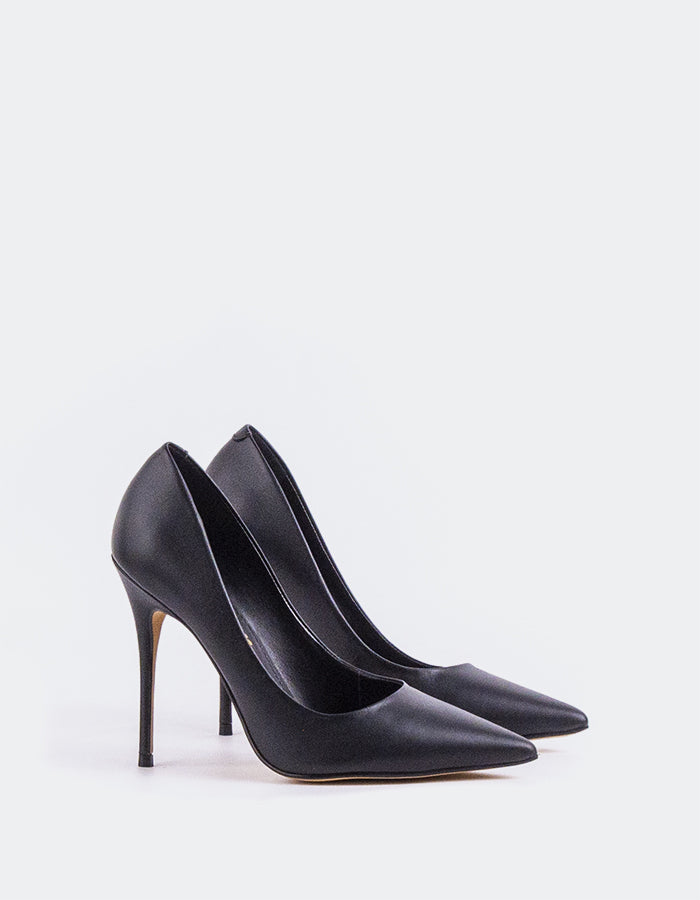
The power of the black leather heels begins with its fundamental design, a confluence of materials and geometry that communicates before a word is spoken. Leather, as a material, is not chosen by accident. From a scientific and historical standpoint, leather represents durability, protection, and a connection to craftsmanship. As noted in material science analyses, full-grain leather forms a patina over time, meaning the shoe does not merely age but evolves, telling the story of its wearer. The color black, extensively studied in color psychology, is universally associated with authority, sophistication, formality, and mystery. Dr. Jennifer Aaker, a behavioral psychologist at Stanford Graduate School of Business, has discussed how color in attire affects perception, with black often conveying competence and credibility. Combine this with the heel’s architecture: the elevation it provides is not just physical. A study published in the journal “Archives of Sexual Behavior” suggested a correlation between height and perceived status, a principle unconsciously leveraged by the heel’s design. The pitch of the foot, the tension in the calf muscle, and the altered posture command a presence that is both literal and metaphorical. This isn’t fashion whimsy; it is applied biomechanics and social signaling. The structured nature of a well-made leather heel provides a stark contrast to more casual footwear, creating a visual and psychological boundary that signifies readiness, intention, and control.

Cinematic and Literary Icons: Scripting the Narrative
Our collective consciousness has been tutored in the language of the black leather heels by its relentless and strategic deployment in film and literature. It is a prop of immense symbolic weight. Consider the archetype of the film noir femme fatale, her silhouette defined by the sharp click of her heels on wet pavement—a sound design choice that injects menace and allure. In more modern contexts, characters like Miranda Priestly in “The Devil Wears Prada” or the myriad powerful attorneys and executives portrayed on screen rarely complete their authoritative ensemble without a pair of sleek, black heels. They are a uniform of narrative power. Authoritative voices in cultural criticism, such as those writing for The Atlantic or The New Yorker, have often dissected this trope. As film critic Roger Ebert once indirectly highlighted in a review, a character’s footwear can often tell you more about their intentions than their dialogue. In literature, from the sharp, intimidating presence of corporate leaders in novels by authors like Candace Bushnell to the reinvented confidence of a character purchasing her first pair of “power heels,” the object is imbued with transformative properties. It is less about the shoe itself and more about the persona it enables—a concept explored in sociological texts on “enclothed cognition,” where the clothes we wear systematically influence our psychological processes. The heel becomes a tool for character embodiment.
The Personal Crucible: From First Step to Foundation
For the individual, the journey with a pair of black leather heels is often a rite of passage. The first acquisition frequently coincides with a milestone: a first serious job interview, a graduation, or a pivotal presentation. This is deeply personal, yet universally recognizable. In the vast forums of Quora and Reddit’s fashion communities, thousands of threads detail this very experience—the search for the “perfect” pair that is both formidable and wearable, a shield and a weapon. The process involves a practical education in value. Discerning shoppers learn to differentiate between bonded leather and full-grain, between a glued sole and a Goodyear-welted one. They begin to understand that the true cost-per-wear of a well-constructed $300 pair from a reputable brand like those often featured in expert reviews on sites like “The Strategist” can be far lower than that of several cheap, painful pairs. This is where professional knowledge translates directly to user empowerment. Understanding the anatomy of a shoe—the insole, the shank, the toe box—allows one to make an investment rather than just a purchase. Brands that offer clear material sourcing, ergonomic design features (like wider toe boxes for bunions, as seen in specialized brands), and classic silhouettes are not just selling a product; they are selling years of service, confidence, and a foundational item that will outlast dozens of fleeting trends.

The Democratization of an Icon: Accessibility and Evolution
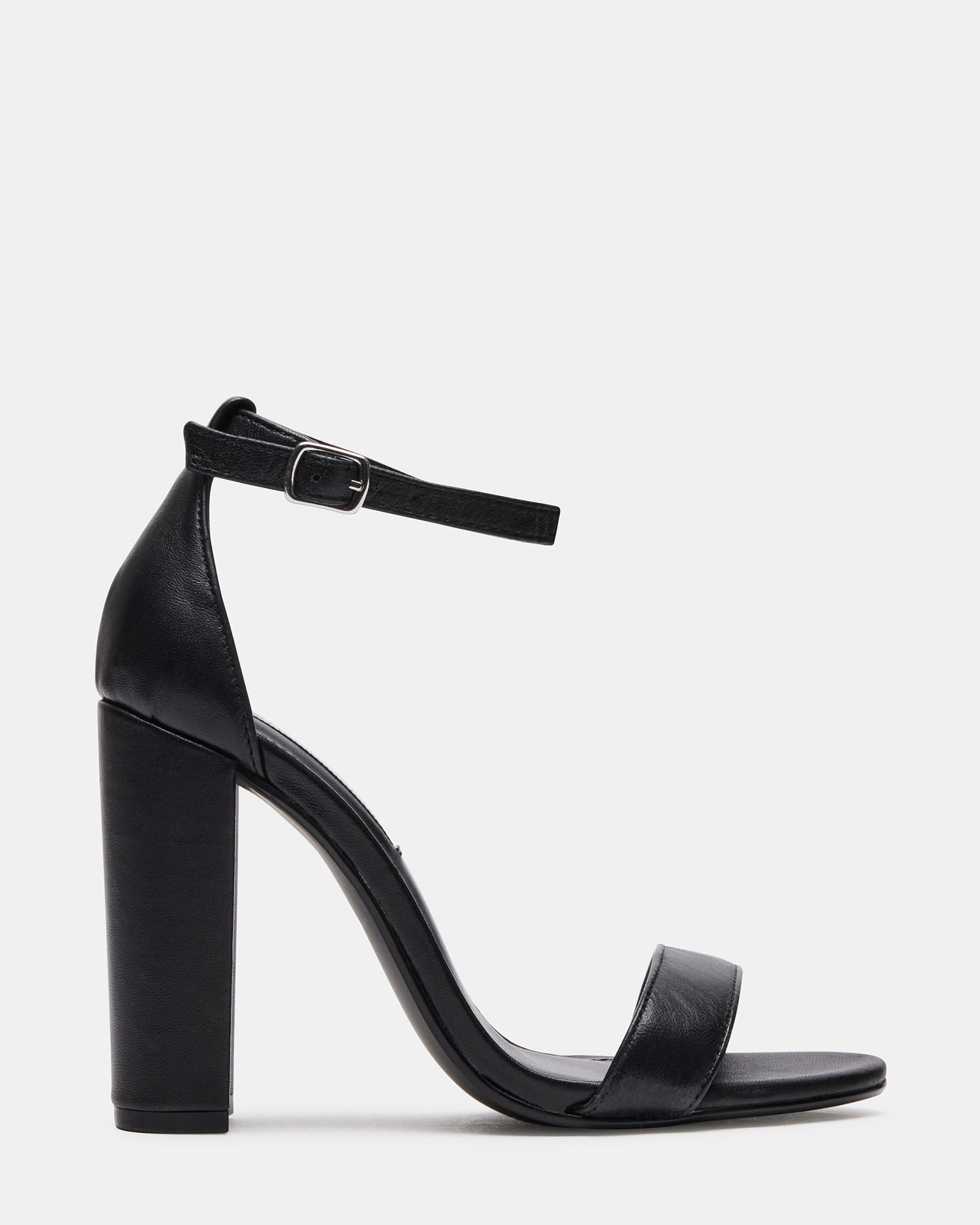
The iconic status of the black leather heel is now cemented by its accessibility across a spectrum of price points and styles, without dilution of its core message. From luxury houses like Christian Louboutin, whose red-soled versions are analyzed in business school cases on brand symbolism, to accessible contemporary brands like Steve Madden and Sam Edelman, the design language is adapted but the essence remains. This democratization is crucial. Fashion historians from institutions like the Fashion Institute of Technology note that the diffusion of a powerful style from high fashion to the high street is what solidifies it as a true classic, not an exclusive relic. Today, you can find versions with block heels for all-day comfort, kitten heels for subtle elevation, or stilettos for maximum impact. The material may be patent leather for a night out or soft nappa for the office. The key is that the vocabulary—black, leather, heel—remains constant. Retailers and direct-to-consumer brands often leverage this, offering competitive discounts during key sales cycles, making that initial investment in a quality pair more accessible. The informed consumer knows to look for these opportunities, understanding that acquiring this timeless piece doesn’t always require a timeless budget. The value lies in the versatility; a single pair can pivot from a daytime professional meeting to an evening event with only a change of accessories, providing a staggering cost-per-wear efficiency that fast fashion cannot match.
Voices of Authority: Testaments in Their Own Words
The testimony of those in the public eye further validates the object’s cultural weight. These are not mere opinions but observed data points in a social study. Consider the words of fashion luminary Diana Vreeland: “A new dress doesn’t get you anywhere; it’s the life you’re living in the dress.” Extend this to heels. The life lived in them—the deals closed, the stages walked, the challenges met—is what gives them power. On platforms like YouTube, style experts with millions of followers, such as Alexa Chung or Allison Bornstein, consistently include a classic black leather pump in their “capsule wardrobe” videos, citing its non-negotiable status. On Twitter, business leaders and cultural commentators have, in moments of candor, acknowledged the “armor” effect of their chosen footwear before high-stakes events. A notable quote often circulates in these spheres, attributed to various style icons:
“Give a girl the right shoes, and she can conquer the world.” — a sentiment popularized by Marilyn Monroe, speaking to the transformative psychological potential ascribed to footwear.
This collective, cross-generational endorsement from figures in film, business, and fashion forms a compelling body of evidence. It moves the heel from the realm of accessory to the realm of tool, a piece of equipment for the performance of modern life.
Ultimately, the allure of the black leather heels is a multi-layered construct. It is rooted in the immutable principles of design psychology and material science, narrated through our most shared cultural stories, personally tested in the crucibles of our own ambitions, and validated by the echoed voices of authority. They are a synthesis of form and function, symbol and substance. They do not shout; they command with a whisper of leather and a decisive strike of the heel. In a world of chaotic trends, they remain a constant—a dark, elegant, and profoundly powerful punctuation mark to any sentence you wish to write with your style.
