

How 80s Sneakers Are Defining Today’s Street Style
Look around any city street, scroll through any fashion-centric social media feed, and you’ll witness a curious phenomenon: the unmistakable silhouettes of 1980s sneakers are not just present; they are commanding. This isn’t mere nostalgia or a fleeting retro trend. The resurgence of 80s sneakers represents a profound and lasting recalibration of street style’s DNA. These shoes, born from the explosive convergence of sports technology, pop culture, and nascent hip-hop, have evolved from athletic gear to foundational fashion artifacts. They are defining today’s aesthetic not by replicating the past, but by providing a versatile, statement-making vocabulary for modern self-expression, blending comfort with bold identity in a way few other items can.
The Blueprint: Why 80s Design is Unbeatable
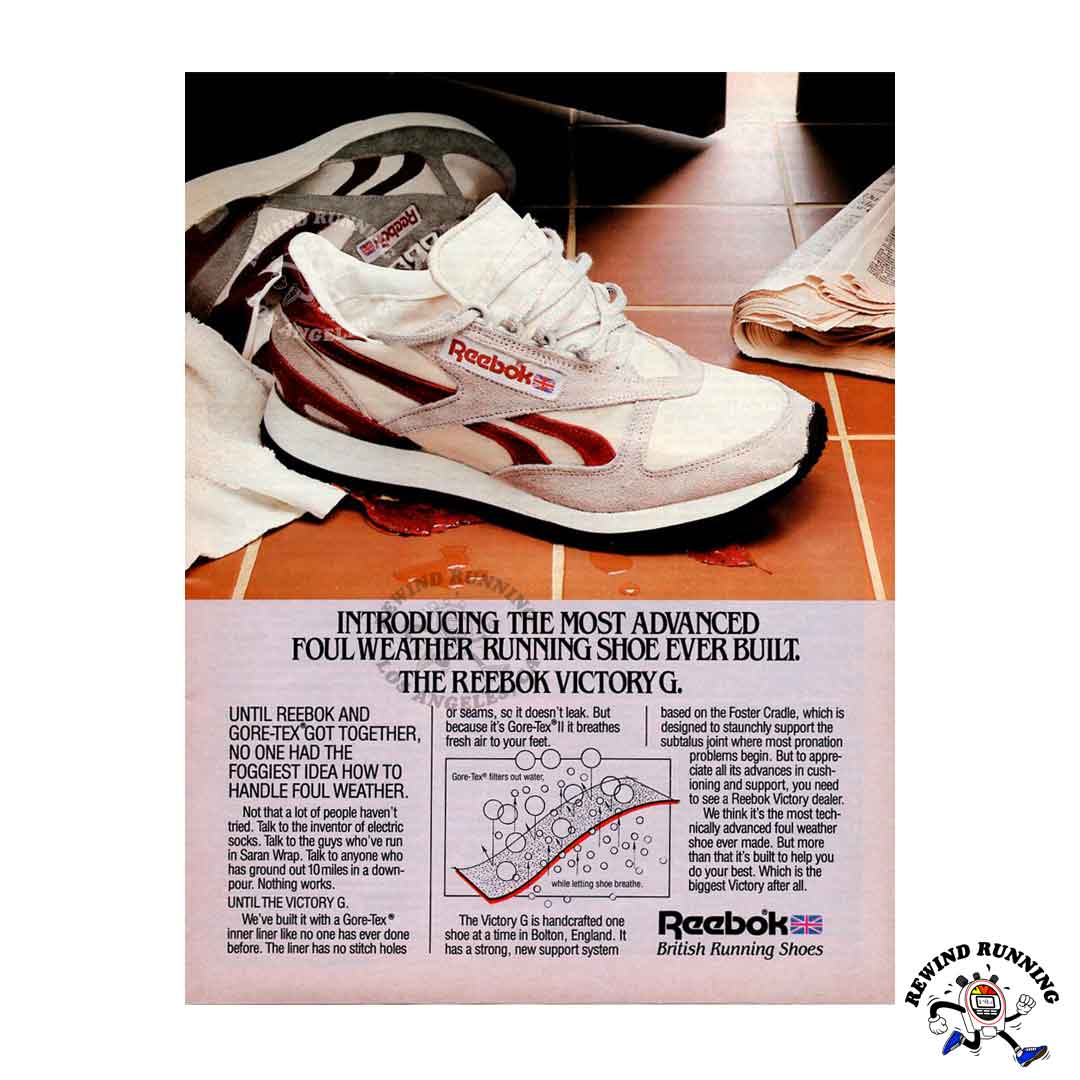
The 1980s were a golden age of industrial and athletic design, a period of bold experimentation that moved away from the minimalist 70s. In footwear, this translated into distinct, architectural silhouettes. Brands like Nike, Adidas, Reebok, and ASICS were engaged in a technological arms race, leading to iconic features: oversized, often contrasting panels; chunky midsoles made from newly developed polyurethane and EVA foam for cushioning; vibrant, sometimes clashing color-blocking; and the introduction of visible air units and gel cushioning systems. This wasn’t just about performance; it was about making the technology visible. As design critic Stephen Bayley noted in his work on 80s aesthetics, the decade championed “expressive functionalism,” where an object’s purpose was communicated through its exaggerated form. This inherent boldness gives 80s sneakers their timeless power. In today’s context, where personal style is a curated performance, these shoes offer an instant, non-verbal statement. They have a graphic quality that anchors an outfit, providing a focal point that simpler footwear cannot. The durability of their construction, a byproduct of their athletic intent, also means vintage pairs or well-made retros possess a tangible quality often missing from fast-fashion footwear.

From Court and Track to Street and Stage: Cultural Canonization
The journey of these sneakers from specialized equipment to style icons was catalyzed by cultural titans. On the basketball court, Michael Jordan’s partnership with Nike birthed the Air Jordan I in 1985—a shoe banned by the NBA for violating uniform policy, a controversy that only fueled its legendary status and cemented the link between rebellion and style. In hip-hop, Run-D.M.C. turned the Adidas Superstar into a uniform, famously chanting “My Adidas” and solidifying the sneaker’s place as a cornerstone of b-boy culture. This wasn’t just endorsement; it was identity formation. As film scholar Gayle Wald analyzed in a study of 80s media, celebrities became “walking billboards,” and their footwear choices were decoded as signals of authenticity, edge, and community affiliation. The Reebok Freestyle, designed for women’s aerobics, became a pop culture staple seen on everyone from Jane Fonda to Cyndi Lauper, symbolizing female athleticism and fashion-forward thinking. These moments transformed 80s sneakers from products into cultural texts, loaded with meanings of rebellion, authenticity, and subcultural belonging that are endlessly referenced and reinterpreted today.
The Modern Alchemy: How Today’s Style Recontextualizes the 80s
Today’s street style doesn’t wear 80s sneakers the same way. The genius lies in recontextualization. The once-technical features are now appreciated as pure aesthetics. A chunky-soled Nike Air Max 1 or an ASICS Gel-Lyte III is no longer chosen for its shock absorption alone but for its ability to add volume and proportion to a silhouette. Fashion insiders and everyday style enthusiasts engage in a sophisticated mix-and-match logic, pairing these statement shoes with unexpected counterparts. You’ll see rugged New Balance 990s (a model first released in 1982) with tailored, wide-leg trousers—a fusion of athletic heritage and high-fashion cut. The Adidas Forum, a 1984 basketball shoe, is now laced over sleek, minimalist socks with a flowing midi dress, creating a tension between feminine and utilitarian codes. This alchemy is documented daily on platforms like Instagram and TikTok, where stylists and influencers demonstrate the versatility of these pieces. As fashion historian Dr. Valerie Steele of The Fashion Institute of Technology has observed, contemporary fashion is “post-modern,” characterized by the playful, knowing recombination of styles from different eras and genres. 80s sneakers are the perfect component for this era: they are recognizable, loaded with history, yet flexible enough to be constantly reinvented.
The Engine of Nostalgia and the Quest for Authenticity
Nostalgia is a powerful force, but it operates on multiple levels here. For older generations, these retros are a tangible connection to youth, to specific cultural moments. For Millennials and Gen Z, who dominate today’s street style discourse, it’s often a “second-hand nostalgia”—a longing for an era they didn’t personally experience but have mythologized through film, music, and fashion archives. This connects to a broader cultural desire for authenticity in an increasingly digital and homogenized world. A pair of 80s sneakers, especially a reissue of a classic model, carries a narrative of craftsmanship, cultural significance, and enduring design. It feels more “real” than a trend-driven shoe designed purely for seasonal appeal. In a Quora discussion on generational fashion, one user noted, “Wearing my dad’s old Nike Cortez or finding a vintage pair of Pumas feels like wearing a piece of history. It has a story, and that story becomes part of my own.” This quest for authenticity drives the market, with brands capitalizing by meticulously re-releasing archival models, often with storytelling campaigns that highlight the shoe’s original context.

Beyond the Hype: Sustainability and the Circular Wardobe
The dominance of 80s silhouettes also intersects meaningfully with the growing movement towards conscious consumption. The very concept of a “retro re-release” is inherently circular, reviving existing designs rather than constantly demanding wholly new ones. This model, while still driven by commerce, aligns with a more sustainable mindset than pure fast-fashion cycles. Furthermore, the robust construction of many 80s designs means they are built to last. A well-maintained leather sneaker from that era (or a faithful retro) can withstand years of wear, becoming a wardrobe staple rather than a disposable item. The thriving market for vintage and deadstock sneakers, facilitated by platforms like eBay and specialized boutiques, promotes the idea of a circular wardrobe. As sustainability advocate and author Elizabeth L. Cline argues in her work on garment quality, “Investing in durable, timeless design is one of the most effective personal actions against waste.” Choosing a classic, well-made sneaker design is a practical step in this direction. The longevity of these styles means you’re not just buying a shoe for a season; you’re investing in a design language that has already proven its resilience over decades.
Your Style, Your Statement: Integrating the 80s Silhouette
So, how does one practically integrate this enduring trend? The key is confidence and balance. Let the shoe be the hero. If you’re wearing a pair of boldly colored, chunky 80s sneakers, anchor the rest of your outfit with neutral, clean-lined pieces—think straight-leg denim, a simple oversized tee, or a monochrome tracksuit. This allows the shoe’s design to shine without the look becoming chaotic. Experiment with proportion: the substantial volume of these sneakers can beautifully offset the fluidity of wide-leg pants or the sleekness of a narrow skirt. Don’t be afraid to mix genres. The magic of modern street style is in the clash. Finally, do your research. Understanding the heritage of a model—was it a basketball icon, a running pioneer, a cross-training workhorse?—adds a layer of appreciation to your wear. Brands often release “OG” colorways that pay direct homage to the original release, offering a pure hit of 80s aesthetic. Whether you gravitate toward the clean lines of the Adidas Samba, the aggressive tech of the Nike Air Trainer 1, or the understated engineering of a Saucony Shadow, you’re participating in a living fashion history.

The streets tell the story clearly. The defining shapes of 1980s sneakers are no longer relics; they are active, dynamic tools for contemporary expression. They succeeded because their original design was fearless, their cultural adoption was authentic, and their form is endlessly adaptable. They bridge the gap between comfort and statement, between heritage and innovation, between personal style and collective memory. In a world of fleeting trends, the persistent, evolving presence of these shoes proves that true style isn’t about what’s new—it’s about what resonates, endures, and continually finds new life under our feet.
