

Comfort Meets Durability on Every Trail
For too long, the world of trail footwear presented a false choice: a plush, forgiving ride that sacrificed protection and longevity, or a fortress-like boot built to endure anything but your foot’s comfort over miles. This dichotomy ends now. The modern pursuit isn’t about picking a side; it’s about demanding that both virtues coexist seamlessly. Today’s engineering allows us to stride onto any path with the confident expectation that our feet will be cradled in comfort while the shoes themselves laugh in the face of abrasion, moisture, and relentless impact. This is the new standard: where every component, from the sole to the laces, is a testament to the marriage of immediate well-being and enduring resilience. We are no longer choosing between a comfortable slipper and a durable tool; we are lacing up a single, sophisticated instrument designed for the symphony of the trail.
The Foundation: Decoding the Anatomy of a Modern Hiking Shoe
To understand how comfort and durability intertwine, we must first dissect the very architecture of contemporary shoes for hiking and walking. No longer a simple leather shell on a rubber base, today’s offerings are feats of biomechanical engineering. The journey begins with the upper. Traditional full-grain leather, prized for its ruggedness, is now often complemented or replaced by engineered meshes, synthetic overlays, and thermoplastic polyurethane (TPU) exoskeletons. This isn’t a downgrade in durability; it’s a strategic evolution. As materials scientists from institutions like the Massachusetts Institute of Technology (MIT) have explored in polymer research, modern synthetics can be engineered for specific tensile strengths and abrasion resistance while shedding significant weight. A brand like Salomon utilizes tightly woven, high-denier nylon uppers with strategic TPU films, creating a structure that resists scuffs and tears from rocks and brush while remaining remarkably breathable and flexible—key components of comfort.
The Midsole: Where Science Cradles Your Stride
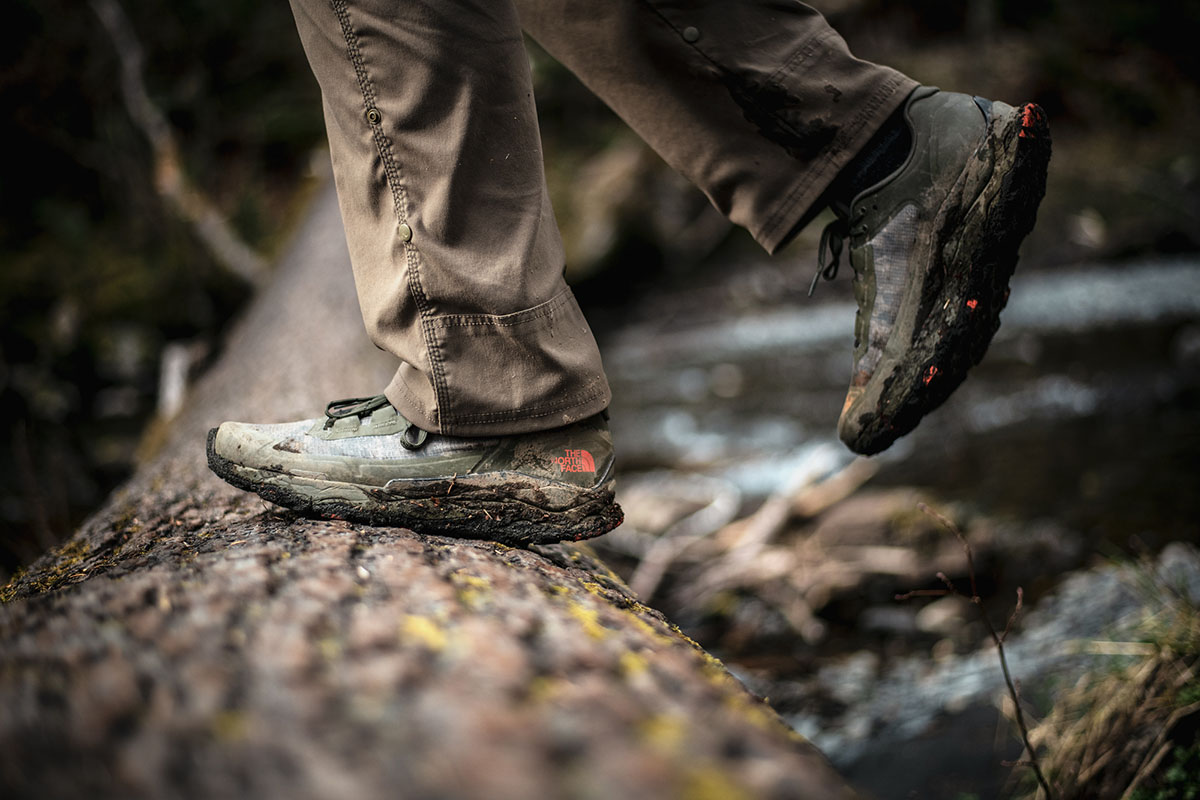
Beneath the upper lies the true heart of comfort: the midsole. This is where the subjective feeling of “walking on clouds” meets objective material science. The era of simple, compacted EVA foam is over. Now, we encounter dual-density foams, proprietary compounds like Altra’s EGO max or HOKA’s Profly+, and even embedded plates like The North Face’s Surface CTRL. The purpose is multifaceted: to absorb shock, to provide energy return, and to offer stable platform control. Consider the research into viscoelastic polymers, the category to which many advanced foams belong. Their behavior is time-dependent and load-bearing; they cushion under immediate impact (comfort) but resist permanent deformation over thousands of steps (durability). A well-designed midsole doesn’t just feel soft; it maintains its structural integrity and cushioning properties over hundreds of miles, ensuring that the comfort you felt on day one is present on day one hundred. This is a critical, often overlooked, aspect of long-term durability in shoes for hiking and walking.
The Outsole: The Uncompromising Interface with the Earth
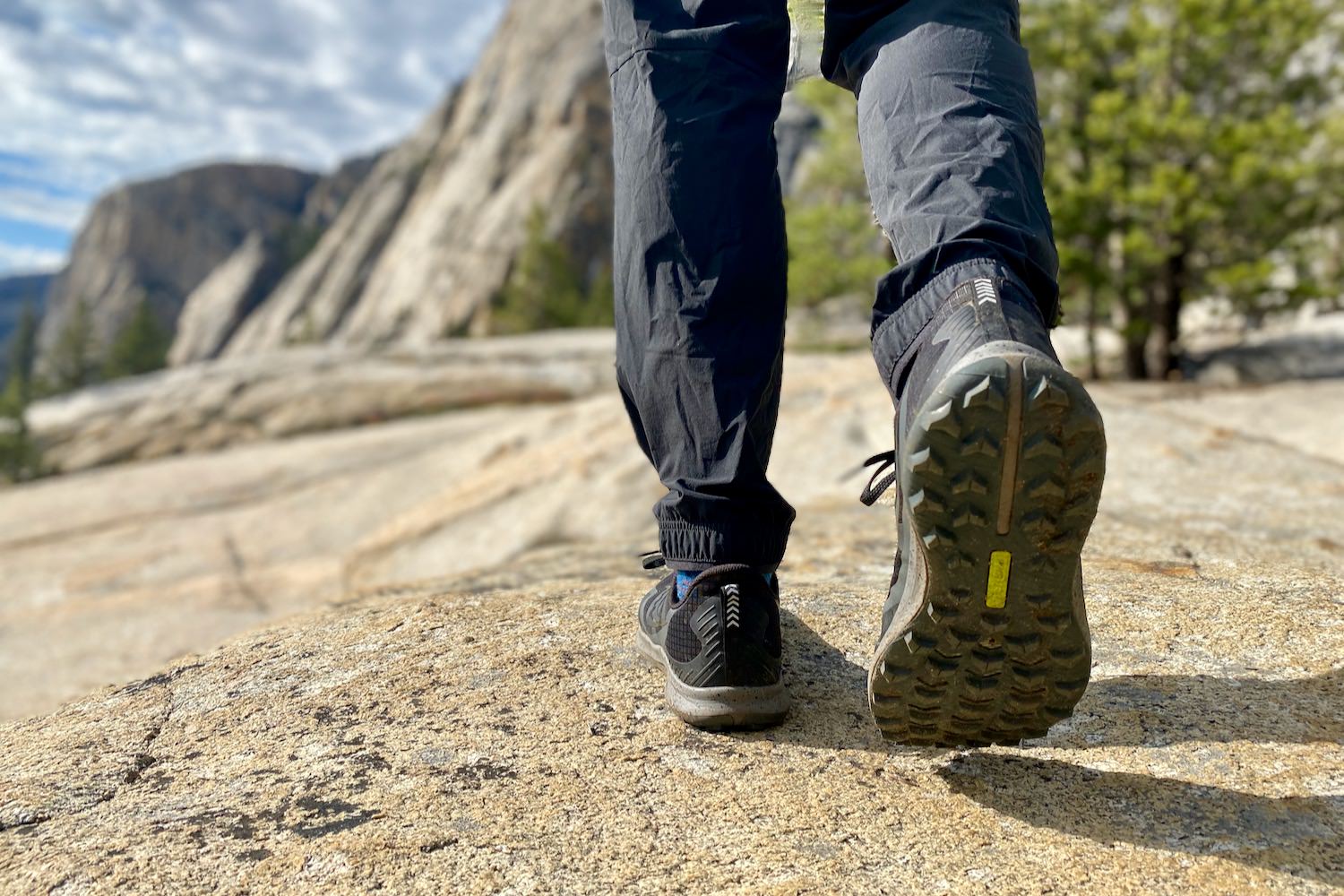
If the midsole is the heart, the outsole is the soul of durability. This is the component in direct, violent contact with the trail. The science here revolves around rubber compounds and lug geometry. A high-quality outsole uses a sticky, durable rubber like Vibram Megagrip or Trax, which balances traction on wet rock with resistance to wearing down on abrasive granite. The lug pattern—the depth and arrangement of the tread blocks—is not random. Deep, multi-directional lugs, like those on a Merrell Moab, provide grip in loose soil and mud, shedding debris easily to maintain consistent performance. As noted in gear analyses on authoritative outdoor sites like Switchback Travel, a durable outsole shows minimal wear after significant mileage, with lugs remaining sharp and defined, not smoothed over. This relentless grip is, paradoxically, a cornerstone of comfort: confidence in every foot placement reduces muscular fatigue and mental strain, allowing you to move more freely and securely.

Beyond Materials: The Synergy of Fit and Protection
Advanced materials are meaningless if the shoe doesn’t fit your unique foot. Here, comfort becomes highly personal and paramount. The modern approach to fit has been revolutionized by brands like Altra with its FootShape toe box, allowing toes to splay naturally, and Salomon with its SensiFit technology, which cradles the foot from midsole to lacing. This isn’t mere marketing; it’s applied podiatry. A properly fitted shoe minimizes hot spots and blister-causing friction, the arch enemies of hiking comfort. But this personalized comfort does not forsake durability. In fact, it enhances it. A foot that is secure and not sliding within the shoe places less aberrant stress on the seams and materials. The structure of the shoe works with your foot, not against it. Furthermore, integrated protection like toe caps and rock plates—thin, flexible shields nestled between the midsole and outsole—are perfect examples of the comfort-durability pact. They defend your metatarsals from sharp impacts (a huge comfort and safety benefit) while themselves being made from ultra-tough plastics like polyurethane that withstand repeated strikes without compromising the shoe’s flexibility.
The Proof Is on the Path: Endorsements from Trail and Expertise
The convergence of comfort and durability isn’t just a manufacturer’s claim; it’s validated by those who put gear through its most extreme paces. Professional ultrarunners, who demand the lightest comfort for 100-mile races, now routinely choose shoes for hiking and walking built with durable components because they cannot afford a failure mid-race. Figures like Courtney Dauwalter, while known for running, relies on principles directly applicable to hiking: footwear must disappear on the foot while surviving relentless punishment. On platforms like YouTube, certified gear reviewers such as “Darwin onthetrail” or “Outdoor Gear Review” systematically test footwear over hundreds of miles, providing long-term durability reports that highlight how cushioning and support hold up. Their dissections often reveal that the most comfortable shoes, when well-made, show impressive longevity. As renowned author and walker Rebecca Solnit writes in Wanderlust: A History of Walking, “The mind, the body, and the world are aligned… as the body advances.” The right shoe is the critical catalyst for that alignment, a tool that must be both a companion and a shield.
A Word on Water: The Breathable Barrier
No discussion of trail comfort and durability is complete without addressing the elemental challenge of water. The old paradigm was simple: waterproof leather boots. The new understanding is more nuanced. Waterproof membranes like Gore-Tex provide a durable, impermeable barrier to external moisture, a boon in cold, wet conditions. However, they can also trap sweat, leading to a different kind of discomfort. The modern solution for many conditions is a fast-drying, non-waterproof shoe. Brands like Salomon and Altra make shoes for hiking and walking with highly durable, drainage-friendly uppers. As explained in resources like Backpacker Magazine’s gear guides, these shoes let water in but then expel it quickly through mesh panels and efficient design. The durability comes from the treatment of these meshes to resist tearing and from the use of anti-microbial treatments to prevent degradation from moisture and odor. Your foot may get wet, but it won’t stay swampy, and the shoe itself continues to perform trip after trip, drying rapidly and resisting rot.
Investing in Your Horizon: The Long-Term Value Proposition
Choosing footwear where comfort is built upon a foundation of durability is ultimately an investment in your own adventure horizon. A cheap, poorly made shoe may feel acceptable initially but will often see its midsole compress permanently, its upper tear, or its tread vanish within a season. This false economy ends with discomfort, potential injury, and another trip to the store. Conversely, a premium pair of shoes for hiking and walking, engineered with the technologies discussed, represents a higher initial outlay but a vastly lower cost per mile. The comfort they provide encourages you to walk further and more often, while their durability ensures they are your reliable partners for years, not months. Furthermore, the outdoor industry frequently offers seasonal sales and discounts on previous models, making this superior technology accessible. Brands like Merrell, Keen, and The North Face often have robust outlet sections, allowing savvy hikers to acquire top-tier, durable-comfort footwear at a fraction of the original price. The professional knowledge is clear: in footwear, quality is sustainability—for your feet, your wallet, and your passion for the trail.

The trail does not ask us to choose between well-being and endurance. With the footwear available today, that compromise is a relic of the past. We step forward into a landscape where advanced polymers, intelligent design, and a deep understanding of biomechanics have fused to create tools that are both sanctuary and armor. Every rocky descent is softened, every stream crossing is secure, and every mile is met with consistent, reliable support. This is the promise fulfilled: a journey where your focus can be on the panorama, not on your feet, because the shoes you wear are built to disappear in their performance, offering unwavering comfort backed by unyielding durability on every single trail you choose to explore.
