

Comfort Meets Durability on Every Trail
The path ahead is not merely dirt, rock, or root; it is a dialogue between the wanderer and the wild. At the heart of this conversation is a single, critical piece of gear: your footwear. The quest for the perfect pair of shoes for hiking and walking is often framed as a compromise—a trade-off between plush comfort for long miles and rugged durability for unforgiving terrain. But what if this is a false dichotomy? Modern design and material science have evolved to a point where these two pillars are not opposing forces but complementary allies. This article argues that the contemporary hiker no longer needs to choose. Through intelligent engineering, informed material selection, and a deep understanding of biomechanics, today’s trail footwear successfully merges immediate, all-day comfort with the long-term resilience required to explore further and with greater confidence.
The Foundation: Understanding Foot Biomechanics and Terrain
Before dissecting the shoe itself, we must understand the instrument it protects: the human foot. Comprising 26 bones, 33 joints, and over a hundred muscles, tendons, and ligaments, the foot is a marvel of evolutionary engineering, designed for propulsion, balance, and shock absorption. As noted in biomechanics literature from institutions like Stanford University, the gait cycle—from heel strike to toe-off—generates forces that can exceed several times a person’s body weight. On uneven trails, these forces become multidirectional and unpredictable. A shoe for hiking and walking must therefore perform a complex balancing act. It must be flexible enough to allow the foot’s natural articulation, yet stable enough to prevent excessive rolling on uneven surfaces. It must cushion impact without creating an unstable, disconnected platform. This is the first principle of the comfort-durability merger: true comfort on the trail is not about softness alone, but about appropriate support that reduces muscular fatigue and joint strain over miles, thereby enhancing the shoe’s functional durability by promoting a healthier, more efficient stride.
Midsole Magic: Where Comfort is Engineered
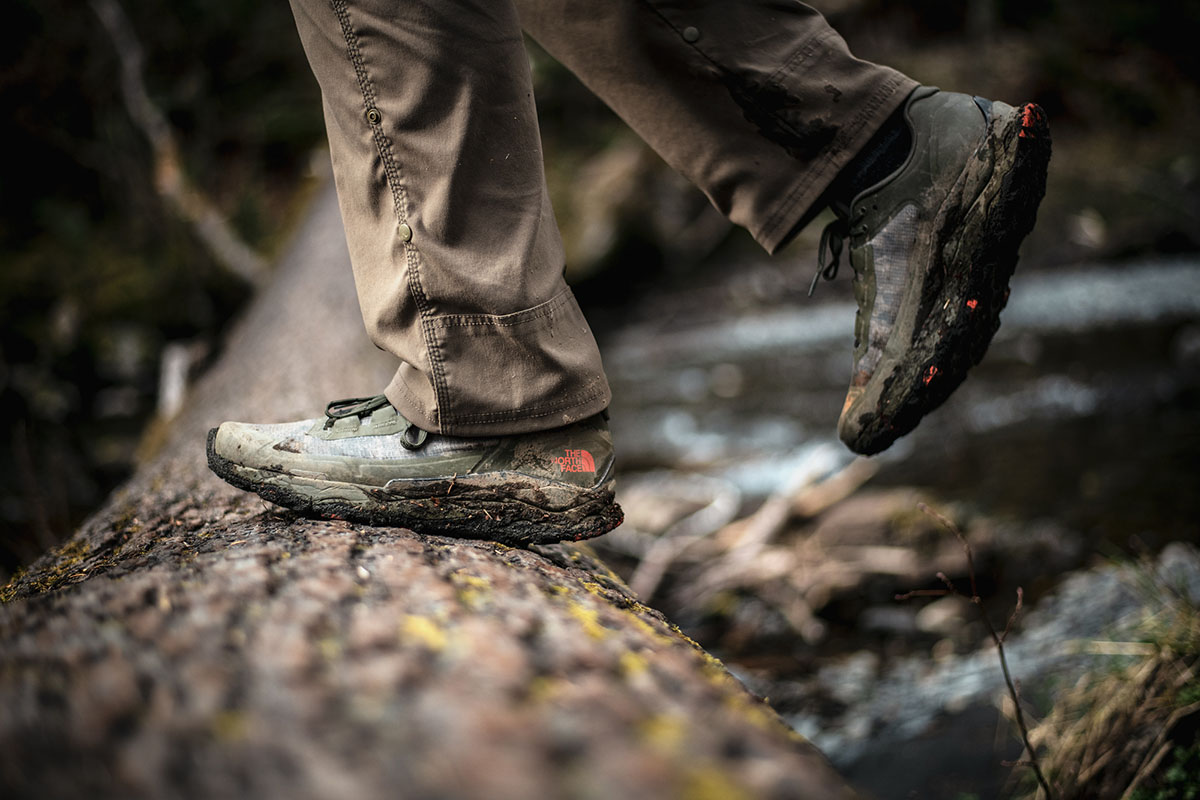
The core of comfort in any modern hiking shoe resides in its midsole. This is the layer between the outsole and the upper, and its composition is a subject of intense innovation. Gone are the days of simple, dense EVA foam that would compact and lose its resilience. Today’s midsoles utilize advanced compounds like polyurethane blends, TPU (Thermoplastic Polyurethane) encapsulated foams, and proprietary technologies such as Nike’s React or Adidas’s Boost. These materials are designed for what engineers call “energy return”—the percentage of impact energy that is returned to the runner, reducing the metabolic cost of each step. As ultrarunner and biomechanics researcher Dr. Geoff Burns has discussed in interviews, this isn’t just about feeling bouncy; it’s about efficiency. A midsole that effectively manages energy reduces systemic fatigue, allowing you to walk or hike longer with less discomfort. Furthermore, durability here is twofold: the material itself resists permanent deformation over hundreds of miles, and by mitigating fatigue, it protects the durability of your own body’s joints. A well-cushioned midsole also acts as a buffer between your foot and the often unforgiving trail, distributing pressure and preventing hot spots—a direct link to all-day comfort.
The Unsung Hero: Outsole Design and Traction
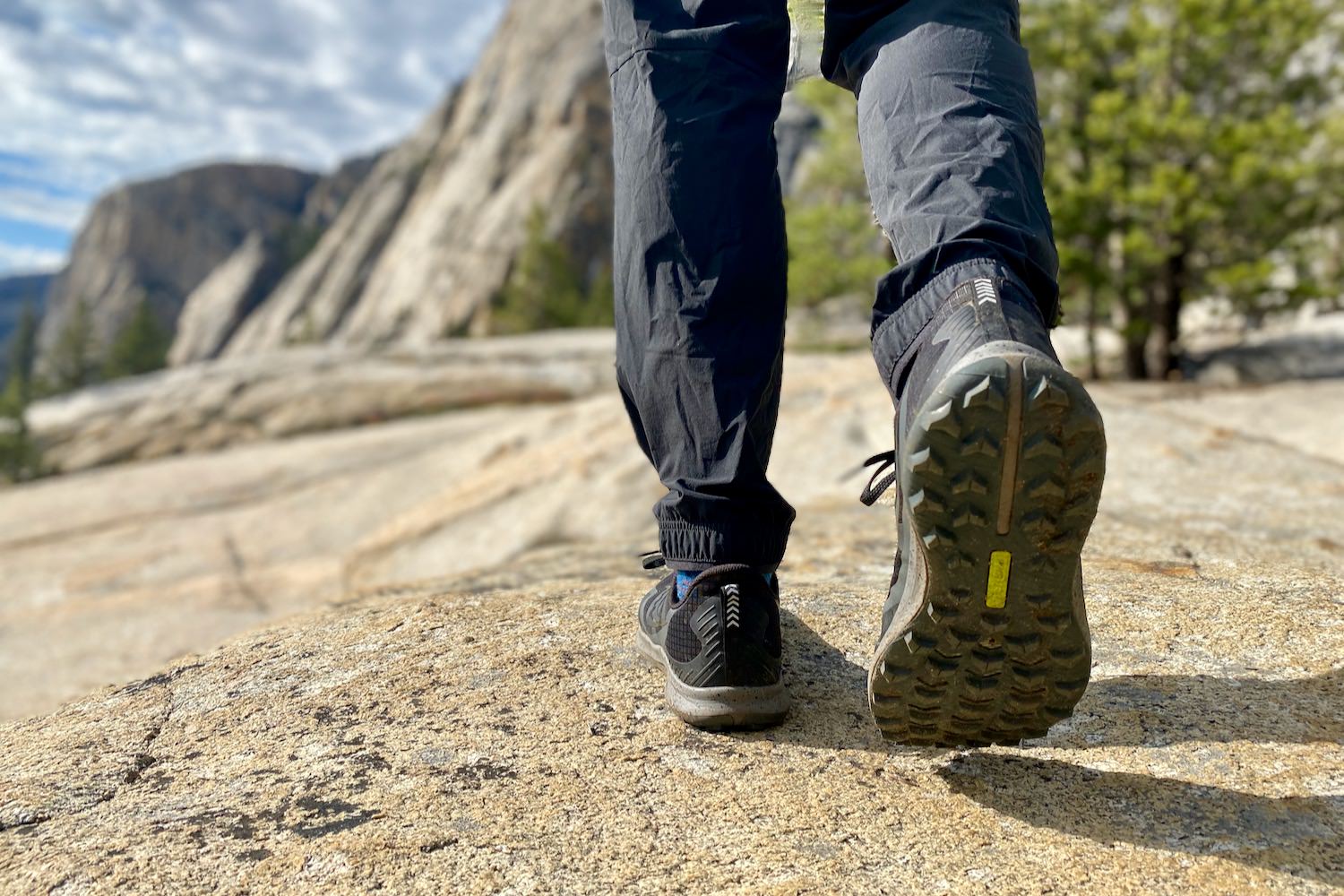
If the midsole is the heart of comfort, the outsole is the anchor of durability. Traction is not a luxury; it is a fundamental safety feature. A slip on a wet rock or loose scree can end a hike prematurely. Outsoles made from high-quality rubber compounds, such as Vibram Megagrip or Continental Rubber, offer a science-backed solution. These compounds are formulated for a high coefficient of friction on both wet and dry surfaces, a principle grounded in tribology, the study of friction. The pattern of the lugs—the aggressive teeth on the outsole—is equally critical. Deep, multi-directional lugs shed mud and bite into soft ground, while a shallower, tighter pattern near the edges provides stability on flat rock. As the outdoor gear experts at Switchback Travel explain, the geometry of these lugs affects how the shoe releases from the ground, influencing both grip and how much debris it collects. A durable outsole isn’t just one that doesn’t wear down quickly (though abrasion resistance is key); it’s one that maintains its gripping properties throughout its lifespan, providing consistent, reliable performance that, in turn, gives the hiker the confidence to move comfortably and quickly over technical terrain. This reliable traction prevents jarring slips and micro-adjustments, reducing ankle and leg fatigue—another nexus where durability creates comfort.

Material Integrity: Uppers That Breathe and Endure
The upper of a hiking shoe is its interface with the world, and its construction is a masterclass in material compromise solved. Early leather boots offered durability but could be stifling. Early mesh trail runners were airy but prone to tearing. Modern solutions are hybrid and intelligent. Durable, water-resistant materials like nubuck leather or synthetic TPU overlays are strategically placed in high-wear areas: the toe cap, the medial side where boots might scrape together, and around the heel cup. These are seamlessly bonded to breathable, engineered mesh panels that promote airflow, a critical component of comfort. Moisture management is paramount; as the American Podiatric Medical Association notes, damp skin is far more susceptible to blister-causing friction. Furthermore, technologies like GORE-TEX liners provide a waterproof yet breathable barrier, though they add considerations for warmth and dry-out time. The durability of the upper is tested not just by abrasion but by its ability to maintain its structure. A quality shoe for hiking and walking will use a reinforced heel counter and a structured toe box to hold its shape, protecting the foot from external impacts and providing consistent fit—the bedrock of comfort—mile after mile, season after season.
The Human Factor: Fit, Feel, and Long-Term Performance
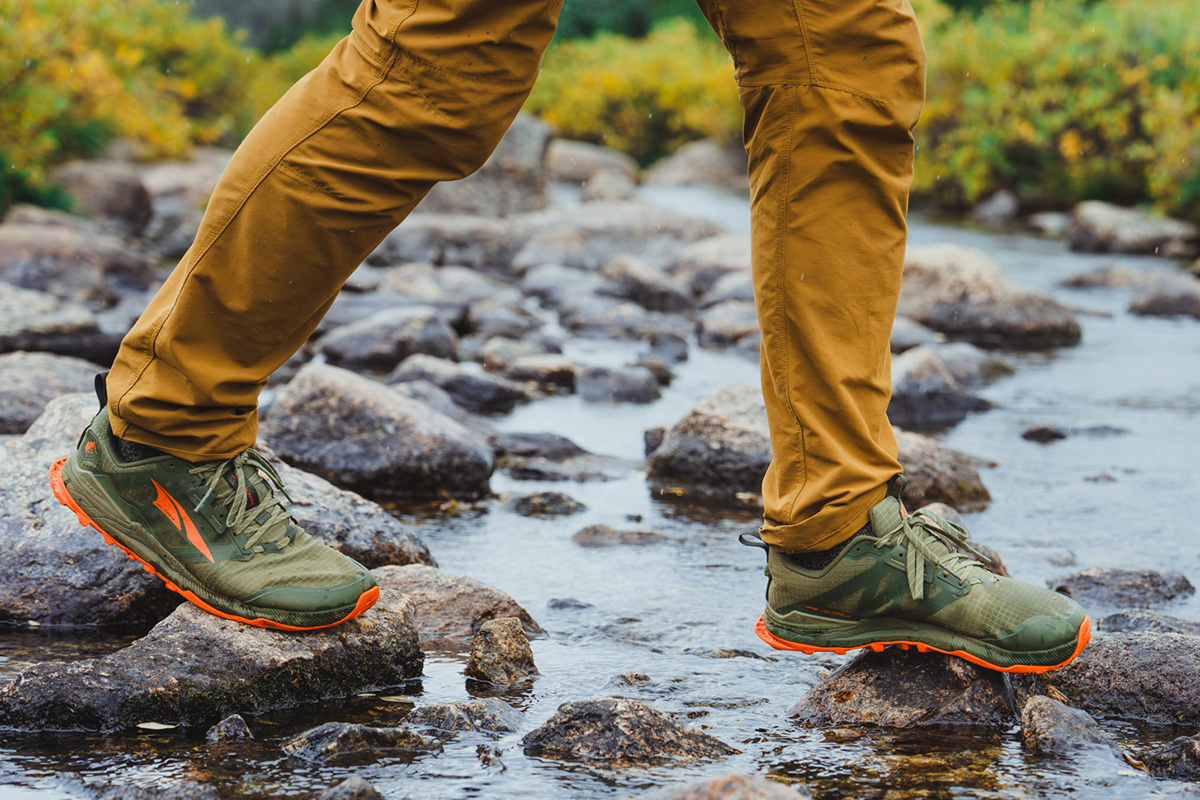
All the technology in the world is irrelevant if the shoe doesn’t fit your foot. This is the most personal dimension of the comfort-durability equation. Renowned bootfitters and podiatrists consistently stress that proper fit is the single most important factor in preventing injury and ensuring enjoyment. A well-fitting shoe for hiking and walking should have ample room in the toe box to allow for foot swelling on long descents (a common phenomenon), a secure hold around the midfoot to prevent sliding, and a heel that locks in place without lift. Brands now offer varied foot-shaped lasts (the mold around which a shoe is built), accommodating wider forefeet or narrower heels. This personalized fit ensures that the shoe’s durable components work in harmony with your unique biomechanics. When your foot isn’t fighting the shoe, the shoe’s inherent durability is leveraged fully. There’s no chafing against seams, no pressure points breaking down the interior lining, and no instability prematurely wearing the outsole unevenly. In this sense, the durability of the gear and the durability of the body’s enjoyment are inextricably linked. The comfort that comes from perfect fit is what invites you to lace up day after day, adventure after adventure, truly fulfilling the long-term promise of the product.
A Word on Value: Investment Versus Cost
It is tempting to view a high-quality pair of hiking shoes as a significant expense. However, through the lens of cost-per-mile and experience preservation, they represent a profound value. Consider the words of legendary conservationist and hiker John Muir, who famously said, “The mountains are calling, and I must go.” Answering that call with inadequate footwear can turn a sublime journey into a painful ordeal, potentially cutting it short or, worse, leading to an injury with longer-term costs. A scientifically designed, durable pair of shoes for hiking and walking is an investment in unrestricted access to the trails you love. While premium models from brands like Salomon, La Sportiva, or Hoka may carry a higher initial price tag, their construction from superior materials and more refined technologies often translates to a longer service life and better performance throughout. The “discounted price” of a lesser shoe is often a false economy, potentially costing more in replacement frequency and compromised experiences. Your feet are your primary vehicle in the wilderness; outfitting them with the best blend of comfort and durability you can afford is not a purchase—it’s a prioritization of your passion and well-being.
The trail does not ask for compromise. It asks for respect, preparation, and gear that empowers rather than hinders. The synthesis of comfort and durability in modern hiking footwear is a testament to how far outdoor gear has come. It is a tangible result of applying biomechanics, material science, and relentless user feedback to solve a fundamental challenge. This union means starting your day without a breaking-in period, traversing rocky passes with secure confidence, and ending your hike with feet that are tired from worthy effort, not crippled by preventable pain. It means your trusted pair becomes a journal of miles, a companion to landscapes from desert canyons to alpine ridges. When you find that perfect pair where the line between comfort and durability blurs into a single, supportive experience, you unlock a new dimension of freedom on the trail. The path is there. With the right shoes, your only question is how far you’ll go.
