

Best Shoes for Hiking and Walking: Your Ultimate Comfort Guide
Selecting the right footwear is not merely a purchase; it’s an investment in every step of your journey. The wrong pair can turn a serene trail into a painful ordeal, while the right one feels like a natural extension of your body, unlocking miles of potential. This guide cuts through the noise to deliver objective, science-backed insights into finding the perfect shoes for hiking and walking. We’ll move beyond marketing slogans, grounding our discussion in biomechanics, material science, and the collective wisdom of seasoned adventurers and experts. Our goal is to arm you with the knowledge to choose footwear that delivers unparalleled comfort, support, and durability, ensuring your focus remains on the path ahead, not the pain beneath your feet.
The Foundation: Understanding Foot Biomechanics and Terrain
Before considering brands or styles, one must understand the dialogue between the foot and the ground. Human locomotion is a complex symphony of bones, muscles, and tendons. According to research from institutions like the University of Virginia’s School of Medicine, the foot undergoes a specific gait cycle—heel strike, midfoot stance, toe-off—with each step. A shoe for hiking and walking must facilitate this natural motion while providing protection. The terrain dictates the conversation. A packed urban sidewalk demands cushioning for repetitive impact, while a rocky, uneven mountain trail requires stability to prevent ankle rolls and a robust outsole to grip loose surfaces. Renowned ultrarunner and biomechanics researcher Dr. Ray McClanahan often emphasizes the importance of a foot-shaped toe box, allowing toes to splay naturally for balance and propulsion, a principle validated by podiatric literature. Ignoring this interplay is like using a sports car for off-roading; the tool must match the task. Therefore, the first step is an honest assessment of where you will spend most of your time walking or hiking. This self-assessment forms the non-negotiable foundation for every subsequent choice, from cushioning level to ankle height.
Decoding the Anatomy: From Outsole to Upper
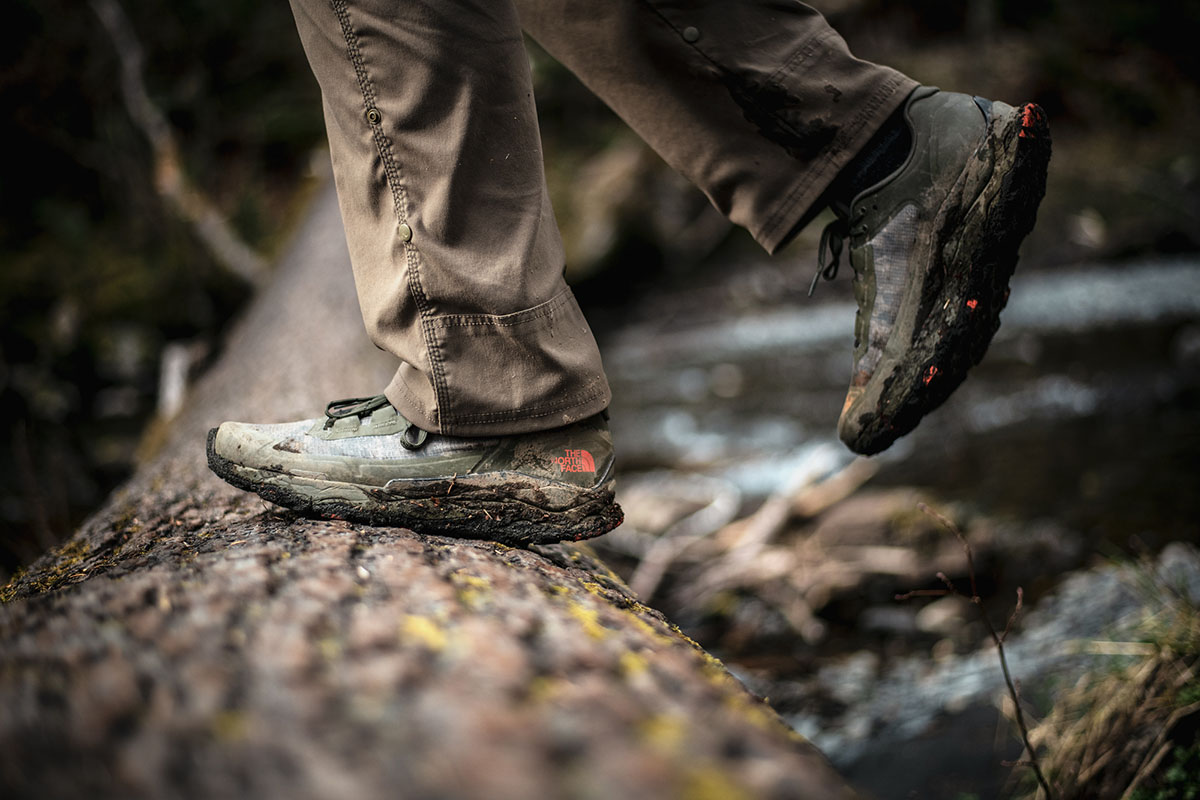
Every component of a hiking or walking shoe serves a distinct, scientifically-informed purpose. Let’s dissect the key elements. The outsole, typically made of carbon rubber or similar compounds, is your interface with the earth. Its lug pattern (the depth and arrangement of treads) is critical. Deep, multi-directional lugs, like those on many Merrell or Salomon models, provide exceptional grip on muddy or soft trails, a concept often highlighted in gear reviews on sites like OutdoorGearLab. Conversely, shallower, closer-set lugs offer better stability and longevity on hard-packed surfaces. The midsole is the cushioning and stability core. Technologies like EVA foam, polyurethane, or proprietary systems like HOKA’s Meta-Rocker or Brooks’ DNA LOFT are engineered to manage impact forces and guide the foot. Peer-reviewed studies in journals like the Journal of Foot and Ankle Research underscore the role of midsole design in reducing load rates, which can mitigate fatigue and injury risk. The upper must balance durability, breathability, and protection. Materials range from lightweight mesh, ideal for fast-paced walking, to waterproof yet breathable membranes like Gore-Tex, essential for wet conditions. A well-constructed upper, as noted in manufacturer white papers from The North Face or Keen, includes strategic reinforcements at high-wear areas and a secure, comfortable lacing system to lock the heel in place, preventing blisters—the arch-nemesis of every hiker.

The Great Debate: Boots vs. Shoes vs. Trail Runners
This is the perennial question in outdoor circles, and the answer is not universal but personal and situational. Hiking boots, with their high-cut ankles and sturdy construction, offer maximum support and protection for heavy loads, unstable ankles, or extremely rugged terrain. They are the armored vehicles of foot travel. As legendary mountaineer Reinhold Messner once implied, on serious expeditions, equipment failure is not an option, and boots provide that reliability. Hiking shoes are the versatile middle ground. They offer more ankle flexibility and are generally lighter than boots, making them ideal for day hikes, well-maintained trails, and travelers who want a single pair of shoes for hiking and walking through towns and trails. Trail running shoes prioritize lightweight speed and breathability. They have become immensely popular for fast-and-light hiking, as advocated by many modern thru-hikers whose gear lists are featured on sites like The Trek. The choice hinges on your personal physiology, pack weight, and terrain difficulty. There is no “best,” only “best for you.” Trying on different categories is crucial, as the fit and feel are profoundly different and can significantly alter your experience on the trail.

The Non-Negotiables: Fit, Sizing, and Break-In
All the technology in the world is worthless if the shoe doesn’t fit your unique foot. Professional fitting is paramount. Experts at retailers like REI consistently advise that your hiking or walking shoe should be sized to accommodate foot swelling (which occurs during long activity) and thicker socks. A good rule of thumb is about a half to a full size larger than your everyday street shoe, with ample room in the toe box to wiggle your toes. The heel should be locked down with minimal slippage. The break-in period is not a myth; it’s a necessary process of the materials molding to your foot and your foot adapting to the new support structure. Start with short walks around your neighborhood before embarking on a multi-hour hike. This gradual approach, often recommended by podiatrists, helps identify potential hot spots and allows the midsole to soften appropriately. Remember, comfort is not subjective in this context; it’s an objective measure of proper biomechanical alignment and pressure distribution. Discomfort is a warning sign you should never ignore.
Investing in Your Journey: Value, Care, and Sustainability
A high-quality pair of shoes for hiking and walking is an investment. While premium models from brands like Arc’teryx or Lowa may carry a higher initial cost, their durability and performance often provide better long-term value. However, excellent options exist at various price points. Look for sales on previous seasons’ models from reputable brands, which can offer nearly identical technology at a significant discount. Once you own them, proper care extends their life exponentially. Clean off mud and debris after each use, allow them to air dry naturally away from direct heat, and periodically reapply a waterproofing treatment suitable for the upper material. Furthermore, the outdoor industry is increasingly focusing on sustainability. Companies like Allbirds and Salomon (with its Index.01 project) are pioneering the use of recycled materials and circular design principles. Choosing a product from a company with transparent environmental practices adds another layer of value to your purchase, aligning your passion for the outdoors with its preservation.

The quest for the perfect footwear is a personal expedition, but it need not be a solitary or confusing one. By applying a lens of biomechanics, understanding the functional anatomy of the shoe, and honestly assessing your needs, you transform from a passive consumer into an informed participant. The right shoes for hiking and walking become more than gear; they are trusted companions that silence the distractions of discomfort, allowing the rhythm of your steps to sync with the heartbeat of the trail or the pulse of the city. Your journey, and every step within it, deserves nothing less.
