

Best Shoes for Hiking and Walking: Comfort and Durability Guide
Selecting the right footwear is not merely a purchase; it’s an investment in your mobility, safety, and enjoyment of the outdoors. The quest for the perfect pair of shoes for hiking and walking often leads to a crossroads of technical specifications, material science, and personal physiology. This guide cuts through the marketing noise to deliver objective, science-backed insights into what truly makes a shoe comfortable and durable for miles of trail and pavement. We will dissect the anatomy of a great shoe, drawing from biomechanics, material engineering, and the collective wisdom of seasoned adventurers and experts. Forget vague recommendations; here, you’ll find the knowledge to become your own best gear critic.
The Foundational Divide: Hiking vs. Walking Shoes
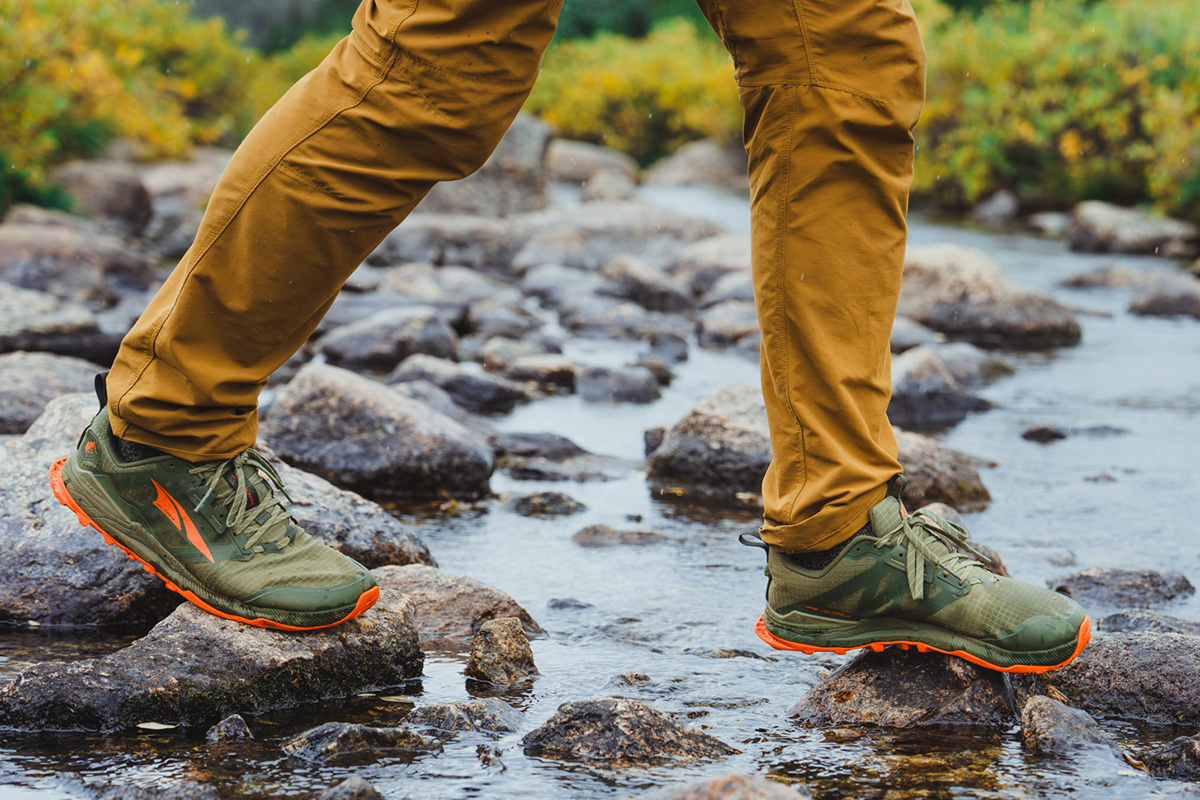
While often grouped together, shoes designed for rugged trails and those built for daily ambulation serve distinct masters. Understanding this dichotomy is the first critical step. A dedicated hiking shoe, as outlined by resources like Switchback Travel, is engineered for unpredictable, uneven terrain. Its primary functions are protection (from rocks, roots, and moisture), stability (to prevent ankle rolls on side slopes), and traction (to grip loose or wet surfaces). The construction is typically more robust, with a stiffer midsole to shield the foot from sharp objects and a higher cut to support the ankle complex. In contrast, a dedicated walking or running shoe prioritizes cushioning and flexibility for repetitive impact on predictable, flat surfaces. The emphasis is on energy return and breathability for sustained, rhythmic motion. As noted by biomechanists, the gait cycle differs: hiking involves more deliberate, variable foot placements at slower speeds, while walking is a more automated, cyclical pattern. Choosing the wrong tool for the job—using a flexible walking shoe on a rocky mountain path—can lead to fatigue, injury, and a shortened lifespan for the shoe itself. Therefore, the first question to ask is not “Which shoe is best?” but “For what specific activity is this shoe for hiking and walking primarily intended?”
:max_bytes(150000):strip_icc()/VWFit-hiking-shoes-versus-walking-shoes-7548411-152aaaad90024603b172fdf65bb0c157.jpg)
Deconstructing Comfort: It’s More Than Just Softness
Comfort is a subjective sensation, but its objective components can be precisely measured and understood. A truly comfortable shoe for hiking and walking achieves a harmonious balance between fit, support, and cushioning. Fit is paramount. The American Podiatric Medical Association emphasizes the need for adequate toe room (about a thumbnail’s width from the end of your longest toe to the shoe) to prevent blisters and black toenails on descents. The heel should be locked in place without slippage, and the midfoot should feel secure, not constricted. Support refers to the shoe’s ability to maintain proper foot alignment. This is often governed by the medial post or arch structure. Overpronators—those whose feet roll inward excessively—may require more structured support to prevent knee and hip strain, a concept widely discussed in runner’s forums and by physical therapists on platforms like YouTube. Cushioning is not about maximum softness; it’s about impact dissipation. Modern midsoles use advanced polymers like EVA (Ethylene-Vinyl Acetate) or PU (Polyurethane), with PU generally offering greater durability and compression resistance over time. The legendary ultrarunner and biomechanics researcher, Dr. Mark Cucuzzella, often states in his lectures that “the goal is to protect the body from impact, not to create a plush pillow that destabilizes the foot.” A shoe that is too soft can lead to muscular fatigue as the small stabilizer muscles in the foot and ankle overwork. Therefore, comfort is a dynamic stability, a feeling of being cradled and propelled, not buried.
The Anatomy of Durability: Materials and Construction
Durability determines the return on your investment. It’s the difference between a shoe that survives one season and one that becomes a trusted companion for years. Key elements start from the ground up. The outsole is your interface with the earth. High-quality rubber compounds, such as Vibram® or proprietary formulations from brands like Continental, offer exceptional abrasion resistance and grip. The lug pattern (the depth and arrangement of the tread) is critical: deeper, multi-directional lugs excel in mud and soft terrain, while shallower, closely spaced lugs are better for hard-packed trails and rock. The upper material is the shoe’s exoskeleton. Full-grain leather, once the standard, offers superb abrasion resistance and water resistance but is heavier and less breathable. Modern synthetic meshes (like Cordura®) and engineered knits provide a fantastic blend of lightweight durability, flexibility, and breathability, often treated with durable water repellent (DWR) coatings. The construction method is the unsung hero. Cemented construction is common and flexible, but welded or stitch-down constructions, as seen in brands like Salomon, often provide superior seam integrity and longevity. As Backpacker Magazine’s gear lab frequently reports, a double- or triple-stitched toe cap and reinforced heel counter are reliable indicators of a shoe built to withstand brush, rocks, and repeated flexing. When evaluating a shoe for hiking and walking, inspect these areas closely; they tell the story of its potential lifespan.

Waterproofing: A Feature, Not a Universal Panacea
The question of waterproofing, typically via a membrane like Gore-Tex®, is one of the most debated in outdoor gear. It is crucial to understand its trade-offs scientifically. A waterproof-breathable membrane works by allowing water vapor (sweat) to escape while blocking liquid water from entering. This is highly effective in cold, wet conditions like snow, slush, or persistent drizzle. However, in warm, humid environments or during high-exertion activities, the membrane can be overwhelmed. Sweat production can exceed the membrane’s breathability rate, leading to a phenomenon where your feet are just as wet from perspiration as they would be from external water. Furthermore, once water enters over the top of the shoe (in a deep stream crossing), a waterproof shoe will trap that water inside and dry much slower than a non-waterproof, quick-drying mesh shoe. The renowned hiking authority Andrew Skurka articulates this perfectly in his gear lists:
“I prefer non-waterproof shoes for three-season use. They dry faster, are more breathable, and are often lighter. I accept that my feet will get wet in rain or stream crossings, but with merino wool socks, they stay warm, and the shoes dry quickly once the rain stops.”
This perspective underscores that waterproofing is a situational tool, not an obligatory feature for every shoe for hiking and walking. Your local climate and typical hike conditions should dictate this choice.
Professional Fitting and the Human Factor
All the technical data in the world is secondary to the unique topography of your own feet. This is where professional fitting brings invaluable expertise. A skilled fitter at a specialty outdoor retailer does more than measure length. They assess volume (the height of your instep), width (at the ball and heel), and arch shape. They observe your gait, both barefoot and in shoes. They understand that feet swell throughout the day and expand significantly under load during a long hike—often requiring a half to full size larger than your casual shoes. They can recommend specific brands known for wider toe boxes (like Altra or Topo Athletic) or narrower heels (like La Sportiva). This service transforms the purchase from a guessing game into a precise, biomechanically-informed decision. It is an investment in prevention, potentially averting issues like plantar fasciitis, Achilles tendonitis, or stress fractures. While online deals are tempting, the value of a proper fitting, often free with the intent to purchase, cannot be overstated for finding the right shoes for hiking and walking.
Making an Informed Investment: Value Beyond the Price Tag
The initial price of a quality shoe can be daunting, but its true cost is measured in cost-per-mile. A $150 shoe that lasts for 800 miles of hiking is a far better value than an $80 shoe that disintegrates after 200. To maximize value, consider end-of-season sales, previous-year models (which often have only minor cosmetic changes), and reputable online retailers. However, balance discounts with the need for the correct fit. Some brands offer robust warranty programs for manufacturing defects. More importantly, proper care extends life immensely. Remove insoles and allow shoes to air dry naturally after each use (never on a heater). Regularly clean off mud and debris, which can degrade materials and abrade seams. Re-treat leather uppers with appropriate conditioners and refresh DWR coatings on synthetics as needed. Rotating between two pairs allows each to fully decompress and dry, prolonging the midsole’s resilience. By adopting these practices, you actively participate in the durability of your gear, ensuring your chosen shoes for hiking and walking deliver maximum return on investment.

The journey to finding your ideal footwear is a fusion of external knowledge and internal awareness. It requires listening to the science of materials and the wisdom of experience, then applying it to the reality of your own feet and ambitions. There is no single “best” shoe, only the best shoe for you, for your chosen path, today. Armed with an understanding of the trade-offs between cushioning and support, waterproofing and breathability, weight and durability, you can step beyond brand loyalty and marketing claims. You become equipped to select a tool that feels like an extension of yourself—one that provides the comfort to savor the journey and the durability to ensure there are many more miles to come.
