

Discover the Top Podiatrist Recommended Walking Shoes for Ultimate Comfort and Support
Walking is one of the most fundamental and beneficial forms of exercise, yet its simplicity often leads us to overlook a critical component: footwear. The wrong shoes can transform this low-impact activity into a source of chronic pain, affecting everything from your plantar fascia to your knees and back. This is where the expertise of a podiatrist becomes invaluable. Podiatrist recommended walking shoes are not merely a marketing term; they are the culmination of biomechanical research, material science, and clinical observation designed to protect and support the human foot in motion. This article delves into the essential features that define these shoes, drawing from authoritative sources and expert opinions to guide you toward making an informed choice that prioritizes long-term foot health over fleeting trends.
The Foundation of Foot Health: Why Podiatrist Recommendations Matter
To understand the significance of a podiatrist’s endorsement, one must first appreciate the complexity of the human foot. It is a marvel of engineering, comprising 26 bones, 33 joints, and over 100 muscles, tendons, and ligaments. According to literature from the American Podiatric Medical Association (APMA), the foot acts as both a shock absorber and a rigid lever during the gait cycle. When this intricate system is improperly supported, the consequences ripple upward. A study cited by Harvard Medical School notes that foot dysfunction can contribute to issues in the ankles, knees, hips, and lower back. Podiatrists, as doctors specializing in this area, evaluate footwear based on specific, evidence-based criteria: stability, cushioning, fit, and the ability to accommodate or correct biomechanical irregularities. Their recommendations are grounded in preventing and managing conditions like plantar fasciitis, bunions, metatarsalgia, and diabetic foot complications. Therefore, seeking out podiatrist recommended walking shoes is a proactive step in preventive healthcare, akin to consulting a nutritionist for a diet plan. It’s an investment in the foundation of your mobility.
:max_bytes(150000):strip_icc()/favorite-walking-shoes-round-up-november-2024-458c3fc0c6844adca7c0a34ebc5cfb9b.jpg)
Decoding the Anatomy of an Ideal Walking Shoe
1. The Non-Negotiable: Arch Support and Motion Control
One of the most frequently cited features by foot specialists is adequate arch support. The arch of the foot is not static; it flattens and recoils with each step. For individuals with flat feet (pes planus) or excessively high arches (pes cavus), this natural mechanism can be inefficient, leading to overpronation or supination. As explained on Wikipedia’s page on “Running Shoes,” motion control is a design feature that limits excessive inward rolling of the foot. A podiatrist recommended walking shoe often incorporates a firm midsole material, like dual-density foam, and a structured heel counter to guide the foot into a neutral position. Dr. Jacqueline Sutera, a prominent New York City podiatrist, has stated in interviews with publications like Travel + Leisure that a stable heel counter is her top priority when assessing shoes, as it prevents the heel from sliding and provides essential rearfoot stability. This engineering is not about rigidity but about creating a guided path for natural, healthy movement.
2. Cushioning vs. Responsiveness: Striking the Perfect Balance
The quest for cushioning can be a double-edged sword. While ample cushioning absorbs impact forces—a principle supported by biomechanics research from universities like Stanford, which studies impact forces in athletics—too much softness can destabilize the foot. The ideal podiatrist recommended walking shoe offers a balanced “ride.” It provides cushioning precisely where the foot experiences peak pressure, typically the heel and forefoot, using advanced materials like polyurethane, EVA foam, or proprietary gels. However, it also maintains a degree of responsiveness or “energy return,” allowing for a smooth roll-through from heel strike to toe-off. Brands that frequently earn podiatrist accolades, such as Brooks, New Balance, and HOKA, invest heavily in research to map pressure points and develop midsole geometries that distribute force evenly. This balance protects joints without creating a mushy, unstable platform that can cause ankle rolls or strain the plantar fascia.

3. The Forgotten Dimension: Toe Box Geometry and Flexibility
Much attention is given to the heel and arch, but the forefoot is equally critical. A roomy, foot-shaped toe box is a hallmark of many podiatrist-approved designs. This design philosophy, championed by resources like the “Natural Footwear” community and echoed by podiatrists treating bunions and hammertoes, allows the toes to splay naturally upon weight-bearing. This splay enhances balance, improves propulsion, and reduces compression on nerves (like the common Morton’s neuroma). Furthermore, the shoe must flex at the correct location—at the ball of the foot, where your foot naturally bends. A shoe that is too stiff forces the foot, ankle, and Achilles tendon to work harder, while one that flexes too early or in the wrong place can compromise support. The American Academy of Podiatric Sports Medicine often highlights proper flex point alignment as a key differentiator between casual sneakers and true performance walking shoes.
Navigating the Market: Key Brands and Models That Earn Professional Praise
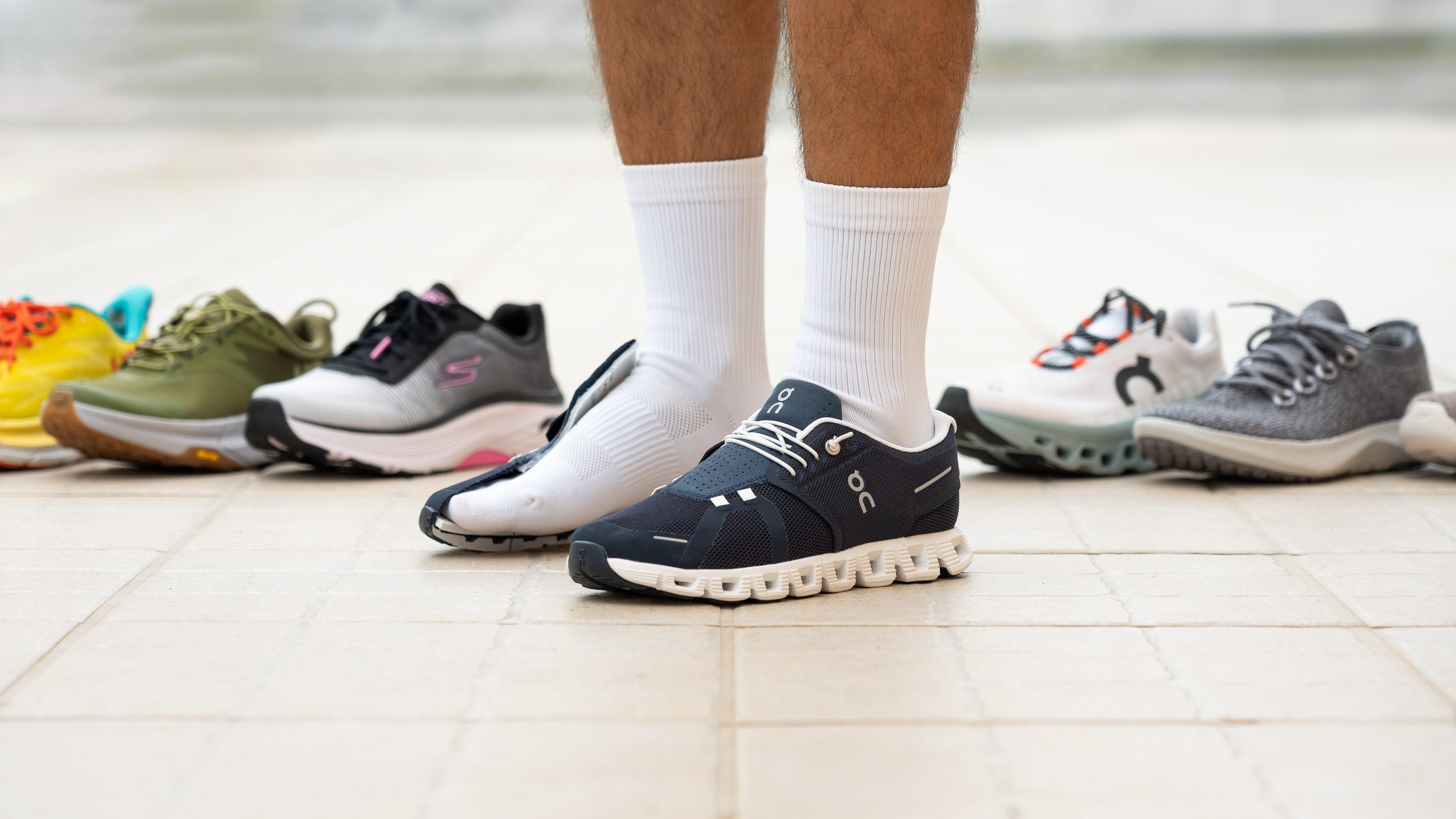
The market is flooded with options, but several brands consistently appear on podiatrists’ shortlists due to their commitment to biomechanical research. Brooks Addiction Walker and Adrenaline GTS series are frequently recommended for their exceptional GuideRails support system, which focuses on keeping knees in alignment. New Balance, particularly models like the 928 or the Fresh Foam series, is lauded for its wide range of widths, catering to the fact that feet are three-dimensional. HOKA ONE ONE has revolutionized maximalist cushioning with models like the Bondi or Gaviota, which provide immense shock absorption without sacrificing stability, a boon for those with arthritis or who are on their feet all day. ASICS, with its Gel technology and Impact Guidance System (I.G.S.), is another staple. It’s important to note that a model being podiatrist recommended walking shoes does not mean it is universally perfect; it means its design principles align with podiatric medical standards for support and injury prevention. The best shoe is the one that fits your unique foot structure and gait pattern, which is why professional fitting is so crucial.
:max_bytes(150000):strip_icc()/I-Asked-Podiatrists-for-Their-Fall-Shoe-Recommendations-These-Are-Their-Top-8-Picks-8fbdf9d65f3a4228ae63f6e5253dc08c.jpg)
Beyond the Shoe: The Synergy of Inserts and Professional Gait Analysis
Even the best walking shoe may require fine-tuning. This is where custom orthotics or over-the-counter inserts come into play. A podiatrist can prescribe custom orthotics that correct specific biomechanical imbalances, turning a good shoe into a perfect one. As noted by the Cleveland Clinic, orthotics are medical devices that alter the angles at which the foot strikes the ground, thereby addressing the root cause of many overuse injuries. For those not ready for custom devices, brands like Superfeet and Powerstep offer podiatrist-developed inserts that can significantly enhance a shoe’s support. However, the shoe must have a removable insole and enough volume to accommodate the insert without cramping the foot. This synergy underscores a vital point: selecting podiatrist recommended walking shoes is often the first step in a holistic approach to foot care. A professional gait analysis, offered by many specialty running stores and podiatry clinics, can identify your pronation pattern, pressure distribution, and stride length, providing data-driven recommendations far more accurate than self-assessment.
Investing in Your Stride: Where Value Meets Vitality
It is a common misconception that superior foot support must come with an exorbitant price tag. While the initial investment in high-quality, podiatrist recommended walking shoes is typically higher than that of discount-store sneakers, the long-term value is undeniable. Consider the cost of physical therapy, custom orthotics, or treatment for chronic foot pain versus the price of a well-constructed shoe that may prevent these issues. Furthermore, the market offers avenues for savings. End-of-season sales, outlet stores for major brands, and reputable online retailers often provide significant discounts on previous models, which retain their core technological features. The key is to prioritize the essential elements—fit, support, and construction—over superficial aesthetics. Your feet are your primary mode of transportation for a lifetime; outfitting them with scientifically designed footwear is not an expense but a critical investment in your continued mobility, comfort, and overall quality of life. The right shoe doesn’t just change your walk; it can fundamentally transform your daily experience of movement.
Ultimately, the journey to finding the perfect walking shoe is a personal one, but it need not be a solitary guess. By leaning on the clinical expertise embedded in podiatrist recommendations, you are leveraging decades of medical insight to protect your foundation. These shoes represent a fusion of science and design, built not for the runway but for the resilience of the human body in motion. Let your choice be guided by the principles of support, balance, and anatomical respect, and every step you take will be a testament to the wisdom of caring for your feet from the ground up.
