

Discover the Best Podiatrist Recommended Walking Shoes for All-Day Comfort
Your feet are your foundation, and the shoes you choose can either be a source of relentless support or a catalyst for chronic discomfort. For anyone who spends a significant portion of their day on their feet—be it healthcare professionals, teachers, retail workers, or avid urban explorers—the quest for the perfect walking shoe is not merely about style; it’s a critical investment in long-term musculoskeletal health. This is where the guidance of a podiatrist, a medical specialist in foot and ankle disorders, becomes invaluable. Podiatrist recommended walking shoes are not a marketing gimmick; they are footwear engineered based on clinical understanding of biomechanics, gait cycles, and common pathologies like plantar fasciitis, metatarsalgia, and overpronation. This article delves into the scientific principles behind these recommendations, distills insights from authoritative sources, and guides you toward making an informed choice that merges professional podiatric wisdom with tangible, all-day comfort.

The Science of Stride: Why Biomechanics Dictate Shoe Choice
Walking is a complex, repetitive motion involving a precise sequence of heel strike, foot flat, mid-stance, heel-off, and toe-off. This gait cycle places immense, repetitive stress on 26 bones, 33 joints, and over 100 muscles, tendons, and ligaments in each foot. A podiatrist’s primary concern is how footwear influences this cycle. For instance, overpronation—the excessive inward rolling of the foot—can lead to a cascade of issues including flat feet, shin splints, and knee pain. Conversely, underpronation (supination) places excessive pressure on the outer foot. The American Podiatric Medical Association (APMA) grants its Seal of Acceptance to products that promote good foot health, a testament to their scientific evaluation. A podiatrist recommended walking shoe is designed with specific features to correct or accommodate these biomechanical realities: motion control for overpronators, cushioned flexibility for supinators, and stability for the neutral gait. This isn’t anecdotal advice; it’s applied kinesiology. Literature from institutions like the University of Pittsburgh’s Department of Orthopedic Surgery emphasizes that improper footwear is a modifiable risk factor for osteoarthritis and other degenerative conditions, making the right shoe a form of preventative medicine.
Deconstructing the Podiatrist-Approved Shoe: Non-Negotiable Features
What specific elements transform an ordinary sneaker into a podiatric ally? The answer lies in a synergy of design features, each serving a distinct physiological purpose. First, consider the heel counter—the firm cup at the back of the shoe. A rigid, well-structured heel counter is paramount for stabilizing the rearfoot, preventing excessive heel movement that can strain the Achilles tendon and plantar fascia. Second, the arch support must not be a generic bump; it should correspond to the individual’s arch height (low, medium, or high) to properly distribute weight and maintain the foot’s natural tripod structure. Third, toe box geometry is critical. As noted by Dr. Jacqueline Sutera, a New York City-based podiatrist frequently cited in health media, a spacious, rounded or square toe box allows toes to splay naturally upon weight-bearing, reducing the risk of bunions, hammertoes, and neuromas. Fourth, the midsole material—often EVA (ethylene-vinyl acetate) or polyurethane—must offer a balance of cushioning and resilience. Finally, a rocker sole design, which facilitates a smoother roll-through from heel to toe, can be particularly beneficial for those with arthritis or plantar fasciitis, reducing pain by minimizing flexion stress. A true podiatrist recommended walking shoe integrates these features cohesively.
:max_bytes(150000):strip_icc()/favorite-walking-shoes-round-up-november-2024-458c3fc0c6844adca7c0a34ebc5cfb9b.jpg)
Evidence from the Experts: A Consensus on Comfort and Care
The recommendation for specific footwear is echoed across multiple authoritative platforms. On Quora, threads populated by practicing podiatrists consistently highlight brands like Brooks, ASICS, New Balance, and HOKA as frequent contenders due to their commitment to biomechanical research. Wikipedia’s entry on “Podiatry” underscores the profession’s role in footwear prescription as a cornerstone of conservative treatment. Furthermore, celebrity trainer and physiotherapist, Dr. Evan D. (known for his evidence-based fitness advice on YouTube), often states, “The most expensive piece of equipment in your fitness regimen isn’t your watch or your weights—it’s your shoes. Investing in a pair validated by foot specialists is investing in your mobility future.” This sentiment is mirrored by institutions like the Mayo Clinic, which advises patients seeking relief from foot pain to choose shoes with ample cushioning and support, often those bearing the APMA Seal. These converging viewpoints from clinical, academic, and public health spheres form a robust evidence base that transcends personal opinion, anchoring the value of podiatrist recommended walking shoes in a wide consensus.
From Clinic to Pavement: Top Contenders for All-Day Wear
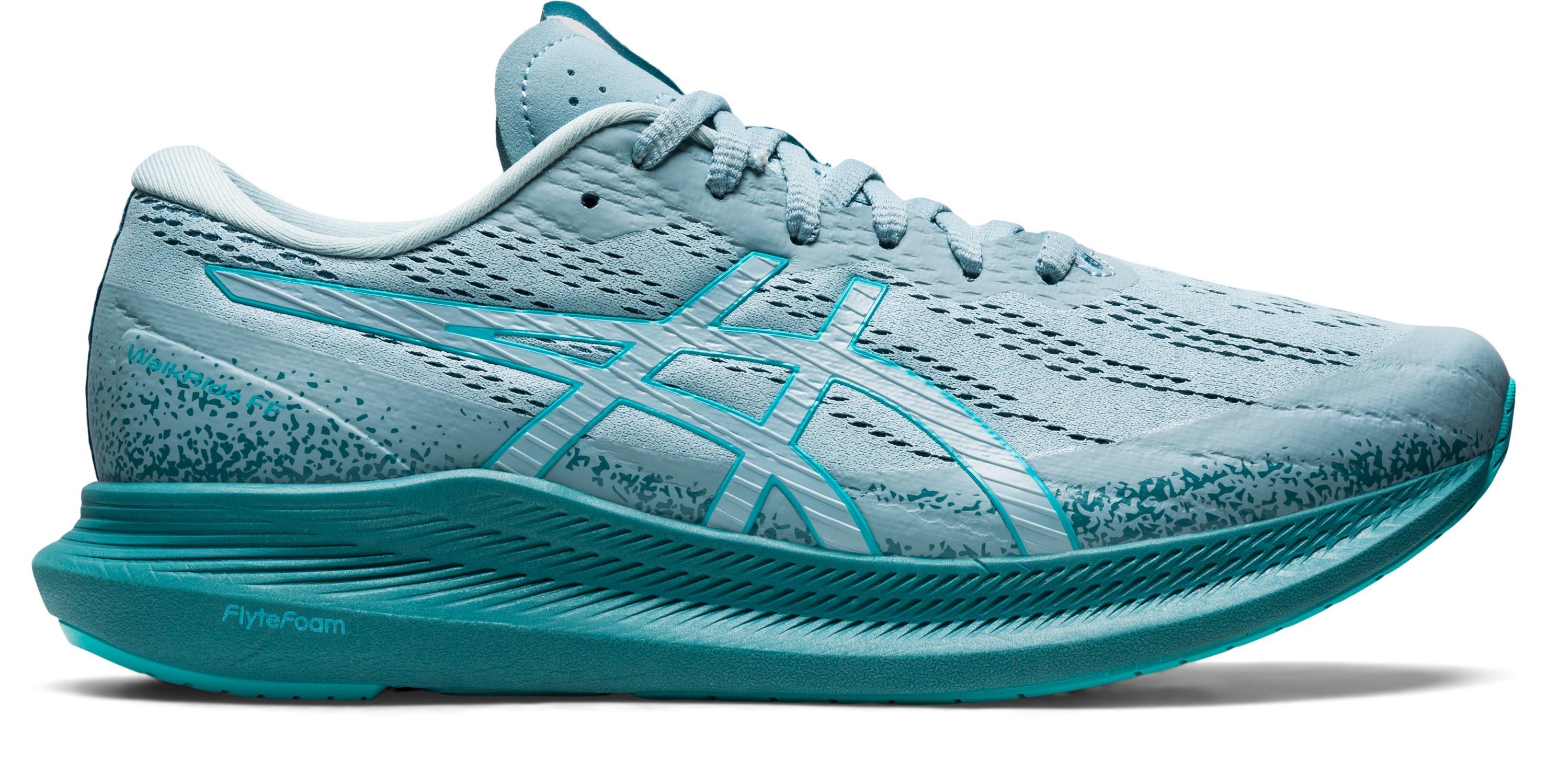
Translating theory into practice, several models consistently receive accolades from foot care professionals. It’s important to note that the “best” shoe is highly individual, but these categories and examples serve as an excellent starting point for your search. For the stability seeker, the Brooks Adrenaline GTS series is a perennial favorite. Its GuideRails support system focuses on aligning the knee rather than just the foot, a holistic approach praised by podiatrists for reducing joint strain. For those requiring maximum cushioning to combat heel pain, the HOKA Bondi series, with its meta-rocker geometry and marshmallow-soft midsole, is often prescribed. The ASICS Gel-Nimbus line, renowned for its FluidFit upper and Gel cushioning systems, offers a plush, adaptable fit for neutral walkers seeking luxury underfoot. New Balance, with its extensive range of widths, is the go-to for individuals who prioritize a precise fit above all else, a non-negotiable factor for diabetic foot care or swelling. Each of these models embodies the principles of podiatrist recommended walking shoes, blending advanced materials with biomechanically-informed design.
:max_bytes(150000):strip_icc()/shp-best-brooks-walking-shoes-tout-f67df3ab5afa4c08a24a63ae6dca3444.jpg)
Beyond the Shoe: The Synergy of Socks, Insoles, and Gait Analysis
Even the perfect shoe can be undermined by poor ancillary choices. A podiatrist’s recommendation often extends to the entire foot environment. Moisture-wicking socks, such as those made from merino wool or synthetic blends, are crucial for preventing blisters and fungal infections—a simple yet vital tip frequently found in patient handouts from university podiatry clinics. For some, the stock insole is insufficient. Custom orthotics or high-quality over-the-counter inserts from brands like Superfeet or Powerstep can provide the precise arch contour and heel cup needed to correct biomechanical flaws. Most importantly, a professional gait analysis, offered at many specialty running stores and podiatry clinics, can provide objective data on your stride, pressure points, and pronation pattern. This analysis removes the guesswork, allowing you to match your unique physiology to the shoe technology designed to support it. This holistic approach ensures your investment in podiatrist recommended walking shoes yields its full potential benefit.
Smart Investment: Where Professional Knowledge Meets Value
Acquiring this level of footwear does necessitate an investment, but it is one that pays dividends in pain prevention, enhanced energy, and avoided medical bills. The key is to shop smart. Consider the cost-per-wear: a $150 pair worn daily for a year for 10,000 steps costs mere pennies per mile of protected, comfortable travel. To make this investment more accessible, be strategic. Shop during major holiday sales, end-of-season clearances, or directly from manufacturer outlet sites. Many reputable retailers offer generous trial periods (30-90 days) during which you can truly test the shoes indoors. Subscribe to newsletters from brands like Brooks or REI for exclusive discount alerts. Remember, the most expensive shoe is not always the best for you; the goal is to find the shoe that correctly addresses your specific podiatric needs. By applying the professional knowledge of what to look for—a firm heel counter, appropriate arch support, a roomy toe box—you can confidently navigate sales and discounts, securing a pair of truly supportive podiatrist recommended walking shoes without overspending.
Your journey toward all-day comfort begins with acknowledging that your feet deserve expert-level care. By choosing footwear grounded in podiatric science, informed by a chorus of clinical and expert voices, and tailored to your individual gait, you are not just buying shoes—you are commissioning a daily tool for wellness. Let this understanding guide your next step out the door, in shoes that don’t just carry you, but actively care for you with every mile.
