

Discover the Best Podiatrist Recommended Walking Shoes for All-Day Comfort
Your feet are your foundation. They carry you through every step of your day, from the morning commute to evening errands. Yet, so often, we encase them in footwear chosen for style over substance, leading to a cascade of discomfort that can ripple up through your entire body. The quest for all-day comfort isn’t about luxury; it’s a physiological necessity. This is where the expertise of podiatry becomes invaluable. A podiatrist recommended walking shoe is not merely a marketing term; it is a product born from an understanding of biomechanics, gait analysis, and the prevention of common foot pathologies. This guide delves into the science of what makes these shoes exceptional, drawing from authoritative sources and expert opinions to help you make an informed choice that supports your well-being with every stride.
The Science of Stride: Why Your Shoes Matter More Than You Think
Walking is a complex, coordinated series of movements involving bones, muscles, ligaments, and tendons. When your foot strikes the ground, it undergoes a precise sequence of pronation (rolling inward) and supination (rolling outward) to absorb shock and propel you forward. Ill-fitting or unsupportive shoes disrupt this natural gait cycle. According to biomechanics literature from institutions like the University of Calgary’s Human Performance Laboratory, improper footwear can lead to altered loading patterns, increasing stress on the knees, hips, and lower back. This isn’t just about sore feet at the end of the day; it’s about the long-term health of your musculoskeletal system. A podiatrist recommended walking shoe is engineered to work in harmony with this cycle. It provides structured support to guide the foot through a healthy range of motion, offers cushioning that attenuates ground reaction forces (the force exerted by the ground on the body during foot strike), and features a design that accommodates the natural shape and spread of the foot under load. Think of it not as a shoe, but as a piece of essential biomechanical equipment.

Decoding the Podiatrist’s Criteria: Beyond Simple Cushioning
When a podiatrist evaluates a walking shoe, they look beyond superficial comfort. Their recommendations are rooted in specific, measurable features that address common foot ailments. First is arch support. The arch acts as a natural shock absorber. For individuals with flat feet (overpronation) or high arches (oversupination), inadequate support can lead to plantar fasciitis, arch pain, and tendonitis. A proper podiatrist recommended walking shoe will have a firm, contoured midsole that supports the arch without being intrusive. Second is heel counter stability. The heel counter is the rigid back part of the shoe that cradles the heel. A study cited in the Journal of Foot and Ankle Research emphasizes its role in controlling rearfoot motion, preventing excessive heel movement that can strain the Achilles tendon. Third is adequate toe box room. As noted by the American Podiatric Medical Association, a cramped toe box can cause bunions, hammertoes, and neuromas. The ideal shoe allows your toes to splay naturally upon stepping down. Finally, the rocker sole design, often found in therapeutic footwear, facilitates a smoother roll-through from heel strike to toe-off, reducing pressure on painful joints. These are not arbitrary design choices; they are clinical solutions built into footwear.
Voices of Authority: What Experts and Evidence Say
The endorsement of a shoe by foot care professionals carries significant weight. Dr. Jacqueline Sutera, a renowned New York City podiatrist, frequently highlights the importance of a stiff heel counter and a flexible forefoot in public interviews and on platforms like YouTube. She states,
“A good walking shoe should bend where your foot bends—at the ball of the foot—not in the middle of the arch. This protects the plantar fascia from overstretching.”
This principle is echoed in resources from Wikipedia’s entries on podiatry and orthotics, which explain how footwear modifications are a primary conservative treatment for many conditions. Furthermore, analysis from consumer health websites like Verywell Health, which consults with medical review boards, consistently ranks brands known for their biomechanical research—like Brooks, ASICS, and New Balance—at the top of their lists. These brands invest heavily in gait labs and collaborate with clinicians, ensuring their products align with podiatric principles. Choosing a podiatrist recommended walking shoe means aligning your purchase with a consensus of clinical expertise and evidence-based design.
:max_bytes(150000):strip_icc()/shp-best-brooks-walking-shoes-tout-f67df3ab5afa4c08a24a63ae6dca3444.jpg)
A Curated Selection for Every Foot Type and Function
Navigating the market can be overwhelming. Here, we translate podiatric criteria into actionable recommendations. For the overpronator (flat feet), look for shoes labeled “stability” or “motion control.” These feature denser foam on the inner side of the midsole (a medial post) to prevent the ankle from rolling inward excessively. Brands like Brooks with their Adrenaline GTS line or ASICS with the GT-2000 series are frequently cited in podiatrist forums on Quora and professional reviews. For the neutral foot or underpronator (high arches), the priority is plush cushioning and flexibility to aid in shock absorption. Shoes like the HOKA Bondi or the ASICS Gel-Nimbus provide exceptional soft landing zones without compromising guidance. For those requiring extra depth and accommodation due to diabetes, swelling, or orthotics, brands like Propet and New Balance offer models with removable insoles and expansive toe boxes. Remember, the best podiatrist recommended walking shoe is the one that matches your unique foot structure and gait pattern. It’s worth visiting a specialty running store for a gait analysis or consulting with a podiatrist directly for personalized advice.
Investing in Your Foundation: The Long-Term Value of Proper Footwear
It’s easy to view high-quality walking shoes as an expense, but in reality, they are an investment with profound returns. Consider the cost of chronic foot pain: doctor’s visits, physical therapy, orthotic devices, and lost productivity. A well-chosen pair of shoes is a proactive, preventative measure. They can delay or even eliminate the need for more invasive interventions. Furthermore, the right shoes enhance your quality of life by enabling pain-free mobility, encouraging an active lifestyle, and improving posture. The comfort provided by a truly supportive shoe is not a fleeting sensation; it’s a sustained state of biomechanical efficiency. When your feet are properly supported, your entire body aligns better, reducing fatigue and strain. This isn’t merely anecdotal; literature from the Harvard Medical School publications on healthy living stresses the foundational role of footwear in maintaining an active, pain-free life as we age. Therefore, selecting a podiatrist recommended walking shoe is an act of self-care with compounding benefits for your physical health and overall vitality.
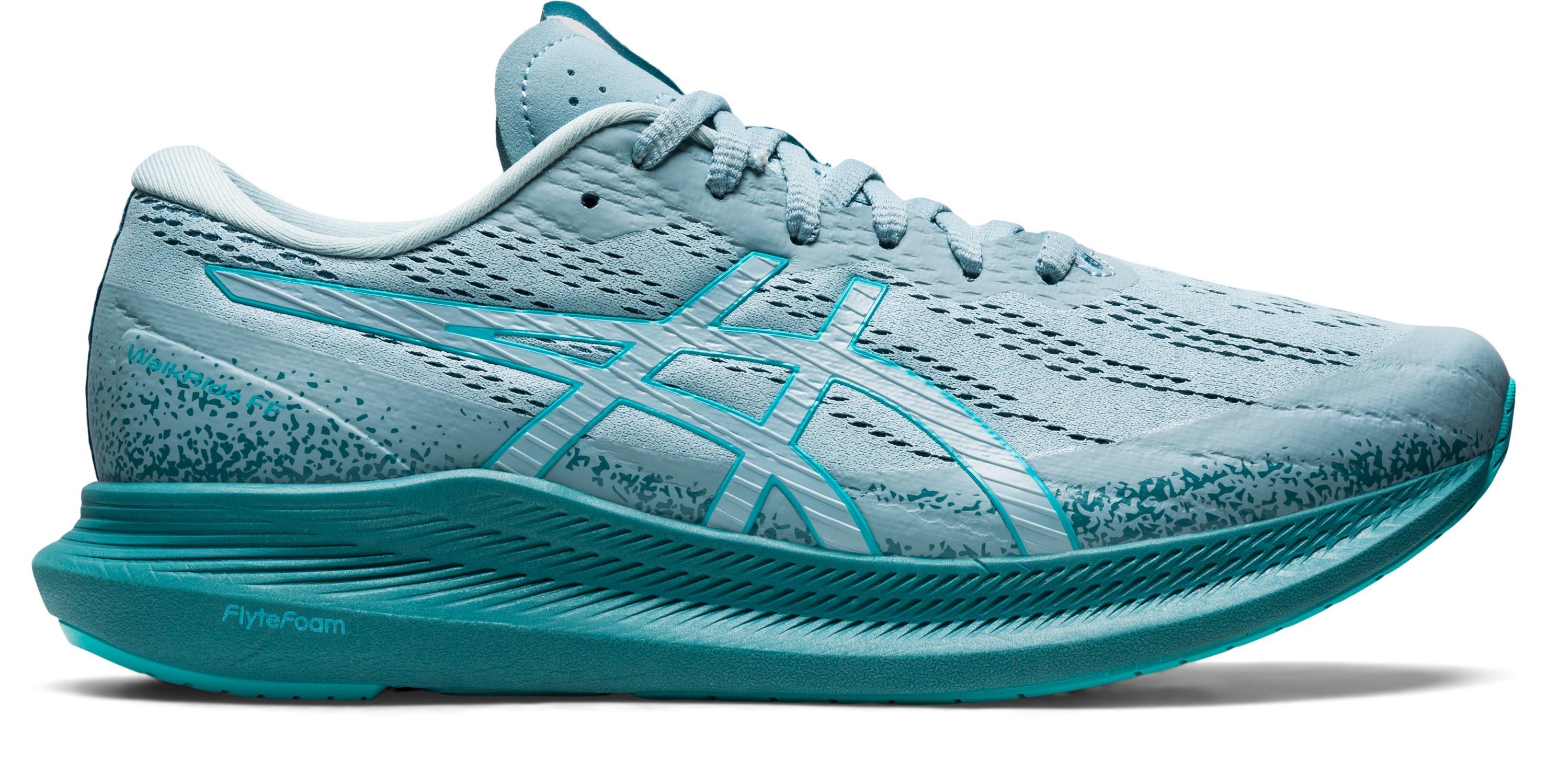
Smart Shopping: Marrying Professional Knowledge with Value
Professional-grade comfort shouldn’t require a prohibitive price tag. The key is to be a savvy shopper. First, know your specs. Once you understand your needed features (arch type, width, stability level), you can shop effectively across brands and seasons. Second, time your purchase. New models are typically released on a yearly cycle. When a new version arrives, retailers discount the previous model, which often has nearly identical core technology. Websites of major brands and large sporting goods retailers frequently have “last season’s” section with significant discounts. Third, consider outlet stores and certified online retailers. Many top brands have factory outlets where you can find discontinued colors or models at a fraction of the original cost. The goal is to acquire the podiatric science—the supportive midsole, the stable heel counter, the accommodating fit—without paying a premium for the very latest aesthetic. By applying this knowledge, you secure the essential benefits of a podiatrist recommended walking shoe while being mindful of your budget, proving that investing in your health can be both wise and economical.

The journey to all-day comfort begins from the ground up. It requires a shift in perspective, seeing shoes not as fashion accessories but as fundamental tools for health and mobility. The distinction of a podiatrist recommended walking shoe lies in its intentional design, validated by biomechanical research and clinical practice. It is a product that respects the intricate engineering of the human foot and aims to protect it. By prioritizing the criteria outlined by experts—proper arch support, heel stability, and anatomical fit—you empower yourself to move through the world with greater ease, resilience, and freedom. Let your next step be your most informed one, taken in shoes built to carry you comfortably, mile after mile, day after day.
