

The Ultimate Guide to Podiatrist-Approved Walking Shoes for All-Day Support
Your feet are your foundation, and the shoes you choose can either build up or break down your entire musculoskeletal system. We’re not just talking about comfort; we’re discussing long-term health. The right pair of podiatrist recommended walking shoes is not a luxury—it’s a necessity for anyone who spends significant time on their feet, whether you’re a healthcare professional, a teacher, a retail worker, or an avid urban explorer. This guide cuts through the marketing noise to deliver objective, science-backed criteria for selecting footwear that offers genuine all-day support. We’ll dissect the anatomy of the ideal shoe, explain why each feature matters from a biomechanical perspective, and bring you insights grounded in podiatric literature and expert testimony. Forget fleeting trends; here, we build your knowledge from the ground up.
:max_bytes(150000):strip_icc()/I-Asked-Podiatrists-for-Their-Fall-Shoe-Recommendations-These-Are-Their-Top-8-Picks-8fbdf9d65f3a4228ae63f6e5253dc08c.jpg)
The Biomechanical Blueprint: What Podiatrists Actually Look For
To understand why a podiatrist recommended walking shoe stands apart, we must first understand the foot’s complex mechanics. The human foot is a marvel of engineering, comprising 26 bones, 33 joints, and over 100 muscles, tendons, and ligaments. During a single step, forces up to 1.5 times your body weight travel through this structure. Poor footwear can disrupt the natural gait cycle, leading to a cascade of issues from plantar fasciitis and metatarsalgia to knee, hip, and back pain. Podiatrists, therefore, evaluate shoes based on specific, non-negotiable criteria. Arch support is paramount; it’s not about a high, rigid arch but about matching the contour of your foot to maintain the medial longitudinal arch, preventing overpronation or supination. As Dr. Jacqueline Sutera, a New York City-based podiatrist, often states in media interviews, “Shoes should bend at the ball of the foot, not in the middle. A shoe that twists easily offers no stability.” This principle is echoed in resources from authoritative institutions like the American Podiatric Medical Association (APMA), which grants its Seal of Acceptance to products that promote good foot health. The heel counter—the firm back of the shoe—must be rigid to lock the heel in place, preventing slippage that destabilizes the ankle. Furthermore, adequate toe box room is critical. A study published in the Journal of Foot and Ankle Research highlights that cramped toe boxes are a primary contributor to deformities like bunions and hammertoes. Therefore, the foundational elements of a podiatrist-approved shoe are not subjective preferences but objective requirements for physiological alignment.
Decoding Shoe Anatomy: Heel-to-Toe Technology
Let’s walk through a shoe from back to front, translating technical jargon into tangible benefits. Start with the outsole: the material making contact with the ground. A high-quality carbon rubber outsole offers superior durability and traction, a feature often highlighted in analyses from consumer testing organizations like Runner’s World. The midsole is the heart of cushioning and stability. Technologies like EVA (ethylene-vinyl acetate) foam, polyurethane, or proprietary gels (like ASICS’ GEL or Brooks’ DNA LOFT) are designed to absorb shock and return energy. However, cushioning must be balanced with stability. A medial post—a firmer density of foam on the inner side of the midsole—is a hallmark of many podiatrist recommended walking shoes designed for overpronators. The insole or sock liner is often removable, a key feature for those who require custom orthotics. The upper should be constructed from breathable, flexible materials like engineered mesh to prevent hot spots and blisters while accommodating natural foot swelling that occurs throughout the day. Finally, the lacing system should allow for a secure, customizable fit. This detailed anatomical understanding empowers you to look beyond brand names and assess a shoe’s true functional value, ensuring your investment supports every mile you walk.
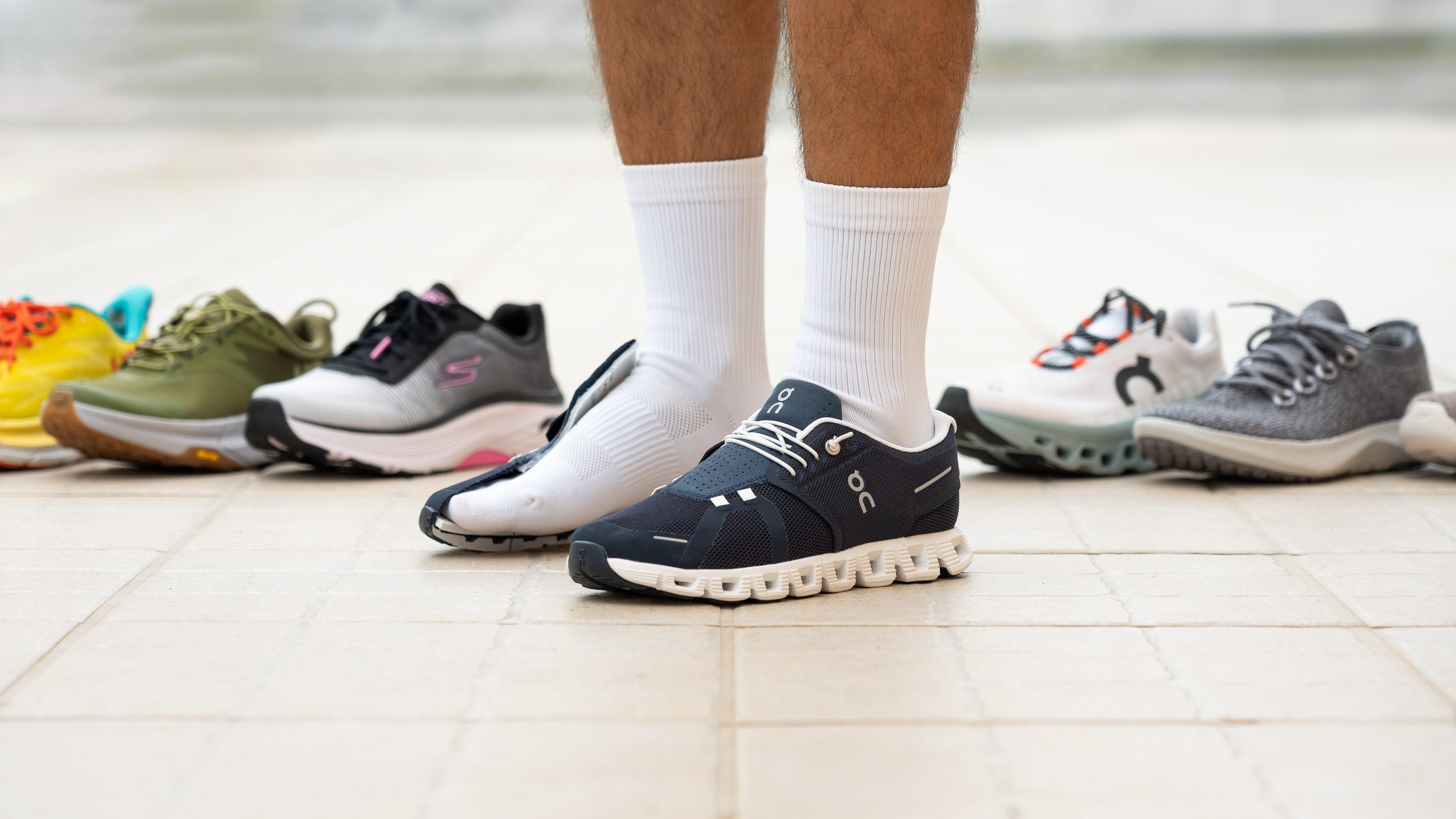
Beyond the Brand: Evidence-Based Selection Over Marketing Hype
In an era of influencer endorsements and sleek advertisements, it’s easy to be swayed by aesthetics over ergonomics. The core of our argument is that selection must be evidence-based. Consider the widespread acclaim for certain brands in podiatric circles. This reputation isn’t born from clever marketing but from consistent application of biomechanical research. For instance, literature from the Spaulding National Running Center, affiliated with Harvard Medical School, emphasizes the importance of minimizing “collisional forces” during walking. Shoes from brands frequently endorsed by podiatrists often incorporate rocker soles—a subtly curved sole that promotes a smooth heel-to-toe transition, reducing strain on the Achilles tendon and calf muscles. This design is frequently recommended for patients with plantar fasciitis or arthritis. Furthermore, the concept of “foot type” matching is crucial. A neutral foot requires a different shoe than a flat (overpronated) or high-arched (supinated) foot. Online resources from university sports medicine programs, such as the University of California, San Francisco’s orthopedics department, provide detailed guides on self-assessment. The most reliable podiatrist recommended walking shoes are those that cater to these specific biomechanical profiles, not one-size-fits-all solutions. This scientific approach demystifies the selection process, turning it from a confusing chore into an informed decision based on the immutable laws of physics and physiology.
The Price of Support: Investing in Long-Term Health
It’s a common dilemma: the shoes that promise the best support often carry a higher price tag. However, viewing this as merely a consumer purchase is a mistake; it’s an investment in preventative healthcare. Think of it this way: a single visit to a podiatrist for a routine issue can cost significantly more than a premium pair of shoes. Chronic pain from poor footwear can lead to missed work, reduced activity, and a lower quality of life—costs that are immeasurable. The materials and technology in high-quality walking shoes—like advanced foams that don’t break down quickly, durable rubber compounds, and sophisticated stability features—justify the cost through longevity and performance. The good news is that value exists at various price points. Many reputable brands offer previous-season models with the same core technologies at discounted prices. Furthermore, specialty running and walking stores often have knowledgeable staff who can perform gait analyses, ensuring you get the right shoe the first time, preventing costly trial-and-error purchases. By prioritizing fit and function, you’re not just buying a product; you’re purchasing miles of comfort, stability, and peace of mind, making a podiatrist recommended walking shoe one of the most cost-effective health investments you can make.
:max_bytes(150000):strip_icc()/shp-best-brooks-walking-shoes-tout-f67df3ab5afa4c08a24a63ae6dca3444.jpg)
Your Personal Fitting Protocol: A Step-by-Step Guide
Knowledge is useless without application. Here is your actionable protocol for finding the perfect pair. First, shop in the afternoon or evening, as feet naturally swell throughout the day. Always wear the socks you intend to walk in. When you try the shoe on, stand up and ensure there’s a thumb’s width (about ½ inch) of space between your longest toe and the end of the shoe. The width should feel secure but not constricting; you should be able to wiggle all your toes freely. Perform the “flex test”: hold the heel and try to bend the shoe. It should bend cleanly at the ball of the foot, not in the arch. Check the heel counter by pressing on it; it should not collapse easily. Then, take a serious walk around the store—not just a few steps. Pay attention to any pinching, slipping, or pressure points. Don’t be seduced by a “cushiony” feel that lacks substance; excessive softness can lack support. Remember, the most comfortable shoe in the short term is not always the most supportive for the long haul. This meticulous process is your best defense against purchasing a shoe that looks good on the shelf but fails on the pavement. It transforms the abstract concept of a podiatrist recommended walking shoe into a tangible, personal reality.
:max_bytes(150000):strip_icc()/podiatrist-recommended-walking-shoes-e1b90077185d4e6cadbf6327c4d17db7.jpg)
Sustaining Your Foundation: Care and Replacement Cycles
Acquiring the right shoe is only half the journey; maintaining its integrity is the other. Even the best-engineered podiatrist recommended walking shoes have a finite lifespan. The cushioning and support materials in the midsole compress and break down over time, long before the outsole shows significant wear. The general consensus among podiatrists and sports medicine professionals, frequently cited on platforms like Quora and in health magazines, is to replace walking shoes every 300 to 500 miles. For a daily walker covering 3 miles a day, that’s roughly every 3 to 6 months. Rotating between two pairs allows the foam in each pair to fully decompress between uses, extending their functional life. Proper care is also essential. Avoid machine washing and drying, as extreme heat and agitation can break down glues and deform materials. Instead, clean uppers with a mild soap and a soft brush, and air dry them away from direct heat. Inserting a shoe tree or crumpled paper can help them maintain their shape. By adhering to these care and replacement guidelines, you ensure that the biomechanical benefits you paid for remain active, protecting your investment and, more importantly, your feet.
Your journey to pain-free, supported walking begins with a single, informed step. It requires moving beyond color and logo to scrutinize heel counters, midsole density, and toe box geometry. By embracing the biomechanical principles that define podiatrist recommended walking shoes, you equip yourself with the tools to make choices that honor the intricate design of your feet. This isn’t about following a fleeting trend; it’s about aligning your daily habits with the scientific realities of human movement. When your foundation is solid, every step you take is a step toward sustained vitality and comfort, from your first morning stride to your last step of the day.
