

Discover the Top Podiatrist Recommended Walking Shoes for Ultimate Comfort and Support
In a world where every step counts, the foundation of our daily movement—our footwear—demands more attention than it often receives. The quest for the perfect walking shoe isn’t merely about style or trend; it’s a fundamental investment in musculoskeletal health, posture, and long-term mobility. For those navigating the complexities of foot anatomy, plantar pressures, and gait cycles, generic sneakers simply won’t suffice. This is where the expertise of podiatry becomes invaluable. Podiatrist recommended walking shoes are engineered based on clinical insights, biomechanical research, and a deep understanding of common podiatric conditions. They are not just products; they are prescriptions for a pain-free stride. This article delves into the science, selection criteria, and standout models that define this category, blending objective evidence with practical guidance to help you make an informed choice.
The Science Behind Podiatric Recommendations: Why Your Feet Deserve Expert Care
Podiatry, as defined by authoritative sources like Wikipedia, is a branch of medicine devoted to the study, diagnosis, and treatment of disorders of the foot, ankle, and lower extremity. The foot is a complex structure comprising 26 bones, 33 joints, and over 100 muscles, tendons, and ligaments. When this intricate system is improperly supported, issues such as plantar fasciitis, metatarsalgia, bunions, and overpronation can arise. Dr. Andrew Shapiro, a spokesperson for the American Podiatric Medical Association (APMA), often emphasizes that “footwear is the first line of defense against many common ailments.” This perspective is echoed in literature from institutions like the University of Pittsburgh School of Health and Rehabilitation Sciences, which highlights how shoes influence kinetic chains from the ground up. Podiatrist recommended walking shoes are designed to address these biomechanical realities. They typically feature specific elements: contoured arch support to distribute weight evenly, deep heel cups to stabilize the calcaneus, rocker soles to facilitate a natural gait roll-off, and materials that reduce shear forces. Unlike fashion-centric brands, these shoes undergo rigorous evaluation, sometimes earning the APMA Seal of Acceptance, a mark of scientific validation. The goal is not just cushioning but controlled motion—a principle supported by research published in the Journal of Foot and Ankle Research.
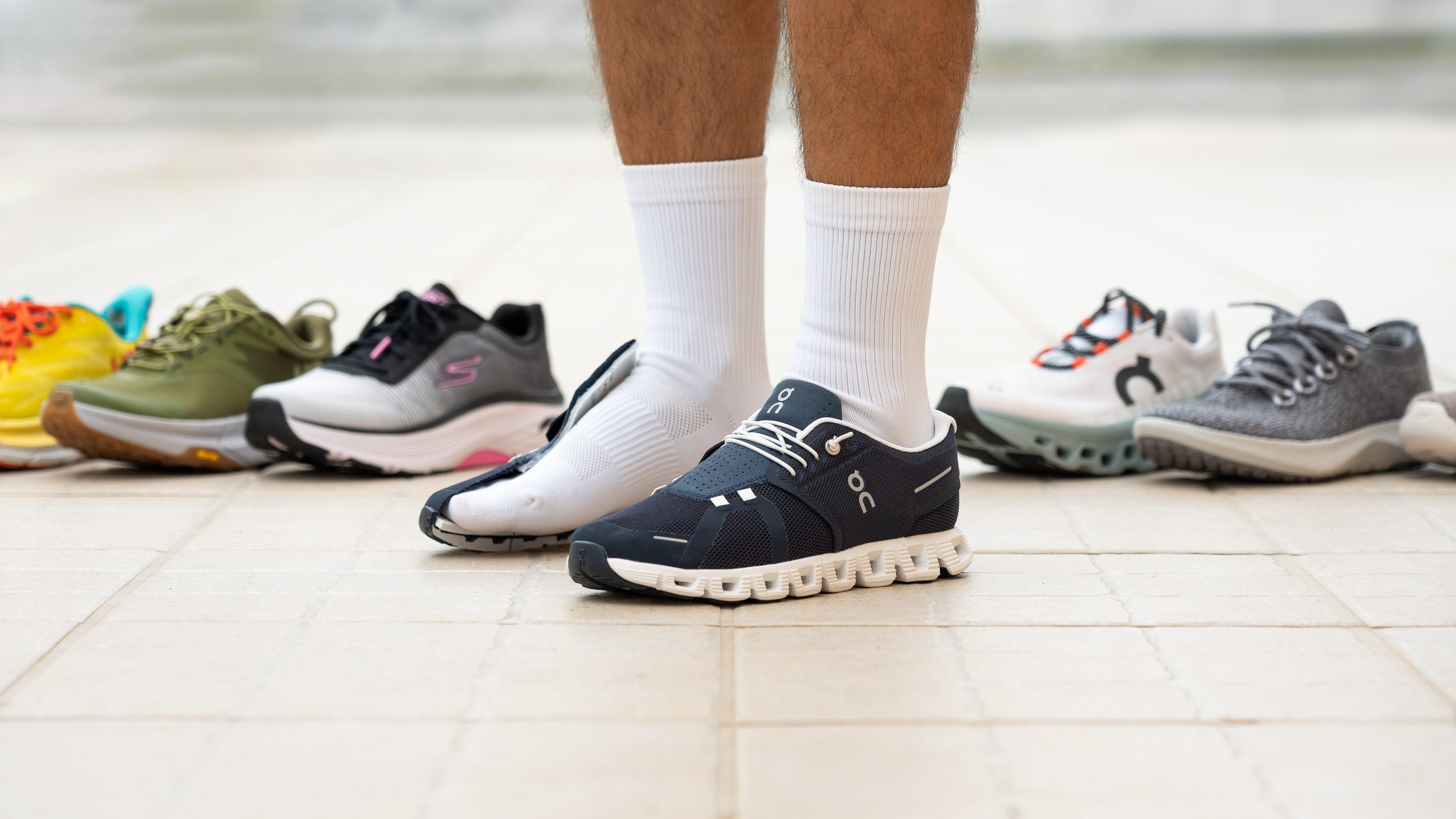
Key Features to Look for in a Podiatrist-Approved Walking Shoe
Navigating the market for walking shoes can be overwhelming, but focusing on a few critical, scientifically-backed features can simplify the process. First, consider arch support. The arch acts as a natural shock absorber; inadequate support can lead to strain. According to Dr. Jacqueline Sutera, a New York-based podiatrist frequently cited in health media, “Shoes with customizable or firm arch support are essential for those with flat feet or high arches.” Second, examine the heel counter. A rigid, molded heel cup prevents excessive rearfoot motion, a factor linked to Achilles tendonitis. Third, assess midsole technology. Materials like EVA (ethylene-vinyl acetate) foam or polyurethane offer durability and cushioning, but advanced compounds like Brooks’ DNA LOFT or ASICS’ GEL provide targeted shock attenuation. Fourth, evaluate toe box geometry. A spacious, rounded toe box allows natural toe splay, reducing the risk of neuromas and hallux valgus. Finally, consider weight and flexibility. A study referenced in Podiatry Today notes that lighter shoes reduce energy expenditure during walking, while strategic flex grooves promote natural foot flexion. These features collectively define podiatrist recommended walking shoes, transforming them from mere accessories to therapeutic tools.
Top Contenders: A Closer Look at Industry Leaders
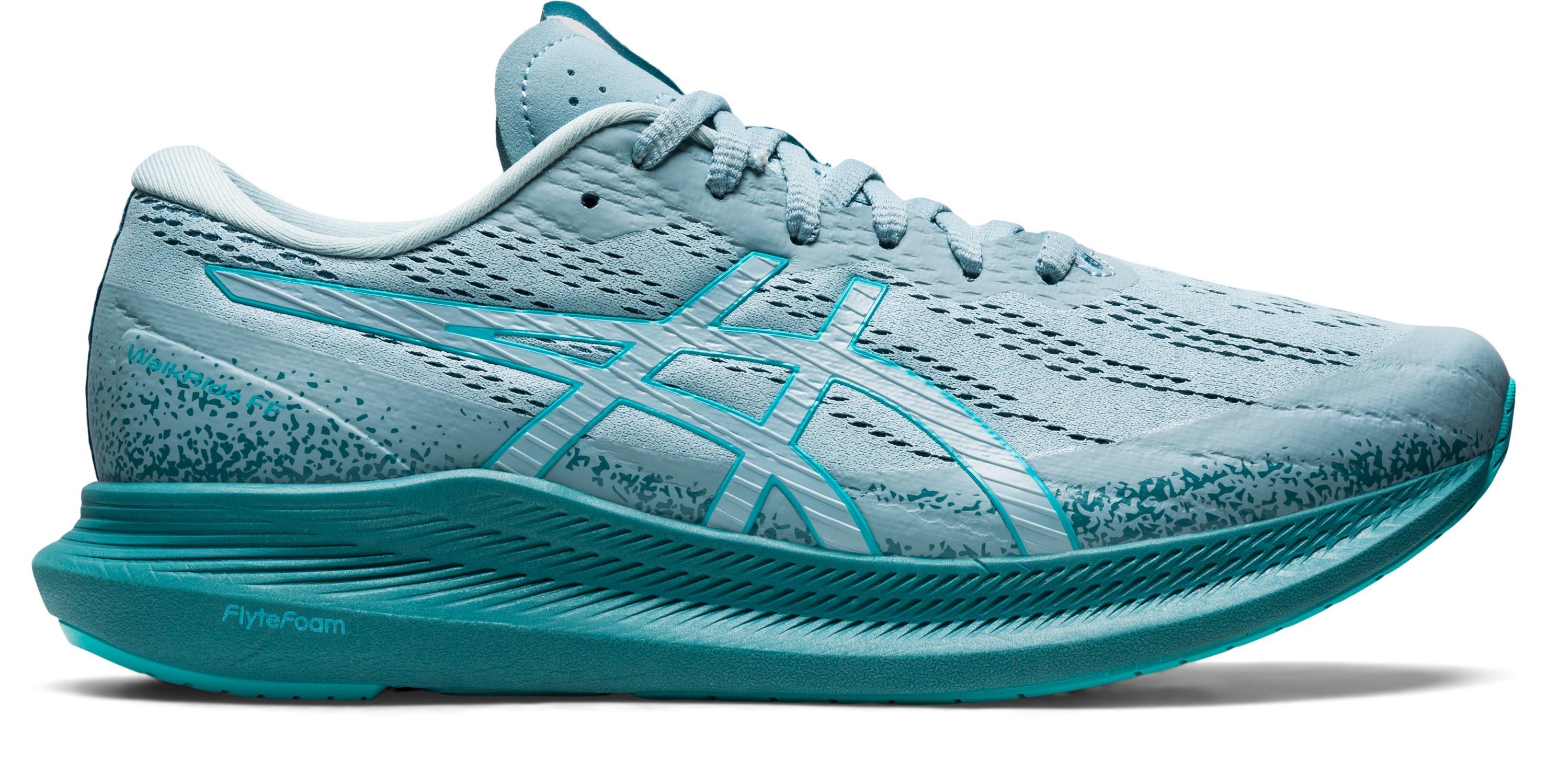
Several brands consistently earn accolades from foot care professionals for their commitment to biomechanical integrity. Brooks, for instance, is renowned for its holistic approach to gait analysis. Their Adrenaline GTS series, often highlighted in runner’s forums and by YouTube certified experts like “The Run Experience,” incorporates GuideRails technology that focuses on knee alignment—a testament to how podiatrist recommended walking shoes consider the entire lower limb. Another standout is ASICS, whose GEL cushioning system, developed through material science research, is celebrated for dissipating vertical impact forces. The ASICS GT-2000 model, frequently mentioned in Quora discussions on overpronation, offers dynamic support without rigidity. New Balance, with its extensive width sizing, addresses a often-overlooked aspect of fit, crucial for diabetic foot care as noted by the American Diabetes Association. HOKA ONE ONE, though initially popular among ultra-runners, has gained podiatric endorsement for its maximalist cushioning, beneficial for arthritis sufferers. As Dr. Brad Schaeffer, a podiatrist featured on The Dr. Oz Show, remarked in an interview: “The right shoe can be as impactful as orthotics for many patients. Brands that prioritize biomechanics over fleeting trends are the ones we trust.” These brands represent a fusion of innovation and clinical insight.
Beyond the Brand: How to Personalize Your Selection
While brand reputation is a useful guide, individual foot morphology and gait patterns necessitate a personalized approach. The first step is understanding your foot type. The classic “wet test”—observing the imprint of your wet foot on a dry surface—can reveal whether you have a neutral arch, low arch (flat foot), or high arch. This simple method, documented in resources from the University of Washington’s Department of Orthopedics, informs the level of support needed. Second, consider your walking environment. Urban pavement walkers may benefit from harder-wearing outsoles with ample cushioning, while treadmill users might prioritize breathability. Third, factor in any pre-existing conditions. For plantar fasciitis, shoes with a pronounced rocker sole and firm heel counter are often recommended, as noted in treatment guidelines from the American College of Foot and Ankle Surgeons. For bunions, stretchable uppers and wide toe boxes are non-negotiable. It’s also wise to shop later in the day when feet are naturally slightly swollen, ensuring a fit that accommodates daily expansion. Remember, the most advanced podiatrist recommended walking shoes will fail if they don’t match your unique biomechanical blueprint. Consulting a podiatrist for a gait analysis remains the gold standard for personalized recommendation.
Debunking Myths: Price, Style, and the “Break-In” Period
A common misconception is that expensive shoes are inherently better. While quality materials and research justify higher price points, value lies in specific features, not price tags. Some affordable models from brands like Saucony or Skechers Performance line have also received podiatric praise for incorporating stability technologies. Another myth revolves around style versus function. Today’s leading podiatrist recommended walking shoes blend aesthetics with ergonomics, proving that orthopedic shoes no longer need to look clinical. The rise of “athleisure” has driven brands to offer versatile designs suitable for both walking and casual wear. Perhaps the most dangerous myth is the “break-in” period. As emphasized by the APMA, properly fitted walking shoes should feel comfortable immediately. Any significant discomfort, pinching, or rubbing is a red flag, potentially indicating an improper fit that could exacerbate problems. This viewpoint is reinforced by consumer advocacy articles on platforms like Wirecutter and Runner’s World, which stress initial comfort as a paramount criterion. Investing time in research and fitting is far more productive than enduring a painful break-in that may never resolve.
:max_bytes(150000):strip_icc()/podiatrist-recommended-walking-shoes-e1b90077185d4e6cadbf6327c4d17db7.jpg)
Investing in Your Stride: Where Knowledge Meets Value
Armed with this knowledge, the final step is a savvy acquisition. Many reputable retailers offer detailed filtering options for features like arch support and foot width. Online platforms often provide video reviews from podiatrists or physical therapists, adding a layer of professional verification. To bring professional knowledge directly to your doorstep, keep an eye on seasonal sales from official brand websites and authorized dealers. For instance, previous model-year colors of top-tier podiatrist recommended walking shoes are frequently discounted without compromising technological integrity. Subscribing to newsletters from specialty running or walking stores can alert you to flash sales. Remember, investing in such shoes is a proactive measure for health. As the ancient proverb, often cited in wellness literature, reminds us: “The journey of a thousand miles begins with a single step.” Ensuring that step is well-supported is the essence of self-care. By choosing footwear grounded in podiatric science, you’re not just buying a product; you’re championing a philosophy of movement that honors the complexity and resilience of the human body.
:max_bytes(150000):strip_icc()/tal-roundup-podiatrist-loved-shoes-on-sale-tout-bdbf5721fa5642efa38b61f6a5b4ff34.jpg)
Your feet are the pillars of your mobility, and their care should be informed by expertise, not guesswork. The distinction offered by podiatrist recommended walking shoes lies in their evidence-based design, addressing the root causes of discomfort rather than just masking symptoms. From the laboratory to the clinic, these shoes represent a convergence of medical insight and material innovation. Whether you’re managing a specific condition or simply pursuing lifelong comfort, prioritizing this category is a decisive step toward sustainable well-being. Let your next pair be a testament to informed choice—a foundation that supports every adventure, every day.
