

Discover the Top Podiatrist Recommended Walking Shoes for Ultimate Comfort and Support
Your feet are the foundation of your movement, and the shoes you choose can either be a source of daily relief or a catalyst for long-term discomfort. The quest for the perfect walking shoe is not merely about fashion or brand loyalty; it is a critical decision impacting your biomechanics, joint health, and overall well-being. This guide cuts through the marketing noise to focus on the core principles that define a truly supportive walking shoe, drawing from the expertise of foot health professionals. We will explore the anatomical and scientific rationale behind podiatrist recommended walking shoes, providing you with the knowledge to make an informed choice that brings professional-grade support and comfort into your daily life, often at surprisingly accessible price points.
The Science of Stride: Why Your Feet Demand Expert-Approved Footwear
Walking is a complex series of biomechanical events—heel strike, foot flattening (pronation), and toe-off. Each phase places unique stresses on the bones, ligaments, and muscles of your feet and lower limbs. According to biomechanics literature from institutions like the University of Calgary’s Human Performance Laboratory, improper footwear can disrupt this natural gait cycle, leading to compensatory movements that strain the ankles, knees, hips, and even the lower back. A podiatrist recommended walking shoe is engineered to support this cycle. It provides structured cushioning to absorb the shock of heel strike, which can be up to 1.5 times your body weight. It offers medial (arch) support to guide the foot through a controlled, neutral pronation, preventing the excessive inward roll (overpronation) or outward roll (supination) that are common culprits of plantar fasciitis and shin splints. Furthermore, a rigid heel counter stabilizes the rearfoot, while a sufficiently flexible forefoot allows for an efficient push-off. This isn’t just about comfort; it’s about creating a stable mechanical environment for one of your body’s most fundamental activities.

Decoding the Podiatrist’s Checklist: Non-Negotiable Features
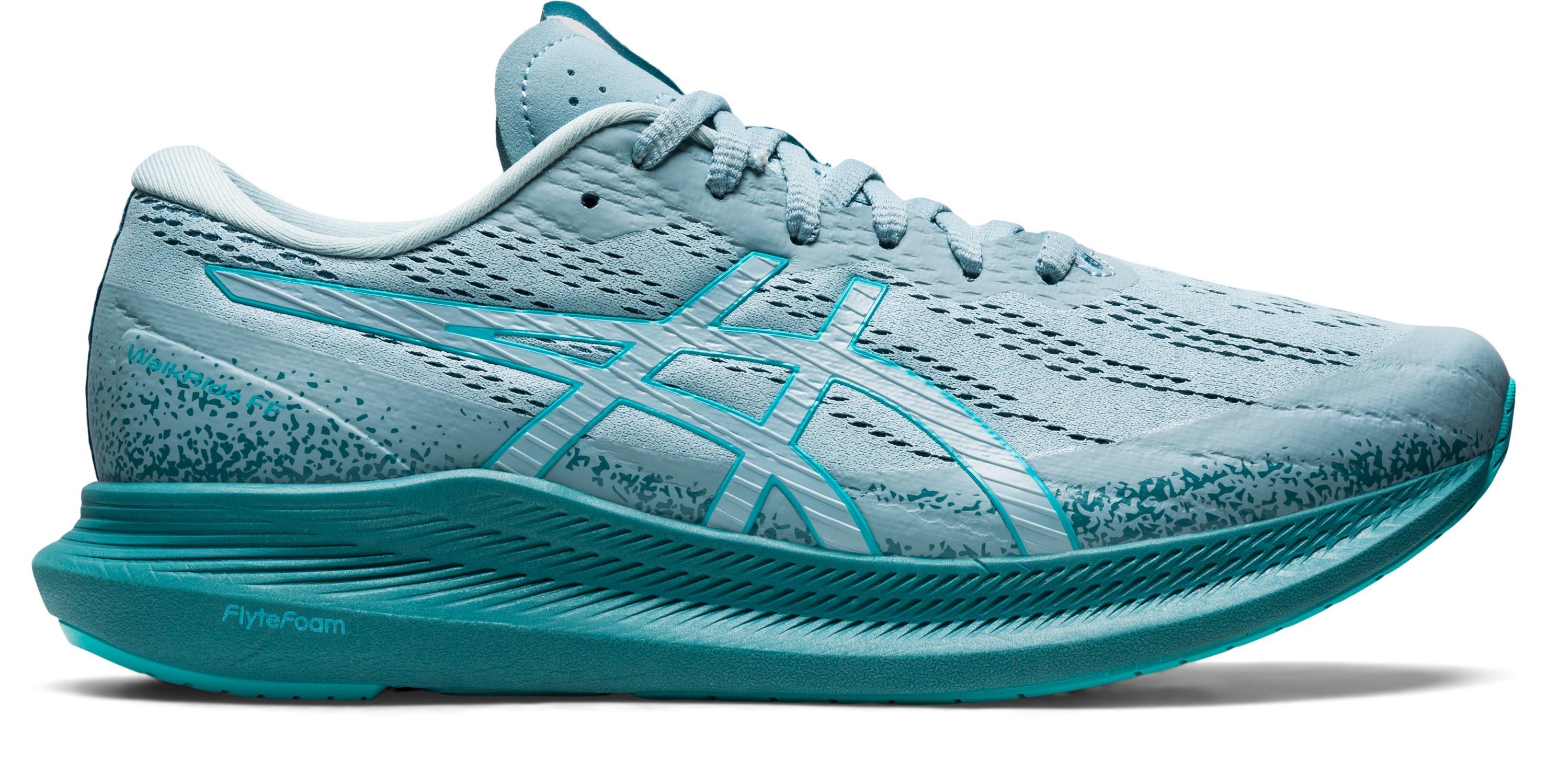
When podiatrists evaluate a walking shoe, they look beyond aesthetics to specific structural elements. First is arch support. As noted on platforms like Quora where medical professionals contribute, true arch support is not a generic foam bump; it is a firm, contoured structure that matches the height and length of your individual arch to distribute weight evenly across the plantar fascia. Second is heel-to-toe drop. This measurement, the difference in height between the heel and forefoot, influences Achilles tendon tension and calf muscle engagement. A moderate drop (typically 6-10mm) is often recommended for walkers to facilitate a natural gait. Third is toe box geometry. A spacious, foot-shaped toe box allows your toes to splay naturally upon weight-bearing, enhancing stability and preventing issues like bunions and neuromas. As Dr. Jacqueline Sutera, a New York-based podiatrist, has stated in various media interviews, “A shoe should fit the shape of your foot, not force your foot to fit the shape of the shoe.” Finally, the midsole material is critical. Advanced compounds like Brooks’ DNA LOFT or ASICS’ FlyteFoam provide durable, responsive cushioning that doesn’t break down prematurely, ensuring the shoe remains a podiatrist recommended walking shoe for its entire lifespan, not just the first 100 miles.
:max_bytes(150000):strip_icc()/shp-best-brooks-walking-shoes-tout-f67df3ab5afa4c08a24a63ae6dca3444.jpg)
Beyond the Basics: Technological Innovations in Modern Walking Shoes
The evolution of walking shoes has been propelled by material science and data-driven design. Brands endorsed by foot care specialists now integrate technologies that address specific physiological needs. For instance, rockered soles, a feature prominent in brands like HOKA, are designed to create a smooth rolling motion from heel to toe, reducing the energy required for each step and minimizing strain on the calf and Achilles. This concept is supported by gait analysis studies from sports medicine clinics. Another innovation is the use of dual-density midsoles. A firmer, often darker-colored foam is placed along the inner edge of the midsole to act as a post, providing targeted reinforcement for those who need pronation control. Furthermore, breathable, engineered uppers made from seamless mesh or knit materials reduce friction points and hotspots, a common concern for diabetic patients or those with sensitive skin, as highlighted in podiatric care guidelines. These are not gimmicks; they are direct applications of podiatric principles to shoe design, making today’s top-tier options genuinely podiatrist recommended walking shoes that actively contribute to foot health.
Matching Your Gait: The Personal Equation of Perfect Fit
Understanding your own foot type and walking pattern is the most critical step before purchasing. The widely referenced “wet test”—observing the shape of your wet footprint on a dry surface—can give a basic indication of whether you have a high, neutral, or low arch. However, for a definitive analysis, many podiatrists advocate for a professional gait assessment, often available at specialty running stores. This assessment observes your dynamic movement, identifying nuances that static tests miss. Are you a heavy heel striker? Do your ankles collapse inward? The answers dictate your shoe needs. A neutral arch with a efficient gait may thrive in a cushioned, neutral shoe like many from the ASICS Nimbus line. An individual with overpronation and flat feet will likely require a stability or motion control shoe with pronounced medial support, such as certain Brooks Adrenaline GTS models. Remember, the most expensive podiatrist recommended walking shoe is ineffective if it contradicts your biomechanical reality. This personalized approach is the bridge between generic advice and a shoe that feels like a natural extension of your body.
Investing in Wellness: The Long-Term Value of Quality Footwear
It is a common misconception that high-quality, professionally endorsed footwear must command a prohibitive price. While the initial investment in a pair of top-tier podiatrist recommended walking shoes is often higher than that of discount department store alternatives, the long-term value proposition is undeniable. Consider the cost-benefit analysis: A $150 shoe that provides proper support for 500 miles costs $0.30 per mile. A $60 shoe that causes discomfort, breaks down after 200 miles, and potentially leads to a $200 podiatrist visit for plantar fasciitis treatment has a much higher true cost—both financial and physical. Moreover, the market offers numerous avenues for value. Last season’s colorways, online outlet stores, and holiday sales frequently offer the same core technologies and construction at discounts of 30-50%. The key is to prioritize the structural features—the arch support, the heel counter, the appropriate midsole—over superficial aesthetics. By viewing your walking shoes as essential medical equipment for an active life, the investment transforms from a discretionary purchase into a non-negotiable component of preventative health care.
Your journey toward pain-free, energized walking begins with a single, informed step. The distinction of a podiatrist recommended walking shoe lies in its deliberate alignment with the intricate mechanics of the human foot, offering not just a covering but a foundation for health. By prioritizing scientific design over fleeting trends and understanding the unique language of your own gait, you unlock a world of sustained comfort and support. Let this knowledge guide you to a pair that doesn’t just fit your feet, but actively works with them, mile after mile, transforming your daily walk from a mundane task into a source of vitality and joy.
