

Discover the Best Podiatrist Recommended Walking Shoes for All-Day Comfort
Your feet are your foundation, and the shoes you choose can either support a life of movement or lead to a cascade of discomfort. For anyone who spends significant time on their feet—whether navigating a busy workday, exploring new cities, or simply enjoying a daily wellness walk—the quest for the perfect shoe is paramount. This isn’t about fleeting fashion trends; it’s about biomechanical science, long-term health, and genuine, all-day comfort. The gold standard in this pursuit is a pair of podiatrist recommended walking shoes. These are not merely marketing labels; they are footwear engineered and endorsed by foot health specialists—podiatrists—who understand the intricate interplay of bones, muscles, and ligaments with every step you take. This guide delves into the objective science behind what makes these shoes exceptional, drawing from authoritative sources and expert insights, to empower you with the knowledge to make an informed investment in your foot health and overall well-being.
The Science of the Step: Why Podiatrist Endorsement Matters
To understand the value of a podiatrist recommended walking shoe, one must first appreciate the complexity of the human foot. It is a marvel of engineering, comprising 26 bones, 33 joints, and over 100 muscles, tendons, and ligaments. According to biomechanics literature from institutions like the University of Washington’s Department of Orthopaedics and Sports Medicine, the foot must perform two seemingly contradictory functions: it must be a flexible adapter to uneven terrain at heel strike and a rigid lever to propel the body forward at toe-off. A shoe that disrupts this natural gait cycle can lead to issues far beyond foot pain, including knee, hip, and lower back problems. Podiatrists, as doctors of podiatric medicine (DPM), are trained to diagnose and treat conditions of the foot, ankle, and related structures of the leg. Their recommendations are based on clinical evidence and an understanding of pathology. For instance, Dr. Jacqueline Sutera, a prominent New York City podiatrist, often emphasizes in media interviews that a good walking shoe must provide stability, cushioning, and adequate room in the toe box to prevent conditions like bunions and neuromas. Therefore, a shoe bearing such a recommendation has been vetted for its ability to support the foot’s natural biomechanics, distribute pressure evenly, and mitigate the impact forces that travel up the kinetic chain with each step.
Arch Support: The Non-Negotiable Foundation
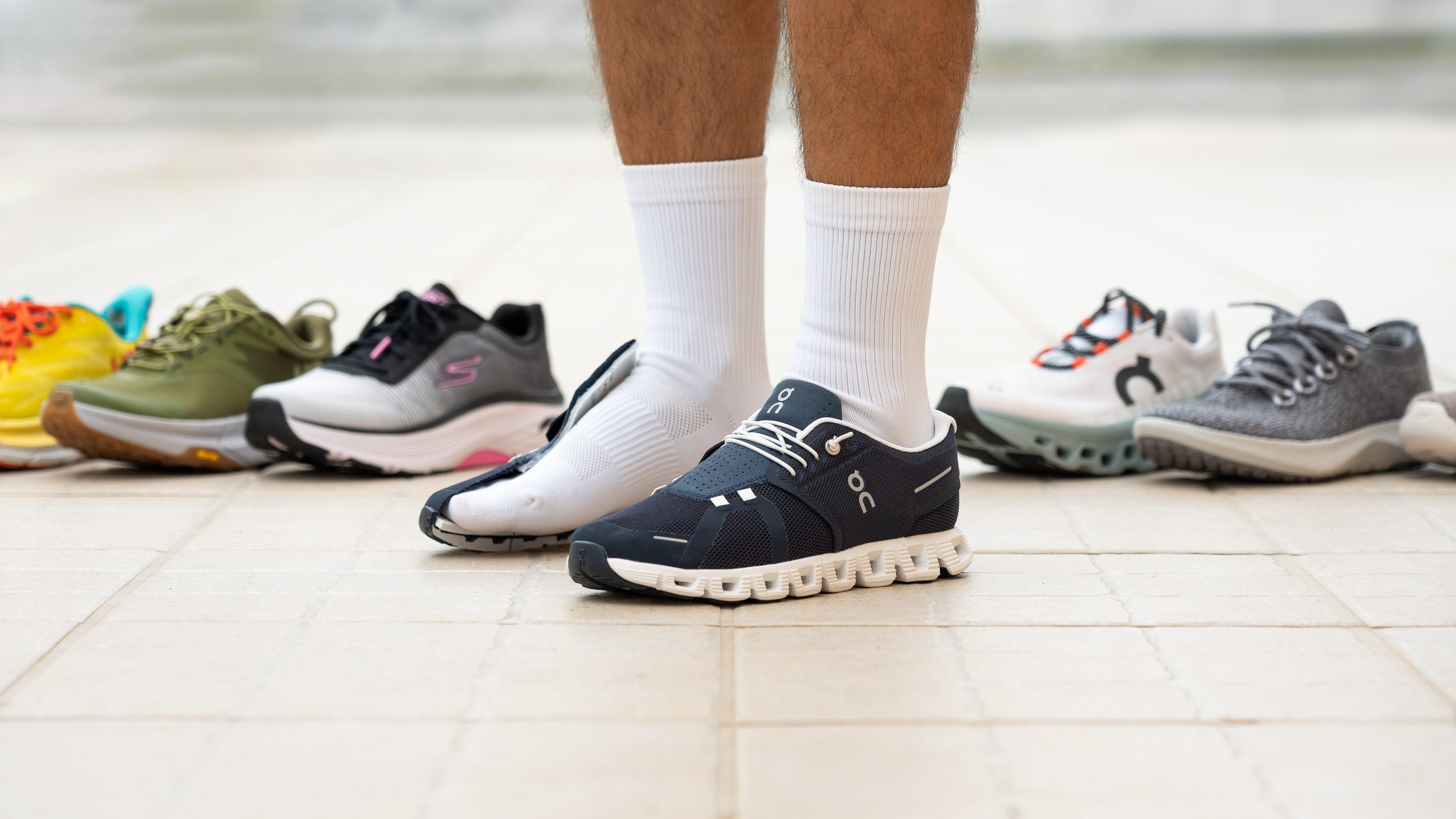
Perhaps the most critical feature scrutinized by podiatrists is arch support. The arch of your foot acts as a natural shock absorber. Wikipedia’s entry on the “Arches of the Foot” details the medial longitudinal, lateral longitudinal, and transverse arches, explaining their role in weight distribution and propulsion. When a shoe lacks proper arch support, especially for those with flat feet (pes planus) or high arches (pes cavus), the plantar fascia—a thick band of tissue connecting the heel to the toes—can become overstressed, leading to plantar fasciitis, a common and painful inflammatory condition. A podiatrist recommended walking shoe will often feature a well-contoured, firm midsole that matches the arch’s curvature. This isn’t about a soft, generic bump; it’s about structured support that maintains the arch’s integrity throughout the gait cycle. Brands frequently collaborate with podiatrists to design this element, using pressure-mapping technology to ensure the support is placed precisely where it is needed to prevent the foot from overpronating (rolling inward excessively) or supinating (rolling outward). This level of detailed engineering is what separates a medically-informed shoe from a generic comfortable sneaker.
Cushioning vs. Stability: Striking the Perfect Balance
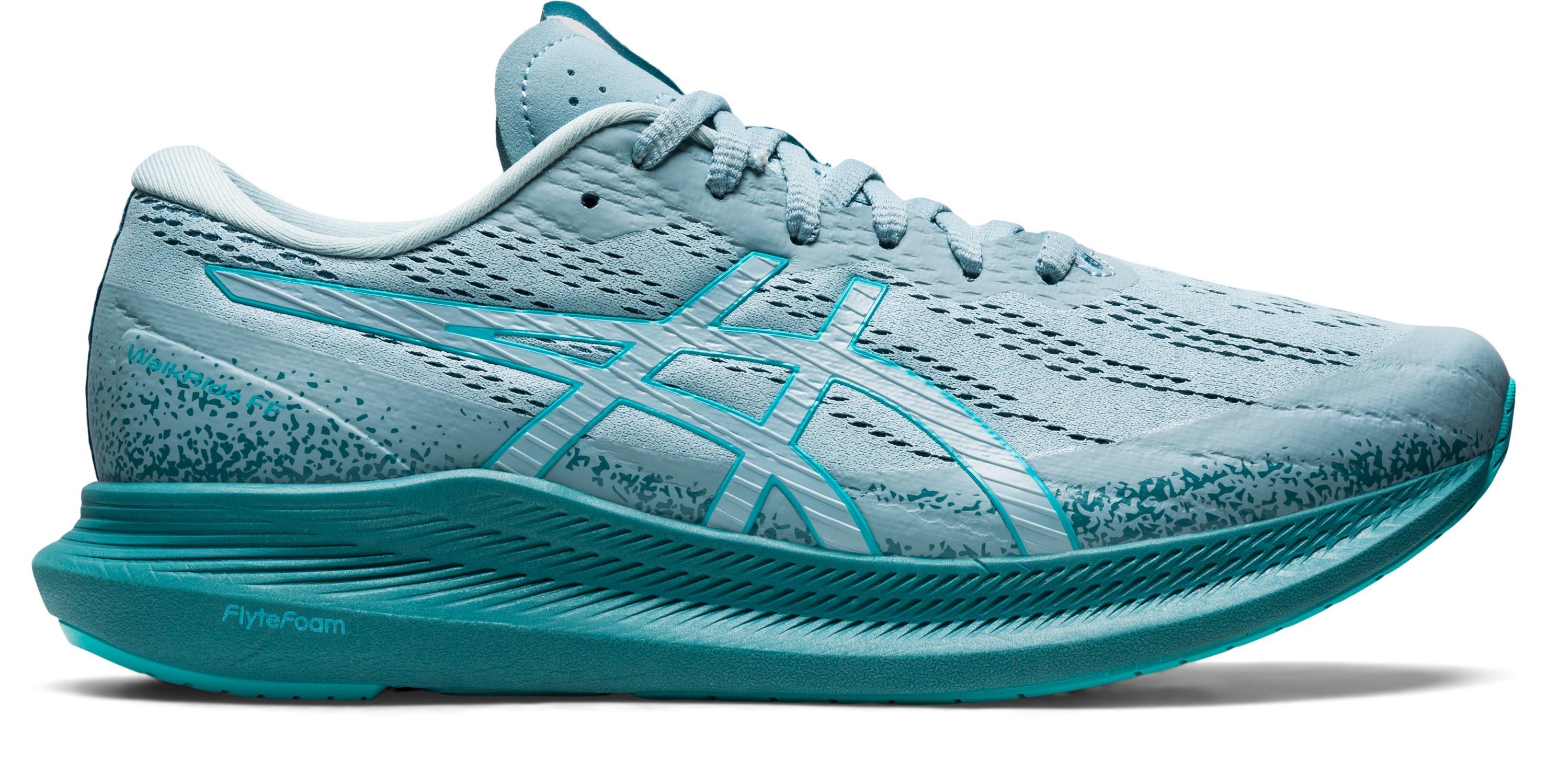
A common misconception is that maximum cushioning equates to maximum comfort. While cushioning is vital for dissipating impact, especially on hard surfaces, an excess of soft, unstable material can be detrimental. Think of walking on a thick memory foam mattress—it feels plush initially, but your muscles must work overtime to stabilize your joints, leading to fatigue and potential strain. Podiatrist-approved shoes master the balance between responsive cushioning and inherent stability. The midsole materials, such as ASICS’ FlyteFoam or Brooks’ DNA LOFT, are engineered to be both soft and resilient, providing energy return. Furthermore, features like a heel counter—a firm cup that cradles the heel bone—are essential. As noted in discussions on professional platforms like Quora and in buyer’s guides from Runner’s World, a secure heel counter prevents slippage and controls rearfoot motion, which is the first point of contact in walking. This dual focus ensures the foot is protected from jarring impacts without being allowed to move into potentially harmful positions, a principle consistently highlighted in reviews of top-tier podiatrist recommended walking shoes.
Deconstructing the Design: Five Hallmarks of a Superior Walking Shoe
Moving from general principles to specific design elements, we can identify five non-negotiable hallmarks that characterize the best walking shoes on the market. These features are the result of decades of orthopaedic research and podiatric feedback, converging into a blueprint for foot health.
1. The Engineered Upper: Breathability and Adaptive Fit
The upper part of the shoe must do more than just hold the foot in place. It needs to be constructed from breathable, often engineered mesh materials that allow for air circulation, reducing moisture and the risk of fungal infections. More importantly, it should offer a secure, adaptive fit. Many podiatrist-favored brands utilize seamless interiors or soft, padded collars and tongues to eliminate points of friction that cause blisters and calluses. The lacing system should allow for micro-adjustments to accommodate different foot volumes, including the common need for a roomier fit for those with swelling (edema) or specific orthotics. This attention to the containment system ensures the foot remains stable within the supportive platform of the midsole and outsole, a detail frequently praised in wear-test analyses from authoritative sources like the American Podiatric Medical Association (APMA) Seal of Acceptance program.
2. The Rocker Sole: Facilitating Natural Gait
A revolutionary feature in many modern podiatrist recommended walking shoes is the rocker sole. This design, where the sole is subtly curved upward at the heel and toe, is not a gimmick. Its biomechanical function is profound. It reduces the load on the Achilles tendon and the plantar fascia by facilitating a smoother roll-through from heel strike to toe-off. This is particularly beneficial for individuals with arthritis, diabetes-related foot stiffness, or plantar fasciitis. Literature from institutions like the Mayo Clinic discusses the therapeutic benefits of rocker soles in offloading pressure from painful areas of the foot. In a premium walking shoe, this rocker geometry is carefully calibrated—too aggressive and it can feel unstable; too subtle and it loses its benefit. The precision in this design element is a direct result of podiatric input, aiming to make the act of walking less strenuous and more efficient for the joints and soft tissues.

3. The Toe Box: Where Freedom Meets Function
The shape and volume of the toe box are critical. The trend toward narrow, pointed footwear is a leading contributor to forefoot pathology. A podiatrist-approved shoe will feature a toe box that is both deep and wide enough to allow the toes to splay naturally upon weight-bearing. This space is crucial for maintaining balance and proper push-off power. As highlighted by Dr. Megan Leahy, a Chicago-based podiatrist, in various health publications, cramping the toes can lead to neuromas (pinched nerves), hammertoes, and aggravate bunions. A functional toe box respects the foot’s natural anatomy, providing a protective buffer without constriction. When trying on shoes, the rule of thumb—or rather, the rule of the big toe—is that there should be about a thumbnail’s width of space between your longest toe and the end of the shoe. This simple test, advocated by podiatrists worldwide, is a fundamental checkpoint that the best shoe designs inherently pass.
4. The Outsole: Traction and Durability for Real-World Surfaces
Comfort and support mean little if the shoe lacks secure traction. The outsole, typically made from carbon rubber or blown rubber compounds, must provide reliable grip on a variety of surfaces—wet pavement, polished floors, or gravel paths. Podiatrists understand that a fear of slipping can alter one’s gait, leading to muscular tension and unnatural movement patterns. Therefore, a high-quality outsole will feature multi-directional lugs or wave-like patterns to channel water away and increase surface contact. Durability is equally important; a worn-out outsole compromises the shoe’s geometry and support long before the upper looks tired. Investing in a pair with a robust outsole, as seen in brands frequently recommended by foot specialists, ensures the protective features of the midsole remain effective for the lifespan of the shoe, making it a smarter long-term investment for your foot health.
5. The Insole: The Final Interface for Customization
While the structural components of the shoe are fixed, the insole is often the point of personalization. Many top-tier walking shoes come with removable, contoured insoles (sockliners) that provide a good baseline of arch and heel cushioning. Their removable nature is key. It allows for the insertion of custom orthotics—prescription medical devices crafted from a mold of your foot—which are a common podiatric treatment for biomechanical abnormalities. Even if you don’t require custom orthotics, the ability to replace the factory insole with an over-the-counter supportive insert from brands like Superfeet or Powerstep can fine-tune the fit and support. This design consideration acknowledges that while a podiatrist recommended walking shoe offers an excellent standard platform, individual foot contours and needs may require this final layer of customization for optimal comfort and correction.
:max_bytes(150000):strip_icc()/tal-roundup-podiatrist-loved-shoes-on-sale-tout-bdbf5721fa5642efa38b61f6a5b4ff34.jpg)
Investing in Your Foundation: Where Value Meets Expertise
Understanding the sophisticated technology behind these shoes clarifies why they are often positioned at a higher price point than generic footwear. You are investing in research, development, and clinical validation. However, this investment in your health need not be prohibitive. The market for quality walking shoes is dynamic, with sales, clearance events on brand websites, and discounts at reputable online retailers occurring regularly. The key is to prioritize the technical features outlined above over brand name alone. A shoe that fits the podiatric criteria from a value-oriented brand can be just as effective as a top-tier model. When you purchase a genuine podiatrist recommended walking shoe, you are not buying a product with a planned obsolescence; you are acquiring a tool for sustained mobility. The cost per mile of comfort and injury prevention they provide makes them one of the most valuable purchases for an active, health-conscious individual. Start by identifying your foot type (a simple “wet test” can reveal your arch height), then seek out models known for addressing that type, and finally, shop strategically for the best price on that specific, purpose-driven model.
The journey to all-day comfort begins from the ground up. It is a decision rooted not in impulse, but in an informed understanding of human anatomy and thoughtful engineering. By choosing footwear that carries the implicit or explicit endorsement of podiatric science, you are doing more than buying shoes—you are choosing to support your body’s intricate mechanics, to prevent future pain, and to empower every step of your day with confidence and ease. Let your feet experience the difference that comes from a foundation built on expertise, not just aesthetics.
