

Discover the Best Podiatrist Recommended Walking Shoes for All-Day Comfort
Your feet are your foundation, carrying you through every step of your day. Yet, so often, we encase them in footwear chosen for style over substance, leading to a cascade of discomfort that can ripple up through your entire body. The quest for all-day comfort isn’t about luxury; it’s a physiological necessity. This is where the expertise of podiatry becomes invaluable. Moving beyond generic advice, we delve into the science of gait, biomechanics, and foot health to identify what truly makes a walking shoe exceptional. This article is your guide to understanding and selecting podiatrist recommended walking shoes, footwear engineered not just to cover your feet, but to actively support, protect, and enhance your natural movement from morning until night.
The Science of Stride: Why Your Shoes Are a Medical Matter
Walking is a complex, full-body kinetic chain. Each step involves a precise sequence of heel strike, foot flat, mid-stance, heel-off, and toe-off. When this gait cycle is disrupted by improper footwear, the consequences are far from trivial. Podiatrists, the medical specialists of the foot and ankle, routinely treat conditions directly linked to poor shoe choices: plantar fasciitis, metatarsalgia, Achilles tendinitis, bunions, and neuromas. The right shoe acts as a therapeutic interface between your body and the ground. It’s not merely a barrier but a dynamic tool for shock absorption, stability, and motion control. As Dr. Jacqueline Sutera, a renowned New York City podiatrist and spokesperson for the American Podiatric Medical Association (APMA), often emphasizes, “Shoes should bend where your foot bends—at the ball of the foot, not the arch.” This fundamental principle, echoed across podiatric literature from institutions like the Mayo Clinic, underscores that a shoe’s structure must complement the foot’s anatomy. A podiatrist recommended walking shoe is designed with these biomechanical truths at its core, featuring a rigid heel counter to control rearfoot motion, adequate arch support to prevent overpronation or supination, and a flexible forefoot to allow for a natural push-off. Ignoring this science is akin to building a house on a faulty foundation; eventually, the structure—your body—will show signs of stress.
:max_bytes(150000):strip_icc()/tal-10-podiatrist-approved-open-toed-shoes-tout-00bd6ff1c36a49cdbbff486b0b54fb27.jpg)
Decoding the Anatomy of a Superior Walking Shoe
To recognize a truly supportive shoe, you must become fluent in its anatomical components. Let’s dissect the critical features that podiatrists scrutinize. First, the upper: it should be constructed from breathable, flexible materials like mesh or premium leather to accommodate foot swelling and prevent friction blisters. The toe box is non-negotiable; it must be deep and wide enough to allow your toes to splay naturally without constriction, a point famously advocated by Harvard Medical School’s health publications to prevent digital deformities. Next, the midsole is the heart of cushioning and support. This is where advanced materials like EVA (ethylene-vinyl acetate) foam, polyurethane, or proprietary technologies like ASICS’ GEL or Brooks’ DNA LOFT come into play. Their job is to attenuate ground reaction forces—the impact shock traveling up your legs with each step. The arch support or footbed should contour to your specific arch type (neutral, low, or high), a feature often customizable with removable insoles. The outsole requires a balance of durable rubber for longevity and a strategic tread pattern for reliable traction. Finally, the heel counter, the firm cup at the back, must be robust to lock the heel in place, preventing slippage and excessive inward or outward rolling. A shoe that masters this anatomy is a prime candidate for the title of podiatrist recommended walking shoes. It’s a harmonious blend of protective engineering and ergonomic design.
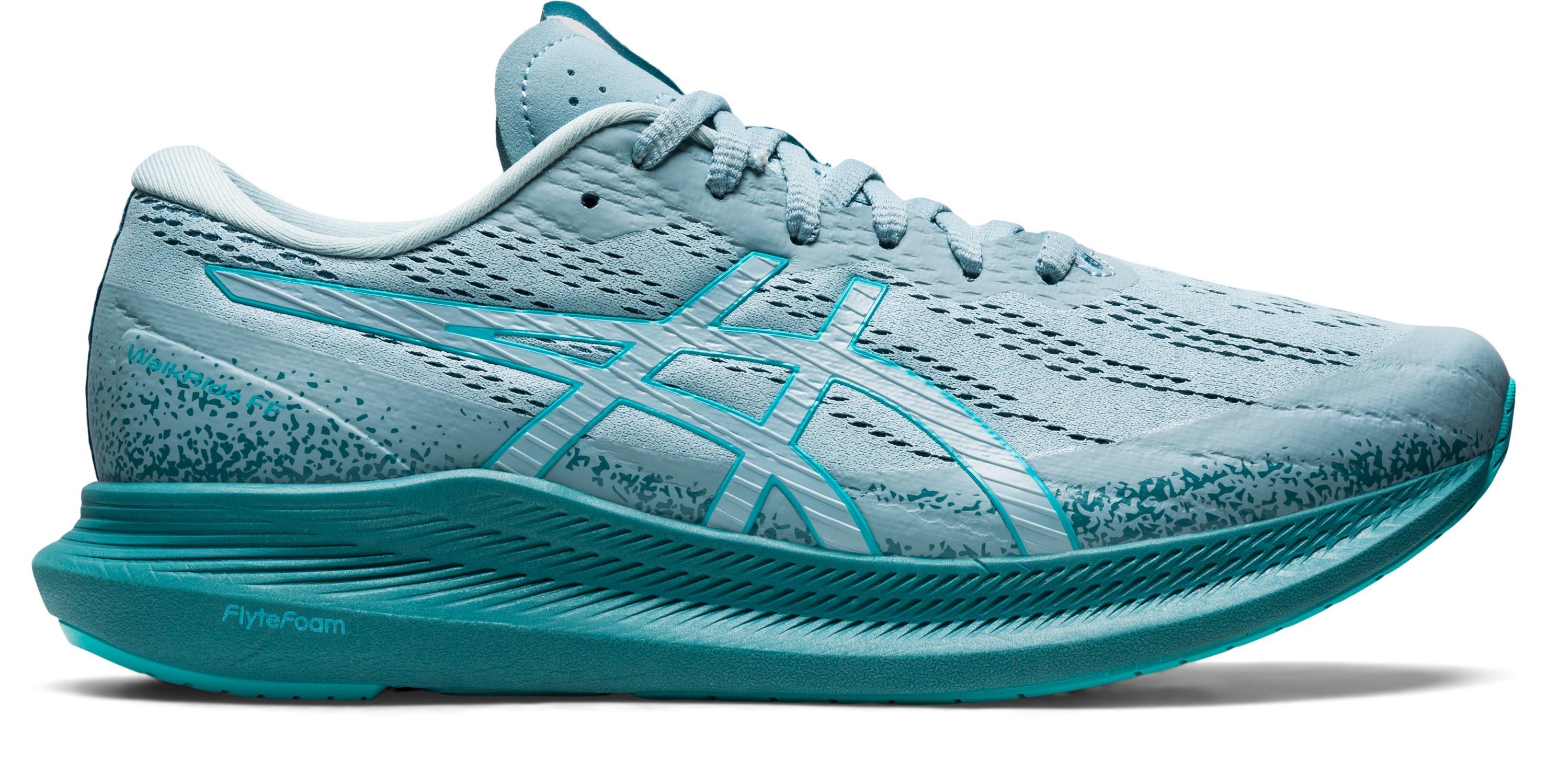
Beyond the Brand: Evidence-Based Features Podiatrists Trust
While brand loyalty exists, podiatric recommendation hinges on specific, evidence-based features rather than logos. One key certification to look for is the APMA Seal of Acceptance. This seal indicates that a shoe’s design has been reviewed by a committee of podiatrists and found to promote good foot health. Features that consistently earn this seal include rocker soles, which facilitate a smoother gait transition and are particularly beneficial for individuals with arthritis or plantar fasciitis, as noted in studies from the University of Pittsburgh Medical Center. Another trusted feature is a wide base of support, which enhances stability and is a common recommendation for those with balance issues or diabetes, where foot safety is paramount. Motion control technology, often involving medial posts or dual-density foam, is critical for overpronators to align the foot and ankle properly. The philosophy here is preventative orthopedics. As celebrity trainer and physiotherapist, Dr. Evan Oranovsky, has discussed on his popular YouTube channel, “The right shoe is the cheapest form of physical therapy you can buy.” This sentiment is backed by countless peer-reviewed papers in journals like The Journal of Foot and Ankle Research, which correlate appropriate footwear with reduced pain and improved functional mobility. Therefore, when you evaluate a pair of podiatrist recommended walking shoes, you are not assessing a fashion item but a clinically-vetted health accessory.
From Clinic to Pavement: Top Contenders for All-Day Support
Translating theory into practice, several brands and models consistently rise to the top in podiatric circles for their unwavering commitment to biomechanical support. It’s important to remember that the “best” shoe is highly individual, but these categories represent gold standards in specific areas of need. For the overpronator requiring maximum stability and motion control, brands like Brooks (with their Adrenaline GTS line) and ASICS (with the GT-2000 series) are frequently prescribed. Their engineered guidance systems help correct excessive inward roll. For those seeking plush cushioning for hard surfaces or joint sensitivity, HOKA ONE ONE is a game-changer. Their meta-rocker geometry and super-soft, thick midsoles, as featured in the Bondi model, redistribute pressure and encourage a efficient stride, a technology often highlighted in runner and walker forums on Quora and Reddit for its transformative comfort. For the individual with a wider foot or needing extra depth, New Balance excels with their extensive range of widths. Their 990 series, often cited in podiatry blogs, is renowned for its durable construction and accommodating fit. Finally, for sustainable innovation, brands like Allbirds and certain lines from Merrell incorporate natural materials without sacrificing the core tenets of support. Trying on several from these categories is the surest path to finding your personal holy grail of podiatrist recommended walking shoes.
:max_bytes(150000):strip_icc()/shp-best-brooks-walking-shoes-tout-f67df3ab5afa4c08a24a63ae6dca3444.jpg)
Investing in Your Foundation: The True Value of Proper Footwear
It’s tempting to view high-quality walking shoes as a significant expense. However, a cost-benefit analysis from a health perspective reveals them to be one of the most prudent investments you can make. Consider the alternative: the cumulative cost of doctor visits, physical therapy sessions, orthotic devices, pain medications, and lost productivity due to foot, knee, hip, or back pain. A single pair of well-chosen podiatrist recommended walking shoes can serve as your first line of defense against these issues. Furthermore, the market has evolved to offer exceptional value. Many direct-to-consumer brands and seasonal sales make top-tier technology accessible. The key is to prioritize the investment. As the ancient philosopher Lao Tzu is often paraphrased, “A journey of a thousand miles begins with a single step.” Make that step a supported one. Your future self will thank you for the miles of pain-free movement, the energy conserved from not fighting against poor alignment, and the sheer joy of walking without distraction. This isn’t about consumerism; it’s about empowering your mobility and preserving your body’s intricate mechanics for the long walk of life.
:max_bytes(150000):strip_icc()/podiatrist-recommended-walking-shoes-e1b90077185d4e6cadbf6327c4d17db7.jpg)
The search for all-day comfort ends with informed choice, not chance. By embracing the principles of podiatric science—prioritizing anatomical alignment, evidence-based features, and individual fit—you transform an everyday item into a pillar of personal well-being. Let your next step be the most supported one you’ve ever taken.
