

Discover the Best Podiatrist Recommended Walking Shoes for All-Day Comfort
Your feet are the foundation of your daily movement, and the shoes you choose can either support or sabotage your well-being. For anyone who spends significant time on their feet—whether navigating city streets, exploring nature trails, or managing long work shifts—the quest for truly comfortable footwear is paramount. This isn’t merely about style or fleeting trends; it’s about investing in your physical health. The term podiatrist recommended walking shoes has emerged as a critical benchmark in this search, representing footwear that aligns with medical expertise on foot biomechanics, injury prevention, and long-term comfort. This guide delves into the science and selection criteria behind these recommendations, moving beyond marketing claims to uncover what genuinely makes a walking shoe worthy of professional endorsement. We’ll explore the anatomical needs of the foot, decode key technological features, and examine models that consistently receive praise from foot care specialists and users alike, all while keeping an eye on value and smart purchasing.
The Foundation of Foot Health: Why Professional Guidance Matters
To understand the value of podiatrist recommended walking shoes, one must first appreciate the complexity of the human foot. Each foot contains 26 bones, 33 joints, and over 100 muscles, tendons, and ligaments, all working in concert to provide balance, propulsion, and shock absorption. Podiatry, the branch of medicine devoted to the study, diagnosis, and treatment of disorders of the foot and ankle, provides the authoritative lens through which shoe design is evaluated. Podiatrists frequently treat conditions exacerbated or caused by improper footwear, such as plantar fasciitis, metatarsalgia, bunions, and Achilles tendonitis. Their recommendations, therefore, are not based on fashion but on biomechanical principles. As noted by the American Podiatric Medical Association (APMA), shoes bearing their Seal of Acceptance have been evaluated by a committee of podiatrists and found to promote good foot health. This scientific approach is what separates a generic “comfortable” shoe from one that is structurally sound for prolonged wear. The goal is to find shoes that accommodate the foot’s natural gait cycle—from heel strike to toe-off—without imposing harmful stresses. When a podiatrist recommends a shoe, they are endorsing its ability to provide stability, adequate cushioning, appropriate arch support, and a shape that respects the foot’s natural anatomy, thereby reducing the risk of pain and injury during all-day wear.

Decoding the Anatomy of an Ideal Walking Shoe
What specific elements transform an ordinary sneaker into a podiatrist-approved workhorse? The answer lies in a combination of design features that address the foot’s functional needs. First and foremost is arch support. The arch acts as a natural shock absorber; inadequate support can lead to the overpronation or supination, straining the plantar fascia. A well-designed insole or midsole will contour to the arch, whether it’s low, medium, or high. Next is heel counter stability. The firm cup at the back of the shoe, the heel counter, should be robust to lock the heel in place, preventing excessive side-to-side motion that can lead to ankle instability and Achilles issues. Cushioning is another non-negotiable, but it must be strategic. While a plush feel is pleasant, effective cushioning is about energy return and impact dispersion. Materials like ethylene-vinyl acetate (EVA) foam, polyurethane, and newer technologies like Adidas’s Boost or ASICS’s GEL target cushioning where impact is highest—the heel and forefoot. Furthermore, the toe box must be wide and deep enough to allow toes to splay naturally without constriction, a point famously emphasized by Harvard University’s evolutionary biology literature on foot morphology. Finally, flexibility is key, but it must occur at the right joint. The shoe should bend easily at the ball of the foot (the metatarsophalangeal joints) to facilitate the push-off phase of walking, while remaining stable through the midfoot. A podiatrist recommended walking shoe successfully integrates all these elements into a cohesive system.
Top Contenders: Shoes That Consistently Earn Professional Praise
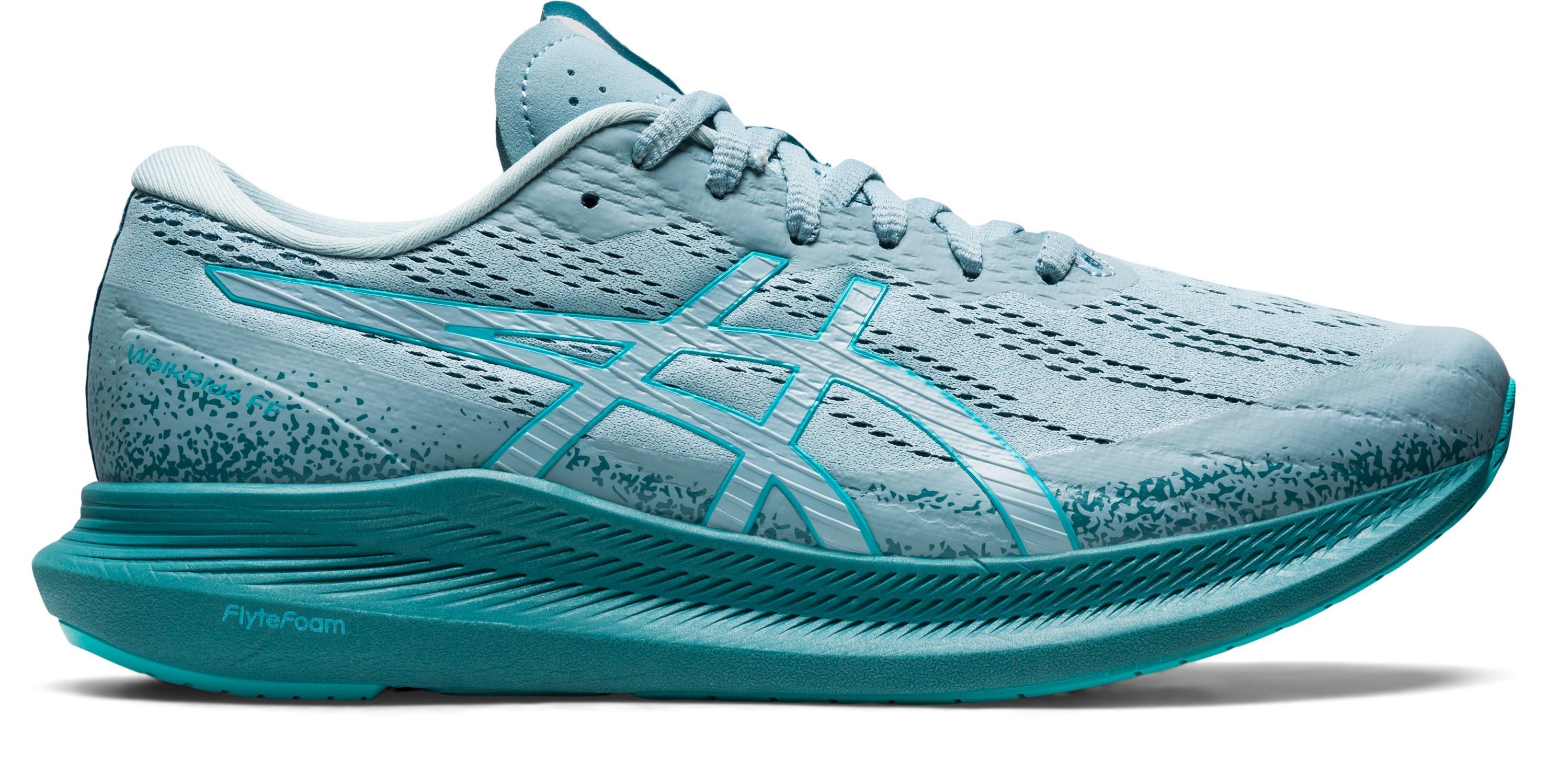
Across countless reviews, clinical observations, and professional forums, several brands and models repeatedly surface as top-tier choices for all-day walking comfort. Brands like ASICS, Brooks, New Balance, and HOKA ONE ONE are frequently cited by podiatrists for their commitment to biomechanical research. For instance, the ASICS GEL-Nimbus or GEL-Kayano series are often highlighted for their exceptional rearfoot and forefoot GEL cushioning systems, which attenuate shock during impact and toe-off phases. Similarly, HOKA ONE ONE’s maximalist cushioning, seen in models like the Bondi or Clifton, provides unparalleled shock absorption for those with joint sensitivities, a feature praised by sports medicine specialists on platforms like YouTube for its therapeutic benefits. New Balance, with its extensive range of widths, is a go-to recommendation for individuals needing a truly anatomical fit, addressing a common complaint that standard-width shoes fail to accommodate. Dr. Jacqueline Sutera, a renowned New York City podiatrist, has often been quoted in publications like Travel + Leisure advocating for shoes with a “rocker sole” design—a feature present in many styles from brands like Vionic and certain Saucony models—which helps propel the foot forward and reduces strain on the plantar fascia. These podiatrist recommended walking shoes are not miracles, but rather the result of iterative design informed by podiatric science.
:max_bytes(150000):strip_icc()/tal-roundup-podiatrist-loved-shoes-on-sale-tout-bdbf5721fa5642efa38b61f6a5b4ff34.jpg)
Beyond the Shoe: The Synergy of Socks, Inserts, and Gait
Even the best podiatrist recommended walking shoes can be undermined by poor ancillary choices. The symbiotic relationship between shoe, sock, and sometimes custom orthotic is critical. Moisture-wicking socks made from merino wool or synthetic blends like CoolMax are essential to prevent blisters and fungal infections, a basic tenet of podiatric care. For individuals with specific biomechanical issues like severe overpronation or high rigid arches, a pre-fabricated or custom orthotic insert may be necessary. As the Mayo Clinic’s patient education materials note, orthotics work by correcting foot function and aligning the lower body, and they must be paired with a shoe that has a removable insole and sufficient depth to accommodate them without cramping. Furthermore, one’s walking gait plays a fundamental role. A shoe perfect for a neutral gait may be disastrous for an overpronator. Many running specialty stores and podiatry clinics offer gait analysis, which can pinpoint your stride pattern and inform the most supportive shoe category for you. This holistic view—considering the shoe as part of a system that includes your unique physiology and habits—is what leads to genuine, all-day comfort and injury prevention. It transforms a simple purchase into a proactive health decision.
Finding Value: Investing in Comfort Without Overspending
High-quality, biomechanically sound footwear often comes with a premium price tag, reflecting the research, materials, and technology involved. However, investing in your foot health can prevent costly medical bills down the line. The savvy consumer can find value through several strategies. First, consider previous model years. Shoe technology evolves incrementally; last year’s top-rated podiatrist recommended walking shoes often see significant discounts when a new version is released, yet they retain 90% of their performance benefits. Second, shop at outlets or during major sales events like Black Friday, Cyber Monday, or end-of-season clearances. Third, explore reputable online retailers that frequently offer coupon codes and bundle deals. It’s also worth noting that some insurance plans with flexible spending accounts (FSAs) or health savings accounts (HSAs) may allow for reimbursement of orthopedic shoes or custom orthotics with a doctor’s prescription—a avenue worth exploring. Remember, the true cost of a shoe isn’t its price tag, but its cost-per-mile of comfortable, pain-free wear. A $150 pair of shoes that lasts for 500 miles of walking and keeps you injury-free is a far better value than a $60 pair that causes discomfort after 50 miles and leads to a $200 podiatrist visit.
:max_bytes(150000):strip_icc()/podiatrist-recommended-walking-shoes-e1b90077185d4e6cadbf6327c4d17db7.jpg)
Your journey to finding the perfect walking shoe is a direct investment in your mobility and quality of life. By prioritizing the principles behind podiatrist recommended walking shoes—superior arch support, strategic cushioning, stable heel counters, and anatomical fit—you equip yourself with the tools for enduring comfort. This isn’t about following a fleeting trend; it’s about heeding the convergence of medical science and thoughtful design. Listen to the experts who treat foot ailments daily, understand the why behind their recommendations, and make an informed choice that supports every step you take. The right pair of shoes doesn’t just carry you through your day; it empowers you to move through life with greater ease, resilience, and joy.
